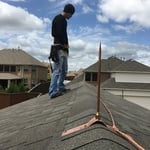
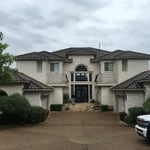
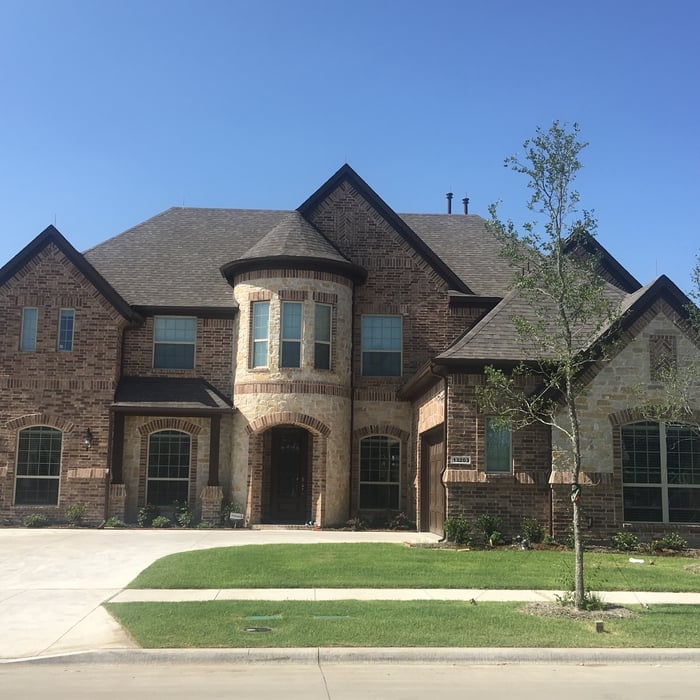
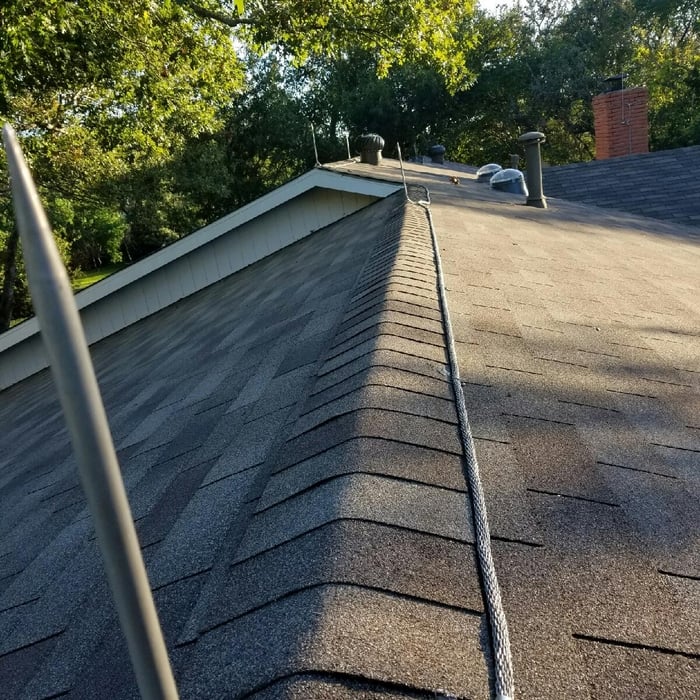
"John Corrigan and his sons are outstanding! They did outstanding work installing our lighting rods at a reasonable price. They were prompt, very professional and honest. I would call them again and recommend them to anyone."
"We were contacted immediately regarding adding a lightning protection system on our home. Seamus was very thorough and knowledgeable regarding our concerns. He and his crew showed up and were very professional and efficient. We are very pleased with the installation and highly recommend Donahue’s."
"The problem turned out to be a burned out small electric door switch. I believe the price was way too expensive for the service performed and the price of the door switch. What more can I say? It got done."
"He came and installed a new kitchen faucet for us. He even installed 2 faulty valves that he noticed were bad that we didnâ t know about. Honest guy that did honest work!"
Yes, but our analogy with the water hose doesn’t really work here. You see, electrical flow isn’t constant: It ebbs and flows like waves, coming in pulses of power. Hertz measures the rate of change in the flow of electricity, or how often it ebbs and flows. For example, 60Hz means that the electrons pulse through wiring 60 times per second. When they are pulsing, they’re in a brief retreat. Almost all United States equipment is rated for 60Hz.
If a 240V appliance is connected to a 120V outlet, the lower voltage will cause that appliance to receive insufficient power. This may result in reduced performance, malfunctions, or even damage to the appliance's components. Depending on the size of your electrical circuit, you’ll likely need to reset a tripped circuit breaker at the very least.
Yes, it’s safe to strip a wire if you follow the proper safety precautions. First and foremost, you must always disconnect the power and never try stripping a live wire. Using wire strippers is another safety precaution, but don’t forget to keep your fingers away from the blade. It’s also critical you only remove the insulation and not accidentally cut into the conductor, which is unlikely as long as you’re using the right-sized wire stripper.
To power the system down, simply turn it off and cut it off from its electricity. That means removing the transformer from the wall plug and taking out the battery that usually sits within the control panel itself. That will disconnect it from power and essentially reset the entire alarm system.
Most people don’t think twice when using loose outlets, but they are a safety hazard. Loose outlets can cause issues with the flow of electricity in your home, resulting in electricity jumping from one connection point to another. When this happens, it can cause a spark that could start an electrical fire in your walls.
The Start, LA homeowners’ guide to electrical services
From average costs to expert advice, get all the answers you need to get your job done.
Before you hire a licensed electrical contractor, you should learn the cost to run electric from the road to your house so you can budget for the project.
Whether you’re shopping for a new home or simply doing a safety check on your current place, learn what factors influence an electrical inspection cost.
Is it time to upgrade your electrical panel? For the sake of safety, find out sooner than later by exploring our top signs that it’s time for an upgrade.