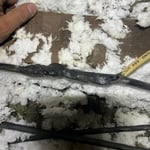
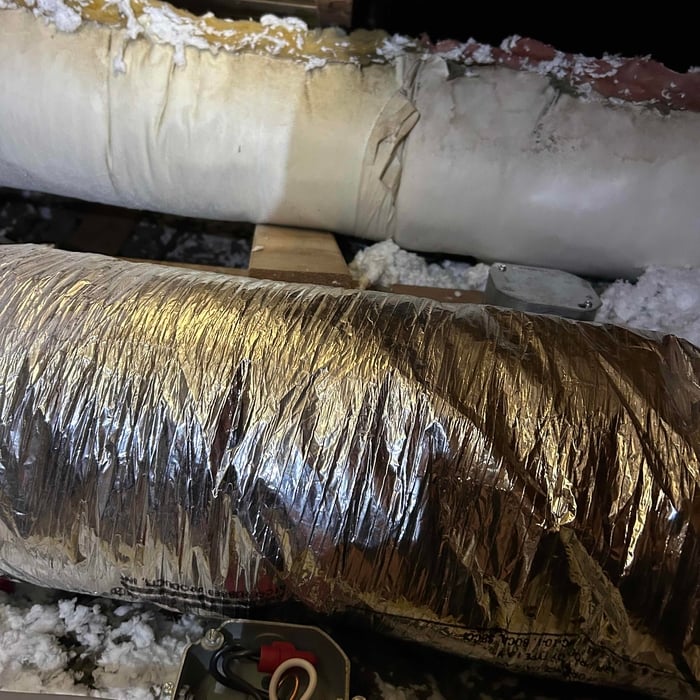
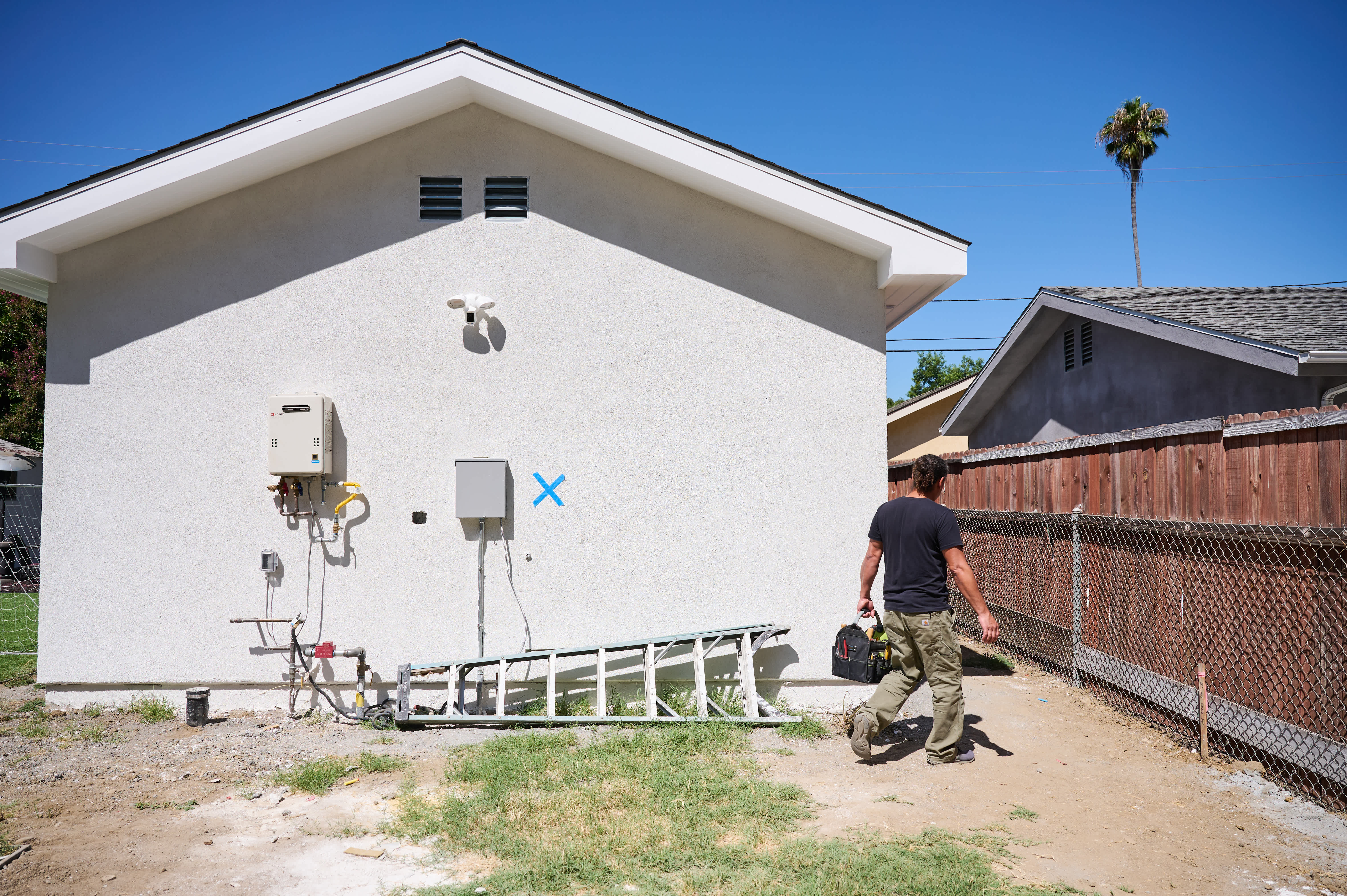
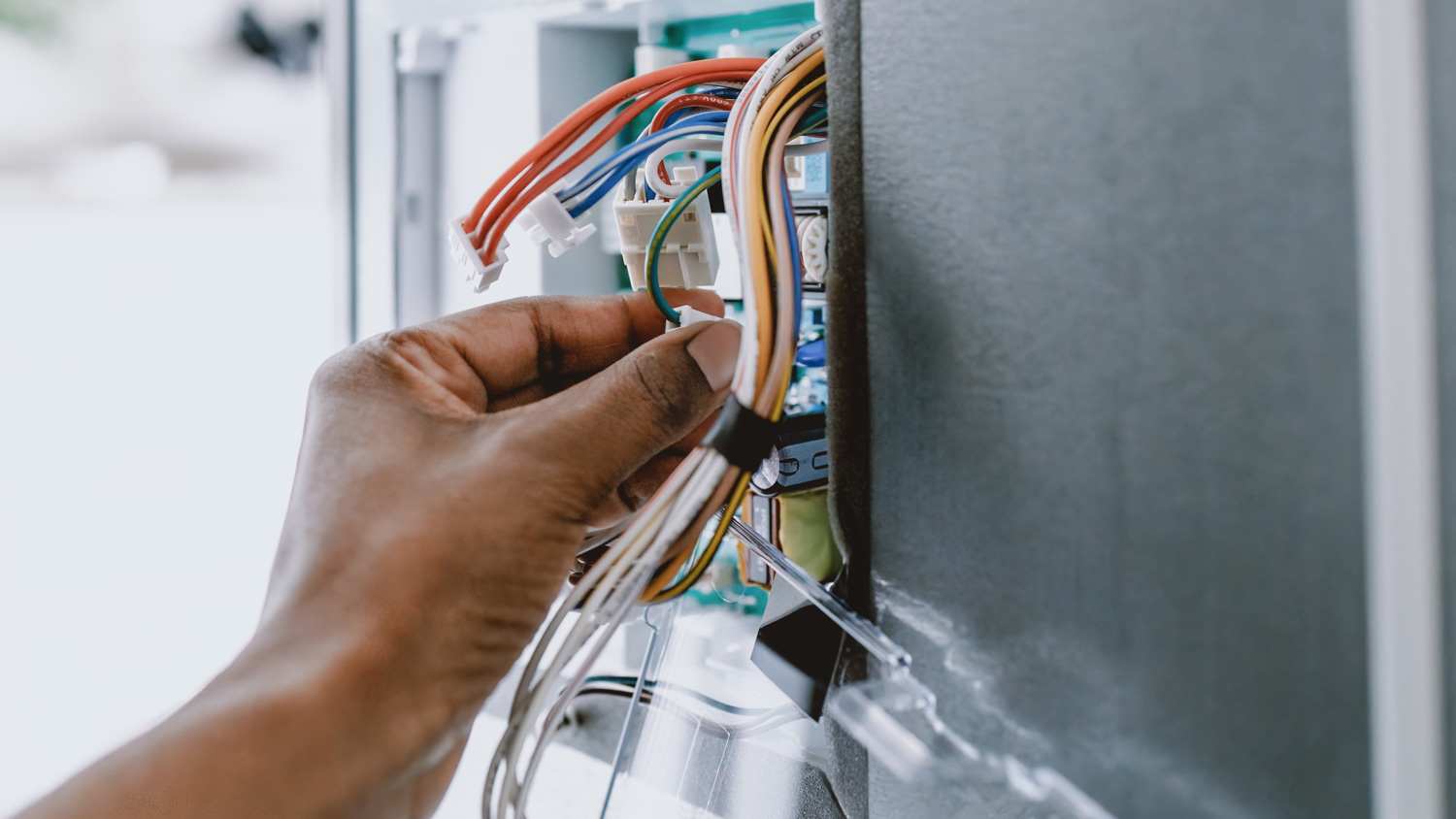
"Brunson Electric were very professional and told me exactly what they were going to replace under my house. They had already inspected and reported rodent chewing on my electric wiring (one place down to the core). Now I am continuing the rat bait I have put out and getting someone to close any entries to the bottom of my house to keep the squirrels out. I have skirting around a log home and love my home and don't want a fire to start. The Brunson Co. did what was to be expected from electricians that know what they are doing."
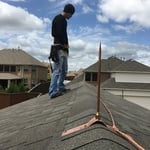
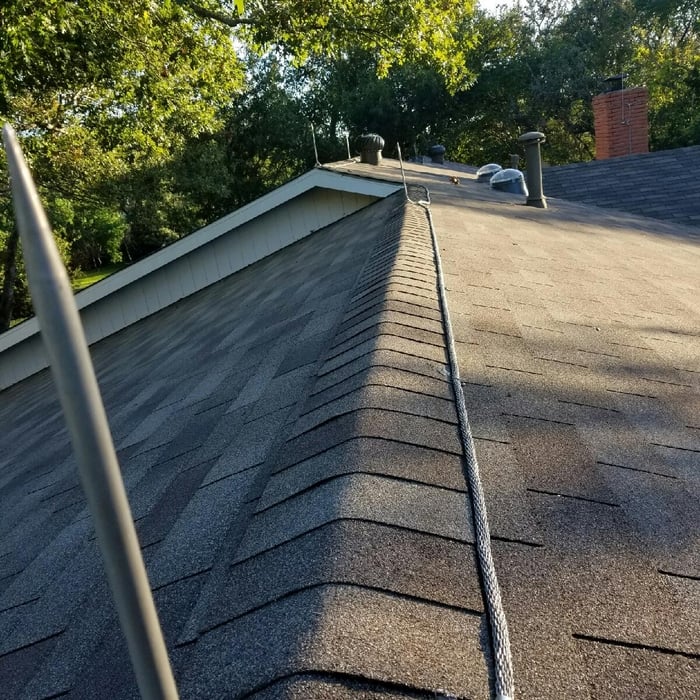
"John Corrigan and his sons are outstanding! They did outstanding work installing our lighting rods at a reasonable price. They were prompt, very professional and honest. I would call them again and recommend them to anyone."
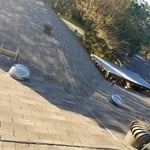
"We were contacted immediately regarding adding a lightning protection system on our home. Seamus was very thorough and knowledgeable regarding our concerns. He and his crew showed up and were very professional and efficient. We are very pleased with the installation and highly recommend Donahue’s."
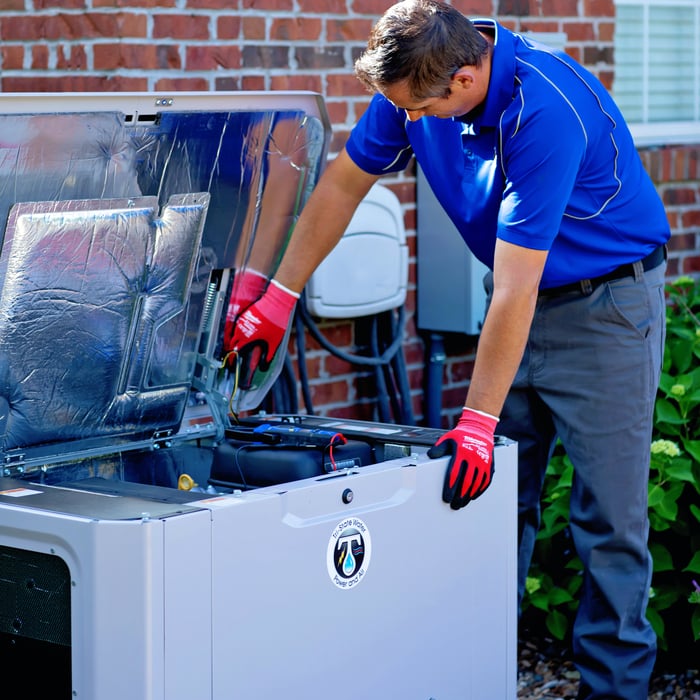
We are the experts in the field of Whole Home Generator Sales and Installation, with over 20 years of experience in the game. We provide turn-key installation by licensed professionals - 24 hour emergency service - Remote Monitoring - Long term maintenance and service by factory trained technicians.
If a 240V appliance is connected to a 120V outlet, the lower voltage will cause that appliance to receive insufficient power. This may result in reduced performance, malfunctions, or even damage to the appliance's components. Depending on the size of your electrical circuit, you’ll likely need to reset a tripped circuit breaker at the very least.
Typically, refrigerators should not be plugged into GFCI outlets. This is another appliance with a motor that can be prone to a little current leakage. Using a standard outlet saves nuisance tripping and the potential of waking up to a refrigerator full of warm food. The only exception is when the refrigerator is in a garage, where all outlets must be GFCI.
Although homeowners can turn off a breaker, it’s vital to follow safety precautions when doing so to prevent serious and potentially fatal injuries. For instance, you want to ensure there is no water on the floor when you touch the breaker and wear protective gear such as safety glasses. Anytime you deal with anything electrical, it’s always best to be as safe as possible.
Yes, electric fences need power to operate. They are powered by either a battery or an electrical outlet. In heavy snow or extreme rain, or if the power goes out, your electric fence might stop working. Knowing how to test an electric fence is important for figuring out if the fence is still functioning properly.
They’ll use more electricity than the average upright vacuum, but not remarkably more. Most power units plug into a standard 120-volt outlet and don’t have significant power demands. You shouldn’t notice an increase in electricity bills. If you have any specific questions about energy costs, ask your installer as you examine purchase decisions. Larger power units will need more electricity for their suction levels.
The Bawcomville, LA homeowners’ guide to electrical services
From average costs to expert advice, get all the answers you need to get your job done.
Before you hire a licensed electrical contractor, you should learn the cost to run electric from the road to your house so you can budget for the project.
Whether you’re shopping for a new home or simply doing a safety check on your current place, learn what factors influence an electrical inspection cost.
Is it time to upgrade your electrical panel? For the sake of safety, find out sooner than later by exploring our top signs that it’s time for an upgrade.