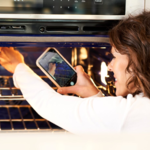
"Very happy with the explanation of what would be done and then how it was done. They were prompt, courtesy and completed with work in just a few hours."
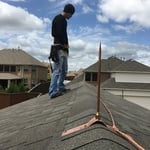
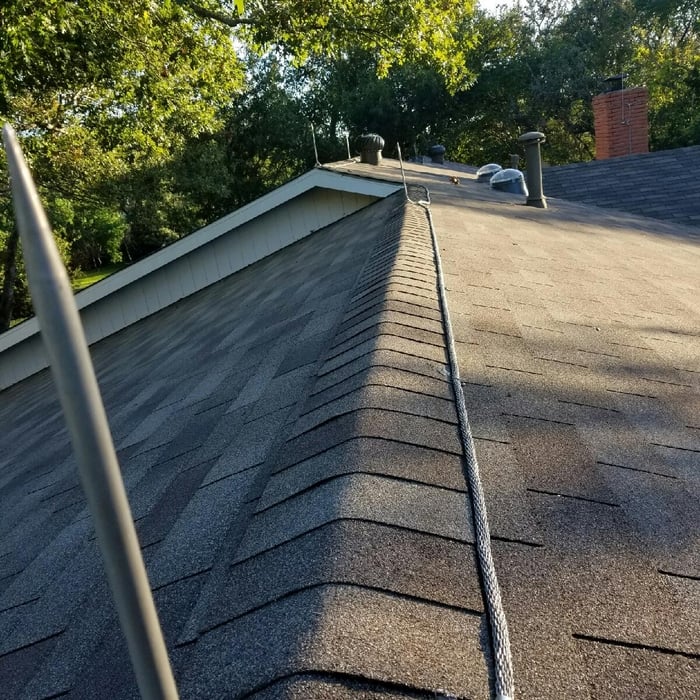
"We were contacted immediately regarding adding a lightning protection system on our home. Seamus was very thorough and knowledgeable regarding our concerns. He and his crew showed up and were very professional and efficient. We are very pleased with the installation and highly recommend Donahue’s."
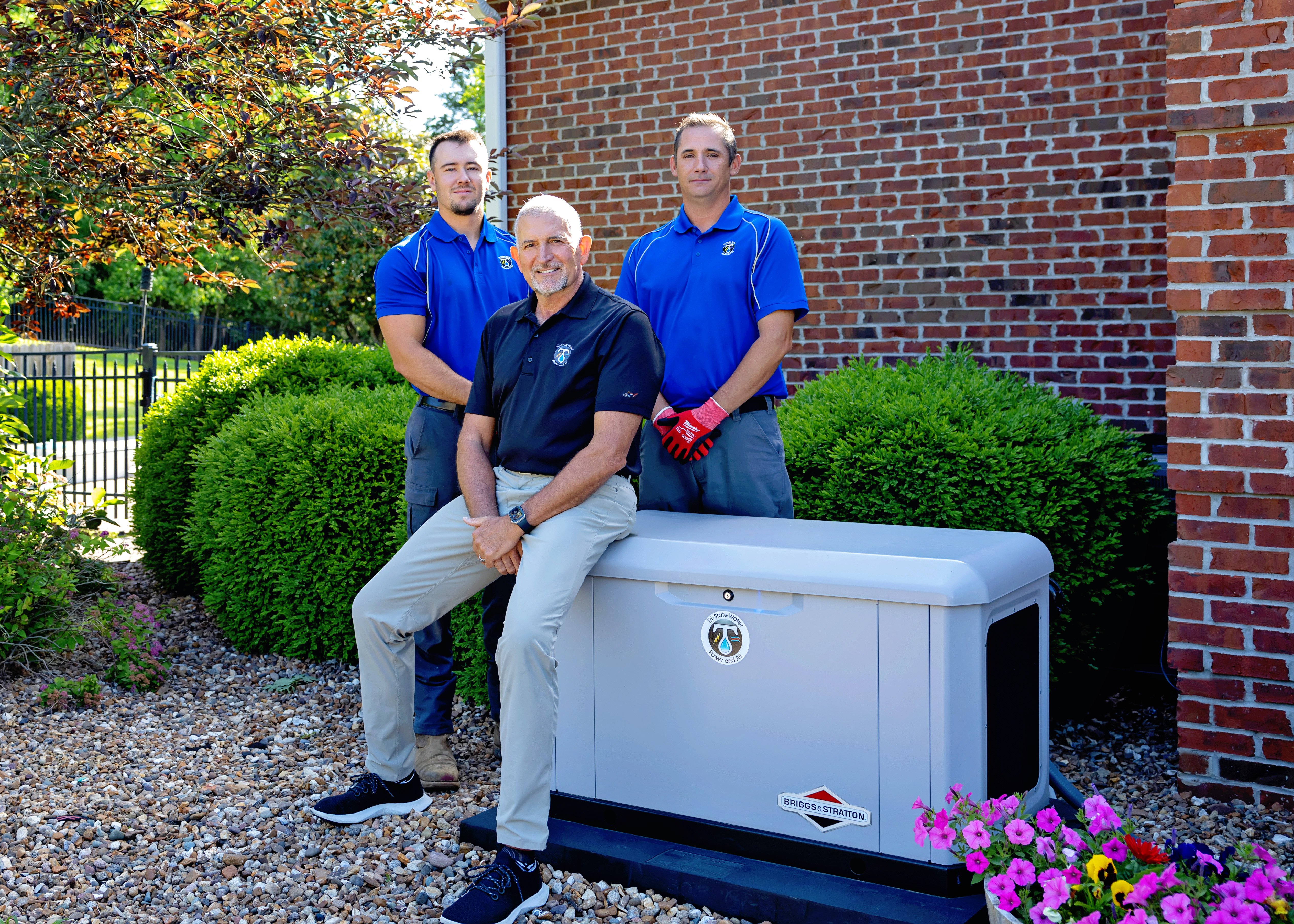
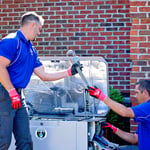
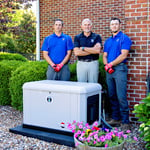
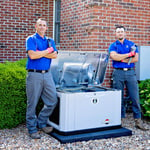
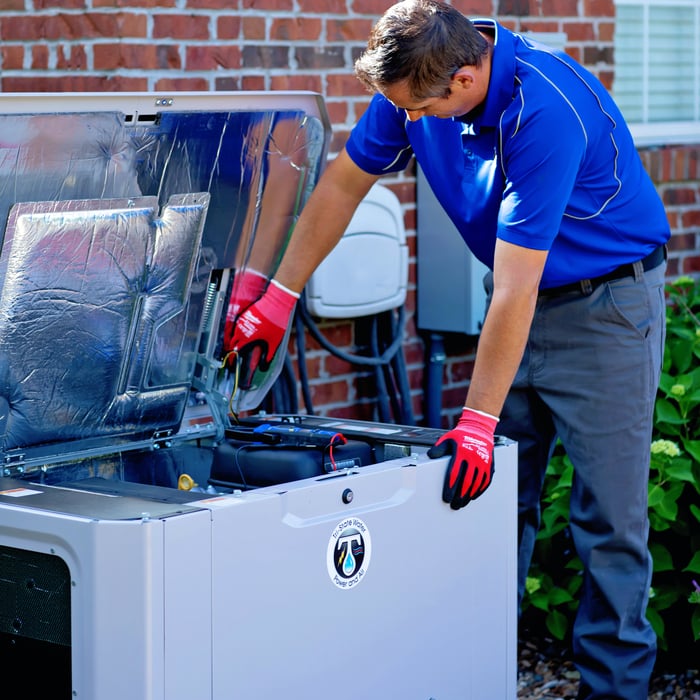
We are the experts in the field of Whole Home Generator Sales and Installation, with over 20 years of experience in the game. We provide turn-key installation by licensed professionals - 24 hour emergency service - Remote Monitoring - Long term maintenance and service by factory trained technicians.
"The problem turned out to be a burned out small electric door switch. I believe the price was way too expensive for the service performed and the price of the door switch. What more can I say? It got done."
"He came and installed a new kitchen faucet for us. He even installed 2 faulty valves that he noticed were bad that we didnâ t know about. Honest guy that did honest work!"
Yes, a hot or overheating outlet is a fire hazard and can cause a fire. An outlet becoming hot indicates an electrical problem, such as an overloaded circuit, loose connections, or a faulty component. The heat from these issues can ignite nearby flammable materials like curtains or furniture. If you notice an outlet is hot to the touch, turn off the power at the circuit breaker, unplug any connected devices, and consult a qualified electrician. If a fire does start, use a Class C fire extinguisher or baking soda to suppress it, or evacuate immediately and call the fire department.
Whole-house generators can run continuously for extended periods, even for weeks at a time (around 400 to 500 hours), as long as they have a sufficient fuel supply. However, this type of extensive use will increase wear and tear and can shorten the generator's overall lifespan. During long periods of operation, it's important to check and refill the engine oil as needed, potentially as frequently as daily depending on the model. If your generator uses a fuel tank, ensure it is kept full to prevent unexpected shutdowns.
Yes, in some locations, it is required by the National Electric Code (NEC) to have a transfer switch installed for electrical emergencies. In addition to following electrical code, generator transfer switches ensure your home is fully protected during a power outage. By switching the power from the main breaker to the generator breaker, you can seamlessly operate your HVAC, lights, appliances, devices, and more during an emergency.
Short circuits can cause fires, electrical burns, and electrocution, which can lead to serious injury or even death. That’s why it’s important to take preventative measures to prevent short circuits, like getting annual electrical maintenance and an electrical inspection every two to five years, depending on the age of your home.
Electric water heaters use a high amount of electricity, so they’re best for homeowners who subsidize their electric bill with solar or who live in an area with inexpensive electricity. For others, gas water heaters versus electric water heaters may be the more cost-effective solution, with the added bonus of heating water quickly and efficiently. No matter which you choose, you can lower your water temperature as low as possible to keep costs down.
The Lakeshore, LA homeowners’ guide to electrical services
From average costs to expert advice, get all the answers you need to get your job done.
Before you hire a licensed electrical contractor, you should learn the cost to run electric from the road to your house so you can budget for the project.
Whether you’re shopping for a new home or simply doing a safety check on your current place, learn what factors influence an electrical inspection cost.
Is it time to upgrade your electrical panel? For the sake of safety, find out sooner than later by exploring our top signs that it’s time for an upgrade.