






Top-rated septic tank pros.

Get matched with top septic tank pros in Start, LA

Enter your zip and get matched with up to 5 pros

Need a pro for your septic tank service project in Start, LA?

Select your specific project to find the pro for you.

Find Septic tank pros in Start

Avatar for American Home Shield – Home Warranty
American Home Shield – Home Warranty
3.5(
5,688
)

Serving Start, LA and surrounding areas

In business since 1971

Credit card accepted

"Takes for ever to get a return a call. Also took a week to get someone out for repairs. They said they would reimburse me for septic repairs and it took over 3 months for that to happen."
Additional Photos
Additional Photos
Additional Photos
Additional Photos
Additional Photos

+2

Recommended by65%of homeowners
Septic Tanks questions, answered by experts

Septic tanks appear full after pumping because the liquid levels have returned to normal. If you can see the pipe, the tank is empty. However, heavy rain can cause septic tanks to fill faster than normal. You might also have leaky pipes or faucets, causing extra water to drip down the drains and into the septic tank.

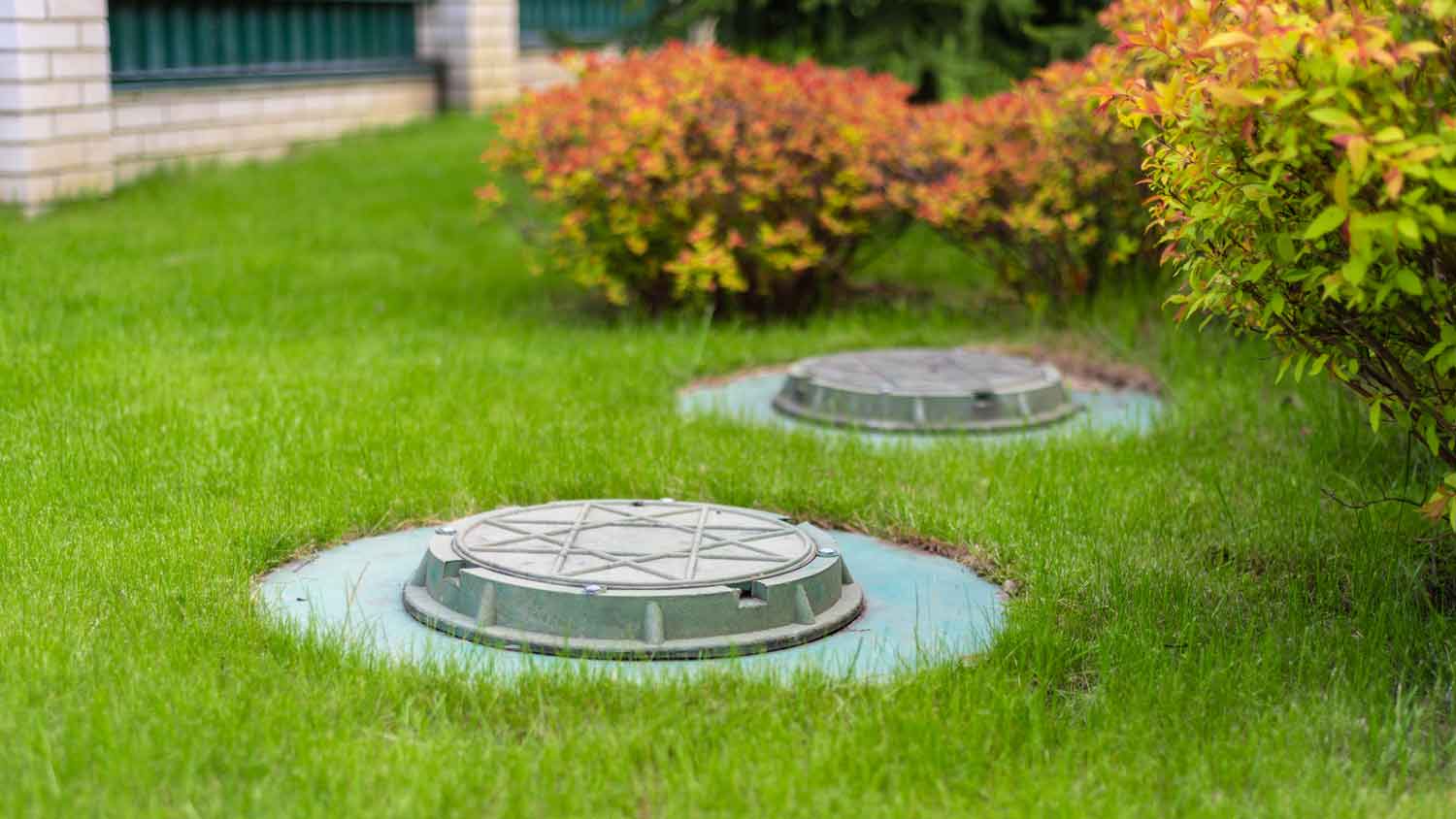
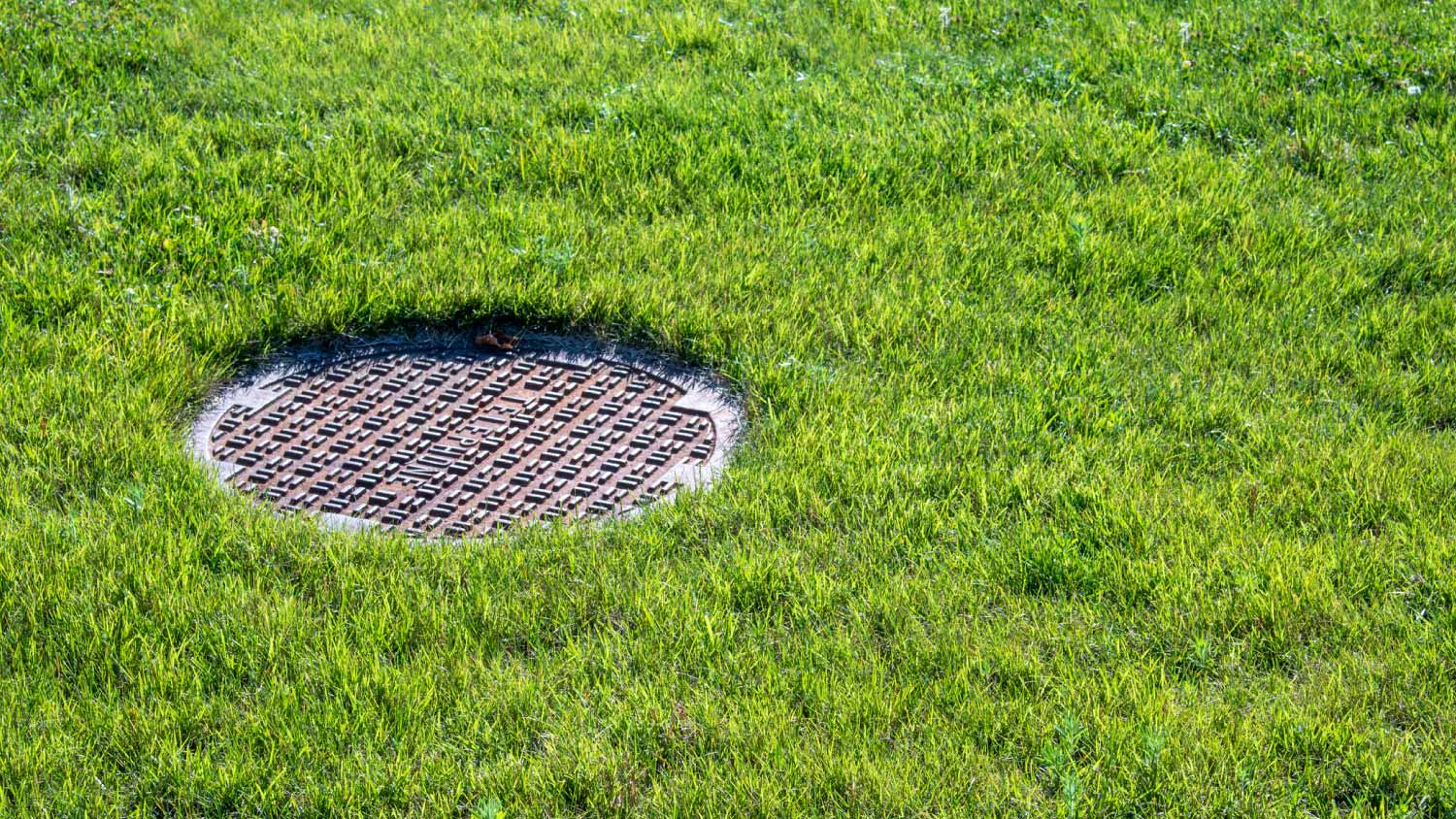
Yes. A metal detector is one of the quickest and easiest ways to find your septic tank. However, metal detectors can be too expensive (costing upward of $300 in some cases), and not everyone has a metal detector just lying around. If that’s the case for you, you can also take a long metal rod and poke it into the ground at regular intervals until you hit something—likely your septic tank lid.

Consider site conditions, soil type, required capacity, and system designs compatible with environmental protection regulations.

The dimensions of a 500-gallon concrete septic tank can vary from manufacturer to manufacturer, but the tank is large enough to handle the wastewater of a small home with up to one bedroom. Keep in mind that some states have a minimum septic tank size, and this often starts at 750 gallons. A 500-gallon septic tank may be too small to meet local regulations.

How deep your septic system needs to be into the ground depends on several factors. In extremely cold environments, the tank needs to rest below the maximum frost line, which can be up to six or eight feet deep. The standard burying depth for most systems is between a few inches and four feet below ground level. Depth can also depend on the slope of the landscaping and other property variables. 

The Start, LA homeowners’ guide to septic tank services

From average costs to expert advice, get all the answers you need to get your job done.