
Top-rated electricians.

Get matched with top electricians in Bastrop, LA

Enter your zip and get matched with up to 5 pros

Need a pro for your electrical service project in Bastrop, LA?

Select your specific project to find the pro for you.

TRUSTED BY BASTROP, LA HOMEOWNERS

  • Average homeowner rating star icon5
    Average homeowner rating
  • Verified reviews icon15
    Verified electrical services reviews

Find Electricians in Bastrop

Avatar for Corrigan, LLC
Corrigan, LLC
4.8(
25
)
Lightning Protection - Install or Repair

Serving Bastrop, LA and surrounding areas

Approved

In business since 1954

Free estimates

Emergency services offered

"John Corrigan and his sons are outstanding! They did outstanding work installing our lighting rods at a reasonable price. They were prompt, very professional and honest. I would call them again and recommend them to anyone."
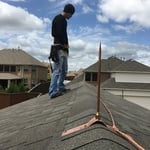
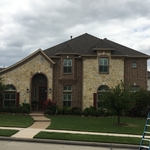
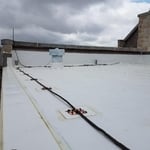
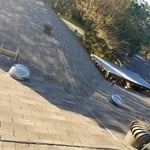
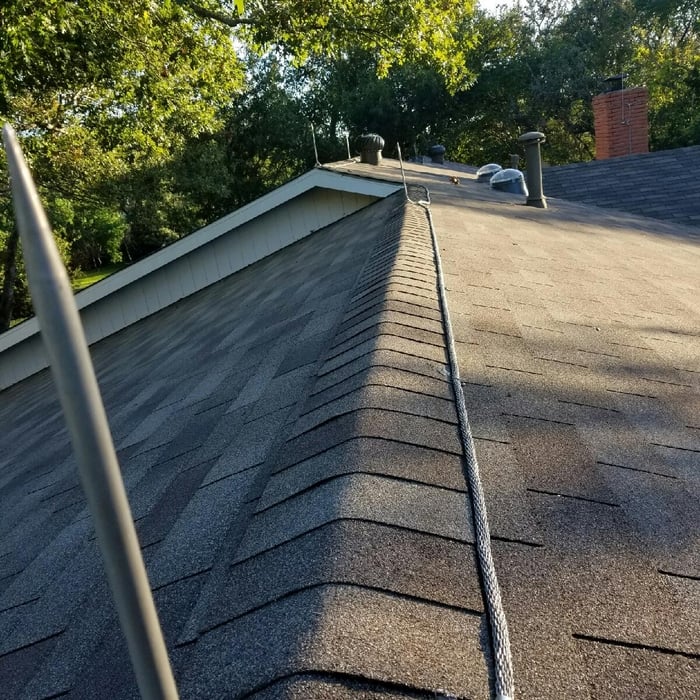
Shingle roof air terminal
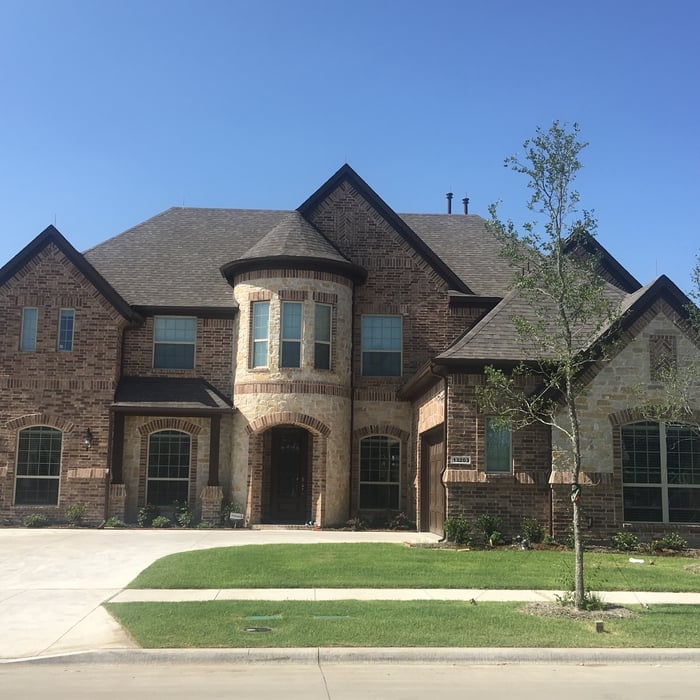
Residential 1
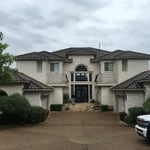
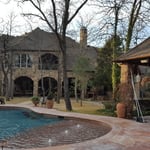
Residential Spanish tile
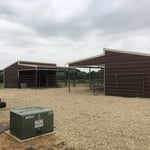
Horse stable
Residential 2

+23

Response time1 day
16 neighbors recently requested a quote
Recommended by100%of homeowners
Avatar for Donohue's Lightning Rods
Donohue's Lightning Rods
4.3(
70
)
Lightning Protection - Install or Repair

Serving Bastrop, LA and surrounding areas

Approved

In business since 1971

Free estimates

Emergency services offered

"We were contacted immediately regarding adding a lightning protection system on our home. Seamus was very thorough and knowledgeable regarding our concerns. He and his crew showed up and were very professional and efficient. We are very pleased with the installation and highly recommend Donahue’s."
Jobs from the last 3 year
Lightning protection

+10

Response time1 day
77 neighbors recently requested a quote
Recommended by96%of homeowners
Avatar for Tri-State Water, Power & Air
Tri-State Water, Power & Air
4.4(
5
)
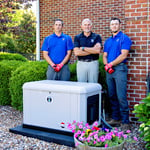
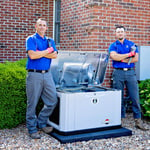
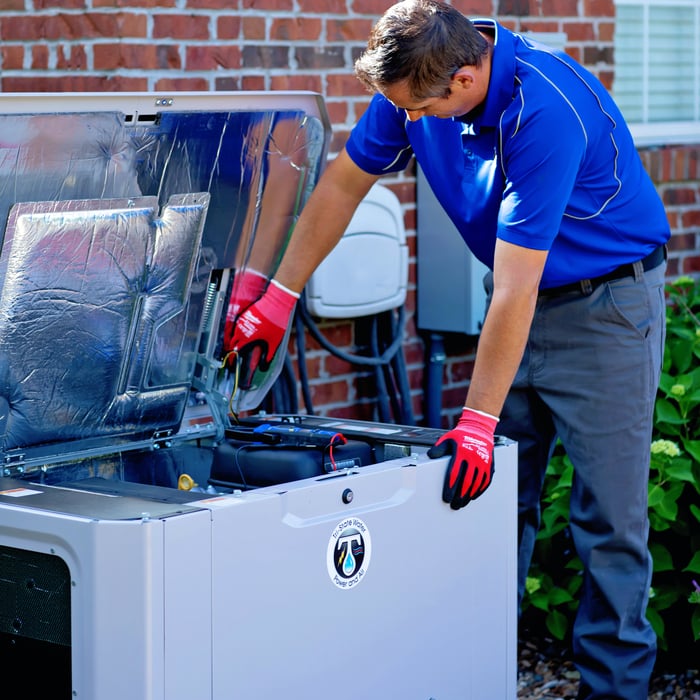
Fixed Generator - InstallGenerator - InstallGenerator - Install - For Business

Serving Bastrop, LA and surrounding areas

Approved (Corporate)

In business since 1992

Free estimates

Emergency services offered

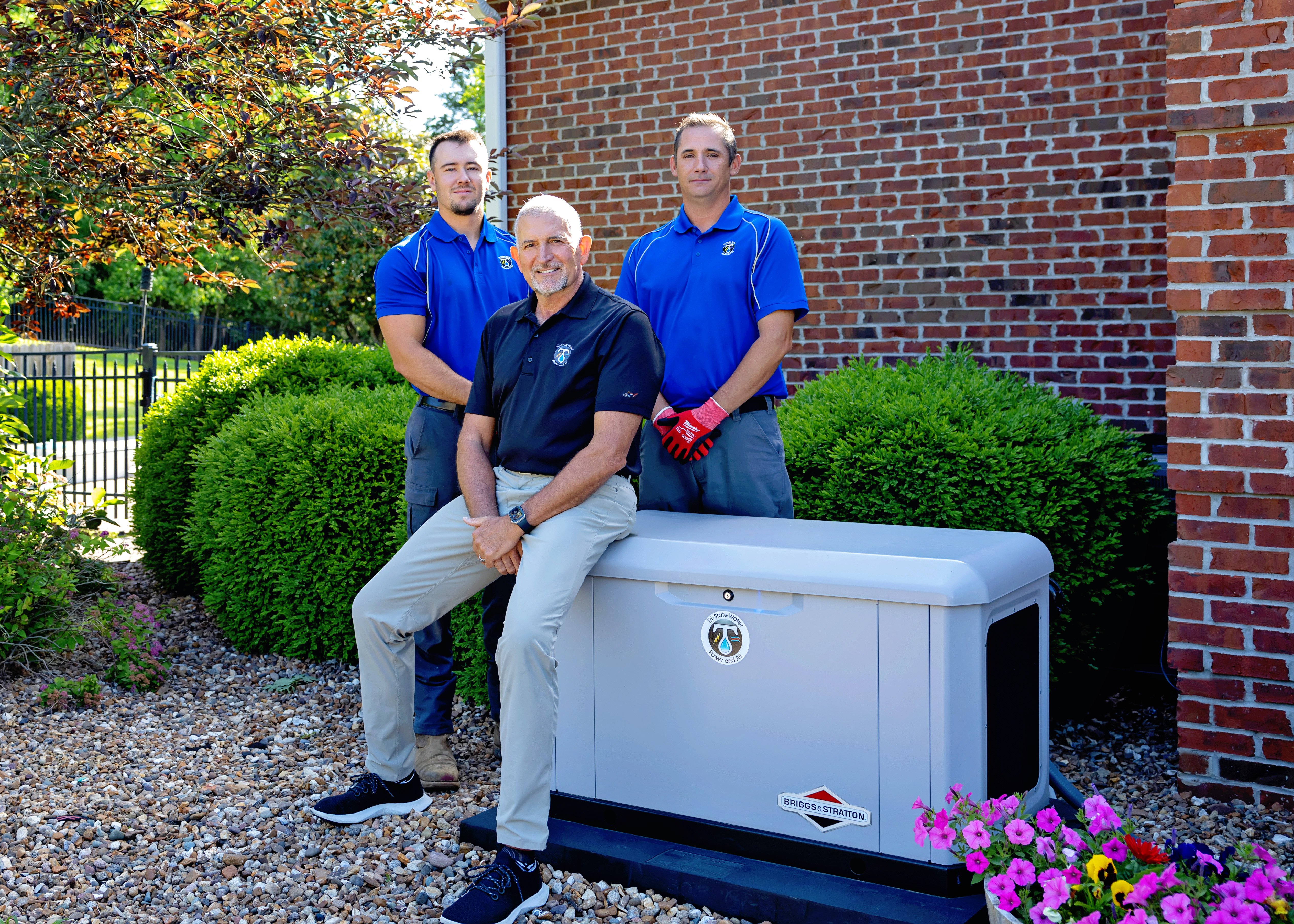
We are the experts in the field of Whole Home Generator Sales and Installation, with over 20 years of experience in the game. We provide turn-key installation by licensed professionals - 24 hour emergency service - Remote Monitoring - Long term maintenance and service by factory trained technicians.

Additional Photos
Additional Photos
Additional Photos
Additional Photos
Additional Photos

+2

123 neighbors recently requested a quote

...
Showing 1-10 of 90
Electrical questions, answered by experts

By nature, two-prong outlets aren't grounded—but the box they run to might be, which makes them safer. The safest way to test if an outlet is grounded is to purchase a circuit tester, which cost about $20 at home improvement stores. 

If you discover your outlet (or outlets) aren't grounded, know that this greatly increases your risk of personal injury and electrical fires. You may want to consider installing new three-prong ground fault circuit interrupter (GFCI) outlets. On average, the cost to install GFCI outlets is about $210 per outlet.

To install an outlet from existing wiring, you’ll need to choose a location where you can already access existing wiring. The easiest way to do this is to install an outlet on the other side of the wall of an existing outlet. 

Since the wiring is already in place, all you have to do is connect a new cable to the existing wiring and then connect the correct wires through the wall—to the new electrical outlet. Place your new outlet into the opening in the wall and then connect the correct wires to the appropriate terminal screws.

The National Electric Code states that outlets should not be spaced more than 12 feet apart, and there should be an outlet placed every 6 feet at the floor line in areas designated as living spaces. Most homes in the United States have 75 outlets, but it will depend on the amount you need based on your home's size and your needs.

The major difference between a GFCI breaker and an AFCI breaker is that a GFCI breaker protects against fatal shocks while an AFCI breaker prevent electrical fires. A GFCI breaker senses when the electrical current to ground is overloaded and trips to prevent major accidents or injuries. AFCI breakers trip when it detects dangerous electrical arcing.

Most standard residential water heaters, which are typically around 40 gallons and use 240 volts and between 3,500 and 5,500 watts, require a 30-amp, two-pole circuit breaker. For smaller, point-of-use water heaters using 120 volts and between 1,500 and 3,000 watts, a 30-amp breaker is also often adequate. However, some models may have different needs; units that use more watts than average may require a 40-amp breaker, while smaller units might only need a 20-amp breaker. Newer, tankless, or more energy-efficient models can also require a higher amperage. Having the correct breaker size is crucial for safe and efficient operation, so it's best to consult a licensed electrician to determine the specific needs of your water heater.

The Bastrop, LA homeowners’ guide to electrical services

From average costs to expert advice, get all the answers you need to get your job done.