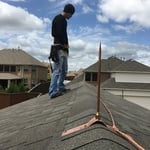
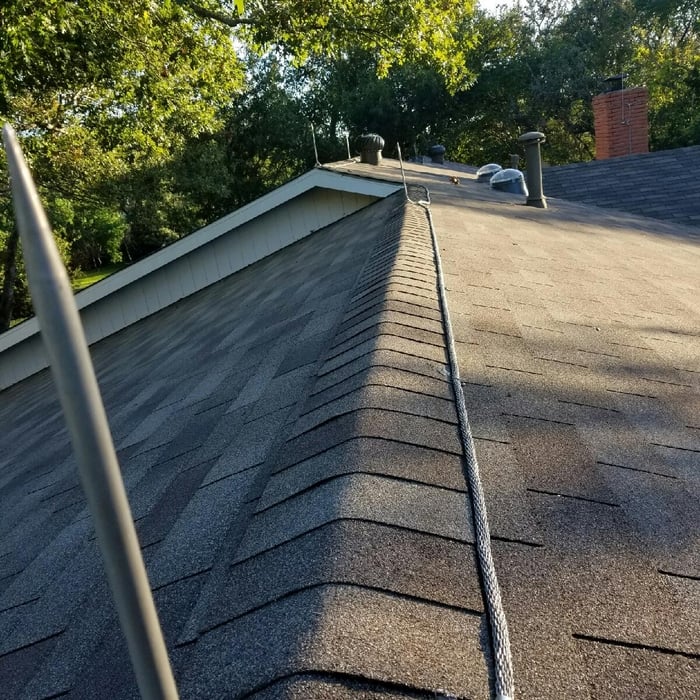
"John Corrigan and his sons are outstanding! They did outstanding work installing our lighting rods at a reasonable price. They were prompt, very professional and honest. I would call them again and recommend them to anyone."
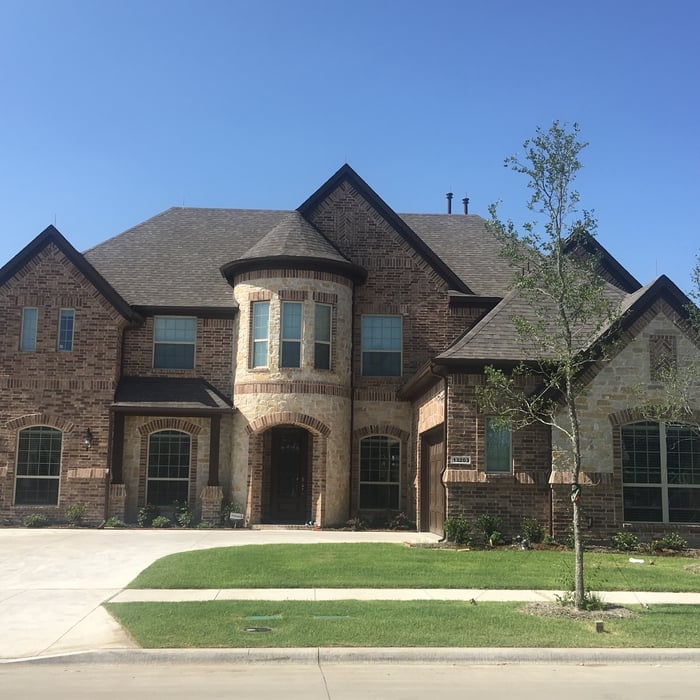
"We were contacted immediately regarding adding a lightning protection system on our home. Seamus was very thorough and knowledgeable regarding our concerns. He and his crew showed up and were very professional and efficient. We are very pleased with the installation and highly recommend Donahue’s."
"The problem turned out to be a burned out small electric door switch. I believe the price was way too expensive for the service performed and the price of the door switch. What more can I say? It got done."
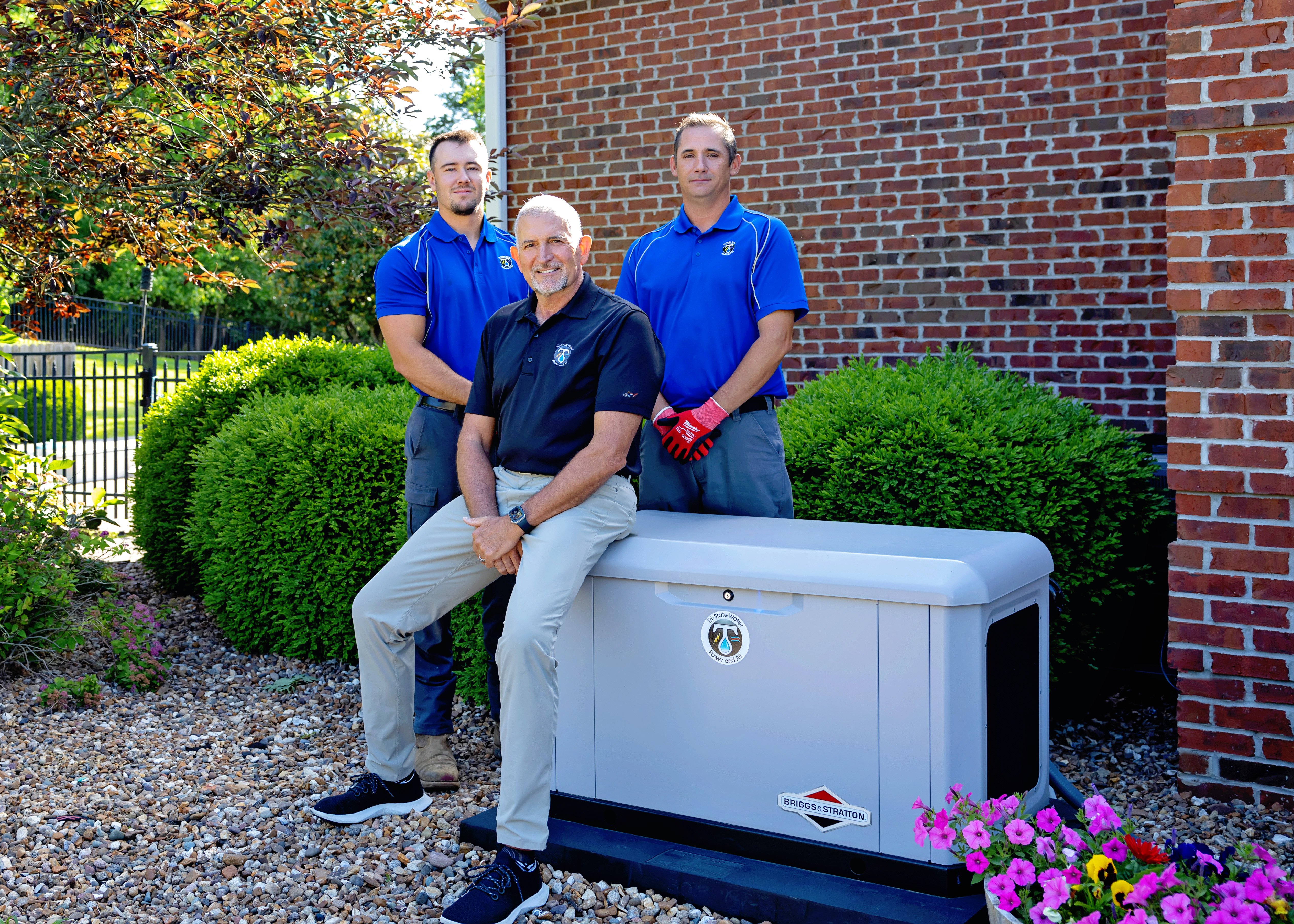
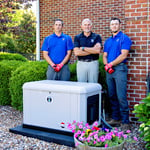
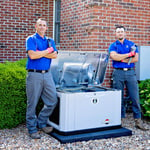
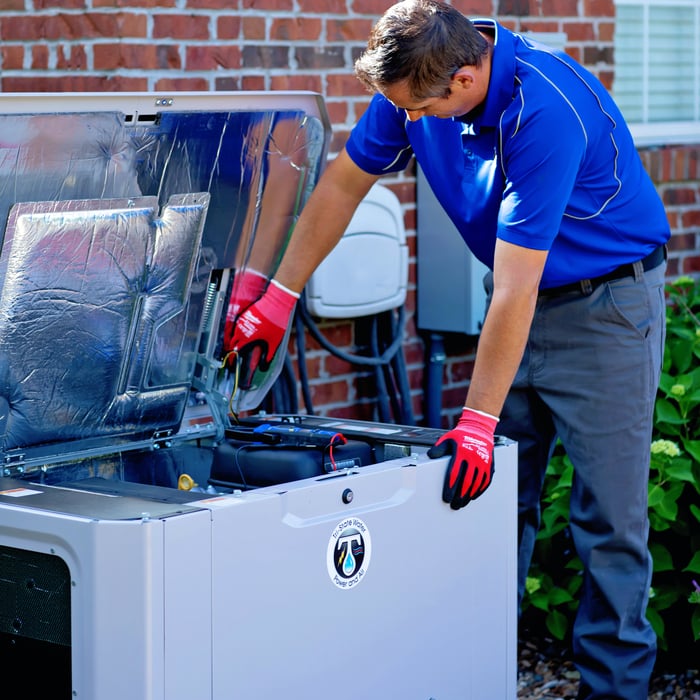
We are the experts in the field of Whole Home Generator Sales and Installation, with over 20 years of experience in the game. We provide turn-key installation by licensed professionals - 24 hour emergency service - Remote Monitoring - Long term maintenance and service by factory trained technicians.
Usually, your house panel is one of the key components that must be replaced when upgrading your amp service. In many cases, you will also need to upgrade your meter base as well as other electrical components.
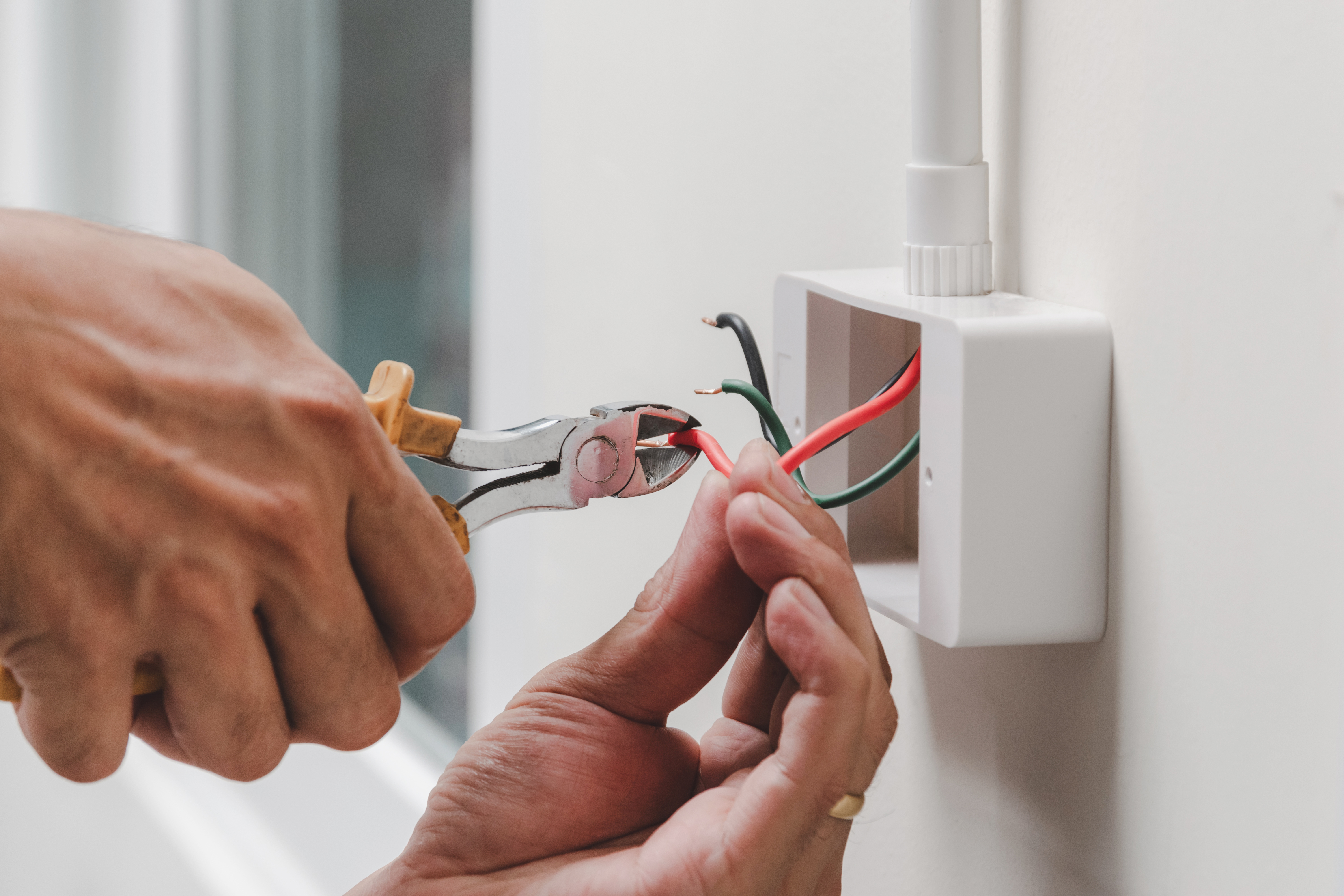
With AC wiring, which is the kind most likely you’ll find at home, the black wire is “hot,” and the white is “neutral.” The bare or green wire is considered the safety ground wire. If you encounter DC wiring, it’s relatively easy to tell positive or negative wires apart. red wires are used to indicate positive voltage and black wires indicate negative voltage.
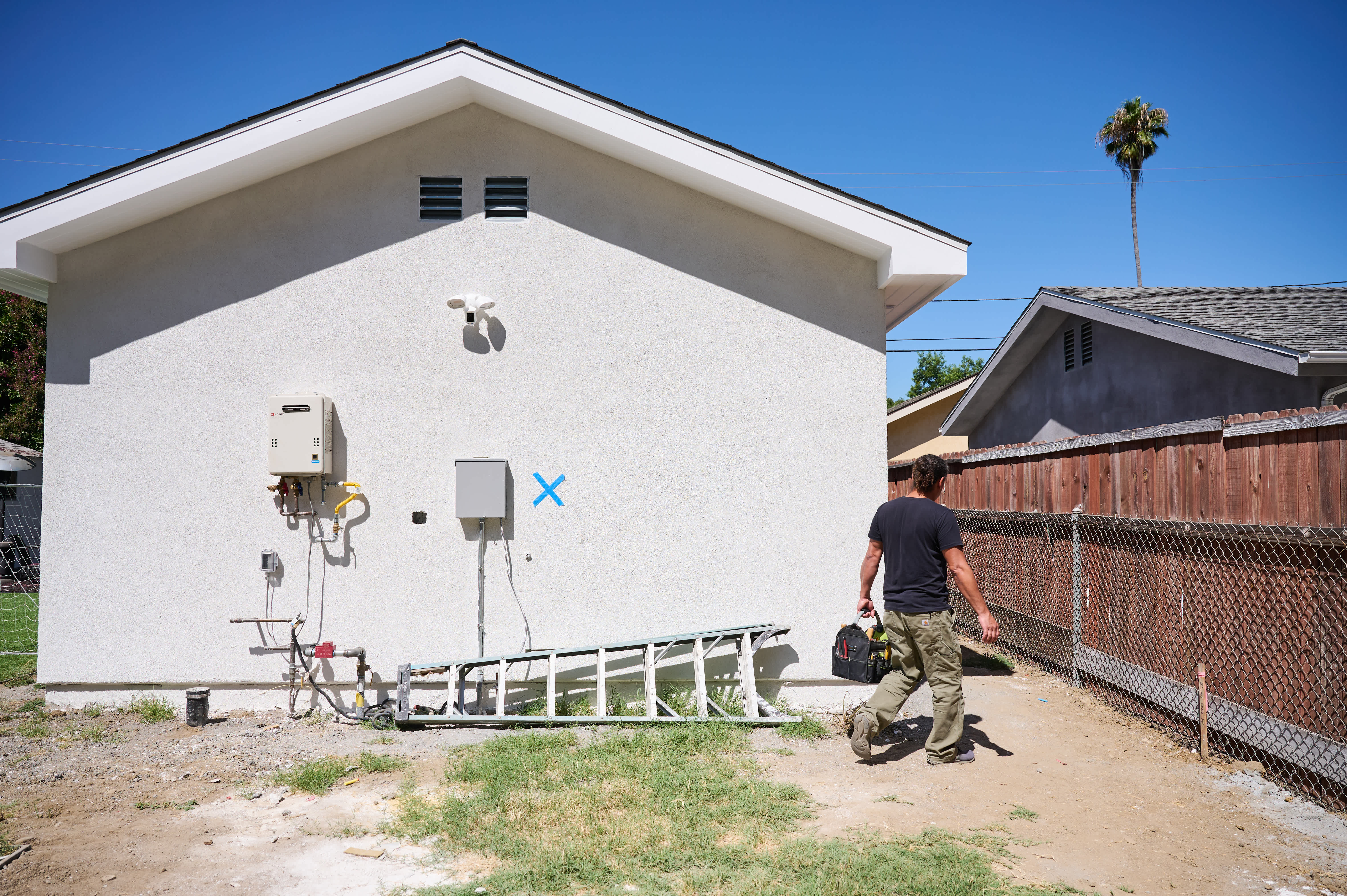
When installing an outdoor outlet, it's important to proceed with caution. Unless you have the necessary training and licensure, it's not recommended to attempt this DIY. First, choose a suitable location. Make sure that the area can accommodate the outlet without overloading the circuit. You'll also need to ensure that your project complies with building codes. Next, turn off the power to the circuit, then install and wire the outlet according to the manufacturer's instructions. Once the outlet is in place, test it. Lastly, be sure to use a cover that will protect it from moisture and other weather-related damage.
Most new homes have coax outlets in every room. A home can require anywhere from one to five outlets based on how many rooms require internet, cable, or satellite access. If you want to mount your TV on a wall as part of a home renovation, consider installing a new outlet to avoid the need for a splitter or long cable that could slow down speeds.
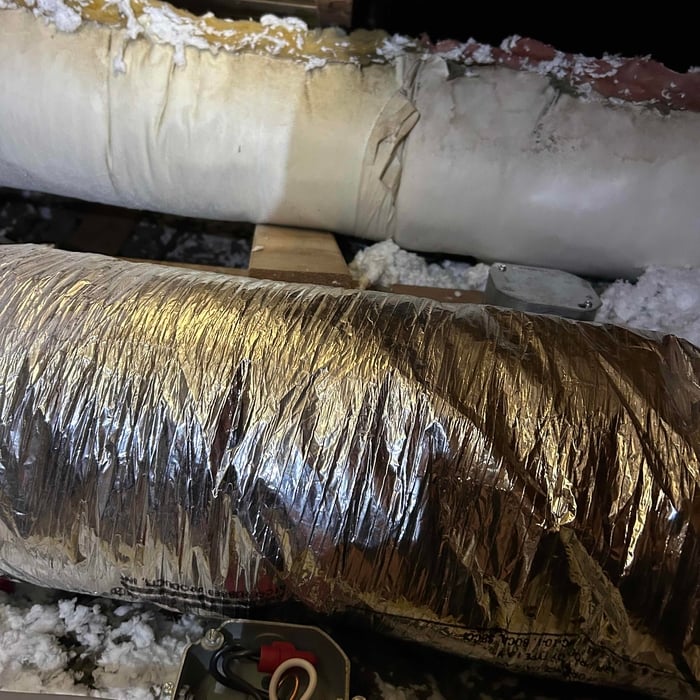
If you’re moving wires, installing new wires, or installing new fixtures in the space you’re insulating, then you will need to hire a licensed electrician to do that portion of the job for you. However, if you just intend on replacing old insulation or adding new insulation over existing insulation, then you don’t need to hire one. Your insulation installer will work around wiring, fixtures, outlets, and switches, even if they’re installing fiberglass batts in the voids where wires run. However, you will need an electrician if you suspect a problem with your wiring during the insulation work.
The Richwood, LA homeowners’ guide to electrical services
From average costs to expert advice, get all the answers you need to get your job done.
Before you hire a licensed electrical contractor, you should learn the cost to run electric from the road to your house so you can budget for the project.
Whether you’re shopping for a new home or simply doing a safety check on your current place, learn what factors influence an electrical inspection cost.
Is it time to upgrade your electrical panel? For the sake of safety, find out sooner than later by exploring our top signs that it’s time for an upgrade.