




Top-rated electricians.

Get matched with top electricians in Farmerville, LA

Enter your zip and get matched with up to 5 pros

Need a pro for your electrical service project in Farmerville, LA?

Select your specific project to find the pro for you.

TRUSTED BY FARMERVILLE, LA HOMEOWNERS

  • Average homeowner rating star icon4.6
    Average homeowner rating
  • Verified reviews icon32
    Verified electrical services reviews

Find Electricians in Farmerville

Avatar for Corrigan, LLC
Corrigan, LLC
4.8(
25
)
Lightning Protection - Install or Repair

Serving Farmerville, LA and surrounding areas

Approved

In business since 1954

Free estimates

Emergency services offered

"John Corrigan and his sons are outstanding! They did outstanding work installing our lighting rods at a reasonable price. They were prompt, very professional and honest. I would call them again and recommend them to anyone."
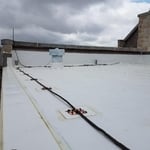
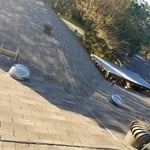
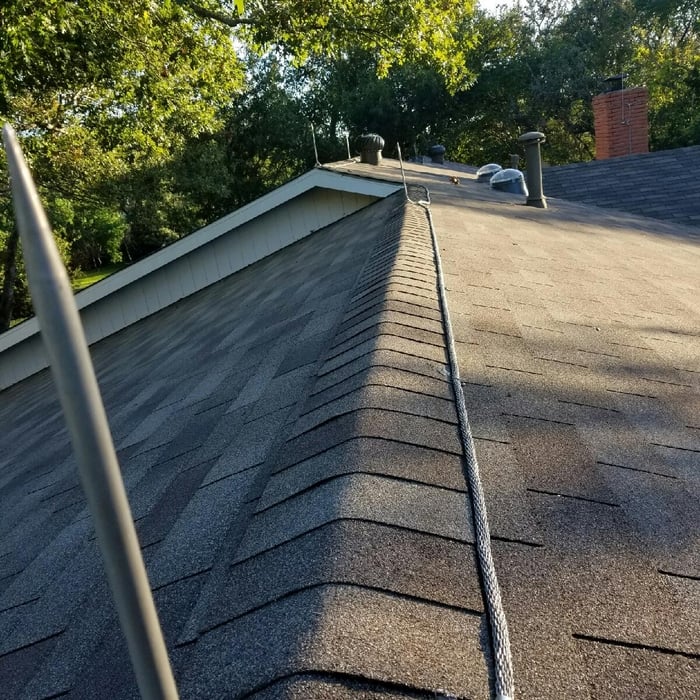
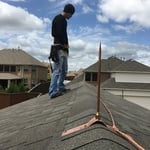
Shingle roof air terminal
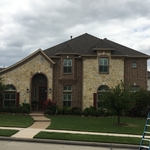
Residential 1
Residential Spanish tile
Horse stable
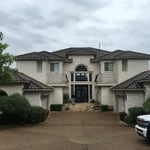
Residential 2

+23

Response time1 day
16 neighbors recently requested a quote
Recommended by100%of homeowners
Avatar for Donohue's Lightning Rods
Donohue's Lightning Rods
4.3(
70
)
Lightning Protection - Install or Repair

Serving Farmerville, LA and surrounding areas

Approved

In business since 1971

Free estimates

Emergency services offered

"We were contacted immediately regarding adding a lightning protection system on our home. Seamus was very thorough and knowledgeable regarding our concerns. He and his crew showed up and were very professional and efficient. We are very pleased with the installation and highly recommend Donahue’s."
Jobs from the last 3 year
Lightning protection

+10

Response time1 day
95 neighbors recently requested a quote
Recommended by96%of homeowners
Avatar for Tri-State Water, Power & Air
Tri-State Water, Power & Air
4.4(
5
)
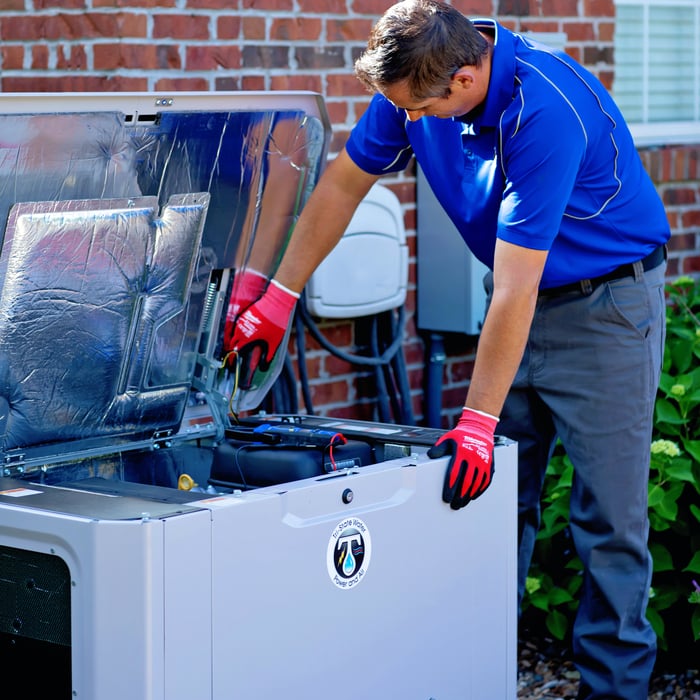
Fixed Generator - InstallGenerator - InstallGenerator - Install - For Business

Serving Farmerville, LA and surrounding areas

Approved (Corporate)

In business since 1992

Free estimates

Emergency services offered

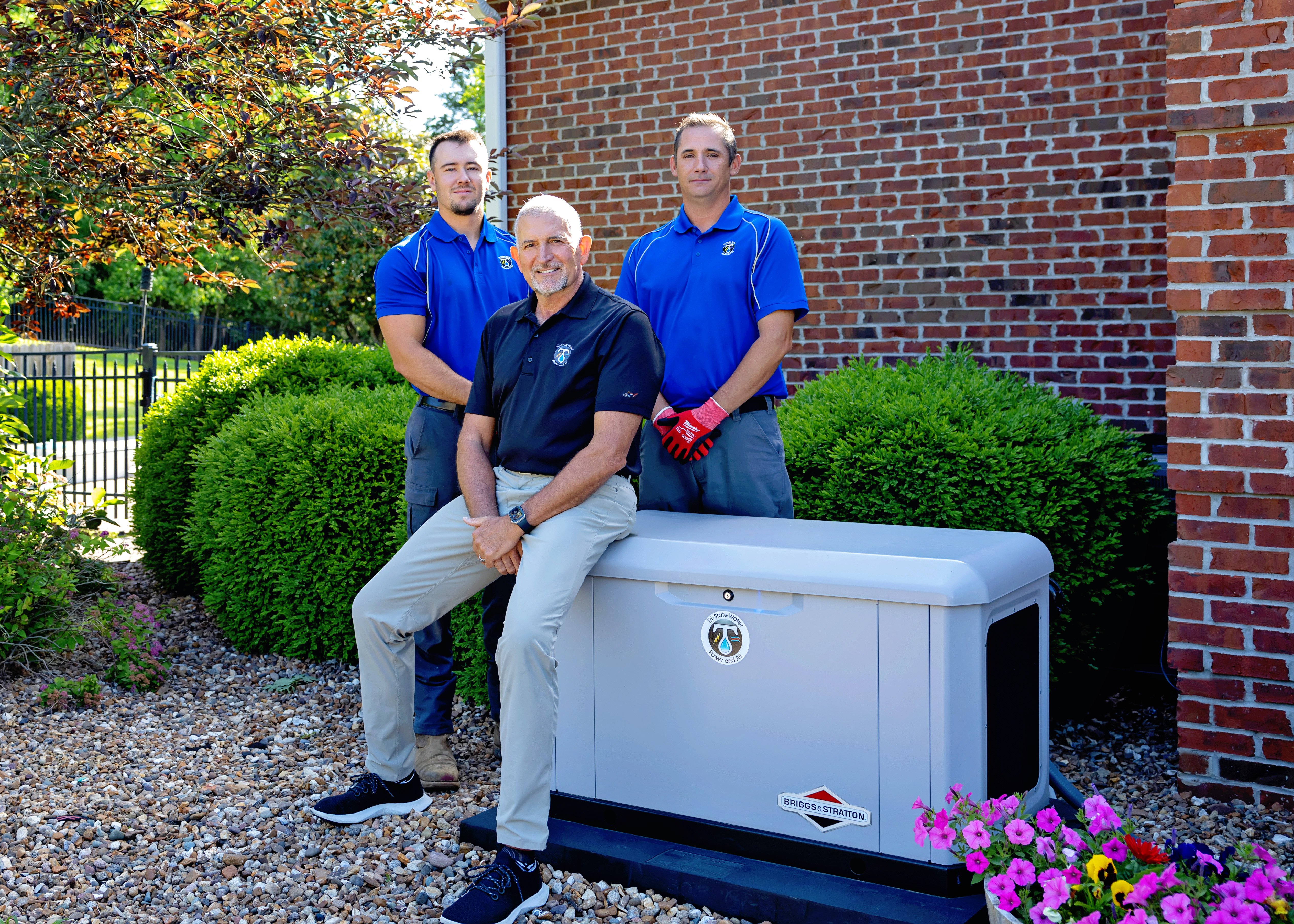
We are the experts in the field of Whole Home Generator Sales and Installation, with over 20 years of experience in the game. We provide turn-key installation by licensed professionals - 24 hour emergency service - Remote Monitoring - Long term maintenance and service by factory trained technicians.

Additional Photos
Additional Photos
Additional Photos
Additional Photos
Additional Photos

+2

112 neighbors recently requested a quote
...
Showing 1-10 of 112
Electrical questions, answered by experts

Smart glass doesn’t use a lot of electricity, and you can expect a standard window to add between $1 and $2 per year to your electric bills. Smart glass is proof that energy-efficient windows work. Although your smart windows may consume a little energy to operate, they can save enough energy to offset the costs. If you’re concerned about the minimal bump to your electricity consumption, you can opt for smart tint, which doesn’t require electricity to work.

You can use both LED and incandescent bulbs in an incandescent fixture as long as the bulb base is the right size. Never use a higher wattage than what the fixture recommends. However, it’s usually safe when transitioning to LED bulbs because they typically have a lower wattage than their incandescent counterparts.

Different types of light switches include single-pole switches (the standard switch in your home), double-pole switches, toggle switches, three-way switches, four-way switches, dimmer switches, and more. 

A single-pole light switch controls the power to a single device, whereas two-way, three-way, and four-way light switches control lights from different locations, increasing the number of connections in the home.

The American Wire Gauge system calculates wire size diameters using the complicated formula D(AWG)=.005·92((36-AWG)/39) inch. A simpler rule of thumb is that every six-gauge decrease doubles the wire diameter, and every three-gauge decrease doubles the wire’s cross-sectional area. On the other hand, wavenumbers are typically measured in reciprocal meters (1/m or m−1) or reciprocal centimeters (1/cm or cm−1).

The Occupational Safety and Home Administration (OSHA) requires an electrical panel to have a minimum of three feet (36 inches) of room from the front of the panel to the closest obstacle. In this case, the word obstacle refers to nearly everything, including walls, machines, and other fixed objects. Additionally, panels require at least 6½ feet of headroom in the area directly in front of the fixture. These requirements help ensure safe use of the panel and allow electricians plenty of room to work.

The Farmerville, LA homeowners’ guide to electrical services

From average costs to expert advice, get all the answers you need to get your job done.