



Top-rated electricians.

Best electricians near Taylor Mill, KY

Enter your zip and get matched with up to 5 pros

Need a pro for your electrical service project in Taylor Mill, KY?

Select your specific project to find the pro for you.

TRUSTED BY TAYLOR MILL, KY HOMEOWNERS

  • Average homeowner rating star icon4.8
    Average homeowner rating
  • Verified reviews icon570
    Verified electrical services reviews

Top-Rated Electricians in Taylor Mill - Updated Nov 2026

Dorgan Electric
4.3(
13
)
Electric Vehicle Charging Station Installation - Materials Not ProvidedElectrical Switches, Outlets & Fixtures - Install or RepairElectrical Wiring or Panel Upgrade+1 more

Serving Taylor Mill, KY and surrounding areas

Approved

In business since 2007

Free estimates

Emergency services offered

"Mike and his son did an excellent job wiring our above ground pool and heat pump. His communication, workmanship and professionalism is top notch. We were ghosted and ignored by two other companies so it was a breath of fresh air working with Mike. If I have anymore electrical needs I know who I’m calling."
Response time5 hrs
Response rate96%
Recommended by27%of homeowners
...
Showing 1-10 of 228
Electrical FAQs, answered by experts

Short circuits can cause significant damage to electrical appliances, bodily harm, and potentially death to humans. For this reason, they are a serious occurrence. If you’re unable to find and fix a short circuit on your own, you must reach out to a licensed electrician for help.

It's possible to get power from an outlet for a light switch. However, you must install additional wiring to get current from the outlet to the switch and from the switch to the load it will control. Also, you must ensure that the outlet's electrical circuit can accommodate the additional demand. 
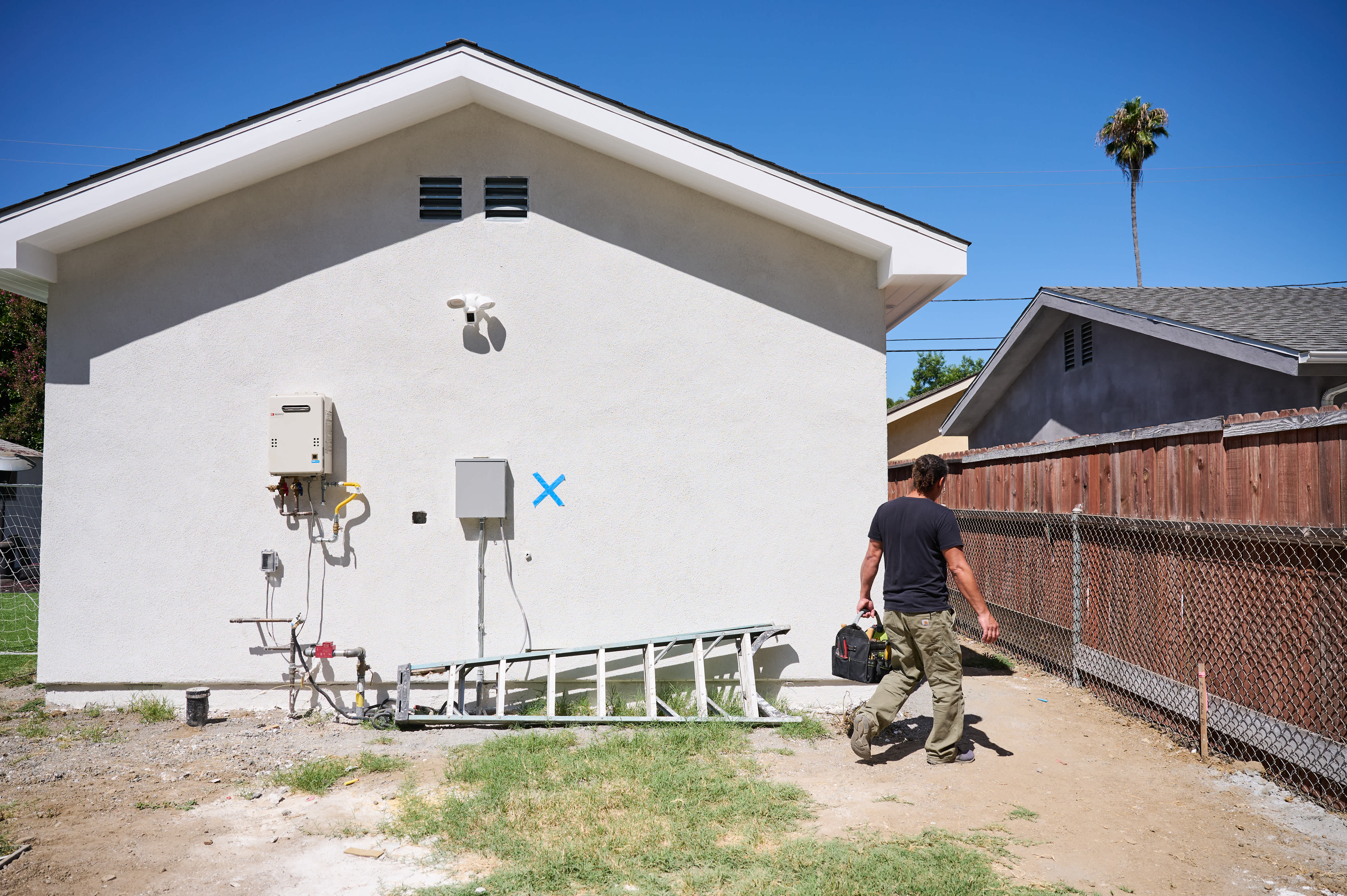
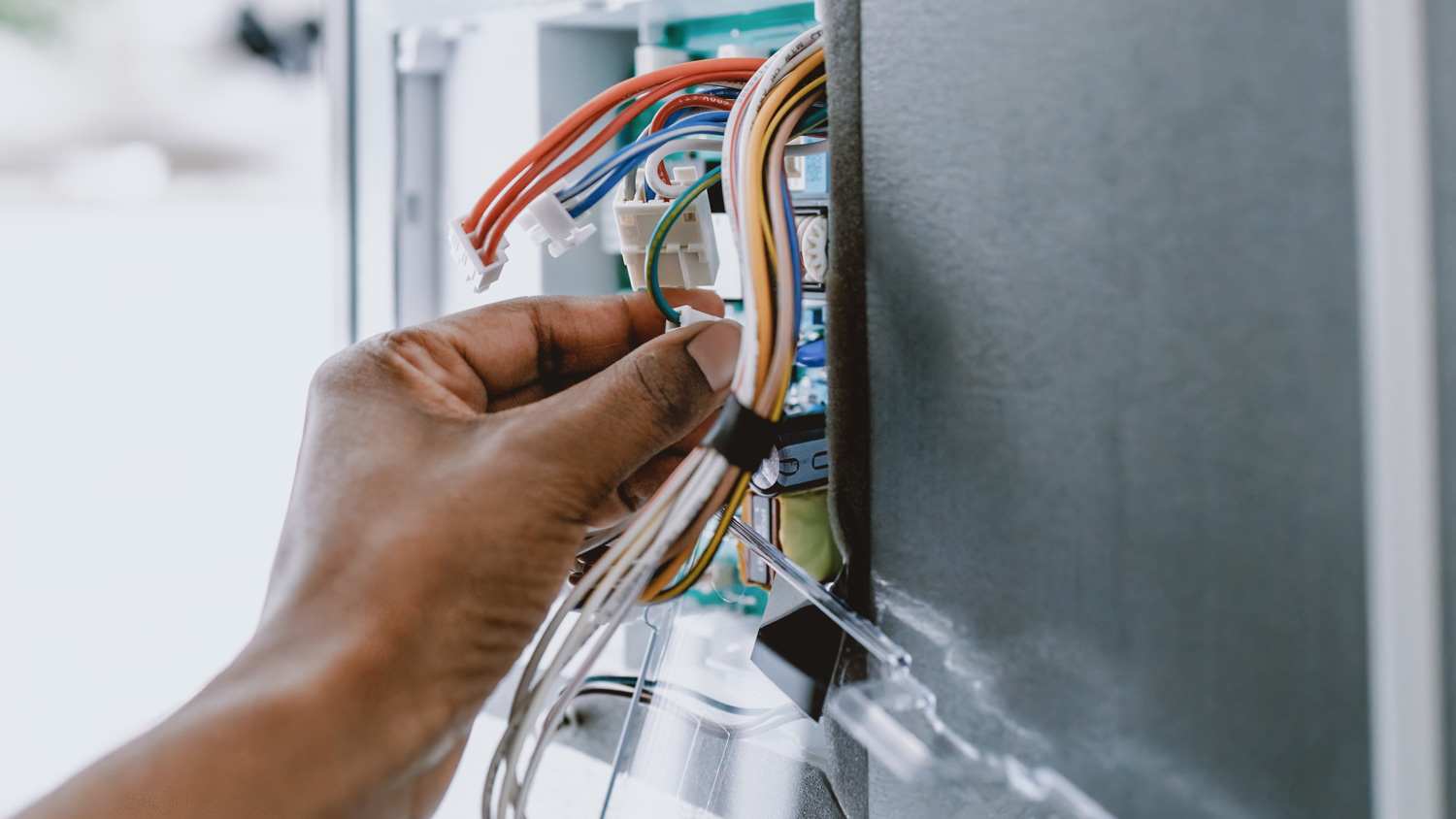
The number of outlets and lights you can safely run on a single circuit depends on the circuit's amperage and local electrical codes. A general rule is to allow one outlet or light fixture per 1.5 amps, keeping the total load under 80% of the circuit breaker's capacity. For example, a 15-amp circuit can typically support up to eight outlets or lights, while a 20-amp circuit can accommodate up to ten. Always consider the combined power usage of all connected devices and fixtures to prevent overloading. For specific guidelines and to ensure safety, it is best to consult local electrical codes or a licensed electrician.

How far you can run underground electric depends on the wire gauge (generally AWG) and the circuit voltage. Too much voltage drop in an electrical circuit can negatively affect performance, so the smaller the voltage drop, the better. Ideally, it shouldn't exceed 3%. The smaller the wire and the longer the run, the more significant the voltage drop. 

For example, with a 120-volt circuit, you can run 60 feet of 12 AWG cable without losing more than 3% voltage. With a 240-volt circuit, you can run 120 feet of 12 AWG wire while maintaining a voltage drop of 3% or less.

Moving an electrical meter in your home depends on what your electric utility company allows. If you only want to move it a few inches, that may be no problem or only incur light fees. If you want to move it a significant distance, you may need to arrange a utility inspection and get permission, or your utility company may prevent it altogether.

The Taylor Mill, KY homeowners’ guide to electrical services

From average costs to expert advice, get all the answers you need to get your job done.