


Top-rated electricians.

Best electricians near Highland Heights, KY

Enter your zip and get matched with up to 5 pros

Need a pro for your electrical service project in Highland Heights, KY?

Select your specific project to find the pro for you.

TRUSTED BY HIGHLAND HEIGHTS, KY HOMEOWNERS

  • Average homeowner rating star icon4.7
    Average homeowner rating
  • Verified reviews icon242
    Verified electrical services reviews

Top-Rated Electricians in Highland Heights - Updated Nov 2026

Dorgan Electric
4.3(
13
)
Electric Vehicle Charging Station Installation - Materials Not ProvidedElectrical Switches, Outlets & Fixtures - Install or RepairElectrical Wiring or Panel Upgrade+1 more

Serving Highland Heights, KY and surrounding areas

Approved

In business since 2007

Free estimates

Emergency services offered

"Mike and his son did an excellent job wiring our above ground pool and heat pump. His communication, workmanship and professionalism is top notch. We were ghosted and ignored by two other companies so it was a breath of fresh air working with Mike. If I have anymore electrical needs I know who I’m calling."
Response time5 hrs
Response rate96%
Recommended by27%of homeowners
Avatar for Hamilton LP Lightning Rods
Hamilton LP Lightning Rods
5.0(
11
)
Lightning Protection - Install or Repair

Serving Highland Heights, KY and surrounding areas

Approved

In business since 1964

Free estimates

Offers commercial services

"Customer service was outstanding, from initial estimate to completion of project everything was done to the highest level of quality and courtesy. I'm thankful to have hired Hamilton Lightning Protection to keep my family safe from the threats of lightning."
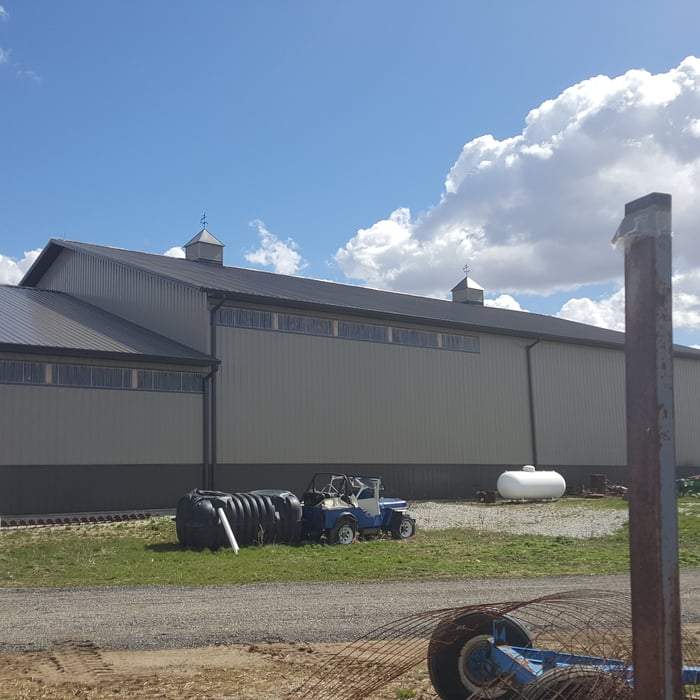
Chimney rod and conductor cable
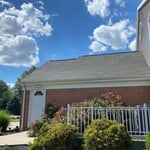
Front of home,system is barely noticeable
Hiding the cables best we can
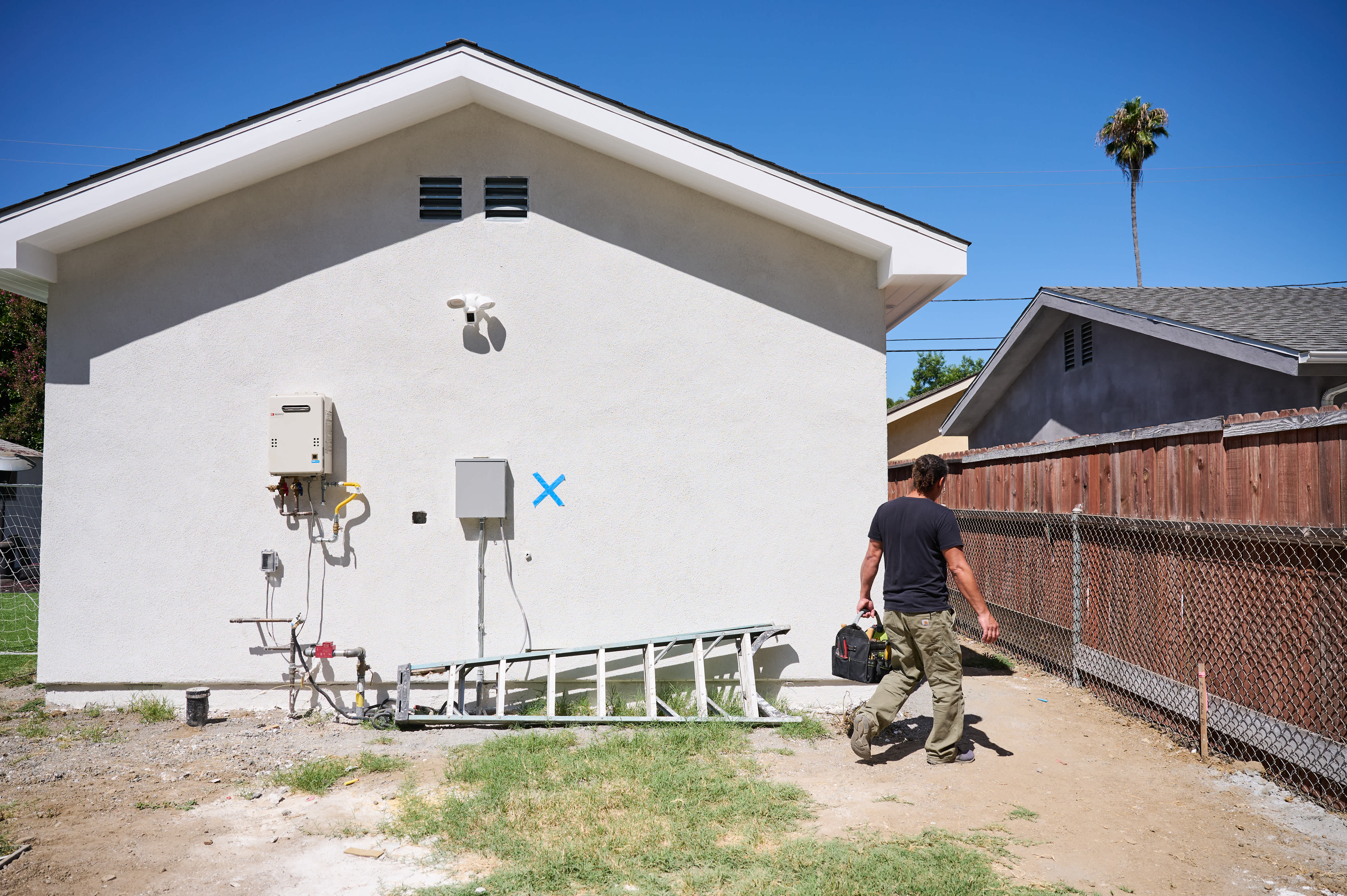
Rear of home
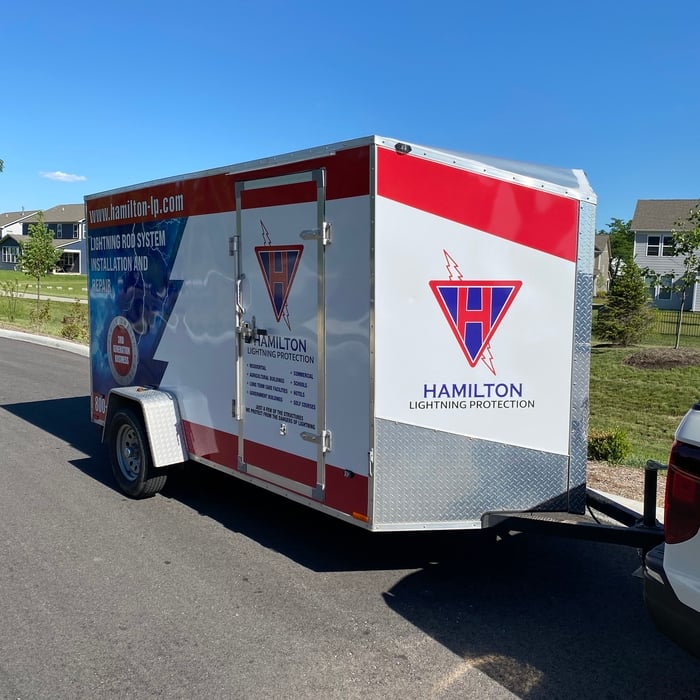
Work trailer

+4

Response time1 day
25 neighbors recently requested a quote
Recommended by100%of homeowners
...
Showing 1-10 of 227
Electrical FAQs, answered by experts

You can determine what size generator you need for a transfer switch by matching the switch to the largest outlet on your generator. Larger generators can power up to 10 circuits, while most 5,000-watt generators can provide power to six circuits. So, if your generator’s largest outlet is 30 amps, you’ll need a 30-amp transfer switch.

You may not always need to hire a local electrician to install a doorbell camera. Wireless doorbell cameras, for instance, are simple enough for the average homeowner to install. They easily attach to your threshold and run on batteries, so no wiring is necessary.

However, wired doorbells with cameras likely require electrical work that should only be attempted by licensed electricians. You’ll need to call a pro if you’re working with a wired doorbell camera.

You should hire a licensed electrician who is insured to perform any electrical work on your home, including lighting installation. States have different requirements for licensing and certifying electricians, so use Angi’s state licensing tool to review local guidelines.
Here are a few questions to ask electricians before hiring:
  • How many years of electrical experience do you have?

  • Are you licensed, bonded, and insured?

  • Do you work with subcontractors?

  • Do you provide a guarantee or warranty on your work?

  • What is the timeline for completion?

  • How do you handle change orders?

  • Can you provide at least three customer references?

Window AC units use a fair amount of electricity, but significantly less than central AC systems. Because they are more energy-efficient for cooling individual rooms or small spaces, their usage is comparatively low. On average, a window AC unit consumes between 500 and 1,400 watts, while a central AC system uses over 3,500 watts—meaning a window unit uses about one-third of the energy. This typically translates to a monthly running cost of $15 to $40, although this can vary depending on external factors.

Most standard residential water heaters, which are typically around 40 gallons and use 240 volts and between 3,500 and 5,500 watts, require a 30-amp, two-pole circuit breaker. For smaller, point-of-use water heaters using 120 volts and between 1,500 and 3,000 watts, a 30-amp breaker is also often adequate. However, some models may have different needs; units that use more watts than average may require a 40-amp breaker, while smaller units might only need a 20-amp breaker. Newer, tankless, or more energy-efficient models can also require a higher amperage. Having the correct breaker size is crucial for safe and efficient operation, so it's best to consult a licensed electrician to determine the specific needs of your water heater.

The Highland Heights, KY homeowners’ guide to electrical services

From average costs to expert advice, get all the answers you need to get your job done.