


Top-rated electricians.

Get matched with top electricians in Lakeside Park, KY

Enter your zip and get matched with up to 5 pros

Need a pro for your electrical service project in Lakeside Park, KY?

Select your specific project to find the pro for you.

TRUSTED BY LAKESIDE PARK, KY HOMEOWNERS

  • Average homeowner rating star icon4.7
    Average homeowner rating
  • Verified reviews icon433
    Verified electrical services reviews

Find Electricians in Lakeside Park

Avatar for ElectricMasters
ElectricMasters
4.6(
65
)
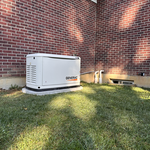
Fixed Generator - InstallElectrical Wiring or Panel UpgradeElectric Vehicle Charging Station Installation - Materials Not Provided+21 more

Serving Lakeside Park, KY and surrounding areas

Approved

Super Service Award Winner

In business since 1992

Free estimates

Emergency services offered

"Really nice and serviced same day as quote. Even took the time show us how the electrical wiring was set up in our older home so we know how to handle the issue ourselves the next time we want to change out light/fan fixtures. Not many companies would be willing to do that anymore!"
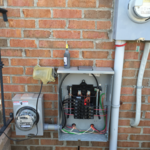
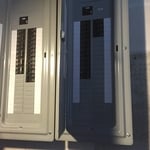
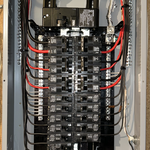
A win for the owners of this panel change.
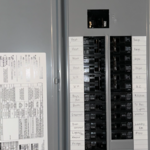
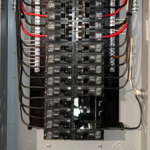
Ready to label and get inspected
This is guaranteed to provide adequate electric needed to provide heating and cooling on demand.
Panels are installed and look great.
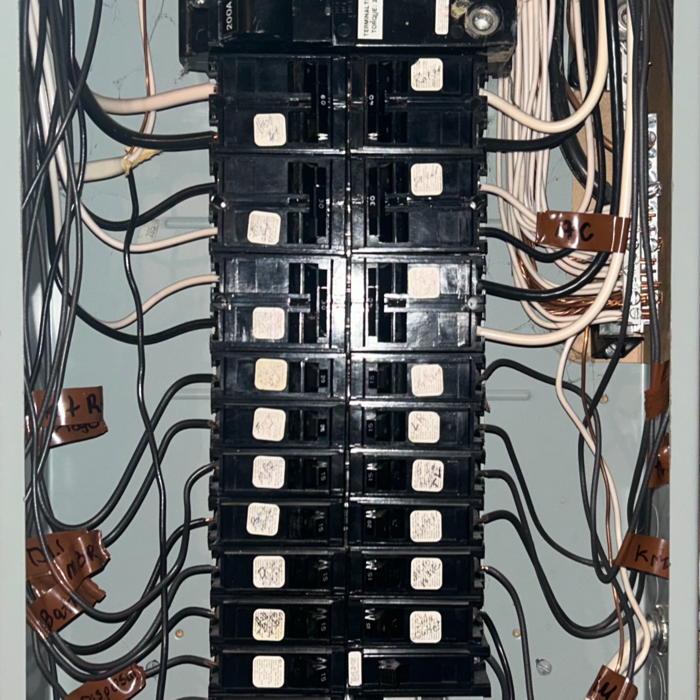
Without yearly inspections of your electrical services in your home this could happen to you. This is the panel that failed and we upgraded.

+19

Response time1 day
Response rate100%
27 neighbors recently requested a quote
Avatar for Mid America Lightning Protection
Mid America Lightning Protection
4.5(
99
)
Lightning Protection - Install or Repair

Serving Lakeside Park, KY and surrounding areas

Approved

In business since 1969

Free estimates

Emergency services offered

"I was pleased with the installation of the lightning rods--communication was great and the work was done quickly. What I wasn't happy with is he quoted me a price that was less then my actual bill was BUT the price was still less then two other contractors bids."
Indianapolis
Trucking company
Indianapolis
Indiana Illinois
Indiana Illinois

+70

Response time6 hrs
Response rate94%
Recommended by92%of homeowners
...
Showing 1-10 of 223
Electrical questions, answered by experts

Yes, you can run an above-ground electrical conduit and stay within National Electrical Code safety guidelines. Just make sure you check the code requirements of your project with the local building regulations office. You should work with a local electrician to complete this type of project due to the personal safety hazards.

The safest way to pull an electrical cord from the wall outlet is by gently but firmly grabbing the plug and pulling it out. Pulling on the cord instead of the plug can cause damage to the cord, leading to an increased risk of electrical problems like fire or electric shock. If you notice damaged wiring on an appliance or device, it’s best to stop using it immediately.

Yes. You should always turn off the power to the work area before beginning, use a voltage tester to ensure it’s off, and wear protective gear, such as insulated gloves or safety glasses, to prevent risk of injury. Proper wiring and grounding techniques are also necessary to make sure the job is done right the first time and won’t harm any future homeowners. 

The key difference between a circuit breaker versus a surge protector is that circuit breakers shield your entire electrical system from overcurrents and faults, while surge protectors defend your electronic devices against voltage surges and spikes. A circuit breaker interrupts the flow of electricity in a circuit when it detects an overload or short circuit, protecting the wiring from damage and preventing fires. In contrast, a surge protector shields electronic devices from voltage spikes, such as those caused by lightning strikes or power surges, preventing damage to the device’s inner mechanics.

Most standard residential water heaters, which are typically around 40 gallons and use 240 volts and between 3,500 and 5,500 watts, require a 30-amp, two-pole circuit breaker. For smaller, point-of-use water heaters using 120 volts and between 1,500 and 3,000 watts, a 30-amp breaker is also often adequate. However, some models may have different needs; units that use more watts than average may require a 40-amp breaker, while smaller units might only need a 20-amp breaker. Newer, tankless, or more energy-efficient models can also require a higher amperage. Having the correct breaker size is crucial for safe and efficient operation, so it's best to consult a licensed electrician to determine the specific needs of your water heater.

The Lakeside Park, KY homeowners’ guide to electrical services

From average costs to expert advice, get all the answers you need to get your job done.