


Top-rated electricians.

Get matched with top electricians in Lynwood, IL

Enter your zip and get matched with up to 5 pros

TRUSTED BY LYNWOOD, IL HOMEOWNERS

  • Average homeowner rating star icon4.5
    Average homeowner rating
  • Verified reviews icon703
    Verified electrical services reviews

Find Electricians in Lynwood

Avatar for Imperial electric
Imperial electric
5.0(
18
)
Electrical Switches, Outlets & Fixtures - Install or RepairElectric Vehicle Charging Station Installation - Materials Not ProvidedCeiling Fan - Install+8 more

Serving Lynwood, IL and surrounding areas

Approved

Free estimates

Emergency services offered

Warranties offered

"Danny was professional Took the time to answer all my questions and explained the work he was doing Hiring him I was able to save some money He kept to what he quoted me over the phone He was friendly and easy to talk too. I would definitely recommend imperial electric and Danny for any electrical job"
91 neighbors recently requested a quote
Avatar for Distinctive Electrical
Distinctive Electrical
4.8(
24
)
Electric Vehicle Charging Station Installation - Materials Not ProvidedElectric Vehicle Charging Station Installation - Materials Provided by Consumer

Serving Lynwood, IL and surrounding areas

Approved

In business since 2006

Free estimates

Emergency services offered

"Dave was willing to work with my limited availability. He created route from my electrical panel to the garage that was most direct and efficient, saving me money on the cost of supplies. I have already spoken to him about another project I need an electrician for."
Response time1 day
16 neighbors recently requested a quote
Recommended by81%of homeowners
Avatar for M.T. Kelley Electric LLC
M.T. Kelley Electric LLC
5.0(
4
)
Exterior Building Lighting - Repair - For BusinessGenerator - Install - For BusinessElectric Vehicle Charging Station Installation - For Business - Materials Not Provided+5 more

Serving Lynwood, IL and surrounding areas

Approved

In business since 1994

Warranties offered

Credit card accepted

"We have worked with Vince Kelley and his crew on multiple projects, both residential and commercial. We are so pleased with their work, we now use them exclusively. Pricing is always fair, work is completed correctly and in a timely fashion, and there are never any surprise charges at the end! As an owner/operator, Vince is always available for any questions that may arise, and he returns calls promptly. We highly recommend M.T. Kelley Electric."
Response time8 hrs
Response rate99%
2 neighbors recently requested a quote
...
Showing 1-10 of 663
Electrical questions, answered by experts

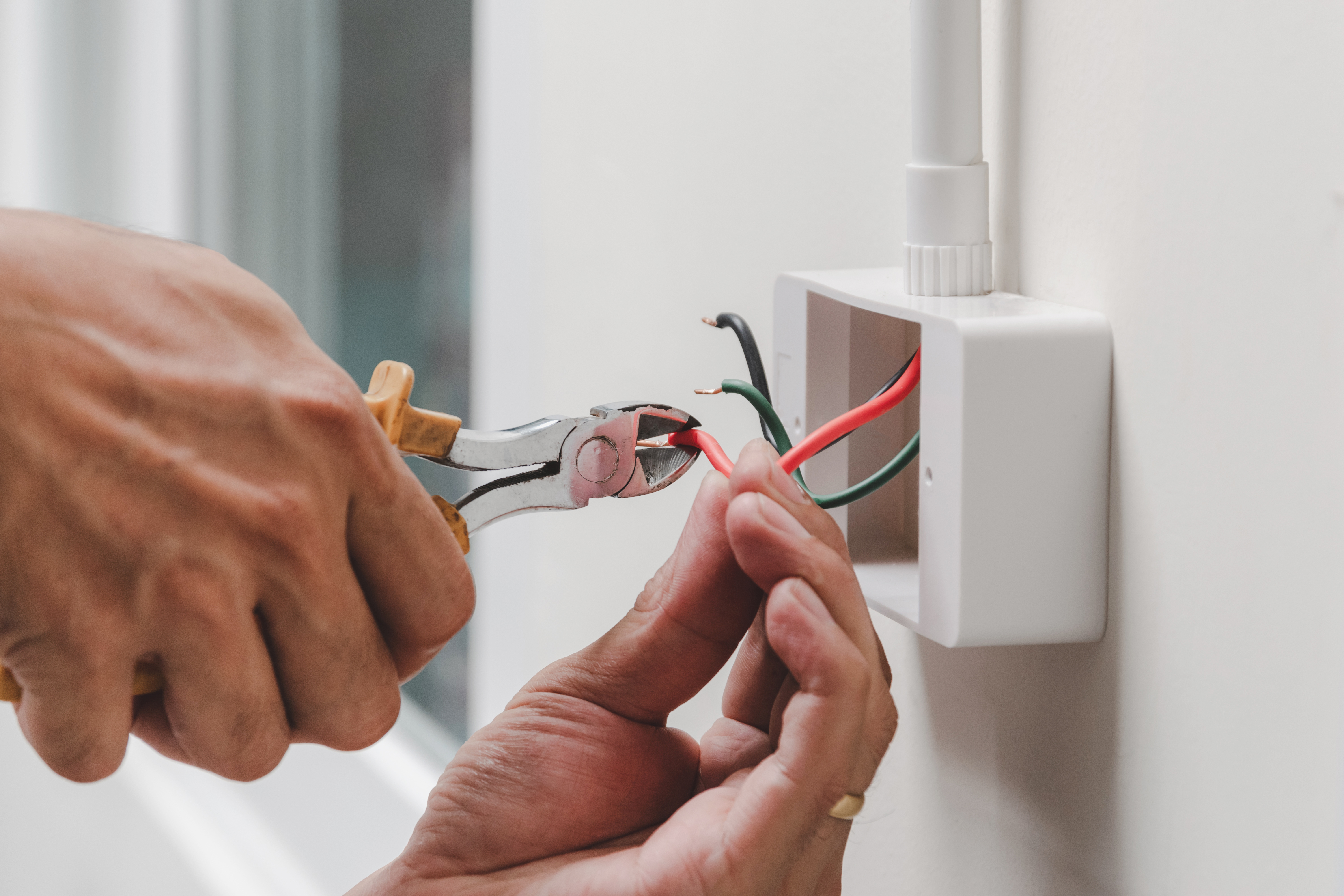
Unless you’re a licensed electrician, you should not DIY any electrical work in your home. Working with wires and electricity is potentially dangerous to both you and the structure you’re working on, and it could lead to house fires or electric shock if you’re not 100% sure what you’re doing. There’s a big difference between changing a light switch cover and rewiring an entire home. If you’re staring down a potentially difficult electrical job, give a pro a call.

Unfortunately, a partial power outage without a tripped breaker often means you have a major wiring issue or that the breaker itself is going bad. When the power is out in one room but the breaker is not tripped, you need to call an electrician as soon as possible to identify the cause of the problem and repair it.

GFCI stands for ground fault circuit interrupter, which means it has the ability to detect a ground fault and shut the circuit down before it creates hazards. General breakers may also do that because ground faults can cause overloads, but they’re more focused on amp overloads from any cause. GFCIs are often installed in specific outlets, but breakers can come with GFCI capabilities built in for broader ground fault protection.

To power the system down, simply turn it off and cut it off from its electricity. That means removing the transformer from the wall plug and taking out the battery that usually sits within the control panel itself. That will disconnect it from power and essentially reset the entire alarm system.

Dehumidifiers typically use 300 to 700 watts of electricity per hour, whereas portable dehumidifiers use about 40 watts per hour. The exact amount of electricity your dehumidifier will generate depends on its capacity and energy efficiency. Generally, higher-capacity dehumidifiers generate more electricity than lower-capacity units, but they also usually have better energy efficiency over the long run.

The Lynwood, IL homeowners’ guide to electrical services

From average costs to expert advice, get all the answers you need to get your job done.