
Top-rated insulation pros.

Get matched with top insulation pros in Horseshoe Bend, ID

Enter your zip and get matched with up to 5 pros

Need a pro for your insulation service project in Horseshoe Bend, ID?

Select your specific project to find the pro for you.

TRUSTED BY HORSESHOE BEND, ID HOMEOWNERS

  • Average homeowner rating star icon4.4
    Average homeowner rating
  • Verified reviews icon21
    Verified insulation services reviews

Find Insulation pros in Horseshoe Bend

Avatar for Insulation Commandos of Boise
Insulation Commandos of Boise
5.0(
7
)
Blown-In Insulation - Install or UpgradeBatt, Rolled or Reflective Insulation - Install or UpgradeInjection Insulation - Install

Serving Horseshoe Bend, ID and surrounding areas

Approved

Free estimates

Small jobs welcome

Credit card accepted

"We recently had insulation work done by commandos Insulation and the entire experience was excellent from start to finish. The team was professional, punctual, and very knowledgeable. They explained the process clearly, completed the job efficiently, and left everything clean afterward. Their attention to detail and customer service really stood out. I would highly recommend them to anyone looking for quality insulation work at a fair price!"
28 neighbors recently requested a quote
Energy Allies, LLC
4.9(
88
)
Batt, Rolled or Reflective Insulation - Install or UpgradeBlown-In Insulation - Install or UpgradeInjection Insulation - Install

Serving Horseshoe Bend, ID and surrounding areas

In business since 2015

Free estimates

Credit card accepted

"This Company Rocks, they in detail explained everything to me so I knew what to expect the day of Install, gave wonderful information on how to make my own decision on the choices of insulation with no pushing onto something I did not think I might choose, thorough in cleaning up the sight and showing me the before and after photos they took, I will recommend them to everyone I know."
Blow in insulation
Blow in insulation
Air sealing an attic
Duct sealing

+3

Response time5 hrs
Response rate87%
Recommended by98%of homeowners
Showing 1-10 of 23
Insulation questions, answered by experts

The best type of insulation for your home depends on your specific needs, climate, and the area you are insulating. For new construction, structural insulated panels are a highly energy-efficient option that is easy to install during the building process. In very warm climates, reflective insulation can be a cost-effective choice. For cold climates, fiberglass is an excellent option due to its high R-value and resistance to settling over time. Spray foam works well in humid environments because of its moisture-resistant properties. For standard attics, loose-fill, spray foam, or blown-in insulation are all suitable options.

Ductwork sweats due to a temperature difference between the air inside the ducts and the surrounding air, similar to how a cold drink develops condensation in the heat. This sweating is a sign that your HVAC system is not operating at peak efficiency. The best way to keep ductwork from sweating is to wrap it in proper insulation, which also improves your system's energy efficiency. Another option is to close off your crawl space and install a dehumidifier to dry the air and lower its dew point.

Yes, energy-efficient homes are increasingly desirable in the market.

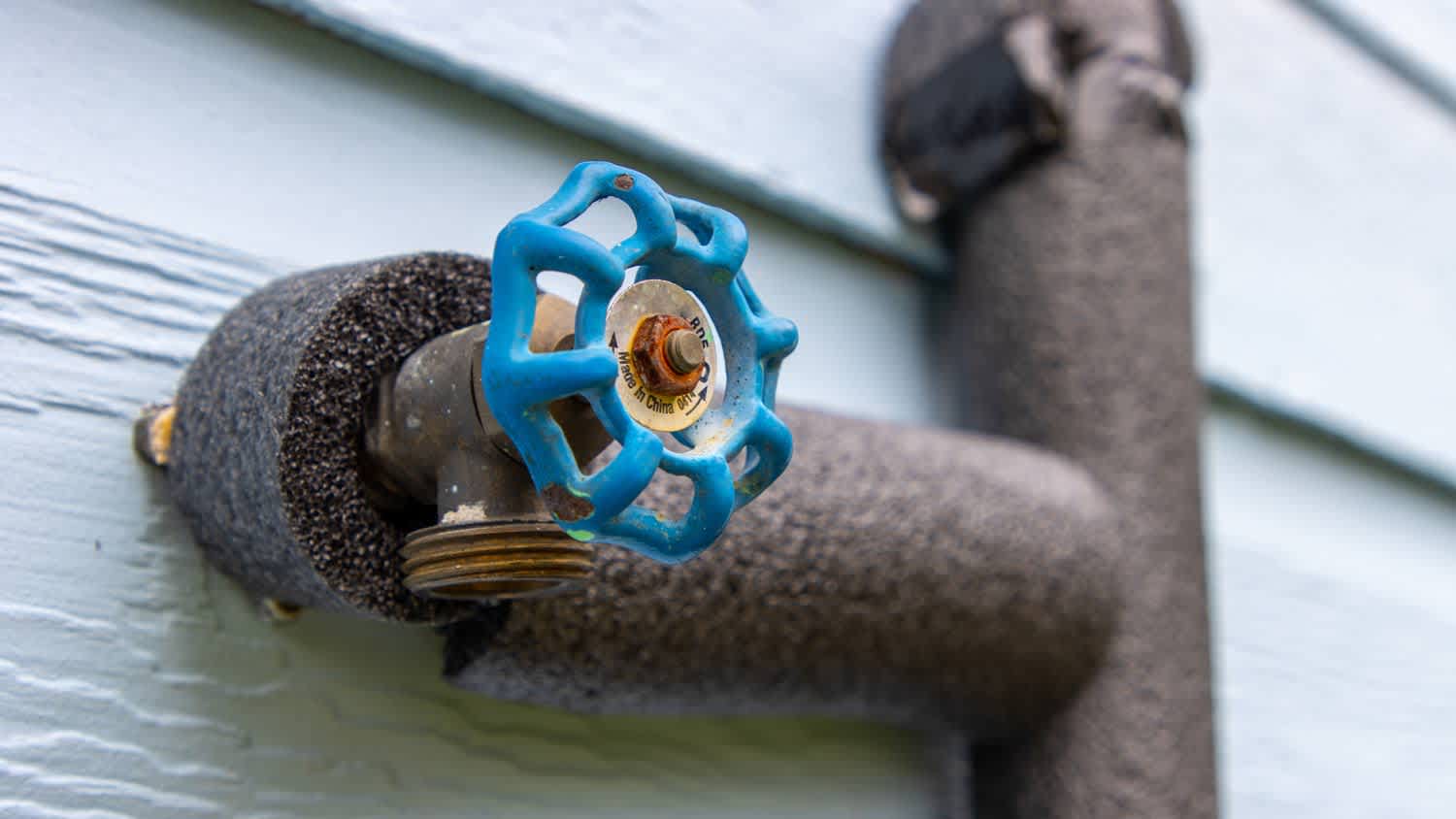
Yes, even though frost-free and freeze-proof faucets are designed to withstand winter weather, it is still recommended to cover them with an insulated cap, especially during periods of extreme cold. These faucets work by keeping excess water inside the home's heated space and using a downward slope to drain, but this protection can be compromised. For the faucet to work correctly, you must always disconnect any attached hoses before temperatures drop below freezing, as a hose can trap water and lead to freezing. Ultimately, covering all outdoor faucets, even freeze-proof models, is the best way to prevent frozen and burst pipes.

R-30 insulation is better for higher thermal resistance, but whether it’s "better" depends on the application. R-30 is much thicker and suited for areas like attics or floors in cold climates, where more insulation is required. R-13, on the other hand, is thinner and works well for 2x4 walls or milder climates where less insulation is sufficient. Choosing between R-13 and R-30 depends on the area being insulated and the climate. For example, R-30 provides more insulation but may not fit everywhere in your home.

The Horseshoe Bend, ID homeowners’ guide to insulation services

From average costs to expert advice, get all the answers you need to get your job done.