








Top-rated lawn irrigation specialists.

Get matched with top lawn irrigation specialists in Firth, ID

Enter your zip and get matched with up to 5 pros

Find Lawn irrigation specialists in Firth

Avatar for Concors Earthworks
Concors Earthworks
5.0(
3
)
Lawn and Garden Sprinkler System - Repair

Serving Firth, ID and surrounding areas

Approved

In business since 2023

Free estimates

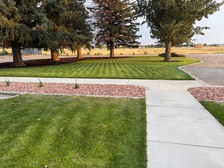
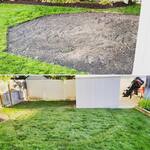
"Wilson from Concors Earthworks did an outstanding job installing about 1,000 square feet of sod in my front yard. He was professional, efficient, and clearly knows what he’s doing. The sod was laid cleanly and evenly, and the yard looks fantastic. Communication was clear throughout the process, and he left everything tidy when he finished. Highly recommend Wilson and Concors Earthworks for any sod or earthwork needs!"
Nice lawn
Showing 1-10 of 33
Lawn Irrigation questions, answered by experts

If you spray a DIY vinegar solution that contains high salt, it can disrupt the soil's structure and make it difficult for plants to grow. That's why it's vital to avoid spraying vinegar solution on areas where you are trying to grow plants and flowers. When using a mix of vinegar and soap, some say you can plant a few days after the vinegar dries. 

Both zoysia grass and bermuda grass are somewhat similar to St. Augustine because they’re all warm-season grasses. Beyond that, most grass types have unique properties that set them apart. Zoysia grass costs twice the price of St. Augustine grass on average and it has thinner blades and a deeper green appearance. Bermuda grass, compared to St. Augustine, has much thinner blades, is softer to the touch, and has a higher tolerance for colder weather.

The best time to plant grass seed depends on your local climate and whether you have cool-season or warm-season grass.

For cool-season grasses (like tall fescue), the ideal time to seed is late summer or early fall (typically August and September). During this period, the soil is still warm from the summer, but the air is cooler, creating optimal conditions for germination and root establishment before winter. There is also less competition from weeds. Spring is a secondary option, but cooler soil temperatures, the risk of a late frost, and less time for the grass to mature before summer heat can make it less successful.

For warm-season grasses (like St. Augustine), the best time to plant is from late spring through mid-summer (typically May and June), when temperatures are consistently between 75 and 90 degrees Fahrenheit.

In general, it is best to avoid seeding during winter or early spring, as cold soil and air can prevent seeds from germinating. For recommendations tailored to your specific grass type and climate, consider consulting a local lawn care professional.

One of the best ways to soften your grass and prepare it for planting grass seed is aeration. Aerating your lawn will loosen up compacted soil and facilitate a more even balance of nutrients from root to topsoil. We recommend using core aeration methods for the most effective soil-loosening results.

Soaking grass seeds in water before seeding is called pre-germinating. It’s not necessary but can be very helpful in some cases. Some grasses like are very slow to germinate, and basic seeding on the ground is unlikely to be effective—that’s especially true of cool season grasses like Kentucky bluegrass, rye grasses, and Bermuda grass. Soaking these seeds in a bag or bin of water for one to four days beforehand can give the grass the start it needs to survive.

The Firth, ID homeowners’ guide to lawn irrigation services

From average costs to expert advice, get all the answers you need to get your job done.