


Top-rated plaster repair specialists.

Get matched with top plaster repair specialists in Firth, ID

Enter your zip and get matched with up to 5 pros

Need a pro for your plaster repair project in Firth, ID?

Select your specific project to find the pro for you.

Find Plaster repair specialists in Firth

Avatar for Black Iron Construction and Fabrication
Black Iron Construction and Fabrication
4.9(
11
)

Serving Firth, ID and surrounding areas

Approved

In business since 2021

Free estimates

Customers say: True professional

"I am the rebuild manager at Flood and Fire Solutions. I have hired Black Iron for several jobs. Drywall repairs, painting, trim work, framing. Ryan does great work, quickly and efficiently. The finished product has always been quality. If you need a pro for a remodeling or repair project, give him a call."
Response time3 hrs
2 neighbors recently requested a quote
Recommended by60%of homeowners
Avatar for Red Wind Management LLC
Red Wind Management LLC
5.0(
10
)

Serving Firth, ID and surrounding areas

Approved

In business since 2024

Emergency services offered

Warranties offered

"I recently hired Red Wind Management to assemble two bedroom sets and a large sectional, and I couldn’t be happier with the experience. Their team was fast, efficient, and paid close attention to every detail. Communication was excellent throughout the process, and they cleaned up everything when they were finished—it was like they were never even there. The quality of their work and professionalism exceeded my expectations. I was so impressed that I plan to hire them again for additional projects around the house that we simply don’t have time to tackle ourselves. Highly recommend Red Wind Management!"
Apt Remodel
Apt Remodel
Apt Remodel
Apt Remodel
Apt Remodel

+5

4 neighbors recently requested a quote

Showing 1-10 of 28
Plaster Repair questions, answered by experts

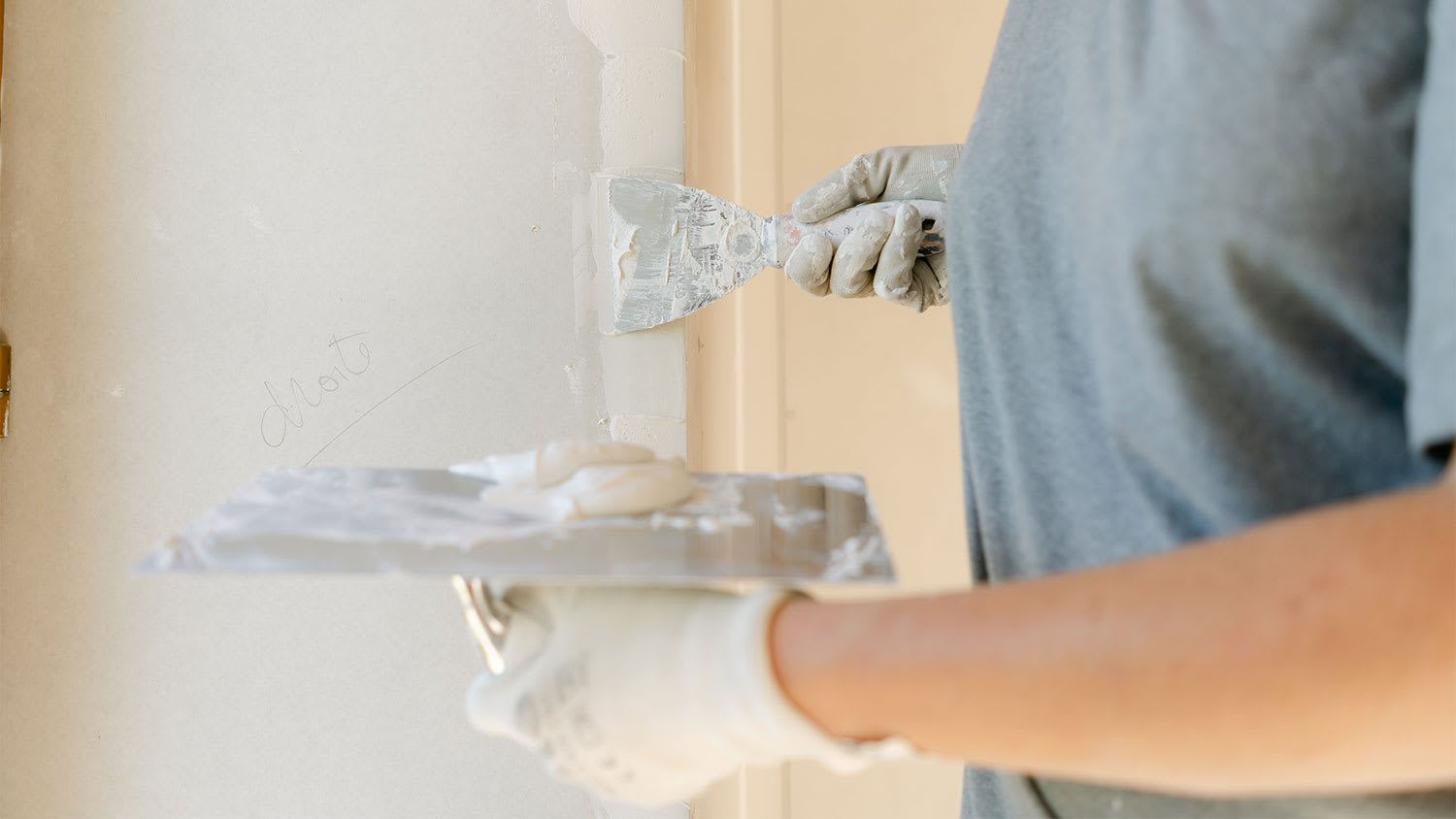
Plaster can be a difficult DIY to master, especially if you plan to plaster an entire room, rather than patch a small area. Before you begin a plaster DIY project, you need to know which tools and type of plaster to use. It's also important to know how to prepare the surface and apply the plaster for a smooth finish. If that all sounds like a lot of work, you may prefer hiring a local plaster repair contractor to do the job.

The tool you use to sand plaster will depend on the size of the project. If you’re just working on a small section of your wall to get rid of an uneven spot on the surface, hand-sanding might work. However, for larger projects, a drywall sander can make a huge difference when it comes to both time and elbow grease—and an orbital sander can help for detailed areas such as around ceiling fans.

Although they have similar applications, spackle and joint compound are not the same. Their primary differences lie in their composition, consistency, and ideal use cases.

Spackle is composed of gypsum and binding agents, making it thicker than joint compound. It dries quickly and is easy to sand, which makes it ideal for small wall repair projects like filling nail holes or patching minor damage.

Joint compound, also known as drywall mud, consists of limestone and gypsum. It is primarily used for large-scale projects, such as taping and finishing the seams on newly installed drywall. It tends to shrink more than spackle and can be more difficult to spread.

While both products can be used to fill small depressions and cracks, spackle cannot replace joint compound for taping and mudding new drywall. Conversely, you can often use joint compound for small patching jobs typically done with spackle.

You can skim coat plaster, but it’s better to repair the plaster itself. A skim coat is a thin coat of drywall joint compound spread over the surface of a wall. The result is a flat finish that looks pleasing, but part of the appeal of plaster is its imperfections and aesthetic. Skim coating is best when limited to drywall applications.

Yes, you can speed up the time it takes for plaster to dry, but it's important to do so carefully to avoid issues like cracking or crumbling. Proper ventilation is key; open a window or use a fan to circulate air in the room. Heat can also accelerate drying, but be cautious, as too much heat can cause the plaster to dry too quickly and crack. Check the plaster's packaging for the recommended drying temperature and set the room's thermostat accordingly. While managing humidity is important, avoid using a dehumidifier, which can remove moisture too aggressively and result in crumbly plaster.

The Firth, ID homeowners’ guide to plaster repairs

From average costs to expert advice, get all the answers you need to get your job done.