





Top-rated excavation pros.

Get matched with top excavation pros in Keokuk, IA

Enter your zip and get matched with up to 5 pros

Need a pro for your excavation project in Keokuk, IA?

Select your specific project to find the pro for you.

Find Excavation pros in Keokuk

Avatar for Maynards Tree Service
Maynards Tree Service
5.0(
23
)
Excavation - Major Grading or ReslopingBuilding Site - Preparation and ClearingLandscape - Minor Grading or Resloping

Serving Keokuk, IA and surrounding areas

Approved

In business since 2010

Free estimates

Credit card accepted

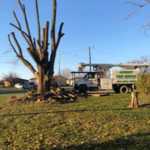
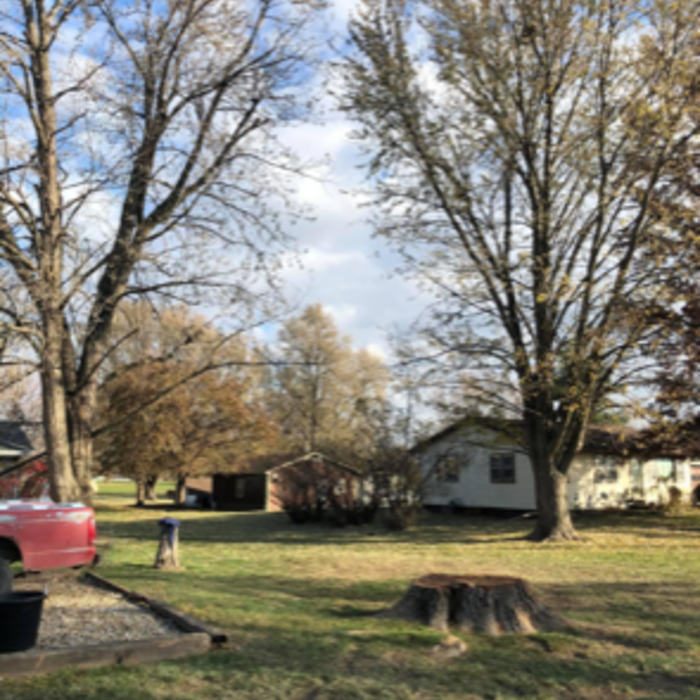
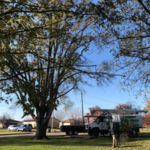
"Maynards Tree Service were great! They came on time, cut two trees down which were close to our house and garage. They ground the stumps out, cleaned up all debris, and left our yard looking wonderful. Would definitely use them again, and am recommending them to our friends and family! Job well done!"
Tree Removal
Maynard's Tree Service
Tree Removal
Maynard's Tree Service
Tree Removal

+3

Response time3 days
21 neighbors recently requested a quote
Recommended by91%of homeowners

Excavating questions, answered by experts

You can bury underground electrical wire six inches deep—but only if you use a rigid metal electrical conduit. For rigid, non-metallic conduits, bury the wire at least 12 inches deep. If using an underground feeder cable rated for direct burial, you'll need to place it at least 18 inches deep, as it has no conduit for extra protection.

How deep your septic system needs to be into the ground depends on several factors. In extremely cold environments, the tank needs to rest below the maximum frost line, which can be up to six or eight feet deep. The standard burying depth for most systems is between a few inches and four feet below ground level. Depth can also depend on the slope of the landscaping and other property variables. 

Excavations take a few days or up to a few weeks. The time it takes to excavate an area depends on the size of the area, the type of soil, the type of excavator, and even the time of year, since winter can make digging up the ground more difficult.

Excavation and grading are both generally necessary for designing your foundation, and leveling the ground where your foundation will go. These steps can also prepare the area by removing vegetation and anything else that could interfere with your home’s foundation.

Trenches are typically 12 to 24 inches deep and 8 inches wide. However, the required depth depends on the specific project and local ordinances. For example, a French drain may need to be 18 inches deep, while a water pipe might require a depth of 24 inches and a drainage pipe 36 inches. Your city or county may have specific regulations, so it's wise to consult with an excavation professional to determine the correct depth for your project.

The Keokuk, IA homeowners’ guide to excavation services

From average costs to expert advice, get all the answers you need to get your job done.