

Top-rated excavation pros.

Get matched with top excavation pros in Kahoka, MO

Enter your zip and get matched with up to 5 pros

Need a pro for your excavation project in Kahoka, MO?

Select your specific project to find the pro for you.

Find Excavation pros in Kahoka

Avatar for Meyer Excavating, LLC
Meyer Excavating, LLC
5.0(
2
)

Serving Kahoka, MO and surrounding areas

In business since 2022

Free estimates

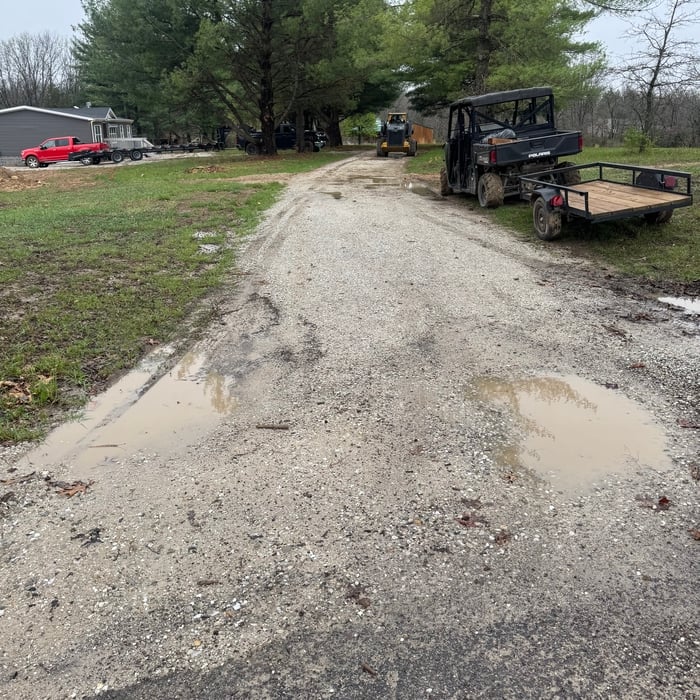
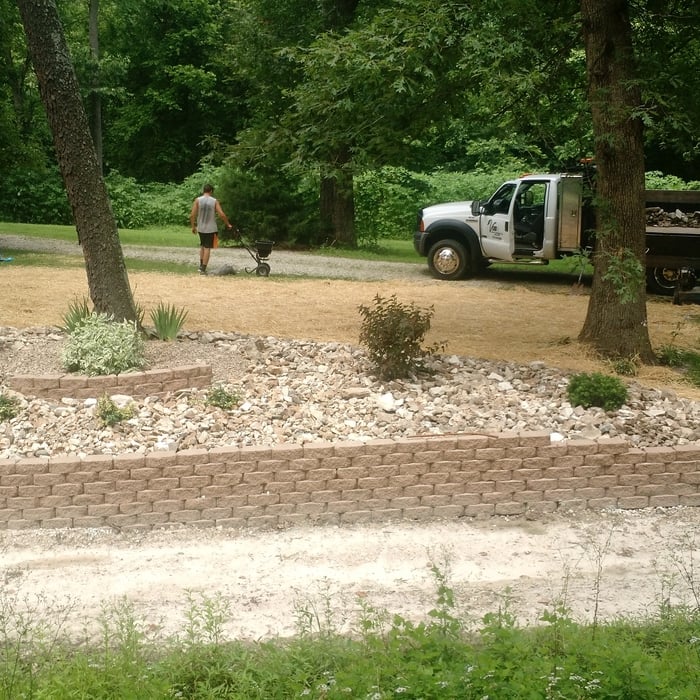
"Called number provided by Angi, received return call within one hour, and had gravel delivered the next day. He even took time to spread and smooth the driveway. Will definitely ire again."
Response time7 hrs
Recommended by100%of homeowners
Avatar for Gunn Landscape, LLC
Gunn Landscape, LLC
4.0(
8
)

Serving Kahoka, MO and surrounding areas

In business since 1986

Free estimates

Emergency services offered

"Very hard workers. Cleaned up their mess every day. Project turned out even better than expected. Very professional. Have already hired them for a 2nd project and would absolutely recommend then to others."
Another happy client
UMSL Retaining Wall
 Pavers at front drive.
Eureka High School Wall
Residential Hercules Wall

+11

Recommended by40%of homeowners
Showing 1-10 of 17
Excavating questions, answered by experts

Trenchers can dig holes as narrow as 4 inches or as wide as 4 feet. Check the specifications of the trencher you rent or buy to determine how wide it will cut into the landscape. Better yet, let the excavation company know how wide you’d like the trench to be, and they can help you choose the right trencher for the job (or do it for you).

Trenching is a specific kind of digging. Trenching means digging a depression in the earth that’s deeper than it is wide, often with heavy machinery. Digging refers to any kind of removal of earth in order to create a human-made depression, hole, or cut in the earth’s surface. You can dig with big tools or even with just a hand shovel.

There are several methods to hollow out a tree stump, and the best one depends on your tools, experience, and priorities. Common methods include using a chisel and hammer, a chainsaw, or burning.

  • Chisel and Hammer: This is often considered the easiest approach for those with limited tools or experience, though it is the most time-consuming.

  • Chainsaw: Using a chainsaw is the fastest method, but it comes with significant safety risks, especially for inexperienced users.

  • Burning: This can be an effective method, but it is not recommended unless you can first drill holes into the stump. Without holes, the stump will be difficult to light and may not burn completely through.

A power drill with at least a ⅜-inch diameter bit can make the job quicker and easier, regardless of the primary method. While you can use a chisel or chainsaw without a drill, it will require more time and effort. Always wear protective goggles and thick gloves, as splinters are an inevitable risk.

Trenching and boring are two distinct methods for installing underground utilities. Trenching involves digging a channel using equipment like an excavator, trencher, backhoe, or shovel. While it is a simpler process, it causes significant disruption to the surface, landscaping, and surrounding ecosystems.

Boring, also known as directional boring, is a less invasive alternative that uses a drill to create a tunnel for utility lines without disturbing the surface. This method is more precise and is ideal for installations that need to go underneath buildings, roads, or bodies of water. Although boring is less disruptive, it is generally more expensive than trenching.

Drilled wells have a pipe sticking up that’s covered in a plastic or metal casing. On the other hand, a dug well will look like a big hole in the ground and is more similar to what you’d see in a fantasy or Western movie. If you want to be sure, contact the city for documentation on your property’s construction and excavation history. 

The Kahoka, MO homeowners’ guide to excavation services

From average costs to expert advice, get all the answers you need to get your job done.