



Top-rated excavation pros.

Get matched with top excavation pros in Camp Point, IL

Enter your zip and get matched with up to 5 pros

Need a pro for your excavation project in Camp Point, IL?

Select your specific project to find the pro for you.

Find Excavation pros in Camp Point

Avatar for Precision Lawn Care & Landscaping
Precision Lawn Care & Landscaping
4.8(
5
)

Serving Camp Point, IL and surrounding areas

Approved

In business since 2015

Free estimates

Small jobs welcome

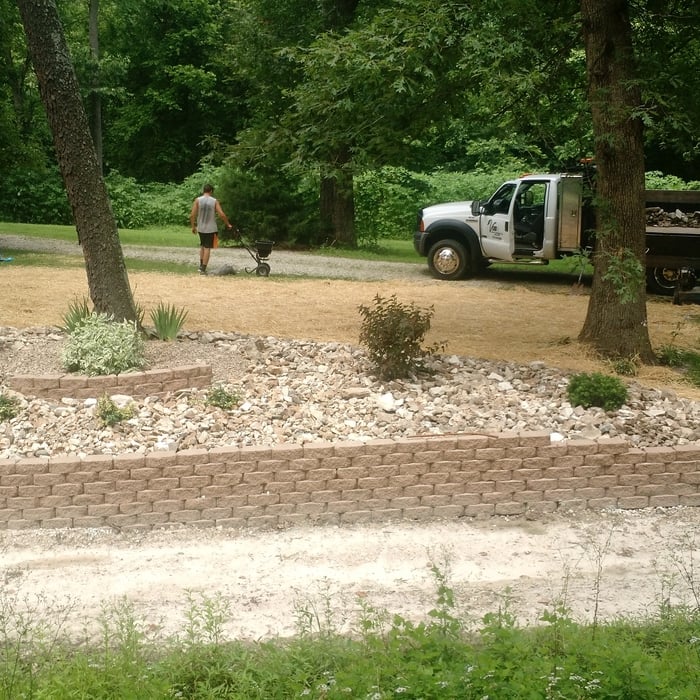
"Nicholas and his crew were great to work with. They were very knowledgeable, pleasant and polite to work with. The project was started on time and finished within a week. Nicholas listened to my ideas, worked with me and if my plants/shrubs suggestions would not grow well in that area, he would suggest others that would be better suited. When the project was finished, the area was cleaned up and looked great. I was well pleased with this company and highly recommend them ."
Response time3 days
Recommended by100%of homeowners
Avatar for Haines Excavating and Stump Grinding
Haines Excavating and Stump Grinding
5.0(
1
)

Serving Camp Point, IL and surrounding areas

In business since 2018

Free estimates

Haines Excavating and Stump Grinding, is committed to excellence in every aspect of our business. We uphold a standard of integrity bound by fairness, honesty, and personal responsibility. Our distinction is the quality of service we bring to our customers. Accurate knowledge of our trade combined with ability is what makes us true professionals. Above all, we are watchful of our customers interests and make their concerns the basis of our business.

Response time7 hrs
Recommended by100%of homeowners
Showing 1-10 of 29
Excavating questions, answered by experts

The best type of soil to build on is a mixture of sand and clay, known as loam soil. Loam soil has the best combination of these soil types to build a foundation on. The clay particles help with water retention, so it won’t erode like sandy soil might, and the sandy particles help with drainage, so you won’t see unsafe soil expansion or have an increased risk of leaks from water sitting against your foundation.

Completion time ranges from days to weeks, contingent on project size, environmental conditions, and regulatory approvals.

A walk-behind trencher can cut through roots as long as they’re not too thick, making a project much easier than digging with a shovel and other hand tools. Assess your terrain and the number of trees in the surrounding area to determine if a walk-behind trencher will ease the job. Digging a trench by hand is much more time-consuming and labor-intensive. 

There is no standard depth for burying a septic tank; they are typically buried anywhere from 4 inches to 4 feet underground. The final depth depends on several factors, including the depth of your main sewer line, the height of the bedrock, soil type, local regulations, and the property's landscape. If you plan to grow grass or plants over the tank, a depth of at least 4 to 6 inches is recommended. Deeper tanks can be more difficult to locate, but a septic professional can help find it for you.

Sewer lines can be buried anywhere from 18 inches to 8 feet deep, with a common average depth between 18 and 30 inches. The exact depth depends on local factors like climate and soil type. In colder regions, pipes must be buried deeper (below the frost line) to prevent freezing, sometimes as deep as 8 feet. The digging depth can also impact the cost of sewer line replacement. To find the specific depth for your property, you can check the building plans for your system, which should be on file with your city or local sanitation department since permits are required for installation.

The Camp Point, IL homeowners’ guide to excavation services

From average costs to expert advice, get all the answers you need to get your job done.