





Top-rated excavation pros.

Best excavation pros near Colchester, IL

Enter your zip and get matched with up to 5 pros

Need a pro for your excavation project in Colchester, IL?

Select your specific project to find the pro for you.

Top-Rated Excavation pros in Colchester - Updated Nov 2026

Avatar for ProEdge Property Services
ProEdge Property Services
5.0(
2
)
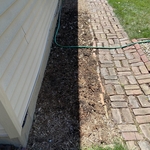
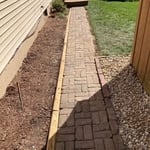
Landscape - Minor Grading or Resloping

Serving Colchester, IL and surrounding areas

Approved

In business since 2017

Free estimates

Small jobs welcome

We are a locally owned and operated landscaping company that is experienced and solution-focused. We value responsiveness and quality materials and craftsmanship in all aspects of the services we provide.

Before
After
Before
Before
After

+10

Response time1 day
Recommended by100%of homeowners

Avatar for Meyer Excavating, LLC
Meyer Excavating, LLC
5.0(
2
)
Excavation - Major Grading or Resloping

Serving Colchester, IL and surrounding areas

In business since 2022

Free estimates

"Called number provided by Angi, received return call within one hour, and had gravel delivered the next day. He even took time to spread and smooth the driveway. Will definitely ire again."
Response time7 hrs
Recommended by100%of homeowners
Avatar for McDonagh & Sons Plumbing & Sewer Inc
McDonagh & Sons Plumbing & Sewer Inc
4.1(
69
)
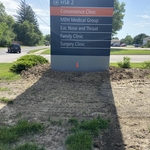
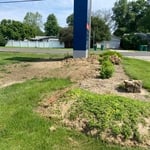
Building Site - Preparation and ClearingBuilding Site - Preparation and Clearing - For BusinessExcavation - Major Grading or Resloping+2 more

Serving Colchester, IL and surrounding areas

In business since 2010

Free estimates

Emergency services offered

"Provider was prompt, professional and friendly.  Arrived at the agreed upon time for a free estimate and performed work same-day after we agreed to the price.  He stuck to the price despite taking longer than expected and more work than usual due to worn-rusted pipes in my home.  Cleaned-up after himself and left no sign that work was done other than our new, working toilets.  We are very pleased and reccomend McDonagh & Sons Plumbing & Sewer Inc.


"
Recommended by96%of homeowners

Showing 1-10 of 27
Excavating FAQs, answered by experts

Most residential basements are 8 to 10 feet deep. You can dig deeper depending on building codes, but it does become more difficult. You’ll likely need to install stronger foundation walls and additional supports to handle the increased load. Depending on the water table, you may also need a water management system. Clay soil can support a deeper foundation than sandy soil. A structural engineer will be able to tell you the maximum, feasible depth.

There is no standard depth for burying a septic tank; they are typically buried anywhere from 4 inches to 4 feet underground. The final depth depends on several factors, including the depth of your main sewer line, the height of the bedrock, soil type, local regulations, and the property's landscape. If you plan to grow grass or plants over the tank, a depth of at least 4 to 6 inches is recommended. Deeper tanks can be more difficult to locate, but a septic professional can help find it for you.

Yes, you can technically make a crawl space liveable, but the only way to do so is by converting it into a basement. While some crawl spaces are big enough to walk through and store large items, they lack appropriate insulation and space to be liveable.

There are several methods to hollow out a tree stump, and the best one depends on your tools, experience, and priorities. Common methods include using a chisel and hammer, a chainsaw, or burning.

  • Chisel and Hammer: This is often considered the easiest approach for those with limited tools or experience, though it is the most time-consuming.

  • Chainsaw: Using a chainsaw is the fastest method, but it comes with significant safety risks, especially for inexperienced users.

  • Burning: This can be an effective method, but it is not recommended unless you can first drill holes into the stump. Without holes, the stump will be difficult to light and may not burn completely through.

A power drill with at least a ⅜-inch diameter bit can make the job quicker and easier, regardless of the primary method. While you can use a chisel or chainsaw without a drill, it will require more time and effort. Always wear protective goggles and thick gloves, as splinters are an inevitable risk.

Hardscaping often requires preparation of the ground in the area where the feature is being installed. This can include digging, compacting, and leveling the soil, ensuring adequate drainage, and removing any existing plants. The extent of preparation needed will depend on the type and size of the hardscaping feature being installed.

The Colchester, IL homeowners’ guide to excavation services

From average costs to expert advice, get all the answers you need to get your job done.