




Top-rated excavation pros.

Get matched with top excavation pros in Mendon, IL

Enter your zip and get matched with up to 5 pros

Need a pro for your excavation project in Mendon, IL?

Select your specific project to find the pro for you.

Find Excavation pros in Mendon

Avatar for Maynards Tree Service
Maynards Tree Service
5.0(
23
)
Building Site - Preparation and ClearingExcavation - Major Grading or ReslopingLandscape - Minor Grading or Resloping

Serving Mendon, IL and surrounding areas

Approved

In business since 2010

Free estimates

Credit card accepted

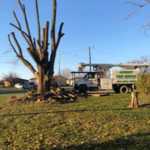
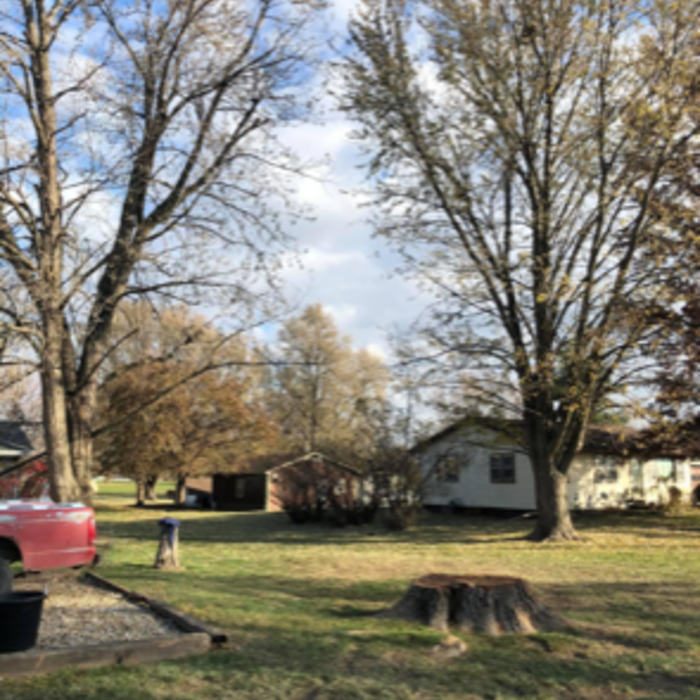
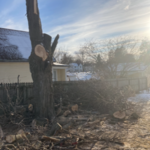
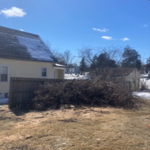
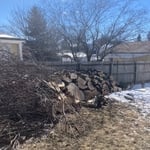
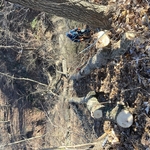
"Excellent tree service very good price entire yard was raped and cleaned up afterwards. Hey what was quoted and done in 24 hours remove several trees great job friendly staff couldn’t ask for a better job."
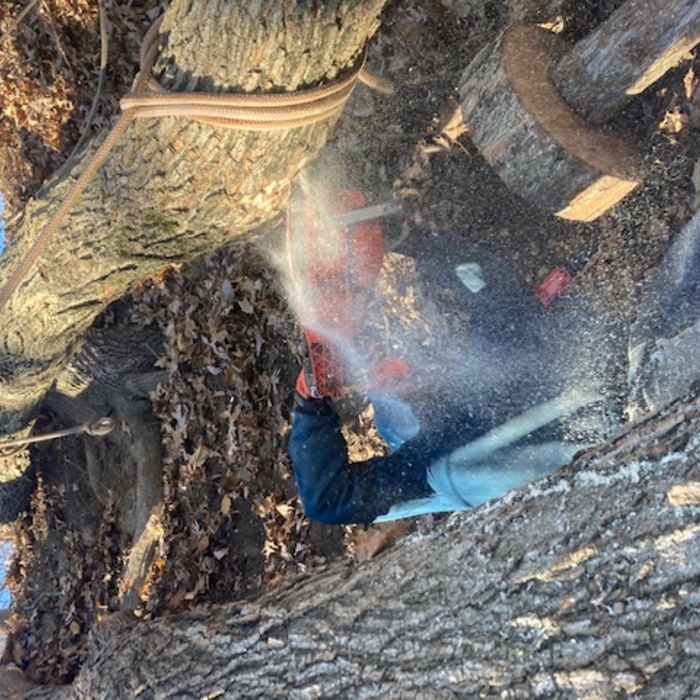
Tree Removal
Maynard's Tree Service
Tree Removal
Maynard's Tree Service
Tree Removal

+3

Response time3 days
13 neighbors recently requested a quote
Recommended by91%of homeowners
Avatar for Precision Lawn Care & Landscaping
Precision Lawn Care & Landscaping
4.8(
5
)
Landscape - Minor Grading or Resloping

Serving Mendon, IL and surrounding areas

Approved

In business since 2015

Free estimates

Small jobs welcome

"Nicholas and crew have maintained the bank's lawn and planting beds for years and have done an excellent job. They are great to work with. He pays great attention to detail. Highly recommend."
Response time3 days
Recommended by100%of homeowners
Showing 1-10 of 29
Excavating questions, answered by experts

In the United States, a depth of 36 inches (three feet) for underground water lines is the accepted industry standard. This depth varies from location to location based on local conditions. In areas with colder winters, they may be buried deeper to prevent frozen well water pipes : This is usually at least six inches below the frost level. The International Plumbing Code calls for a minimum of 12 inches below grade.

A walk-behind trencher can cut through roots as long as they’re not too thick, making a project much easier than digging with a shovel and other hand tools. Assess your terrain and the number of trees in the surrounding area to determine if a walk-behind trencher will ease the job. Digging a trench by hand is much more time-consuming and labor-intensive. 

Hard soil could be a sign of overly dry dirt, either from poor drainage or drought. It's important to test the nutrient levels, density, and drainage capacity of your soil to see if it's absorbing water properly. Begin by adding a light layer of water and observing how long the soil retains moisture. If you experience a good deal of runoff, you may need to aerate your lawn, apply a wetting agent, or hire a professional for a closer look.

No, fire blight does not survive free in the soil but instead is carried through insects, animals, rain, or wind during the spring. Keep in mind that it can also spread on tools, which is why you should always disinfect them in between cuts.

Depth is not a qualifying component of evacuation. Any human-made cut, cavity, or depression in the earth’s surface is considered excavation. The hole from excavation can be any size, shape, or depth. Excavation is used to create foundations, reservoirs, drainage ditches, and roads. Long, narrow excavations are called trenches and are often used for underground utilities.

The Mendon, IL homeowners’ guide to excavation services

From average costs to expert advice, get all the answers you need to get your job done.