





Top-rated excavation pros.

Get matched with top excavation pros in La Grange, MO

Enter your zip and get matched with up to 5 pros

Need a pro for your excavation project in La Grange, MO?

Select your specific project to find the pro for you.

Find Excavation pros in La Grange

Avatar for Precision Lawn Care & Landscaping
Precision Lawn Care & Landscaping
4.8(
5
)

Serving La Grange, MO and surrounding areas

Approved

In business since 2015

Free estimates

Small jobs welcome

"Nicholas and crew have maintained the bank's lawn and planting beds for years and have done an excellent job. They are great to work with. He pays great attention to detail. Highly recommend."
Response time3 days
Recommended by100%of homeowners
Avatar for Meyer Excavating, LLC
Meyer Excavating, LLC
5.0(
2
)

Serving La Grange, MO and surrounding areas

In business since 2022

Free estimates

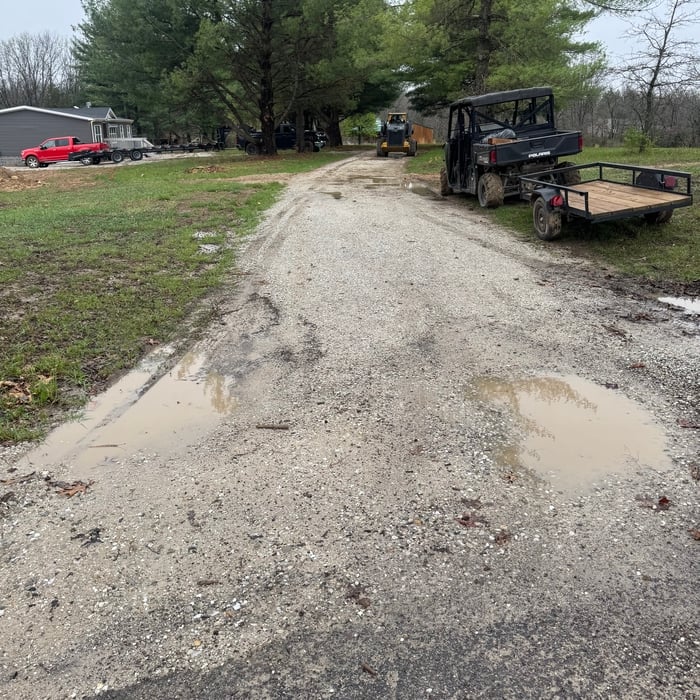
"Called number provided by Angi, received return call within one hour, and had gravel delivered the next day. He even took time to spread and smooth the driveway. Will definitely ire again."
Response time7 hrs
Recommended by100%of homeowners
Avatar for Beer Land Management LLC
Beer Land Management LLC
5.0(
12
)

Serving La Grange, MO and surrounding areas

In business since 2015

Free estimates

Credit card accepted

"Arrived at the agreed date and time. Did a great job of tree removal in close quarters. Also provided special handling on one tree per our request. Stumps remain to be removed but we expect that project to be completed in the next 2 weeks."
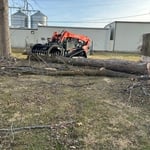
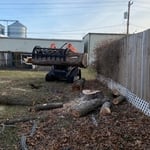
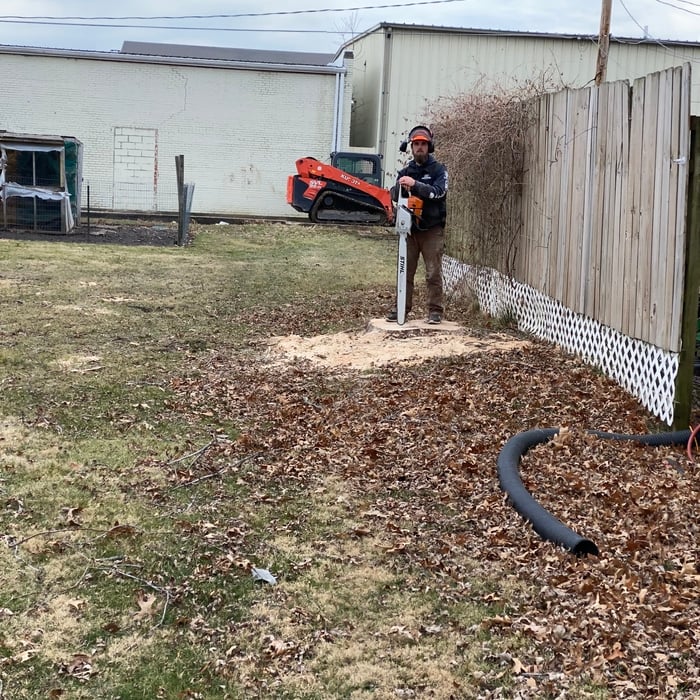
Beer Land Management
Cleaning up the Mess
Removal of Mature Elm Monroe City, MO
Long days finale Monroe City, MO

+7

Response time9 hrs
Recommended by100%of homeowners
Avatar for Dave's Construction
Dave's Construction
4.3(
13
)

Serving La Grange, MO and surrounding areas

In business since 2004

Free estimates

Credit card accepted

"dave did a great job, with paint and construction of a complete porch. painting of the exterior of our rental house, and next we are having him take a look at the interior of the house, after the renter moves out. thank you for giving us an opportunity to use DAVE'S CONSTRUCTION. a very polite young man."
kitchen
flooring
banaster
building new
new deck

+7

Response time8 hrs
Recommended by100%of homeowners
Showing 1-10 of 31
Excavating questions, answered by experts

Trenching and boring are two distinct methods for installing underground utilities. Trenching involves digging a channel using equipment like an excavator, trencher, backhoe, or shovel. While it is a simpler process, it causes significant disruption to the surface, landscaping, and surrounding ecosystems.

Boring, also known as directional boring, is a less invasive alternative that uses a drill to create a tunnel for utility lines without disturbing the surface. This method is more precise and is ideal for installations that need to go underneath buildings, roads, or bodies of water. Although boring is less disruptive, it is generally more expensive than trenching.

While general contractors sometimes handle demolition, you can also look specifically for local demolition contractors. Demolition experts need to understand structural integrity, the equipment needed for safe demolition, and the permits required for demolition.

No, a ditch isn’t a trench. A ditch is an open, relatively shallow channel that’s carved out of the ground and used for drainage purposes. In contrast, a trench is a deeper excavation that’s entirely underground. Trenches have many uses, including gas lines, sewage systems, and electrical wiring. Unlike trenches, ditches don’t get filled back in with dirt after they’re dug.

A joint utility trench, or joint trench, is a long, buried ditch on a property that contains two or more utility lines rather than running the lines in multiple trenches. Some utilities, like gas and electric or electric and communication lines, are better suited to joint trenching, while others, like water and sewer, are not allowed to be in the same trench.

Septic drain lines (or leach lines) are typically buried between 18 and 36 inches underground, and should be at least 6 inches below the surface. These pipes are perforated and surrounded by filtering materials like sand or gravel. Burying the lines at this depth helps minimize odors and allows bacteria and other biological processes in the soil to effectively treat the wastewater. Burying lines too close to the surface can cause issues unless the soil is very compact and stable.

The La Grange, MO homeowners’ guide to excavation services

From average costs to expert advice, get all the answers you need to get your job done.