



Top-rated excavation pros.

Get matched with top excavation pros in La Harpe, IL

Enter your zip and get matched with up to 5 pros

Need a pro for your excavation project in La Harpe, IL?

Select your specific project to find the pro for you.

Find Excavation pros in La Harpe

Avatar for Maynards Tree Service
Maynards Tree Service
5.0(
23
)
Excavation - Major Grading or ReslopingBuilding Site - Preparation and ClearingLandscape - Minor Grading or Resloping

Serving La Harpe, IL and surrounding areas

Approved

In business since 2010

Free estimates

Credit card accepted

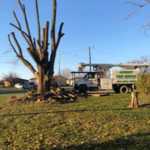
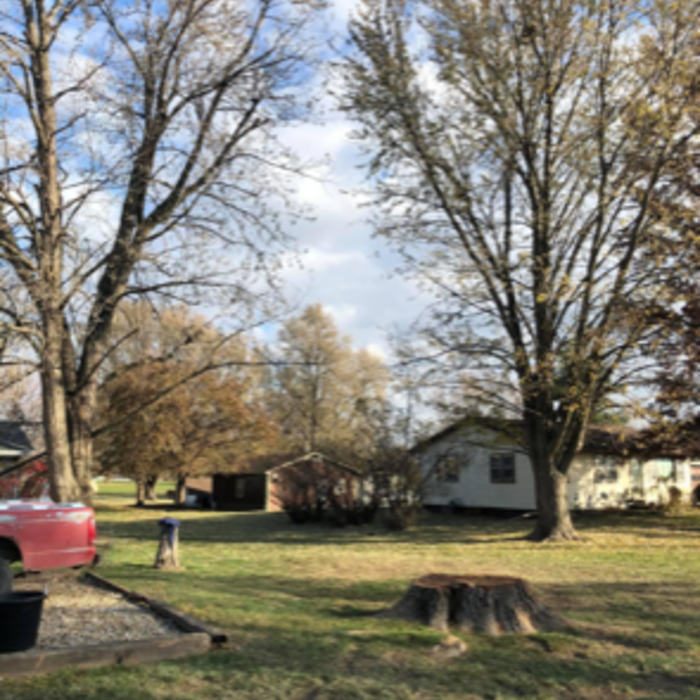
"Excellent tree service very good price entire yard was raped and cleaned up afterwards. Hey what was quoted and done in 24 hours remove several trees great job friendly staff couldn’t ask for a better job."
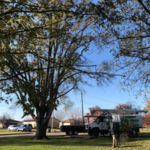
Tree Removal
Maynard's Tree Service
Tree Removal
Maynard's Tree Service
Tree Removal

+3

Response time3 days
21 neighbors recently requested a quote
Recommended by91%of homeowners

Avatar for McDonagh & Sons Plumbing & Sewer Inc
McDonagh & Sons Plumbing & Sewer Inc
4.1(
69
)
Building Site - Preparation and ClearingBuilding Site - Preparation and Clearing - For BusinessExcavation - Major Grading or Resloping+2 more

Serving La Harpe, IL and surrounding areas

In business since 2010

Free estimates

Emergency services offered

"Provider was prompt, professional and friendly.  Arrived at the agreed upon time for a free estimate and performed work same-day after we agreed to the price.  He stuck to the price despite taking longer than expected and more work than usual due to worn-rusted pipes in my home.  Cleaned-up after himself and left no sign that work was done other than our new, working toilets.  We are very pleased and reccomend McDonagh & Sons Plumbing & Sewer Inc.


"
Recommended by96%of homeowners
Showing 1-10 of 23
Excavating questions, answered by experts

There are several methods to hollow out a tree stump, and the best one depends on your tools, experience, and priorities. Common methods include using a chisel and hammer, a chainsaw, or burning.

  • Chisel and Hammer: This is often considered the easiest approach for those with limited tools or experience, though it is the most time-consuming.

  • Chainsaw: Using a chainsaw is the fastest method, but it comes with significant safety risks, especially for inexperienced users.

  • Burning: This can be an effective method, but it is not recommended unless you can first drill holes into the stump. Without holes, the stump will be difficult to light and may not burn completely through.

A power drill with at least a ⅜-inch diameter bit can make the job quicker and easier, regardless of the primary method. While you can use a chisel or chainsaw without a drill, it will require more time and effort. Always wear protective goggles and thick gloves, as splinters are an inevitable risk.

Because decomposed granite is a durable material, a crushed rock or gravel base is optional as long as the DG is properly installed and compacted. However, installing a base is a good idea because it will ensure proper drainage and stability and act as a weed suppressant (although you may still occasionally have to pull weeds). Installing an adequate base can also increase the durability of driveways and walkways. If you forego the paver base or gravel underneath, line the area with landscaping fabric to avoid weeds.

As a general rule, the protected area should be about 1½ times as wide as the canopy of the tree’s leaves. This digging measurement can vary by tree species and the age of the tree. Of course, that can be a lot of fencing for larger trees, which is why our first step is about making difficult decisions on which trees to save.

Sewer lines can be buried anywhere from 18 inches to 8 feet deep, with a common average depth between 18 and 30 inches. The exact depth depends on local factors like climate and soil type. In colder regions, pipes must be buried deeper (below the frost line) to prevent freezing, sometimes as deep as 8 feet. The digging depth can also impact the cost of sewer line replacement. To find the specific depth for your property, you can check the building plans for your system, which should be on file with your city or local sanitation department since permits are required for installation.

A walk-behind trencher can cut through roots as long as they’re not too thick, making a project much easier than digging with a shovel and other hand tools. Assess your terrain and the number of trees in the surrounding area to determine if a walk-behind trencher will ease the job. Digging a trench by hand is much more time-consuming and labor-intensive. 

The La Harpe, IL homeowners’ guide to excavation services

From average costs to expert advice, get all the answers you need to get your job done.