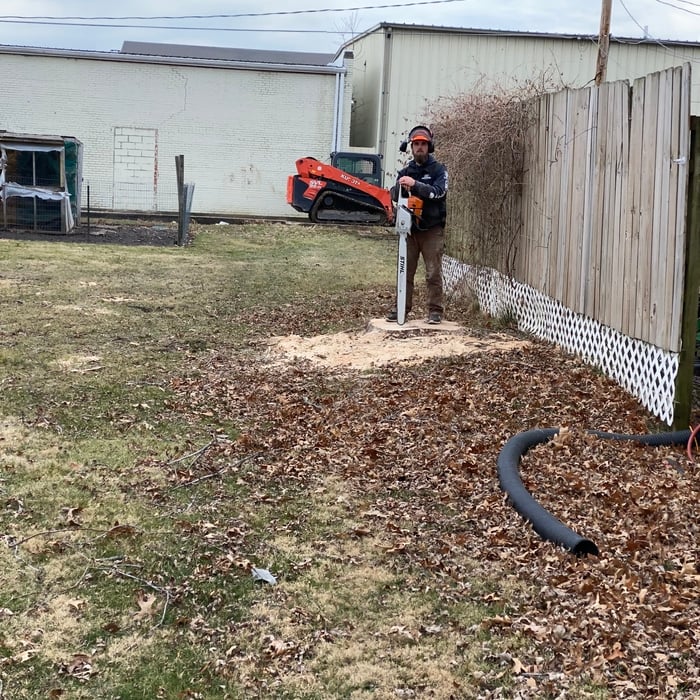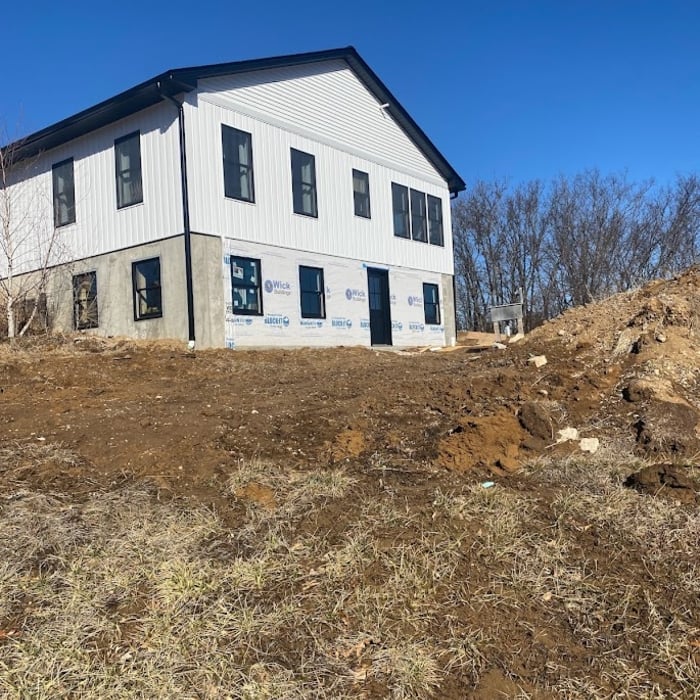







Top-rated excavation pros.

Get matched with top excavation pros in Taylor, MO

Enter your zip and get matched with up to 5 pros

Need a pro for your excavation project in Taylor, MO?

Select your specific project to find the pro for you.

Find Excavation pros in Taylor

Avatar for Meyer Excavating, LLC
Meyer Excavating, LLC
5.0(
2
)

Serving Taylor, MO and surrounding areas

In business since 2022

Free estimates

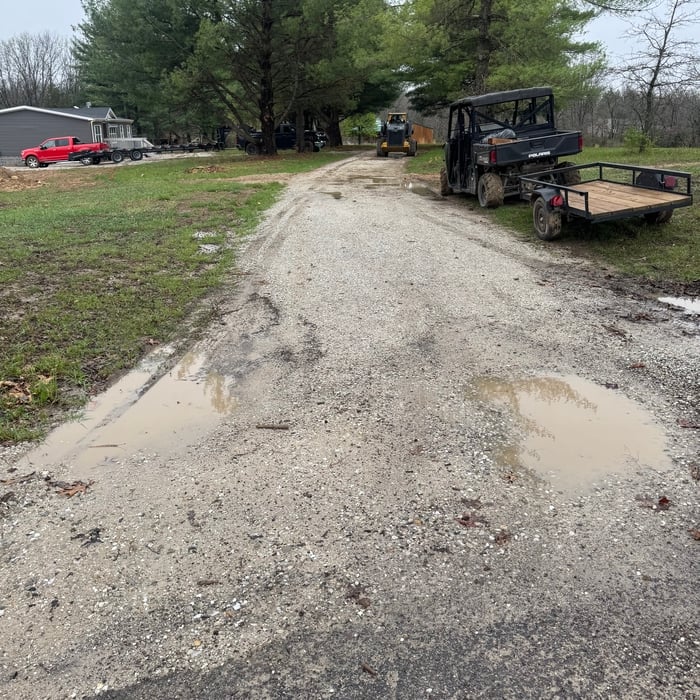
"Called number provided by Angi, received return call within one hour, and had gravel delivered the next day. He even took time to spread and smooth the driveway. Will definitely ire again."
Response time7 hrs
Recommended by100%of homeowners
Roundcount Dozing & Excavating
5.0(
6
)

Serving Taylor, MO and surrounding areas

In business since 2016

Free estimates

Offers commercial services

"Cody was very personal and listened to my request. When I came back to my site after leaving for the day. I found he had done some stuff we talked about but I had decided I would hold off because of budget constraints. When I asked him about it he simply said "I had finished the job sooner than I thought I would and this is on the house. Pretty classy move."
Response time1 day
1 neighbors recently requested a quote

Recommended by80%of homeowners
Showing 1-10 of 28
Excavating questions, answered by experts

To determine whether your homeowners' insurance will cover crawl space repair, consider the cause of the issue. Repair may be covered if the problems were caused by an event that the insurance covers, such as vandalism or a windstorm. However, companies won't cover the repair if the issues are caused by neglect or wear and tear.

Chipmunks dig their burrows about three feet deep and up to 30 feet long. The entrances can be two inches wide or more. Chipmunks are fiercely protective of their burrows and use them to protect the nuts and seeds they gather for the long winters.

Yes, you can excavate in the winter, but it might make the job harder. Frozen ground is harder to dig, and snow or ice can make the work site more hazardous. A contractor may need special equipment and techniques, such as ground-thawing methods, to break through frozen soil. Although winter excavation is possible, it may take longer and be more costly than excavating during warmer months.

In the United States, a depth of 36 inches (three feet) for underground water lines is the accepted industry standard. This depth varies from location to location based on local conditions. In areas with colder winters, they may be buried deeper to prevent frozen well water pipes : This is usually at least six inches below the frost level. The International Plumbing Code calls for a minimum of 12 inches below grade.

The digging depth will depend on the size of the trencher you use. Even smaller units can dig up to 4 feet deep, which is plenty for a DIY job. However, much larger trenchers can reach a depth of 18 feet and are better used by a team of pro contractors, not a single DIYer. As with all home improvement projects, use the right tool for the job and proceed with caution.

The Taylor, MO homeowners’ guide to excavation services

From average costs to expert advice, get all the answers you need to get your job done.

What do you need done? We’ll find top pros.
  • 🌱 "Mow a small front yard"
  • 🛠 "Fix a leaking pipe under the sink"
  • 🏠 "Repair shingles on an asphalt roof"