

Top-rated water softener pros.

Get matched with top water softener pros in Stuart, FL

Enter your zip and get matched with up to 5 pros

Need a pro for your water softener service project in Stuart, FL?

Select your specific project to find the pro for you.

TRUSTED BY STUART, FL HOMEOWNERS

  • Average homeowner rating star icon4.6
    Average homeowner rating
  • Verified reviews icon52
    Verified water softener services reviews
Water Softeners questions, answered by experts
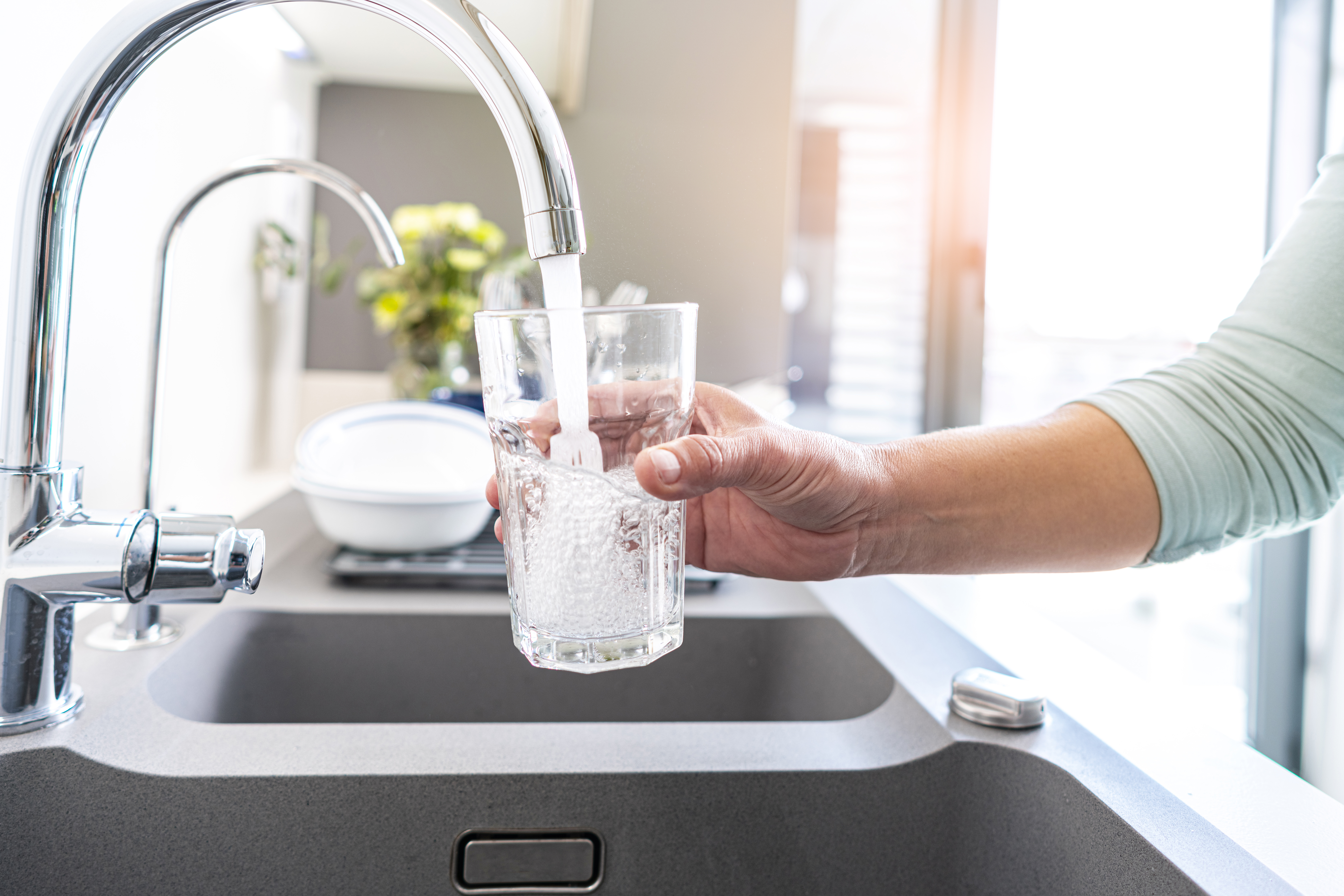
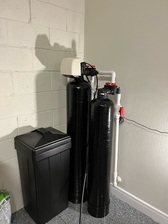
A water softener removes minerals from your drinking water and can make your house water softer. These softeners are designed to extend the lifetime of your plumbing system while also making water safer and more palatable for drinking. Hard water, which is water with a heavy amount of suspended particles, can also cause hair damage, skin irritation, and buildup in your pipes.
If your ‘do isn’t doing what you want it to do despite using good hair care products, hard water might be to blame. Since hard water can’t rinse soap off as well as soft water can, your hair might grow limp because of the shampoo and conditioner residue that’s left behind. If you color your hair, you might see it fade more quickly or even turn a different shade as the dye reacts with the minerals in the water. You might also experience an itchy scalp, thanks to the dryness that comes from bathing in the hard water.

No, hard water isn’t dangerous. The added calcium in hard water can contribute to good bone health. However, it can also cause dry skin and hair. If you have dry skin or hair, consider using a water-softening system to help minimize the minerals in your water. Plus, these systems can also add some sodium to your diet. 

The chemicals in a water softener can wear down the anode rod in the heater and shorten its life span. However, for most people, the benefits of the softener outweigh this potential drawback.

Have a plumber inspect the anode rod annually for damage, as replacing the anode rod is far less expensive than replacing the entire water heater.

Most of the U.S. has hard water, especially across portions of the West and Midwest. The areas with the hardest water include parts of Texas, Oklahoma, Kansas, Colorado, New Mexico, Utah, Wyoming, Illinois, North and South Dakota, Ohio, and New York. You’ll find soft water in parts of New England, the Southeast, the Pacific Northwest, and Hawaii.