
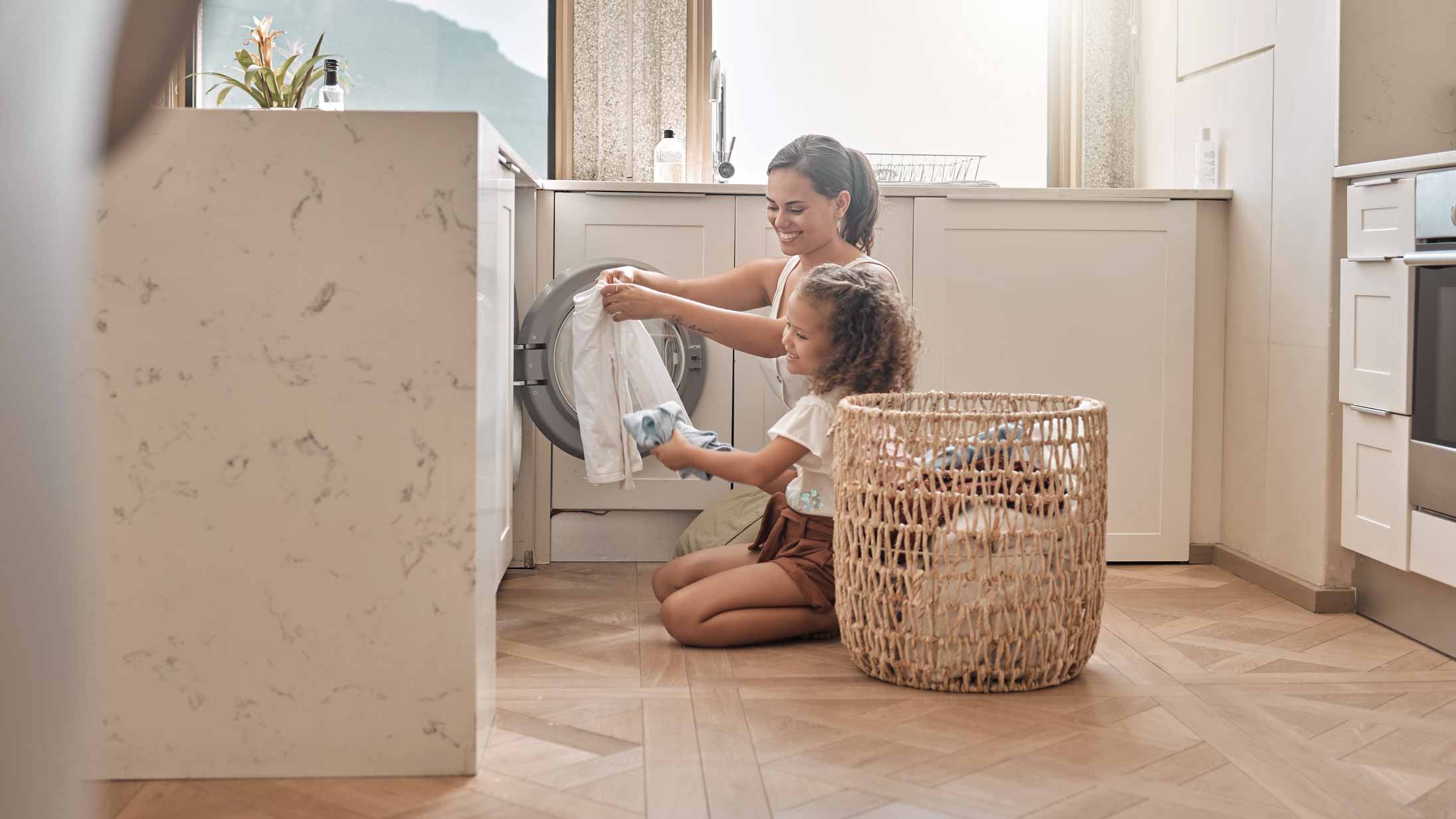
Trying to decide between the different types of water softeners? Our guide will help you choose the right salt-based or salt-free option for your home.
Your hard water solution shouldn’t be so hard

Choosing a water softener starts with testing your water hardness level, which determines the grain capacity you need to effectively remove calcium and magnesium.
Water softener installation averages $1,500, with unit costs ranging from a few hundred to several thousand dollars depending on the system type you select.
Your household size directly affects the water softener capacity you need, as a family of four requires a system that handles at least 320 gallons daily.
Hiring a local water softener installation professional ensures proper sizing and setup, taking the guesswork out of matching your home's water usage and hardness levels.
If you're wondering how to choose a water softener, you've come to the right place. Hard water can cause a variety of problems in your home, from scaling in your pipes to dry skin and dull laundry. Choosing the right water softener can make a huge difference in the quality of your water and the life span of your appliances. We'll walk you through everything you need to consider to make the best choice for your home.
The first step in choosing a water softener is to determine the hardness of your water. Water hardness is measured in grains per gallon (GPG), milligrams per liter (mg/L), or parts per million (ppm). You can use a water hardness test kit, which is available at most home improvement stores, or you can contact a local water softener installation company to test it for you.
Understanding your water hardness level is crucial because it will influence the type and capacity of the water softener you need. Hard water contains high levels of calcium and magnesium, which can cause scaling and reduce the efficiency of your water-using appliances.
Next, think about how much water your household uses on a daily basis. This is important because water softeners are rated based on the amount of water they can soften per day. According to the U.S. Geological Survey, each person uses 80 to 100 gallons of water every day. So, for a family of four, you would need a water softener that can handle at least 320 gallons per day.
To get a more accurate estimate of your water usage, consider factors such as the number of bathrooms, the presence of water-intensive appliances, like dishwashers and washing machines, and any outdoor water use for lawns and gardens.
The grain capacity of a water softener refers to the amount of hardness it can remove before it needs to regenerate. This is expressed in grains per gallon (GPG). To determine the appropriate grain capacity, multiply your daily water usage by the hardness level of your water.
For example, if your household uses 300 gallons of water per day and your water hardness is 10 GPG, you would need a water softener with a capacity of at least 3,000 grains per day. Choose a water softener with a slightly higher capacity than you need to ensure efficient operation and longer intervals between regenerations.
Water softeners come in many sizes, so consider the space you have available for installation. If you have limited space, opt for a more compact model. Measure the area where you plan to install the water softener, including height, width, and depth, and compare these measurements to the dimensions of the units you're considering.
In addition to the physical size of the water softener, consider the accessibility of the installation site. You’ll need access to a drain, a power source, and the main water line. Some water softeners also require a certain amount of clearance around the unit for maintenance and regeneration.

Water softeners fall into two categories: salt-based and salt-free systems. Salt-based water softeners use ion exchange to remove minerals from the water, replacing them with sodium or potassium ions. These systems are highly effective at reducing water hardness but require regular maintenance and the addition of salt.
Salt-free water softeners, also known as water conditioners, neutralize minerals instead of removing them, preventing them from forming scale. These systems are low-maintenance and eco-friendly but may not be as effective in areas with extremely hard water.
When deciding between salt and salt-free systems, consider factors such as water hardness, maintenance requirements, environmental impact, and health concerns related to sodium intake.
Water softeners come in a wide range of prices, from a few hundred bucks to several thousand dollars. Then there’s the cost of water softener installation, which averages $1,500. Set a budget before you start shopping and consider both the initial cost and ongoing expenses, like salt, maintenance, and potential repairs.
It’s tempting to choose the lowest-cost option, but remember that a higher-quality water softener can save you money in the long run by reducing maintenance costs and extending the life of your plumbing and appliances. Look for units with good warranties and strong customer reviews to ensure you're making a wise investment.
Depending on your water quality, you might benefit from combining your water softener with other water treatment systems. For example, if you have high levels of chlorine, iron, or sediment in your water, you might need a whole-house water filter or an iron filter in addition to a water softener.
Combining treatments can provide comprehensive water quality improvement and ensure that all potential contaminants are addressed. Talk to a water treatment professional to find the best combination of systems for your needs.

There are several types of water softeners available, each with its own advantages and disadvantages:
These are the most common type of water softener and use a process called ion exchange to remove hardness minerals. They are very effective and can handle a wide range of water hardness levels. However, they require regular maintenance and the addition of salt.
Salt-free water softeners, or water conditioners, use various technologies to prevent scale formation without removing hardness minerals. They are low-maintenance and environmentally friendly but may not be suitable for very hard water.
Dual-tank water softeners have two resin tanks, allowing one to regenerate while the other is in use. This ensures a continuous supply of softened water and is ideal for large households. These are more expensive and take up more space than single-tank systems.
These systems use magnetic or electronic fields to alter the properties of minerals, preventing scale formation. They are easy to install and require no maintenance, but experts debate their effectiveness. Magnetic and electronic water softeners may not work well in all situations.
If you’re good people wanting to do business with good people, hire Matt. He is a consummate professional and utterly competent. He installed a water heater in my home at a price that beat competitors by hundreds of dollars with a promise to support the unit for its life (even after its 6 yr...
 Greene's Plumbing Services
As usual with ECO, tech Jordan was outstanding, very professional, very knowledgeable, and very thorough with repairs made to tankless water heaters. Very highly recommend ECO!!!
 Eco Plumbers, Electricians, and HVAC Technicians
Did a great job replacing the ice maker and water regulator on my refrigerator. He was quick and thorough, very friendly and professional. If I needed a heart transplant I'd want him to do it!!!
We had a gutter blockage that was causing water to sheet down the side of the house and ultimately it started to come in at a window (need mortar people next). Called around 7:30am, and he responded by 8am. He was able to come out the same morning and do a look over and clean out. He also...
Scott checked our large crawl space for mold and water infiltration and recommended a viable solution. The crew was efficient and they cleaned up well after the job. The job was expensive but I am confident that I won't have to deal with the problem again. Highly recommend.
 AdvantaClean of Dublin
They were the most through inspecting the water system in my house. Even going the extra mile to get the water professionally tested for contamination.
 Hague Water Conditioning, Inc.
It went very well. The drain is absorbing all the access water. I had other estimates a year earlier and Hughes was right on. I will use them, again.
 Hughes Construction Co
Very well. Have already used them again to fix hot water heater
 Service Olympians
The Paul Davis team was very professional and went the extra mile to take care of my water damage. The work was very high quality and done in a timely manner. I would highly recommend their services.
 Paul Davis Restoration
Honesty is hard to find in business today. GBR met me today at a 3 story building regarding my being told that I needed to tuckpoint the brick because of water leaks. The owners took the time to evaluate the situation and advised me that I did not need their service at all. They pointed me...
 GBR Masonry Inc
From average costs to expert advice, get all the answers you need to get your job done.
Trying to decide between the different types of water softeners? Our guide will help you choose the right salt-based or salt-free option for your home.
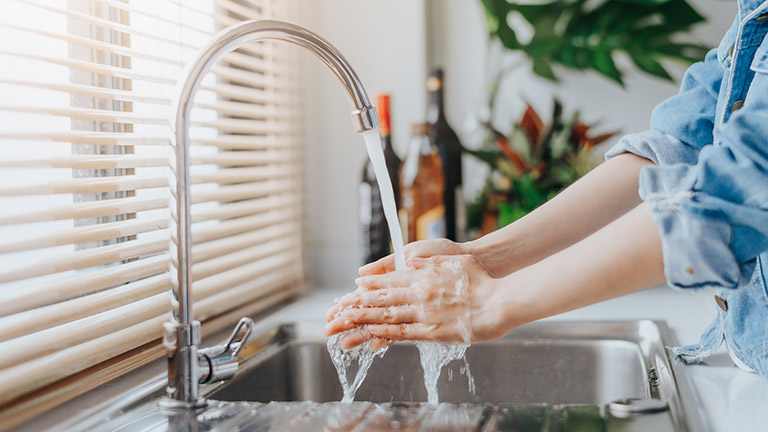
Water softeners remove minerals from hard water in your home and make your water more pleasant to use. Learn more about how they work here.
There are four common softener alternatives available on the market today. We compare and contrast each one to help you find your best-fit solution in this blog.
Need help dialing in your water hardness? Use this handy DIY guide on how to set a water softener to save money and get the best results possible.
There are many pros and cons of salt-free water softeners that could impact your decision to buy one. Stay tuned to learn more about salt-free water softeners.

Water softeners remove hard minerals from your tap water, improving plumbing systems and water-using appliances. Here are the most efficient water softeners out there.