




Top-rated radon detection and reduction specialists.

Best radon detection and reduction specialists near Saint Augustine, FL

Enter your zip and get matched with up to 5 pros

Need a pro for your radon detection and reduction project in Saint Augustine, FL?

Select your specific project to find the pro for you.

Top-Rated Radon detection and reduction specialists in Saint Augustine - Updated Nov 2026

Avatar for American Quality Restoration LLC
American Quality Restoration LLC
5.0(
13
)
Radon Gas - Testing

Serving Saint Augustine, FL and surrounding areas

Approved

In business since 2022

Free estimates

Emergency services offered

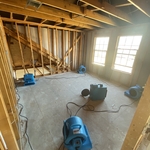
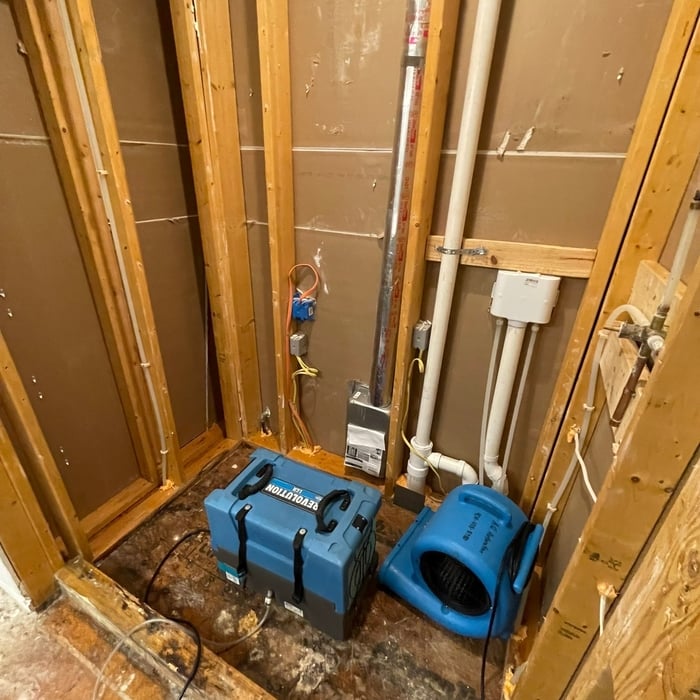
"They were very professional. They showed up when they said they will show up and follow through with the project kept us informed through the whole thing highly recommend. Made our disaster more ch easier to deal with."
Water Damage Project
Water Damage - Gary
Flood Damage - Susan
Water Damage - Julie
Mold Testing & Remediation Project

+12

Response time1 day
Response rate100%
1 neighbors recently requested a quote
All US Mold Removal Jacksonville FL - Mold Remediation Services
New to Angi
Radon Gas - Testing

Serving Saint Augustine, FL and surrounding areas

In business since 2002

You need to know the cost associated with mold removal in Jacksonville area before starting a mold removal project. While knowing national average ( $2,147 ) can give you an idea, but the cost can vary a lot depending on the company you hire and area you need to get cleaned up. Other factors which may affect the final price, are Jacksonville labor hourly rates, material costs and any local permits required for the Jacksonville mold removal project. For more information about All US Mold Removal Jacksonville FL - Mold Remediation Services call (904) 574-5266 .

Radon Detection and Reduction FAQs, answered by experts

Radon detection is crucial as prolonged exposure to radon gas, a leading cause of lung cancer, poses significant health risks in residential environments.

Yes, many systems include warranties for performance. Confirm terms with your installer.

The natural breakdown of uranium in soil, rock, and water can cause radon to appear in a home. The gas seeps into homes through cracks in foundations, walls, or floors, as well as through gaps around pipes or construction joints. Radon levels are influenced by soil composition, building materials, and ventilation. Poorly sealed or airtight homes can trap radon, allowing it to accumulate.

The soil beneath your house is most likely what’s causing an increased level of radon. This is because soil holds radioactivity for a long time and it’s also what most buildings are built on. Another common source of radon is water from a source that hasn’t been through periodic radon tests, such as well water. Over time, the radon from the soil can inhabit other parts of your house like the foundation or plumbing.

No level of radon is technically safe, but since it is naturally present everywhere, it is impossible to avoid entirely. The average radon level in homes across the United States is 1.3 picocuries per liter (pCi/L). The Environmental Protection Agency (EPA) recommends taking action to reduce radon levels if your home's test results are between 2 and 4 pCi/L or higher.

The Saint Augustine, FL homeowners’ guide to radon detection and reduction services

From average costs to expert advice, get all the answers you need to get your job done.