








Top-rated ceiling fan pros.

Best ceiling fan pros near Menlo Park, CA

Enter your zip and get matched with up to 5 pros

Need a pro for your ceiling fan service project in Menlo Park, CA?

Select your specific project to find the pro for you.

TRUSTED BY MENLO PARK, CA HOMEOWNERS

  • Average homeowner rating star icon4.9
    Average homeowner rating
  • Verified reviews icon28
    Verified ceiling fan services reviews

Top-Rated Ceiling fan pros in Menlo Park - Updated Nov 2026

Avatar for LIGHTLINE ELECTRIC INC
LIGHTLINE ELECTRIC INC
5.0(
8
)
Ceiling Fan - Install

Serving Menlo Park, CA and surrounding areas

Approved

In business since 2012

Free estimates

Offers commercial services

We are your trusted family-owned electrical company that has been proudly serving our community for 13-years. We offer expert solutions for all residential needs from installations to repairs including remodels and new builds. We provide quality craftsmanship, fair and transparent pricing, and exceptional customer service. Trust our family to keep your home or business operating safely. Call our business today for a free estimate!

Response time10 hrs
Response rate97%
1 neighbors recently requested a quote
Avatar for Sepanta Electric, Inc.
Sepanta Electric, Inc.
5.0(
6
)
Ceiling Fan - Install

Serving Menlo Park, CA and surrounding areas

Approved

In business since 2016

Free estimates

Warranties offered

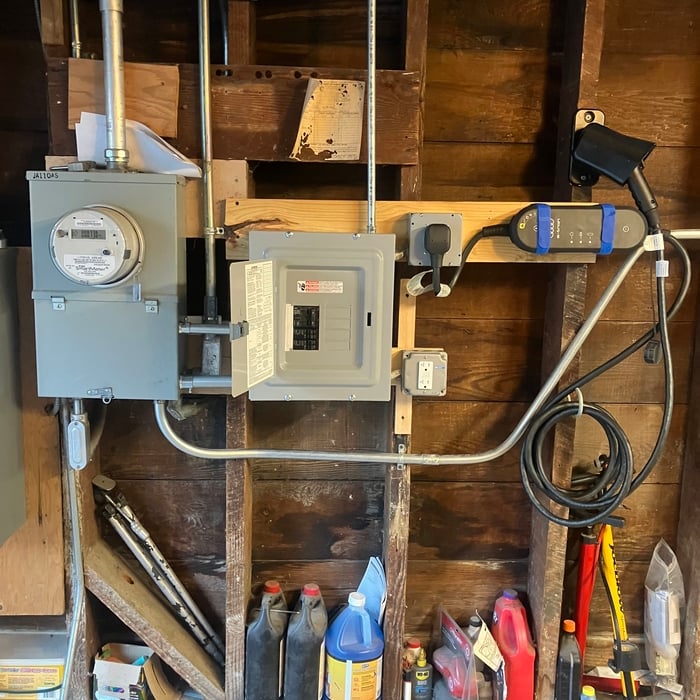
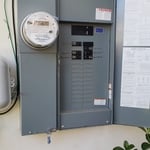
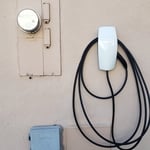
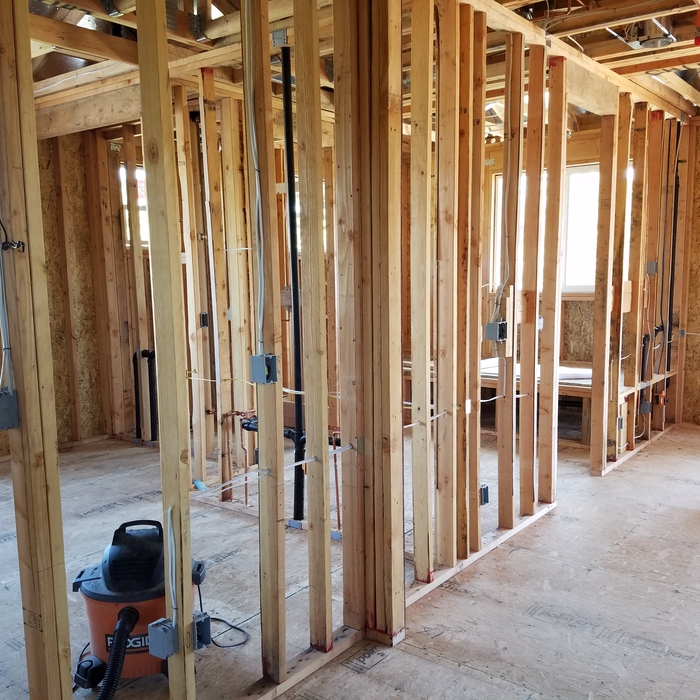
"Sepanta Electric – Exceptional Full House Rewire I hired Sepanta Electric for a complete home electrical rewire, and the experience exceeded expectations from start to finish. Ben was a pleasure to work with — patient, communicative, and flexible through multiple change orders without ever making the process feel complicated. The scope of work was extensive: upgrading the main panel from 100A to 200A, installing 2 subpanels, and connecting a 28.8kW electric water heater. Despite the complexity, the project came in on time and on budget with zero delays. What really sets Ben apart is that he works hands-on alongside his team during the electrical work — a rarity that translates directly into savings for the customer and tighter quality control. After getting 6 competing quotes, Sepanta came in at a fair price without cutting corners. Highly recommend Ben and the Sepanta Electric team for any project, big or small."
Panel upgrade
Tesla charger
inside wiring
inside wiring
inside wiring

+52

Response time9 hrs
8 neighbors recently requested a quote
Recommended by66%of homeowners
...
Showing 1-10 of 85
Ceiling Fans FAQs, answered by experts

The direction you want your ceiling fan to move in depends on the season you’re in. During summer, you want it to move counterclockwise to produce a cooling downdraft. During winter, you want it to move clockwise to circulate warm air throughout the room.


To determine if your ceiling box can support a fan, you must check if it is specifically fan-rated. Manufacturers are required to indicate this on the box itself. You may need to remove the existing light fixture to look inside the ceiling box for an inscription stating it is rated for fan use. If you do not see this confirmation, the box is likely not strong enough and must be replaced with a fan-rated junction box. For a proper and safe installation, you should also use a fan brace to secure the new box between the ceiling joists, which provides the necessary support for the fan's weight and motion.

There are many types of ceiling fans, from self-automated smart ceiling fans to outdoor ceiling fans that provide additional comfort to your patio. What you choose all comes down to function and personal taste.

Consider your ceiling height when selecting a ceiling fan. Rooms with ceilings under eight feet high will do well with low-profile ceiling fans, also known as flush-mount or hugger ceiling fans. If your home has cathedral ceilings or ceilings between 10 and 25 feet high, you’ll need a large ceiling fan with a heavy-duty motor to get adequate air circulation.

The more surface area that a ceiling fan blade has, the more effective it will be at producing airflow. Therefore, a longer ceiling fan blade is the better option if you’re looking for more wind. However, a longer blade will consume more energy than a shorter blade.

Essential tools for ceiling fan installation include a ladder, screwdriver, pliers, wire strippers, and a circuit tester. If the ceiling is angled or features unique configurations, ensure the availability of a compatible mounting bracket.

The Menlo Park, CA homeowners’ guide to ceiling fan services

From average costs to expert advice, get all the answers you need to get your job done.