

•
Discover the cost to install a ceiling fan, including labor, materials, and tips to save. Learn what impacts your price and how to budget for your project.
Ceiling fan service costs depend on your project and location. Check with a local pro for your specific job.

Ceiling fan motor repairs cost $100 to $350, while your pull chain or wall switch repairs range from $85 to $150.
The specific ceiling fan component causing your trouble determines the repair cost, with motors being the most expensive and pull chains the least.
You should account for labor costs between $50 and $150 per hour when you create your ceiling fan repair budget.
Hiring a local electrical professional ensures your ceiling fan repair is done safely and prevents wiring mistakes or electrical hazards.
Ceiling fans have many parts, so which one is causing you trouble will greatly affect the cost. The cost of this project will depend heavily on what type of repair you need: pull chain, wall switch, blades, or motor.
| Repair Type | Cost Range |
|---|---|
| Pull chain | $85–$150 |
| Wall switch | $90–$150 |
| Motor | $100–$350 |
| Ceiling fan blades | $90–$125 |
If you've noticed that the fan isn't turning on or changing speeds when you pull on the chain, that means it is time to replace it. Repairing this item will typically cost $85 to $150 if you hire a professional to do it. However, it will only cost a few dollars if you are able to take apart the ceiling fan unit, remove the old pull chain, and hook up the new pull chain.
Many ceiling fans are controlled by a wall switch. You may need a local electrician to check the circuit breaker or look for loose wires if it's not turning the fan on, which should cost $90 to $150.
The most expensive fix likely is going to be the motor. A technician can examine your fan to determine if you have a problem with the wiring and, if not, start running some tests to look at the capacitor or motor. Replacing either will cost you $100 to $350.
If your ceiling fan blades are damaged for some reason, you’ll need to replace them. You can get a set of five blades online for between $30 and $50. Including the cost to install them, it may cost between $90 and $125 to replace all of the blades.
To repair a ceiling fan, the costs will be pretty straightforward:
Labor
Materials (aka the parts that need replacing)

Unless you perform the repair yourself, you’ll need to pay a professional to repair your ceiling fan. Typically, this is a good job for a handyperson, and their services typically cost between $50 to $150 per hour.
However, you may have to call in an electrician for something like a wall switch. Hiring an electrician typically costs $50 and $130 per hour, plus a service call fee ranging from $100 to $200 per visit. A task like repairing a ceiling fan usually tends to be on the low end of the price range.
| Type of Professional | Cost Range |
|---|---|
| Handyperson | $50–$150 per hour |
| Electrician | $50–$150 per hour |
| Other repair pro | $50–$175 per job |
As previously noted, the cost of materials can vary greatly depending on what’s going wrong with your ceiling fan. You may only need to pay a few dollars for a pull chain, or you could pay around $50 for ceiling fan blades.
Ceiling fan repair may seem straightforward, but diagnosing electrical issues, balancing blades, or fixing internal components often calls for professional experience and proper tools. A DIY repair job is easy to botch and can lead to wiring mistakes or safety hazards, which often increase repair costs.
Hiring a local ceiling fan repair company can ensure the fan runs safely and efficiently without guesswork.
A ceiling fan repair pro can quickly identify the root cause of fan issues and make safe, lasting repairs.
Licensed pros can safely diagnose electrical problems without risking shocks or code violations.
Fan repair pros have the tools and expertise to balance blades, fix motors, and repair faulty switches or remotes.
A pro can figure out whether the fan is repairable or if replacement is more cost-effective.
Repairs are completed faster and more reliably, preventing repeated troubleshooting.
Proper repairs extend the life of your fan and can improve airflow and performance.
Although complete repair should be handled by an expert, you can safely handle some basic troubleshooting before calling a pro. Here’s what you can do yourself:
Check and reset breakers or wall switches that may have been tripped.
Tighten visible screws on the fan blades or mounting brackets to reduce wobbling.
Replace parts like pull chains, light bulbs, or remote batteries.
Clean the fan blades and motor housing to remove dust buildup.
Note any noises, wobbling, or behavior patterns to share with the repair company.
If you want to reduce ceiling fan repair costs, there are two main things you can do: do the project yourself and keep the fan properly maintained.
Because labor makes up a significant portion of a ceiling fan repair project, you can save the majority of the expenses by just doing it yourself.

Yes, even ceiling fans need maintenance. One of the best things you can do is regularly clean your fans. This step prevents dirt, grime, and dust that can build up and lower the performance of the ceiling fan.
Clean the fan with a damp cloth at least once per year, and ideally every few months. Some fans also require periodic lubrication; check your owner's manual to see if yours is one of them.
If you can, replace small, affordable parts of your ceiling fan instead of replacing the entire fan to save on repair costs. Remember, fixing a repair chain can cost just $10 if you DIY it—considerably less than the cost of replacing the fan. Installing a new ceiling fan costs between $140 and $350 on average, but prices can go for as little as $85 or as much as $650.
Share with your fan repair pro the brand and model of the fan, its age, and what issues you’re experiencing.
Consult your pro about the project timeline and what the repair process entails.
After they inspect the fan, ask your pro whether replacement is a better option if repair costs are high.
Home is the most important place on earth, which is why Angi has helped more than 150 million homeowners transform their houses into homes they adore. To help homeowners with their next project, Angi provides readers with the most accurate cost data and upholds strict editorial standards. We’ve surveyed thousands of real Angi customers about their project costs to develop the pricing data you see, so you can make the best decisions for you and your home. We pair this data with research from reputable sources, including the U.S. Bureau of Labor Statistics, academic journals, market studies, and interviews with industry experts—all to ensure our prices reflect real-world projects.
Want to help us improve our cost data? Send us a recent project quote to [email protected]. Quotes and personal information will not be shared publicly.
Great company! Price was competitive, technician showed up on time and completed the job (exterior electric Radon fan replacement) quickly. Would hire them again.
 MaGen Property Inspections and Radon Mitigation
Best decision was going with PatchMaster. Greg was wonderful / responsive & Dave did wonderful work. Got me on the schedule quick, matched my popcorn ceiling perfectly, finished the job quick, and was so kind & reasonably priced. Will absolutely be hiring again
 PatchMaster
Jeff was a consummate professional. Responsive, courteous, and focused on meeting our needs. I had a small project of installing and replacing two ceiling light fixtures. He responded to my Home Advisory inquiry within 24 hours and in a span of two weeks our light fixtures were installed. ...
Involved an extensive bathroom remodel, including removing tub & installing walk in shower, new drywall, custome tile work to ceiling, plumbing, etc. Overall, job was done on time and on budget. Nick & his team were very professional and had high attention to detail. Quality was great. Highly...
 Stamos Flooring and Remodeling LLC
Mike and his crew did a great job working through a very challenging task. The job required a full demolition of our ceiling, removing the blown in insulation and removing all the material from the site daily. It involved multiple inspections from the city and many challenges to get the...
 Rising Height Unlimited
Awesome company. Had a jacuzzi tub taken out and replaced with huge walk in shower with partial glass enclosure. Onyx to the ceiling with a decorative border, moved plumbing and installed hand held shower, new ceiling, flooring, and paint. Replaced window with glass block. Everything was done...
 Columbus Bath Design
There isn't much I can add that hasn't already been said about Rhino Painting. Outstanding service and communication from the first phone call through the end of the project, we could not be happier with this company. They painted our kitchen, living room, ceiling, starirwell and wood work,...
 Rhino Painting & Color Consulting LLC
Charlie recommended a separate fan with new lighting to clear steam from the room better. Several weeks ago I contacted Charlie via email to ask about pricing and scheduling, after one follow up he did reply with cost and said it would be about two weeks before he could do the work. I replied...
 Settle Muter Electric
Scott was awesome! This job was not an easy one, especially the relocation of the cable in the Great Room. I had called several other companies on Angie's list only to be turned away due to the tight timeline I was under or the anticipated difficulty of the work. <br /> Scott was realistic...
 SIGNAL DIRECT SYSTEMS
After struggling throgh attempts to fix a persistently leaky skylight, I called Bob at Skylights Plus to check it out. Given the fact that previous attempts to repair the flashing/roofing around the skylight didn't work, he recommended a full replacement. <br /> Even though the weather...
From average costs to expert advice, get all the answers you need to get your job done.
Discover the cost to install a ceiling fan, including labor, materials, and tips to save. Learn what impacts your price and how to budget for your project.
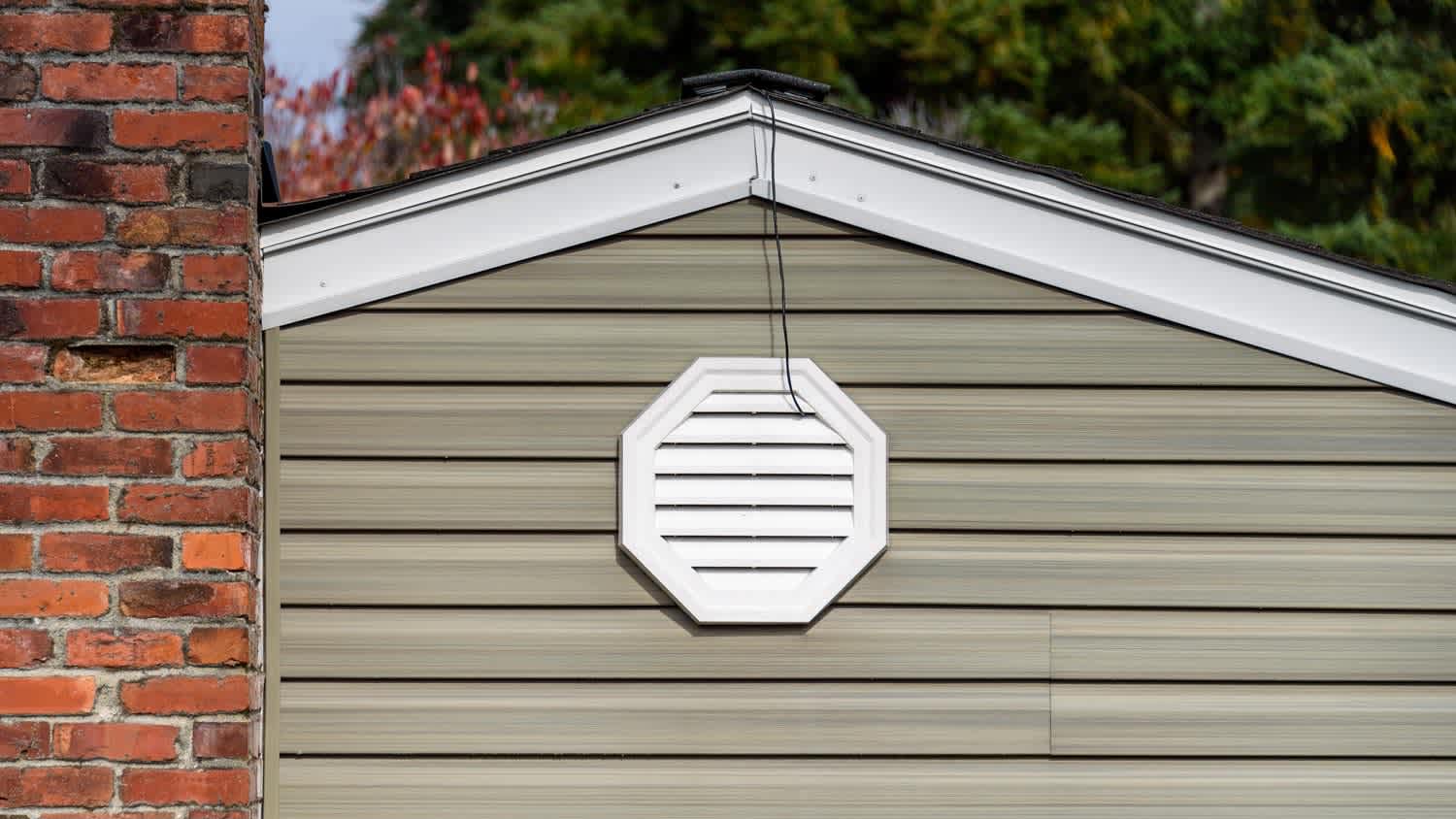
Get a clear estimate for attic fan repair costs to learn what impacts pricing, how to save, and whether to repair or replace your attic fan.

A ceiling repair averages about $1,000, but multiple factors affect this number. Learn more about creating an accurate ceiling repair cost estimate with our tips.
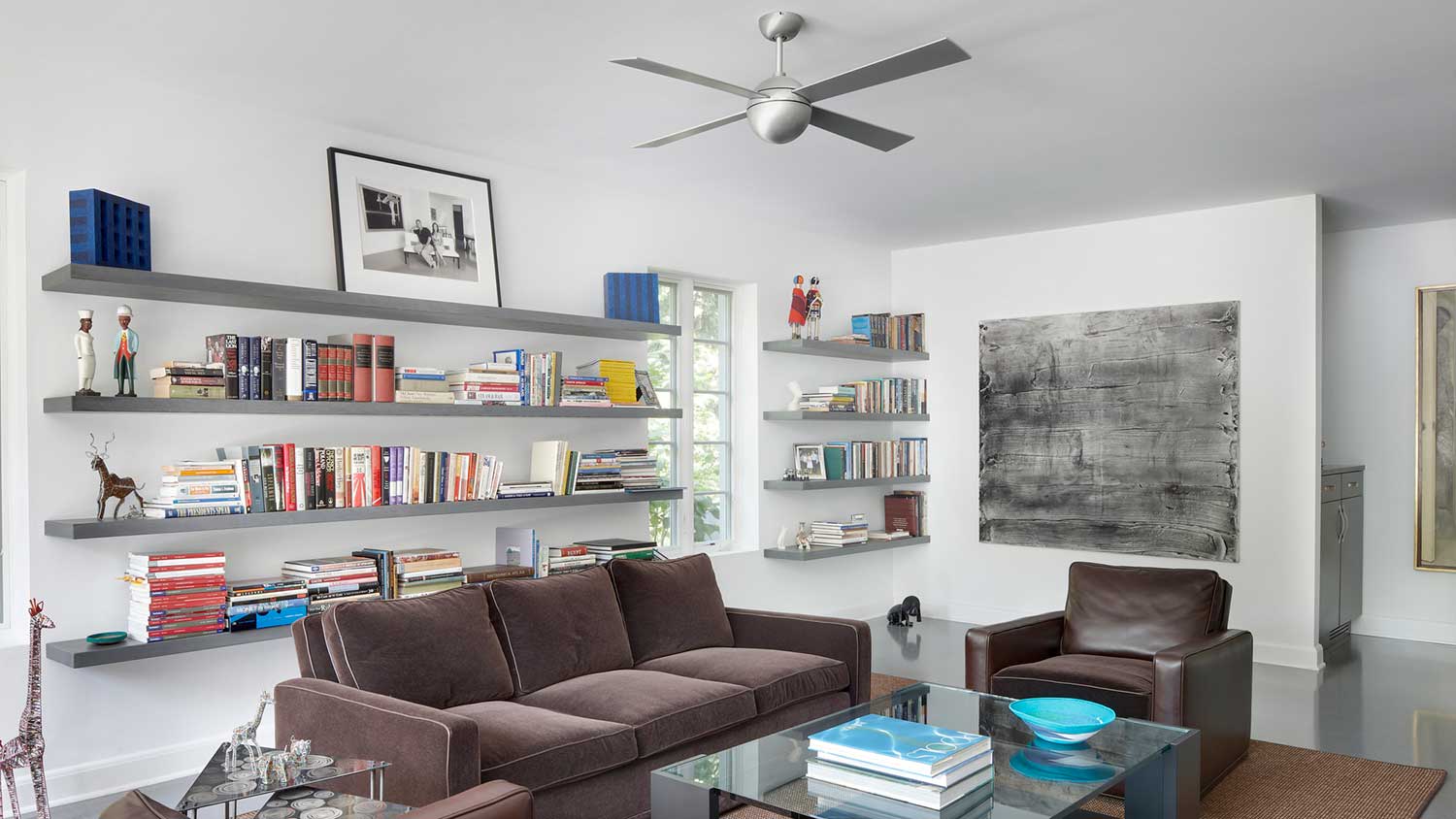
Is your fan wobbling or making strange noises? Learn about ceiling fan repair costs, warning signs, and how to hire the right pro.
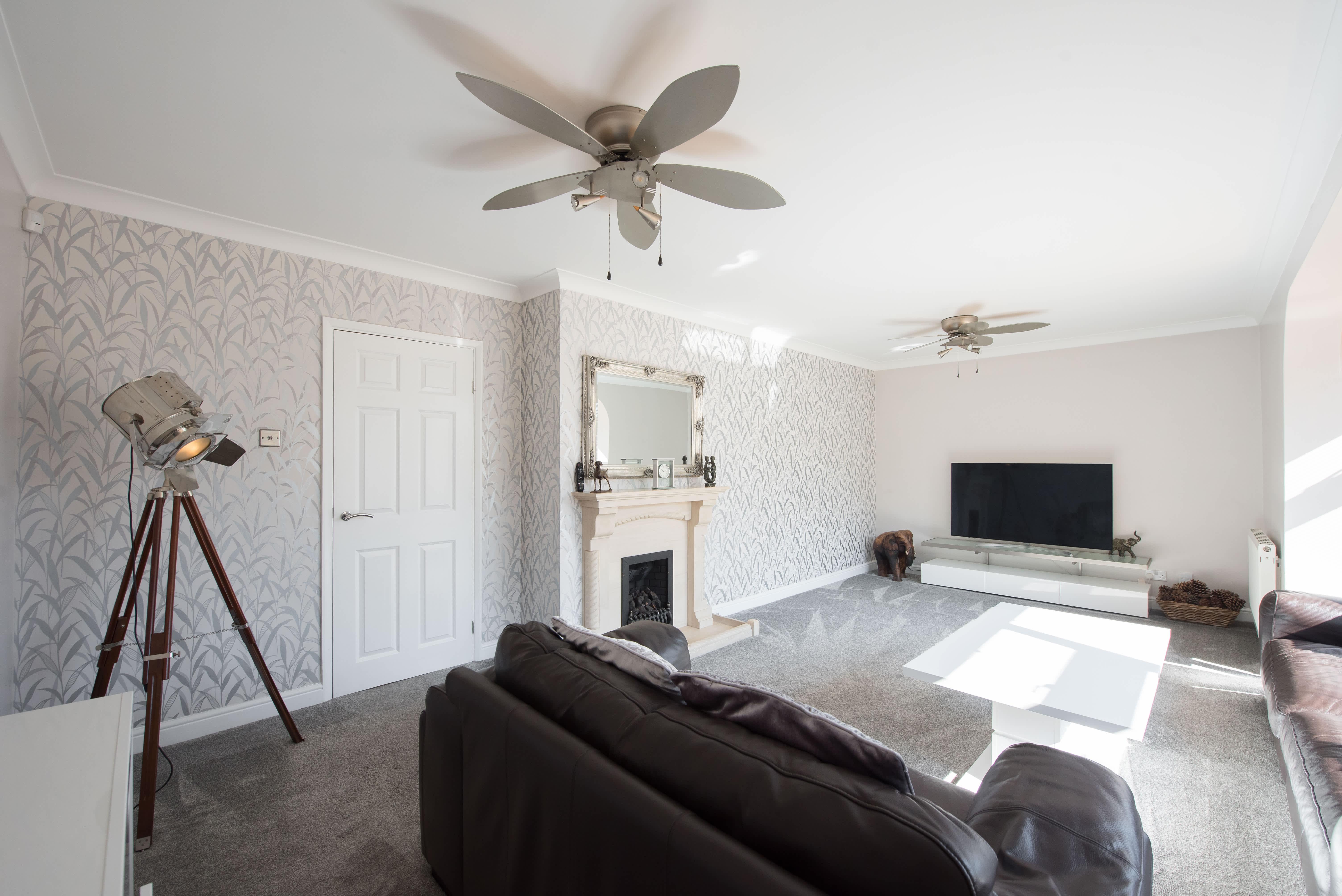
Although the risk is low, there are a few telltale signs that a ceiling fan will fall off your ceiling. This guide explains when to worry (and when not to).

Ceiling fan stopped spinning? Follow our hiring guide to learn how to pick the best fan repair pro or installer and how to prepare for the visit.