"Hector was very professional in providing estimates and answering question during during the survey. I would recommend him to others that might be considering similar services."
"Shannon arrived promptly at the scheduled time. He was very personable, courteous, and thorough and even developed an immediate relationship with our three big dogs. Shannon is a resident of Maricopa as well as a home owner and very active in our community. It s obvious he takes a great deal of pride in his professionalism and thoroughness. He spent over 3 and one half hours evaluating interior and exterior structures as well as mechanical systems, heating system, plumbing system, grounds and yard, etc. Shannon provided his results in a written report (via PDF format) which we could then forward to our builder. We didn t realize how little we actual knew about our house until Shannon s inspection. All things considered and according to our estimates his visit saved us about $3,000 in potential repairs. We now have the knowledge and comfort of knowing the real condition of our home. We have peace of mind and feel the resale value of our home is secure."
"It went exactly as planned. Adan Montoya was very communicative, helpful and patient throughout the project. He is friendly, fair, conscientious and hard working."
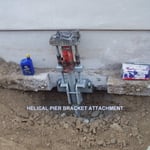
"A -PAC was not too eager to do the job. They never called back after I discussed my chimney problem with Bob. Another company did the repair and did a wonderful job using 4 helical piers stabilizing and jacking the chimney up to it's original position. I would strongly recommend that you include this company in your list of foundation contractors."
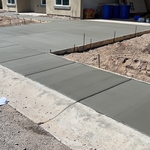
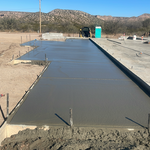
Here at Garcias Constructors we work hard every day to meet and exceed any Excavation,Grading,Asphalt prep, Drainage/Pipe, Gravel, Pads, projects you need done. Any type of Concrete.
The premise for painting a brick building is fairly simple: Prime the bricks to seal the surface and apply the top coat to protect your brick home. However, it’s easy to miss a few important steps if you’re starting from a raw brick surface and don’t know the basics of how to paint brick. So be sure to reach out to a local professional painter if you have any reservations about correctly painting your brick house.
Yes, you can cut patio stones with a circular saw. Similar to using an electric grinder, you will need to use a diamond blade as this is the most effective blade for cutting a material like stone. The stone must be wet when using a circular saw to ensure the cut is smooth.
Yes, you can technically use a pressure washer to remove paint from brick, but it comes with a significant risk of damaging the brick surface. A high-power pressure washer can be fast but may leave the brick looking unsightly. The recommended method is to first apply a chemical paint stripper, following the product's instructions, and then use a stiff metal bristle brush or a pressure washer on a low-pressure setting to remove the loosened paint. Due to the risk of damage, it is often best to hire a professional who can use low-stress methods.
You will repoint over a fraction of the old mortar, but you should scrape away 1/2 to 1 inch of mortar from the joints before repointing. Otherwise, the repointing is only masking the weakened mortar instead of actually replacing it, which could put your chimney at risk of bigger, more expensive damages later on.
Initially, brick staining is not cheaper than painting. However, while it has a higher up-front cost, it may be more cost-effective in the long run. Brick stain can last for 20 years or longer, compared to paint, which usually starts to peel away in three to five years.
The Round Rock, AZ homeowners’ guide to masonry services
From average costs to expert advice, get all the answers you need to get your job done.
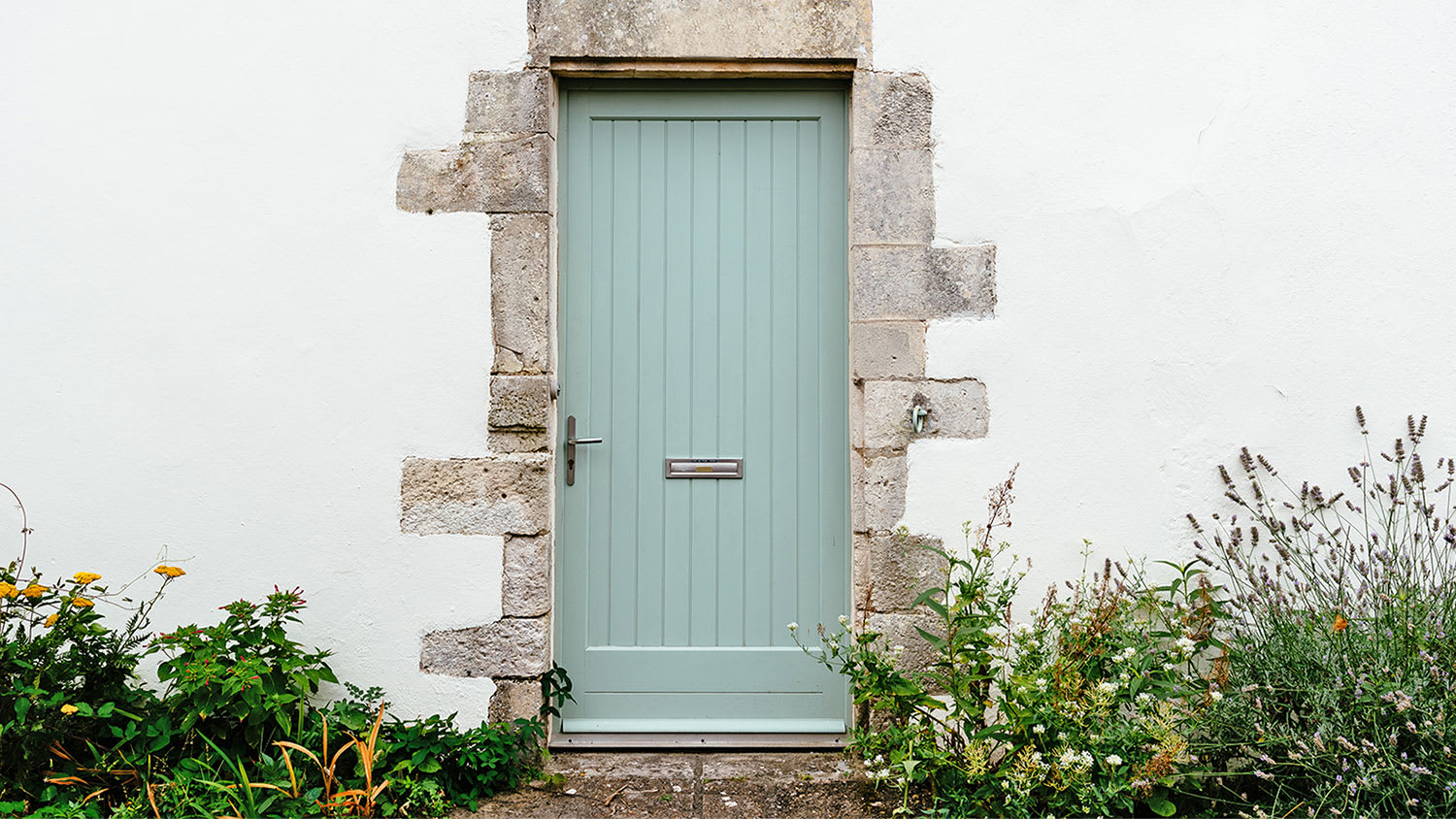
Door or window lintel replacement costs $400 on average, but there are ways you can save. On the other hand, complicated work will increase costs considerably.
Need to repoint brick in your home to make your home look fresh and new? Use this guide to repointing brick cost to price out your project before starting.
This guide features information on the costs to repair a brick wall, whether or not you need a brick mason to complete spalling, tuckpointing, or a full restoration.
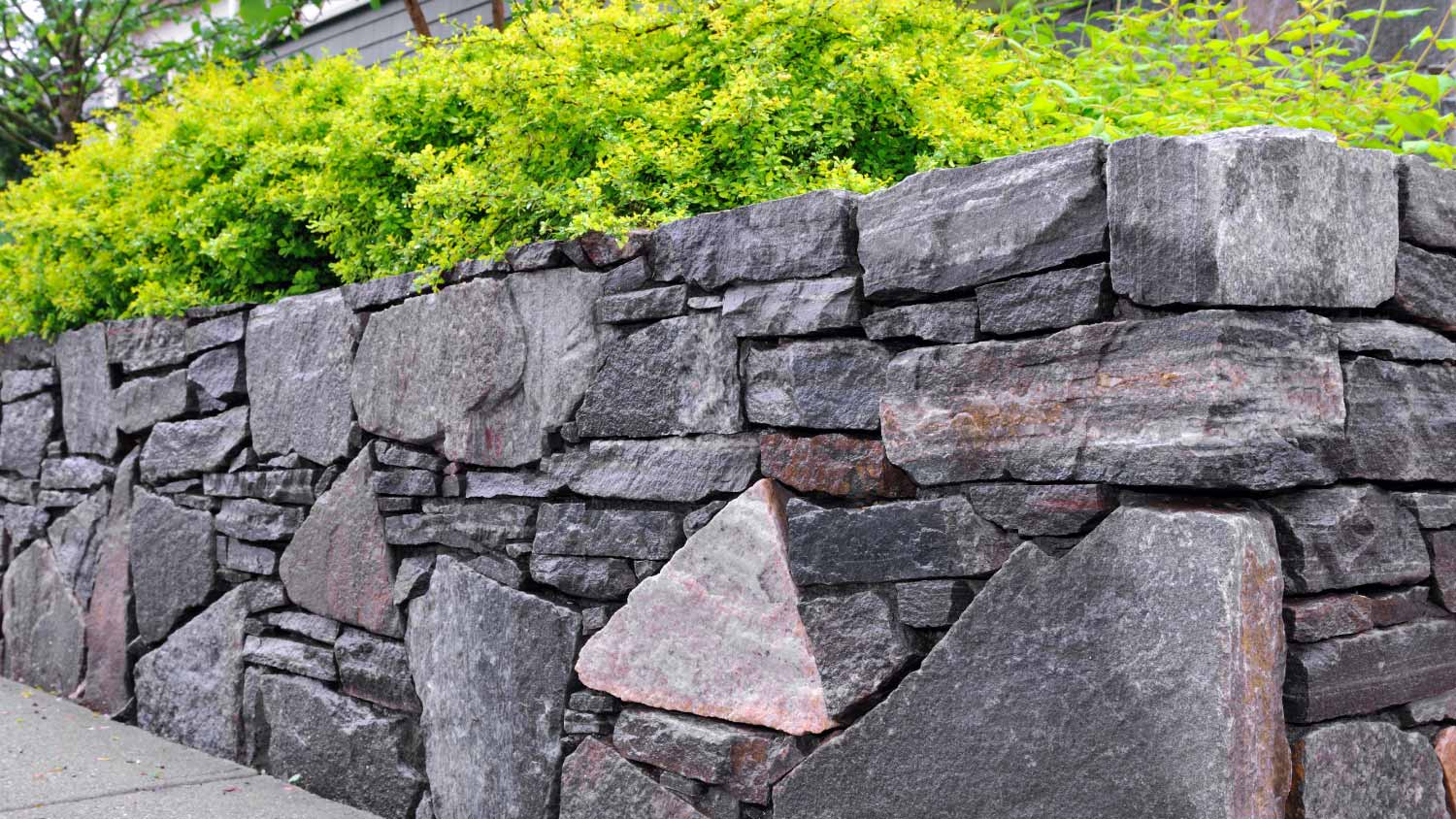
Discover the wide variety of masonry materials for your next home upgrade project. Our guide covers the different types of materials to choose from and more.
When it comes to masonry versus concrete, it can be easy to confuse the two. Use this guide to learn about the differences in appearance, strength, and more.