Since 1988, Arizona Foundation Solutions, LLC has served the Greater Phoenix area, providing long-term solutions for structures with foundation problems. No two structures are alike, which is why we take the time to thoroughly assess your problem to determine the best solution for your foundation or concrete slab. We also provide Stem Wall Repair services in the metro Phoenix & Tucson areas!\n\n
Groundworks is the North America's leading and fastest-growing foundation repair and water management solutions provider. Groundworks is a vertically integrated company with its own manufacturing operations and a world-class software solution, allowing us to serve our customers more effectively. From the first phone call to the annual maintenance offered, our customers have peace of mind knowing we're there with one mission to repair, protect and improve their home. For state licenses visit Groundworks.com/licensing
2012 Maricopa Business of the Year. Arizona's premier home inspection company. Thermal imaging certified, no extra charges for pools. Statewide service. We schedule termite Inspections as part of our Inspections. A Rated BBB. 6 month warranty included with every inspection. 7 day per week service. \nwww.arizonainspections.com\nOffice 520-208-2590
We have the experience and dedication to get the job done right! Specializing in Painting and Landscaping services; We guarantee your satisfaction, and we won't leave until the job is done right. We pride ourselves on the quality work we provide, while delivering great customer service! Call or\nclick for your FREE estimate today!\n
Our mission at Hampton Enterprise LLC is to provide clients with superior customer service, quality work and speedy service in all aspects of their home improvement needs. Licensed, insured and trusted since 1989; come discover the Hampton difference today!\n\nWe specialize in the installation and repair of Windows, Doors, Flooring, Sinks, Bathtubs, Showers, Sprinkler Systems and much more. We also offer Interior and Exterior Home Painting, Custom Welding Fabrication and Carpentry.Localy in your area just call and i will call back with a local number thank you . from James Hampton\n\nAL.Dothan 334-648-3817,\nAL Birmingham 334-648-3817,\nAL Huntsville 334-648-3817,\nAL Mobile 334-648-3817,\nAL Tuscaloosa 334-648-3817,\nAL Montgomery 334-578-4761,\nAR Little Rock 334-648-3817,\nAZ Phoenix 334-648-3817,\nCA LosAngeles/Sacramento 334-648-3817,\nCO Denver/Colorado Springs 334-648-3817,\nCT Hartford 334-648-3817,\nDE Dover 334-648-3817,\nFL Tallahassee 334-648-3817,\nFL Cape Canaveral/ Cocoa 334-648-3817,\nFL. Destin 334-648-3817,\nFL Gainsville 334-648-3817\nFl Jacksonville 334-648-3817,\nFL Orlando 334-648-3817,\nFL Panama City 334-648-3817,\nFL Tampa 334-648-3817,\nFL Miami 334-648-3817,\nGA Atlanta 334-648-3817,\nGA Albany 334-648-3817,\nGA Augusta 334-648-3817,\nGA Columbus 334-648-3817,\nGA Macon 334-648-3817,\nGA Valdosta 334-648-3817,\nIA Des Moines 334-648-3817,\nID Boise 334-648-3817,\nIL Chicago/Springfield 334-648-3817,\nIN Indianapolis 334-648-3817,\nKS Levenworth/Topeka 334-648-3817,\nKY Frankfort 334-648-3817,\nLA New orleans/Baton Rouge 334-648-3817,\nMA Boston 334-648-3817,\nMD Annapolis 334-648-3817,\nME Augusta 334-648-3817,\nMI Detroit/Lansing 334-648-3817,\nMN Saint Paul 334-648-3817,\nMO kansas City/Jefferson City 334-648-3817,\nMS Jackson 334-648-3817,\nMS Biloxi 334-648-3817,\nMS Gulf Port 334-648-3817,\nMT helena 334-648-3817,\nNC Raleigh 334-648-3817,\nND Bismark 334-648-3817,\nNE Lincoln 334-648-3817, \nNJ Trenton 334-648-3817,\nNM Santa Fe 334-648-3817,\nNV Carson City 334-648-3817,\nNV Las Vegas 334-648-3817\nNY Albany 334-648-3817,\nOH Columbus 334-648-3817,\nOK Oklahoma Ciy 334-648-3817,\nOR Salem 334-648-3817,\nPA harrisburg 334-648-3817,\nRI Providence 334-648-3817,\nSC Columbia 334-648-3817,\nSD Pierre 334-648-3817,\nTN nashville 334-648-3817,\nTX Austin 334-648-3817,\nUT Salt Lake City 334-648-3817,\nVA Richmond 334-648-3817,\nVT montpelier 334-648-3817,\nWI Madison 334-648-3817,\nWV Charleston 334-648-3817,\nWY Cheyenne 334-648-3817
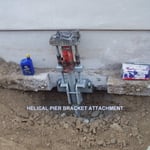
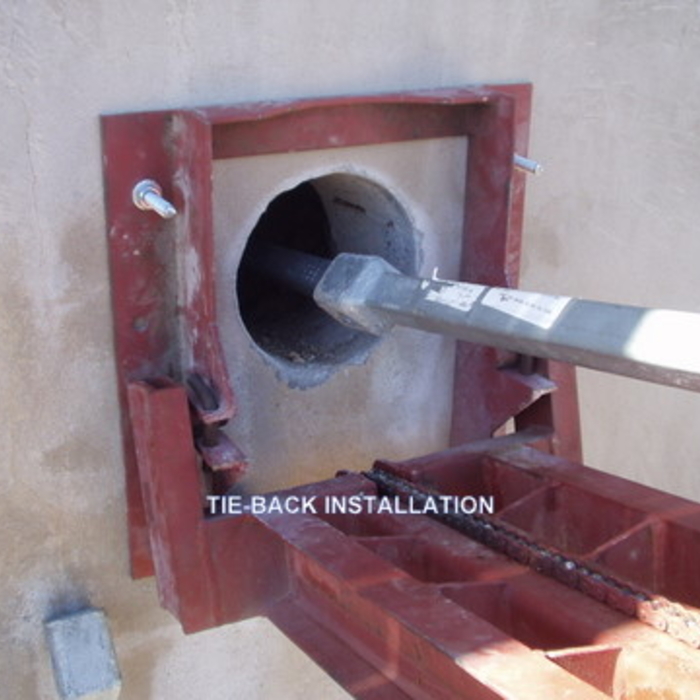
At A-PAC Pressure Grouting, Inc., we have dedicated ourselves to providing a permanent foundation repair solution to your home, building or structure. With over 65 year�s in-house experience in the foundation repair industry, we can help resolve your foundation problems cleanly and efficiently using Chance Helical Piers or a combination of piers and pressure grouting.
\nWe will do quality work without selling you unnecessary services.
\n
\nWhy you should consider us?
\n
\n � Over 65 years in house experience in foundation repair.
\n � Backed by over 100 years engineering by Chance.
\n � Professional well trained crews.
\n � Fully licensed, insured, and bonded.
\n � OSHA and MSHA trained.
\n
Here at Garcias Constructors we work hard every day to meet and exceed any Excavation,Grading,Asphalt prep, Drainage/Pipe, Gravel, Pads, projects you need done. Any type of Concrete.
If you’re attempting to mix and pour your own mortar, expect to pay between $5 to $10 for an 80-pound bag of mix. The cost to repair mortar, however, can range from $300 to $500 for a 20-square-foot wall. The larger the area and the more extensive the repair, the higher the cost.
Yes! Hot glue is an excellent—and temporary—way to spread holiday cheer with Christmas lights without damaging your brick exterior.
In most cases, painting your brick house is a fine idea that can open up new aesthetic possibilities. However, the paint can slightly shorten the life span of brick, especially if moisture gets trapped underneath the paint layer. Once you paint, you’ll have to keep up with maintenance to avoid flaking and blisters.
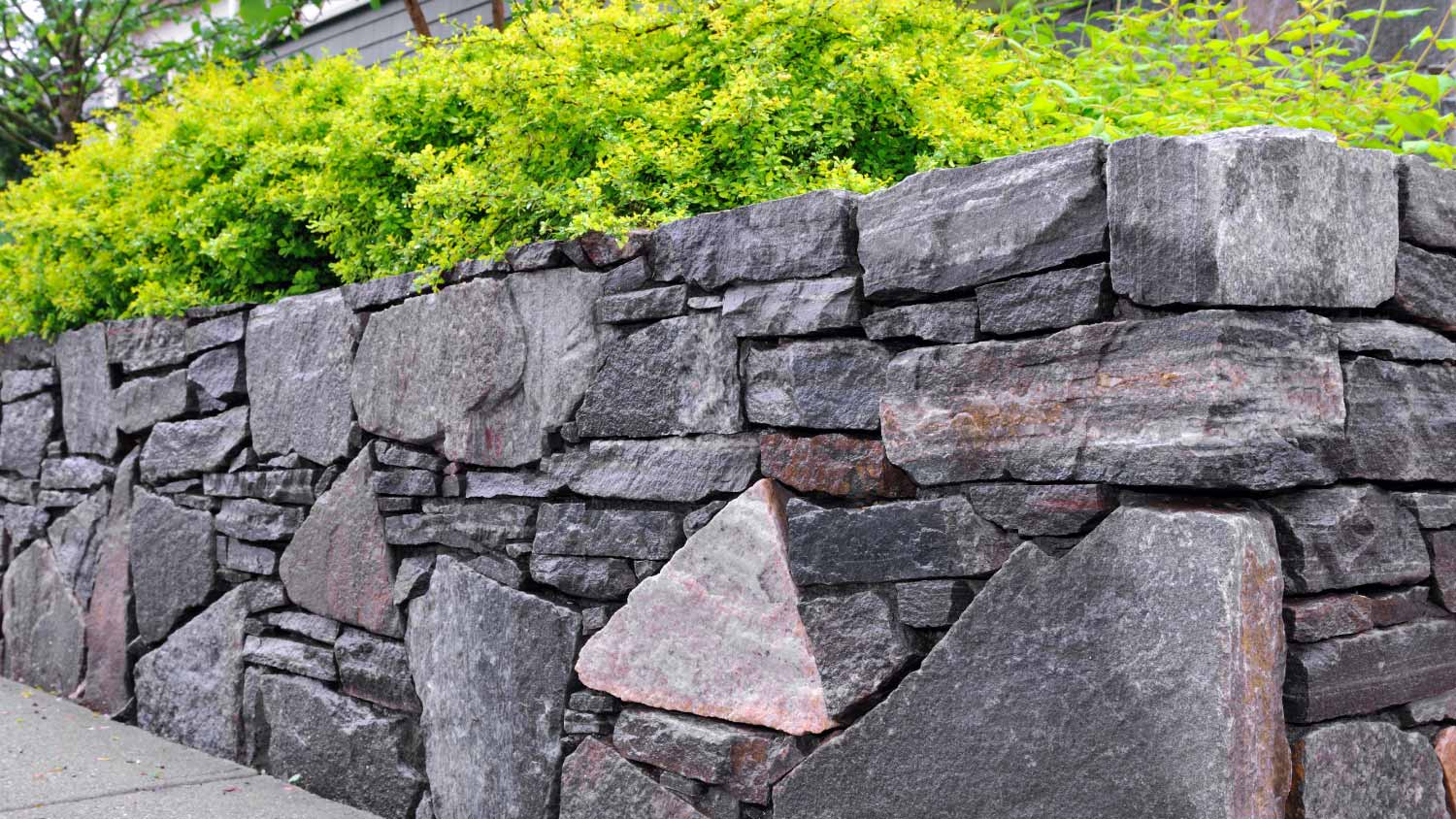
Choose from an abundance of natural and synthetic options when perfecting your hardscape design. Stone veneer costs a bit less, holds up against the tests of time and weather, and also works best in curves and complex walls.
Natural stone, however, provides an organic look to a lawn while providing just as much strength as veneer. Don't forget you can chat with your mason about other common wall materials like brick, cinderblock, and concrete.
Fireclay is a type of clay but it is a type of clay that, because of its chemical composition, can be fired at a much higher temperature than other clays. This results in a denser and more heat-resistant final material. Because of the high percentage of a mineral called kaolin, fireclay sinks are smoother and more durable than other clay types.
The Ganado, AZ homeowners’ guide to masonry services
From average costs to expert advice, get all the answers you need to get your job done.
Need to repoint brick in your home to make your home look fresh and new? Use this guide to repointing brick cost to price out your project before starting.
Door or window lintel replacement costs $400 on average, but there are ways you can save. On the other hand, complicated work will increase costs considerably.
When it comes to masonry versus concrete, it can be easy to confuse the two. Use this guide to learn about the differences in appearance, strength, and more.
Discover the wide variety of masonry materials for your next home upgrade project. Our guide covers the different types of materials to choose from and more.