

Tile varies dramatically in price, but there’s something for every budget. This guide will help you plan for tile installation costs, no matter the project.
This decision can make or break your tile job

Tile adhesive on bathroom and shower surfaces comes in three main types: thin-set mortar for most tiles, epoxy for heavy-duty bonding, and mastic for walls.
Epoxy mortar costs more than thin-set but provides stronger bonds and stain resistance, while mastic comes premixed for easy application on your backsplash projects.
Your tile manufacturer provides specific adhesive recommendations based on tile weight, size, and installation location to ensure proper bonding and prevent premature failure.
Hiring a local tile professional removes guesswork from adhesive selection and application, ensuring your ceramic, porcelain, or stone tiles bond correctly for lasting results.
Picking out tile is the fun part of a tiling job, but choosing the right adhesive is just as important. Whether laying tile yourself or hiring a contractor to install it, using the appropriate tile glue will ensure you have a strong, great-looking tile job that lasts for decades to come. Here’s a guide to the types of tile adhesive and the pros and cons of each.
Tile adhesive is the glue that bonds tiles to the underlayment, ensuring they stay firmly in place on your walls or floors. Some types of tile adhesive are premixed, while others come as a powder that you mix yourself.
You might think glue is glue, right? But there are several tile adhesives to choose from, each with its own unique properties. Some types of tile glue are DIY-friendly, for example, while others are water-resistant. If you’re hiring a tile installer near you to do the job, they’ll be able to recommend the right adhesive based on the type of tile you’ve selected, the room where it will be installed, and how much use the area will get.

Choosing the right type of tile adhesive will ensure your tile job looks great and lasts for years to come.
Thin-set mortar is the most common type of tile adhesive and works well on most types of tile, including ceramic, stone, and porcelain.
Unmodified thin-set mortar is made of sand, cement, and water retention ingredients. Modified thin-set mortar uses the same ingredients but also includes liquid latex polymers.
Pros:
Works on most types of tiles
Resistant to moisture and mold
Heatproof and resists contracting and expanding
Cons:
May need additives for certain types of tile, including porcelain
Is susceptible to cracking without a latex additive
Epoxy mortar comes in two to three components you must mix before use. Be sure you have the right mixing tools in your tiling tools to properly mix it.
Epoxy works well with most tiles, including ceramic and porcelain, and provides a stronger bond than thin-set mortar. It also resists staining. But because it cures quickly and can be challenging to work with, it may not be appropriate for an inexperienced DIYer.
Pros:
Resistant to moisture, mold, and stains
No latex additives needed to prevent cracking
Sets in a few hours
Cons:
Costs more than thin-set adhesive
Takes longer to cure in colder temperatures
May be challenging for a DIYer
Mastic adhesive is completely different from thin-set and epoxy mortar; it’s made of acrylic and has a stickier texture. Mastic comes premixed in a bucket and takes longer to cure than other types of tile adhesive, so it’s DIY-friendly. But it’s not meant for flooring—mastic is best used on kitchen backsplashes and any other walls without direct water access. Mastic is also not appropriate for every type of tile—it’s not recommended for heavy, large-format tiles, for example.
Pros:
Can save any leftovers for future use
Easily removable if you make a mess
Comes premixed to the perfect consistency
Cons:
Can’t be used to tile floors or areas with a lot of moisture
Not as durable as some other tile adhesives
Not recommended for all types of tile

These additional guidelines will help you choose the right tile adhesive for your project.
Consult the manufacturer’s instructions: Your tile manufacturer will usually have specific directions as to what type of adhesive to use. Keep this in mind when looking at kitchen and bathroom tile trends you might like. Mosaic tiles do well with most types of adhesives, for example, whereas larger, heavier tiles need an adhesive like epoxy that has very strong bonding to resist movement.
Choose well-known brands: When considering the cost to install a tile floor, include the cost of tile glue from a reputable brand. Choosing lesser-known brands to save a few dollars could cause you more stress and money down the road if the tiles prematurely fail.
Consider the area you’ll be tiling: Factors such as humidity and moisture levels, whether you’re tiling on the floor or walls, and how much use the area will get will all help dictate which tile glue is best.
Research the setting time: Consider how much time you have to devote to tile installation. If you have a deadline, a faster-setting adhesive will allow you to grout sooner.
Terrible experience. Walls/trim/floors/cabinets/doors all have drip marks, overspray, etc. Tiling at the fireplace had to be redone by another vendor due to incorrect and shoddy install by Profect. Contractor had his children in our house while he was on site without prior authorization or...
 Profect painting & exteriors
It was wonderful working with Yordy and his team. They were very professional and are experts in what they do. They have completed the work on time, with better quality and with in fairly reasonable price. We just started with backsplash work , but liking his work, we went on to provide...
 Flooring Solutions
We were having 2”x 2” tile installed . There was a small installation error and the new additional replacement tile was from a different lot and the colors didn’t match. Joe assured us that he would rectify everything , which he did without hesitation. We decided to go with the 18” x 36” tile...
 CarifaTile
For several months I was looking for somebody to tile a wall in my master bath and move lighting fixtures, and could not find anybody who was responsive. I contacted Rowe through Home Advisor and within days they came by to assess the job and provide an estimate. The cost was very...
 Rowe House Development
It went very well! The end product was amazing and we keep getting a lot of compliments from friends! M&E were very professional and they made sure we were happy with the product before leaving. They met with us in our home and at the tile shop to make sure we were okay with our tile and...
 M&E Remodeling
Involved an extensive bathroom remodel, including removing tub & installing walk in shower, new drywall, custome tile work to ceiling, plumbing, etc. Overall, job was done on time and on budget. Nick & his team were very professional and had high attention to detail. Quality was great. Highly...
 Stamos Flooring and Remodeling LLC
Very pleased with the service and level of professionalism. Courteous and very unobtrusive in performing service. Unlike several other companies, Bradford Xteriors was willing to perform work on a three story home with a clay tile roof. <br />
 Bradford Xteriors
This company did a very good job on the brick wall and it looks just amazing. The staff was always professional and was practically OCD on how the bricks were stacked and how they were laid. Although it took longer than expected, I am willing to sacrifice time over perfection anyday. The...
 My Handy Mate LLC Improvement & Remodeling
He did the tile work and he was good at it. He used other subcontractors for the rest of the work (like putting in the cabinetry) and they were okay but not great. He was a great guy! He was easy to work with and had a good eye for the detail of his work. There were a couple of things that I...
 Brian Miller Custom Remodeling
I was very impressed with Miller Cantrell! I live in an old home in which the sewage line that runs from my home to the sewage system is a line of clay tile. These eventually collapse and need to be replaced - an expensive problem and sure to happen at the worst time. I told them that my...
From average costs to expert advice, get all the answers you need to get your job done.
Tile varies dramatically in price, but there’s something for every budget. This guide will help you plan for tile installation costs, no matter the project.
The cost to install porcelain tile depends on materials, size, and whether you DIY or hire a pro. This guide will help you choose the perfect porcelain tile for your home and budget.
Damaged tiles should be fixed right away. In this guide, find out all of the different factors that affect your tile repair cost.
After removing tile, you’ll need to get rid of stubborn adhesive stuck to the floor. Discover how to remove floor tile adhesive with this DIY guide.
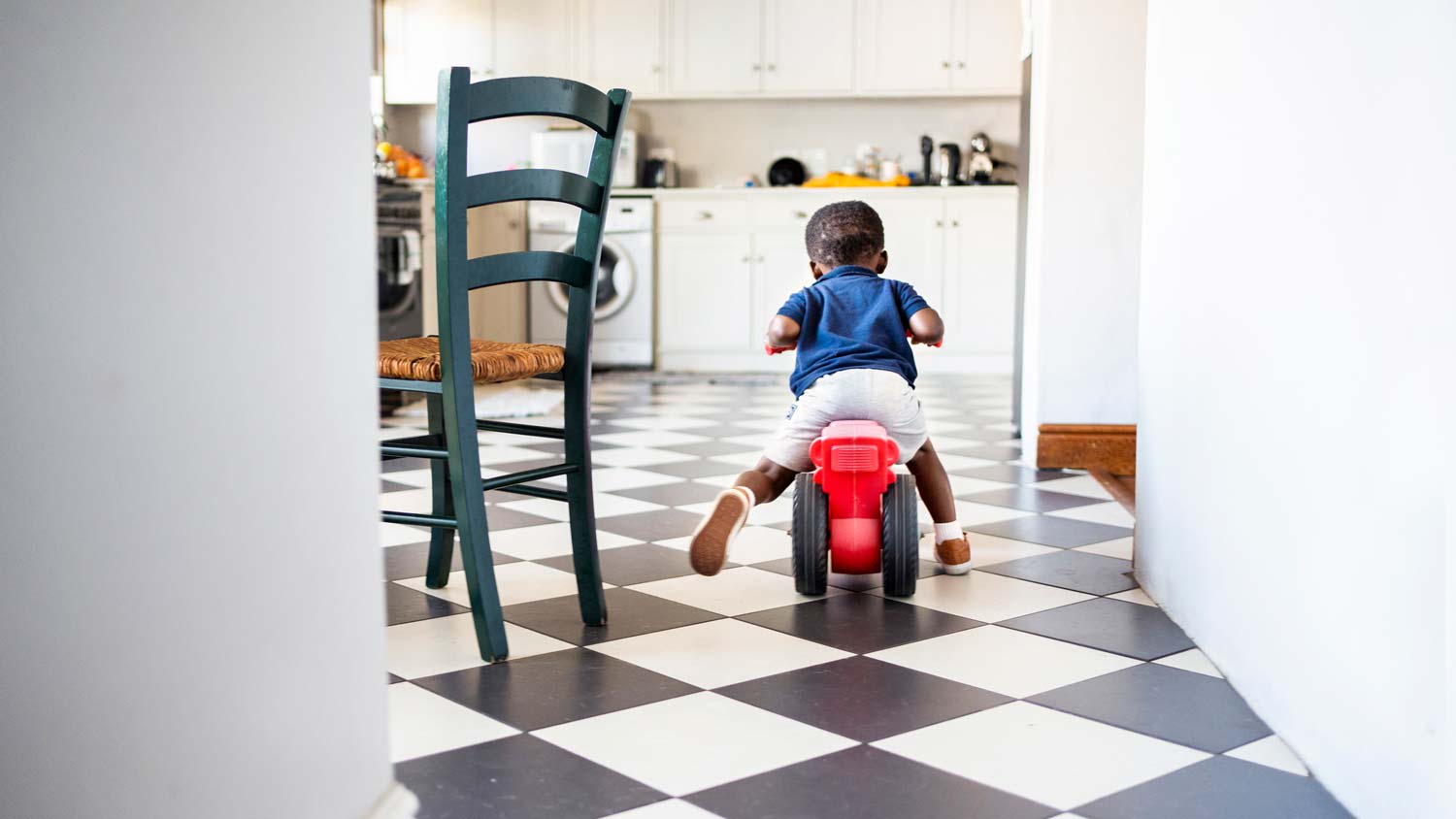
Not sure which types of tile would be best for your renovation project? We'll show you nine popular types of tile along with their benefits and downsides.
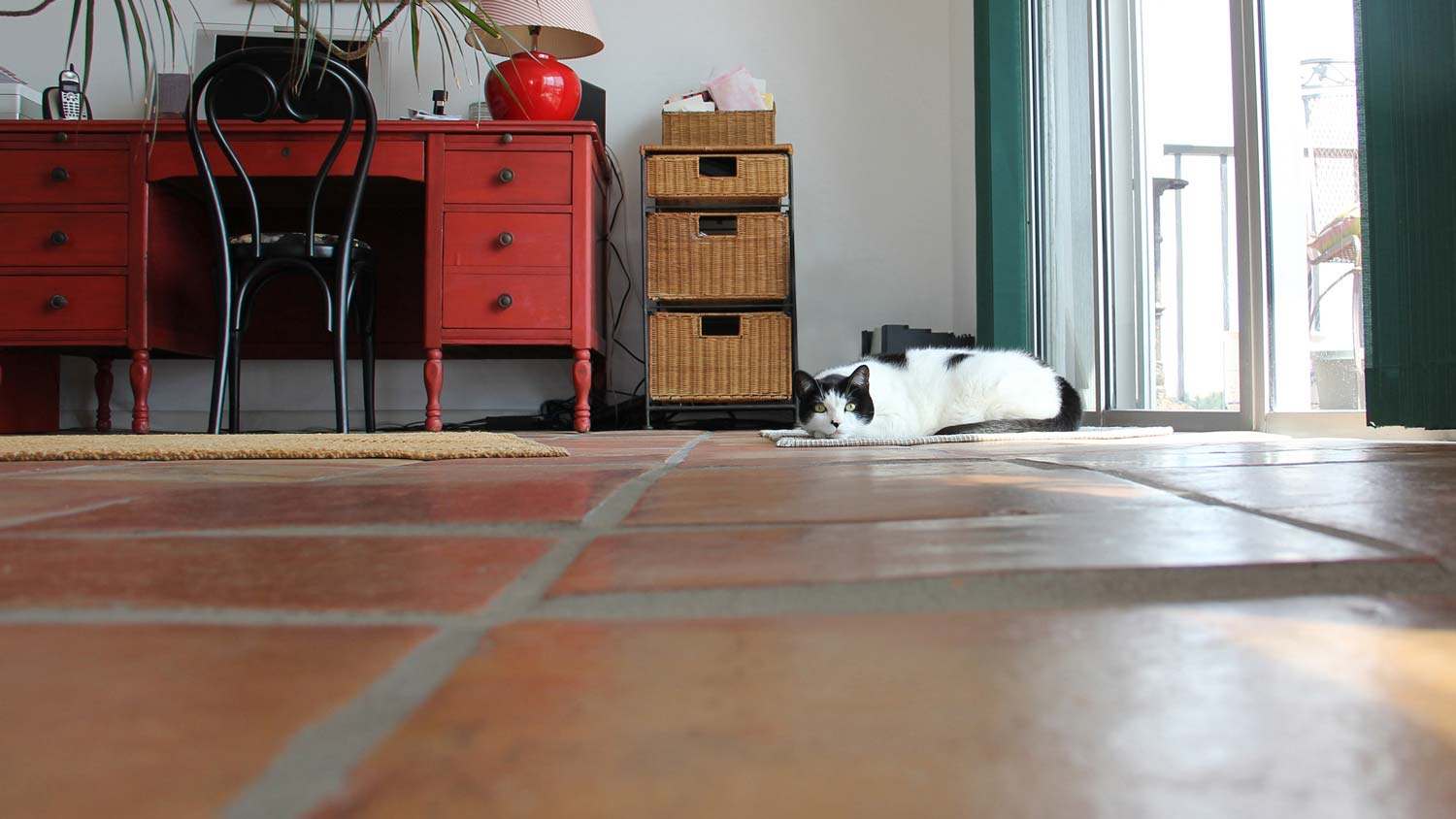
A loose floor tile can be a nuisance or a hazard, but fixing floor tiles may not be as hard as you think. Our DIY guide will show you how to fix loose floor tiles.