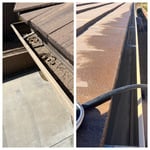
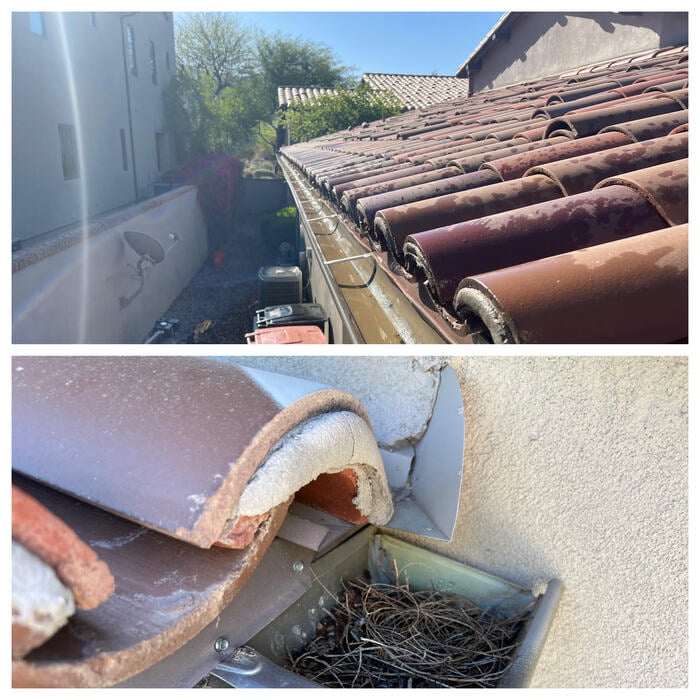
"Just checked roof and no pigeons. Awesome! Brandyn of On Edge Pest Control contacted us promptly. Upon inspection, he provided options to resolve problem along with explanation of each process, cost, and pros/cons. Quotes were very reasonable. Once method decided, work began almost immediately. Communication was easy. With other companies, had waited weeks or months to hear back if any response received at all. Brandyn is a knowledgeable, personable, honest, hard-working conscientious young man. Definitely recommend On Edge Pest Control. Just wish we had found Brandyn prior to spending many hundreds of dollars and wasting months of frustration trying to work with another company without success. Try On Edge Pest Control."
"It's been one week, since we got the pest control for roaches done. The roaches have certainly decreased, but not completely wiped out. Still waiting for that to happen."
"did a good job of explaining how their treatments can be effective in rodent proofing our property Thorough in their work. Pleasant. Professional. Courteous."
Roof rats can carry a variety of pathogens and parasites, including salmonellosis (food contamination), leptospirosis, trichinosis, rat-bite fever, murine typhus, plague, and toxoplasmosis. Diseases can be spread via urine, droppings, or saliva. To prevent transmission, it’s essential to promptly address a roof rat infestation and avoid direct contact with the animals where possible.
Seeing one mouse in your home doesn’t always indicate a full-blown infestation. However, it’s very likely that if you see one, there are more lurking around. Even if you suspect that a mouse sighting is an isolated incident, it’s important to take it seriously. One mouse will inevitably lead to more if you don’t take the proper measures to eliminate the problem.
In many places, killing bees or destroying a hive is discouraged or regulated due to their crucial role as pollinators. Specific laws vary by region, and certain bee species are protected due to declining populations. Some states require permits or restrict who can remove or exterminate bee colonies. Always check local laws before attempting to manage or remove a beehive.
Boric acid is among the harsher chemicals you can use in your home, and it poses risks whether ingested, inhaled, or touched. Kids and pets alike tend to put their hands and mouths on anything within reach, so it’s always a good idea to store boric acid in a spot they can’t get to and use it only when they’re not around for an extended period. When you use it, ensure they’re out of the house and fully clean up any trace of boric acid when you’re done because even a small amount can cause problems.
Hornets are attracted to bright colors that look like flowers, including purple, pink, white, green, and yellow. They are least attracted to dark colors, such as blue and black.
The Round Rock, AZ homeowners’ guide to pest control services
From average costs to expert advice, get all the answers you need to get your job done.