"It's a pretty decent system, I think. They send you the pieces and you install them yourself, which is pretty easy. The only real problem I have is that one sensor is too far away from the panel...or there's some interference, and they haven't been able to fix that. It's an interior door, so it's not the end of the world, just a little annoying. Their customer service is pretty good though. Nice, smart customer service people on the other end, very polite and helpful."
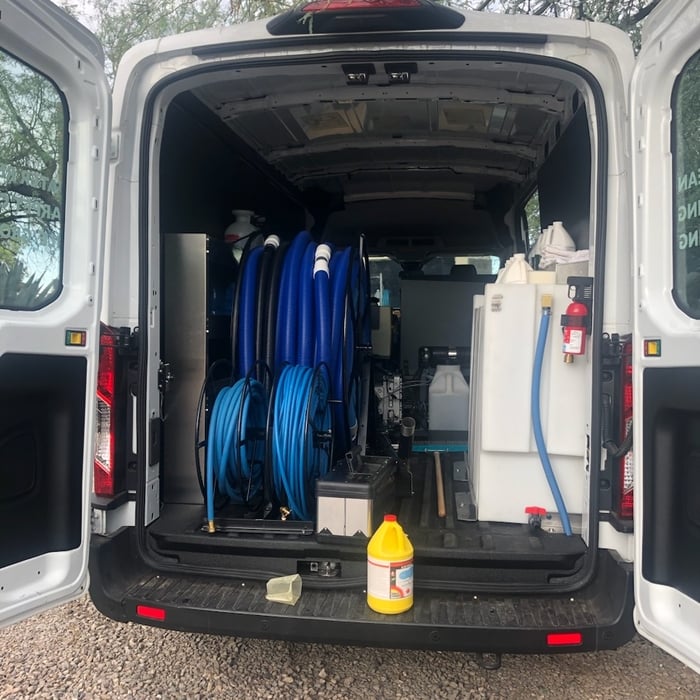
"Juan & Art cleaned our bedroom carpets. They were professional & personable. They wanted to make sure I was satisfied with their work. They arrived late, but called right away to let me know. Very satisfied."
At Virgil Morgan we pride our company on reliability, great communication, integrity, and quality work. We are experts in our trade and will do our best to keep you as educated as we can on your particular task or project. We look forward to earning your business!
Clean regularly, check for cracks, and inspect the chimney annually for safety.
You shouldn’t remove a fireplace yourself. Before beginning this job, you’d need to know whether or not you have a load-bearing fireplace. To do that, you’d need help from a structural engineer. Plus, fireplace removals require permits and often involve working with gas lines or electricity, which can be dangerous. For all of these reasons, it’s best to hire a pro for this project.
A chimney liner isn’t required for an outdoor fireplace; you don’t technically need one if the masonry chimney uses the proper dimensions and is built to code. However, a chimney liner does serve as a protective coating for the flue. Adding a liner could improve performance, safety, and durability. In short, while not necessary, it wouldn’t hurt.
No, a chimney crown is not the same as a chimney cap. A chimney crown is a flat cement area on top of a masonry chimney. It starts where the masonry part of the chimney ends at the very top and domes upward toward the flue opening. A chimney cap sits on top of the crown over the flue. It is usually made of metal and allows smoke to escape without letting in rainwater.
Yes, capped chimneys should still be vented. Failing to vent a chimney will result in condensation buildup inside the chimney, which commonly results in mold growth. If mold begins to grow in a chimney, it frequently goes undetected and spreads quickly through the home. Mold and moisture can damage the structural integrity of your home, and exposure to mold can cause discomfort and illness in residents.
The Round Rock, AZ homeowners’ guide to fireplace services
From average costs to expert advice, get all the answers you need to get your job done.
The average fireplace installation cost is $2,438, but prices vary depending on the type and size of the fireplace. Calculate your costs with our guide.
Did you know fireplaces are a profitable home feature? From cozy indoor retreats to trendy outdoor designs, these fireplace ideas are sure to inspire you.
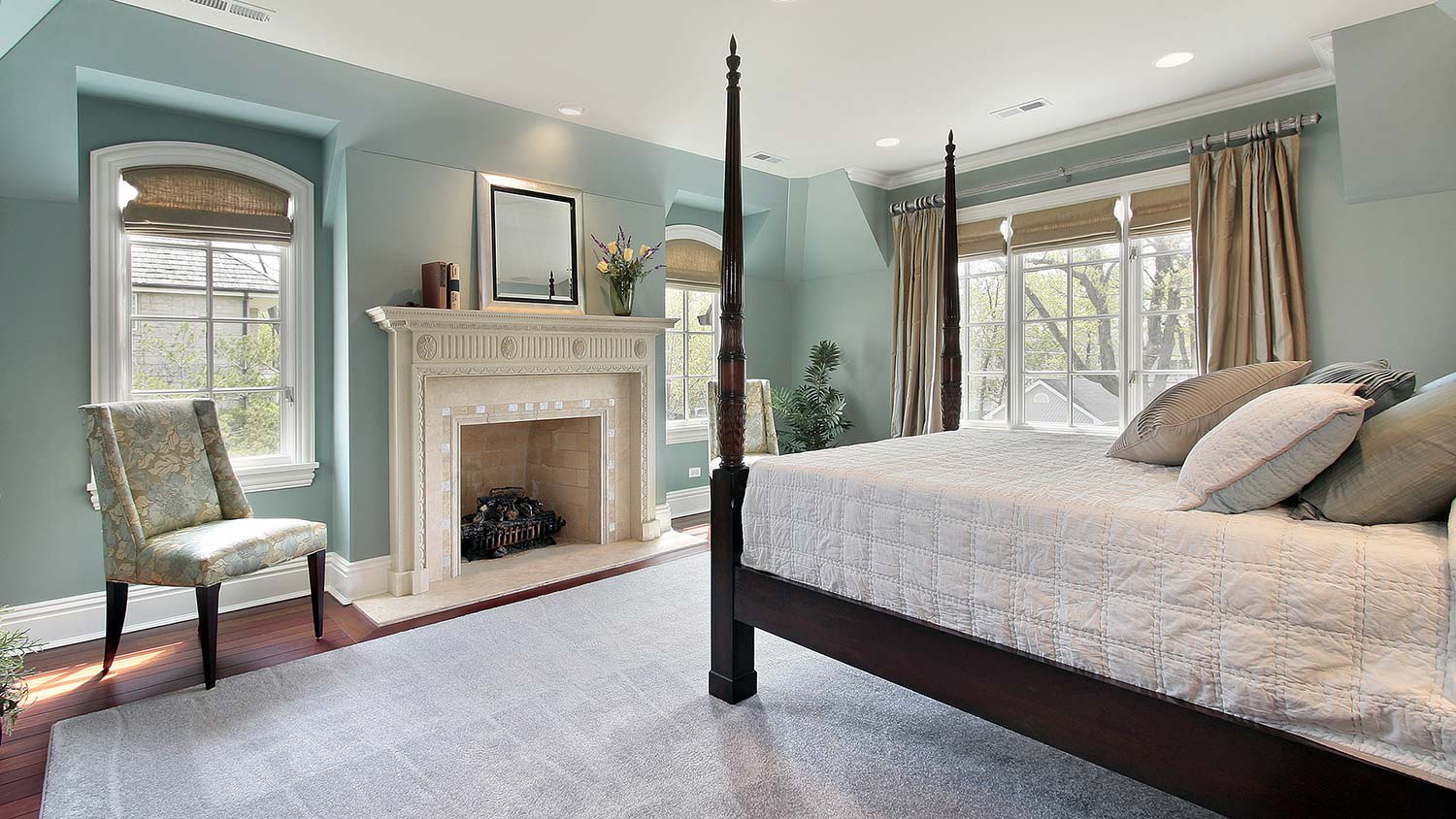
With a few easy decorating tips, you can make your bedroom fireplace the stylish focal point of your room. Up the cozy aesthetic of your bedroom with these 12 ideas.