
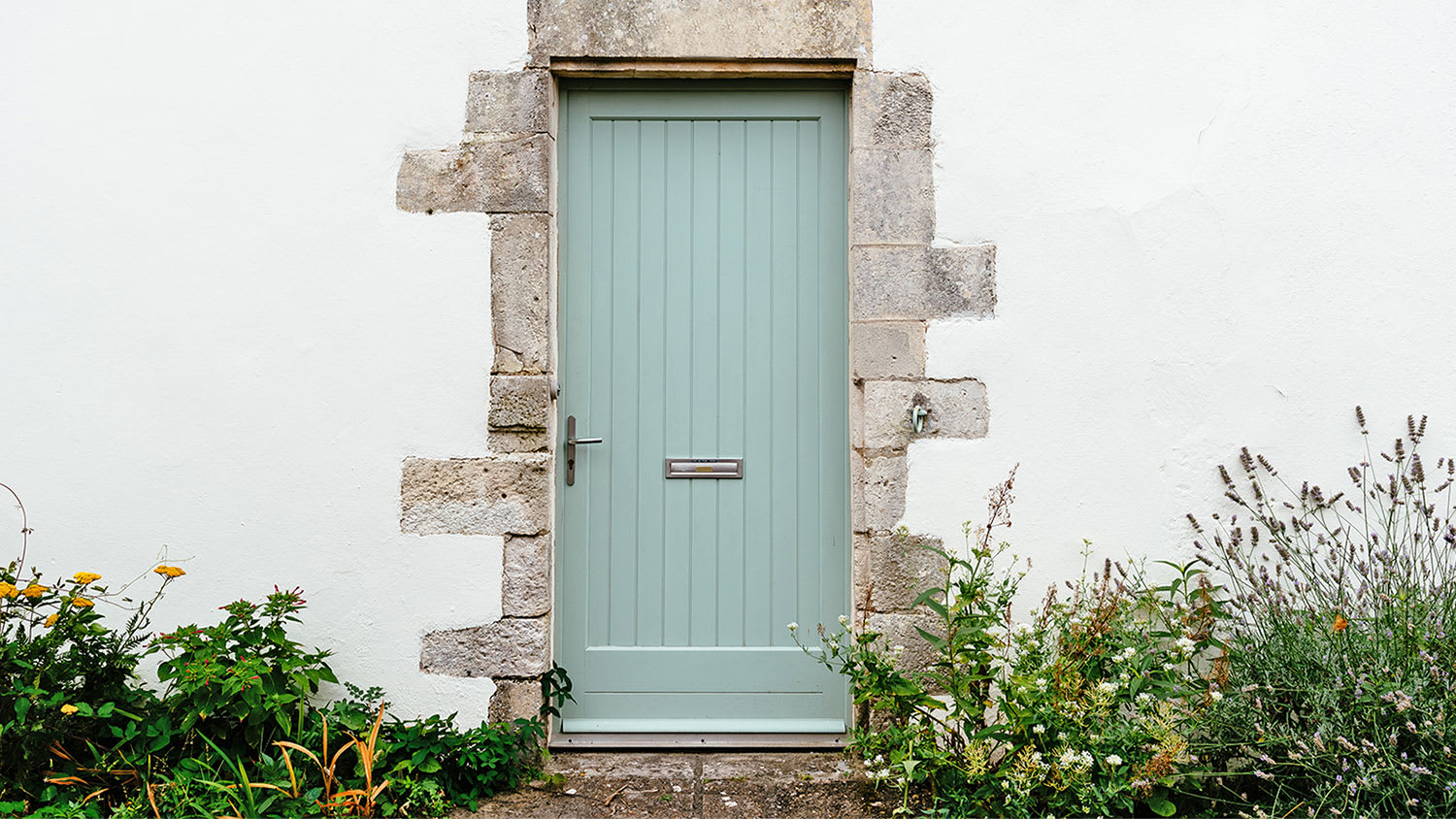
Door or window lintel replacement costs $400 on average, but there are ways you can save. On the other hand, complicated work will increase costs considerably.
Laying the foundation for the masonry vs. concrete debate

Masonry and concrete both create solid structures, but the definition of masonry involves adhering individual materials with mortar while concrete is poured.
Concrete provides greater strength than masonry and supports your home foundation better, while masonry offers more varied styles for walls and fireplaces.
Your choice between masonry and concrete depends on project type, desired appearance, structural requirements, and whether you need aesthetic variety or uniform strength.
Hiring a local concrete company keeps your foundation or pathway project on track with proper mold building and pouring techniques for lasting results.
Many people, including builders and contractors, use masonry as an umbrella term to refer to any work involving stone and concrete, considering concrete work a category that falls under masonry. In reality, masonry and concrete are two separate things that differ in their appearance, structural stability, and more. In this guide, we’ll explain the differences between masonry and concrete to set the record straight.
Masonry refers to the practice of connecting individual materials using mortar or grout and doesn’t refer specifically to the materials themselves. In most cases, the materials include natural stone, clay bricks, concrete bricks, and ceramic tiles. Conversely, concrete is a singular building material made from cement, sand, and aggregate, like rock or gravel.
| Type of Difference | Masonry | Concrete |
|---|---|---|
| Materials | Varied | Concrete |
| Uniformity | Low | High |
| Style | Varied | Industrial |
| Construction | Adhered materials | Poured into mold |
| Strength | Good | Excellent |
| Uses | Aesthetic | Aesthetic/structural |

Masonry and concrete differ quite a lot in terms of appearance. The materials involved, the overall look of the finished product, and the style that each fits into are all different.

One of the biggest differences between masonry and concrete is the materials involved in the construction.
Masonry includes a variety of building materials, including the following:
Marble
Granite
Other natural stone
Clay bricks
Concrete blocks
Tile
Glass blocks
On the other hand, concrete work only involves using concrete, which is made from cement, sand, and large aggregate.
Since masonry uses mortar or grout to adhere individual materials together, the appearance lacks uniformity. In many cases, this adds some intrigue and elegance to the project. A good example would be a retaining wall made out of stacked stone adhered together with mortar. The result is purposefully imperfect, creating a more natural look.
On the other hand, a builder will create a mold when building with concrete, pour the wet concrete in, and let it cure. The result is a solid concrete block, often with smooth sides and hard corners. The single block is uniform, unlike what you’d aim for with a masonry project.
Masonry can vary quite a lot in the style of homes it works with, depending on the specific building material. A natural stone fireplace, for example, can add rustic charm to a farmhouse style, while a wall made from clay bricks and mortar can provide a more industrial or post-modern look.
Concrete is more industrial, creating a hard, cool appearance with clean lines and rigid corners.

Masonry and concrete vary widely in the construction process. Masonry involves laying down single pieces of building material at a time and layering them with an adhesive, like mortar or grout. They’ll use hand tools to complete your project, contributing to a higher labor cost.
When you hire a concrete contractor, they will first construct a mold with wood and then pour the concrete into the mold to let it cure. They’ll then remove the mold from around the concrete. The tools for concrete construction include some manual tools, but your builder will mostly rely on concrete mixers and pourers to do most of the work.
The process of masonry is more involved and time-consuming, which also leads to higher building expenses. If you decide to use concrete for your next project, call a local concrete company for quotes.
Both masonry and concrete projects can last for decades with minimal loss of strength and little maintenance. However, concrete provides much greater strength overall, especially if the builder uses steel rebar to reinforce the concrete during construction.
The mortar or grout in masonry projects has low strength compared to concrete, which is why builders will use concrete more often for home foundations, where it can easily support the weight of a home and distribute its weight evenly to the soil below.
The mortar or grout in masonry projects won’t compress under weight, but it doesn’t have the same strength that concrete does and can’t take reinforcement as easily, given that the layers of mortar are thin.

The difference in strength between masonry and concrete is one reason the two materials have different building applications. Concrete is one of the strongest building materials, so it very often serves as the foundation of homes and buildings. You might see a concrete block wall—which is masonry, as the concrete blocks are held together with mortar—creating the perimeter of a basement or crawl space, but the slab serving as the floor of the foundation will always be concrete and not masonry.
Masonry can involve the use of multiple building materials, too, making it common in a wide variety of projects. Masonry is involved when tiling floors or shower surrounds, installing backsplashes behind counters, building concrete block walls or stone retaining walls, building brick walls, installing glass block windows, installing stucco siding, and more.
Concrete is most common in home foundation construction, although you might see some exposed concrete forms in modern or industrial-style homes serving as flooring, countertops, or walls.
Positive experience. As previously stated, the replacement/repair could not be completed (no fault of the plumbing tech) b/c misinformation was rec?d by property management maintenance. Thanks to the plumbing tech for your efforts. Appreciate you!
 The Waterworks
Carpet repair done well. Scheduling was easy. Showed up on time.
 BR Flooring Installation
I would recommend this company to anyone! He showed up on time, was friendly, completed a very difficult repair on our dryer vent cover, was responsive, and pricing was extremely fair and competitive. I would have him back to do any of our repairs or cleanings without hesitation!
 U.S.A. Dryer Vent, LLC
Everything from initial contact to completion was absolutely top notch. We contacted the business during off hours to leave a message, and the owner still reached out to feel out the issue within minutes. We were scheduled and repaired within 48 hours. I cannot say enough about the...
 Supreme brick & chimney
Great experience all together. Dog friendly, courteous, great results and honest with recommendations. Will certainly be using Cardinal in the future for any carpet repairs
 Cardinal Carpet Care & Repair
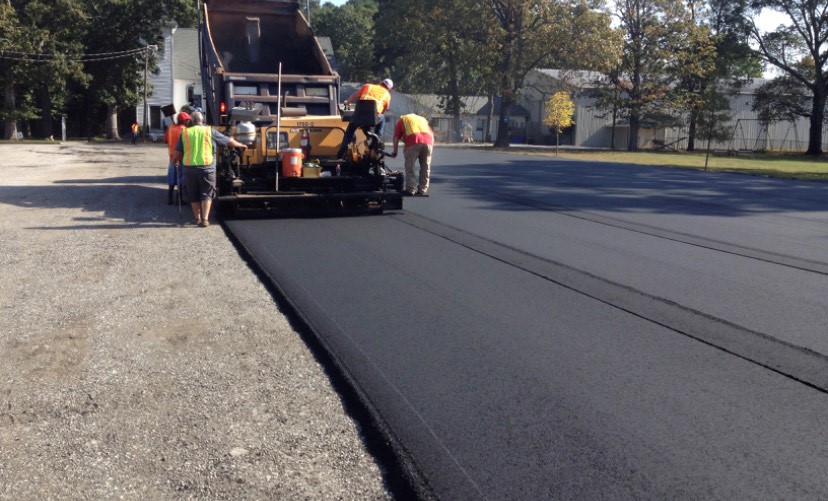
Working with Peter and his crew was a breeze. They were exceptionally polite and did a neat job to repair and seal our driveway. I will definitely talk to them first for additional work.
 Central Paving
Description says they handle window repair including rotten hardwood - they called me back right away but didnâ t leave a voicemail. I followed up 3 days later and they said they donâ t do that kind of work.
 Window-Gurus
They did an excellent job with the repair, took care of all communication with the insurance company and had car rental service also with a very reliable, quality care
 Three C Body Shop
We recently had our office sidewalk repaired and CT Concrete did an "Outstanding" job. They were quick, friendly and the job is "flawless". I would highly recommend CT Concrete for any of your concrete/sidewalk needs.
Mr. Bunting repaired one broken brace (the "sticks" that connect the legs of a chair to make it stronger), and replaced another on two high end antique replica Windsor chairs I own. The one that was replaced required him to turn a new brace on a lathe to be the same as the missing brace would...
From average costs to expert advice, get all the answers you need to get your job done.
Door or window lintel replacement costs $400 on average, but there are ways you can save. On the other hand, complicated work will increase costs considerably.
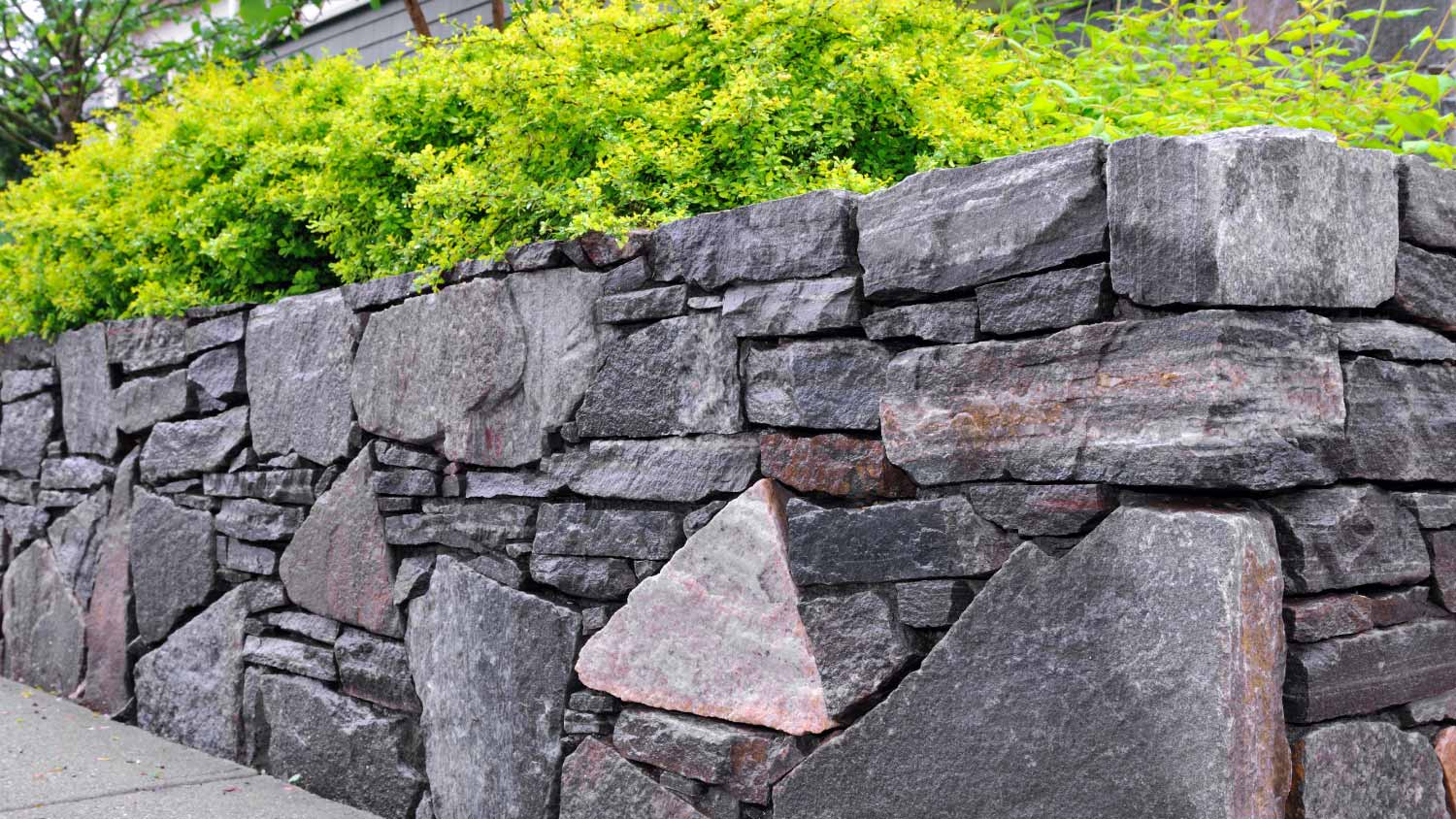
If you're considering building a home with brick or stone, you need to know what is masonry? Learn the answer to ensure the finest quality.
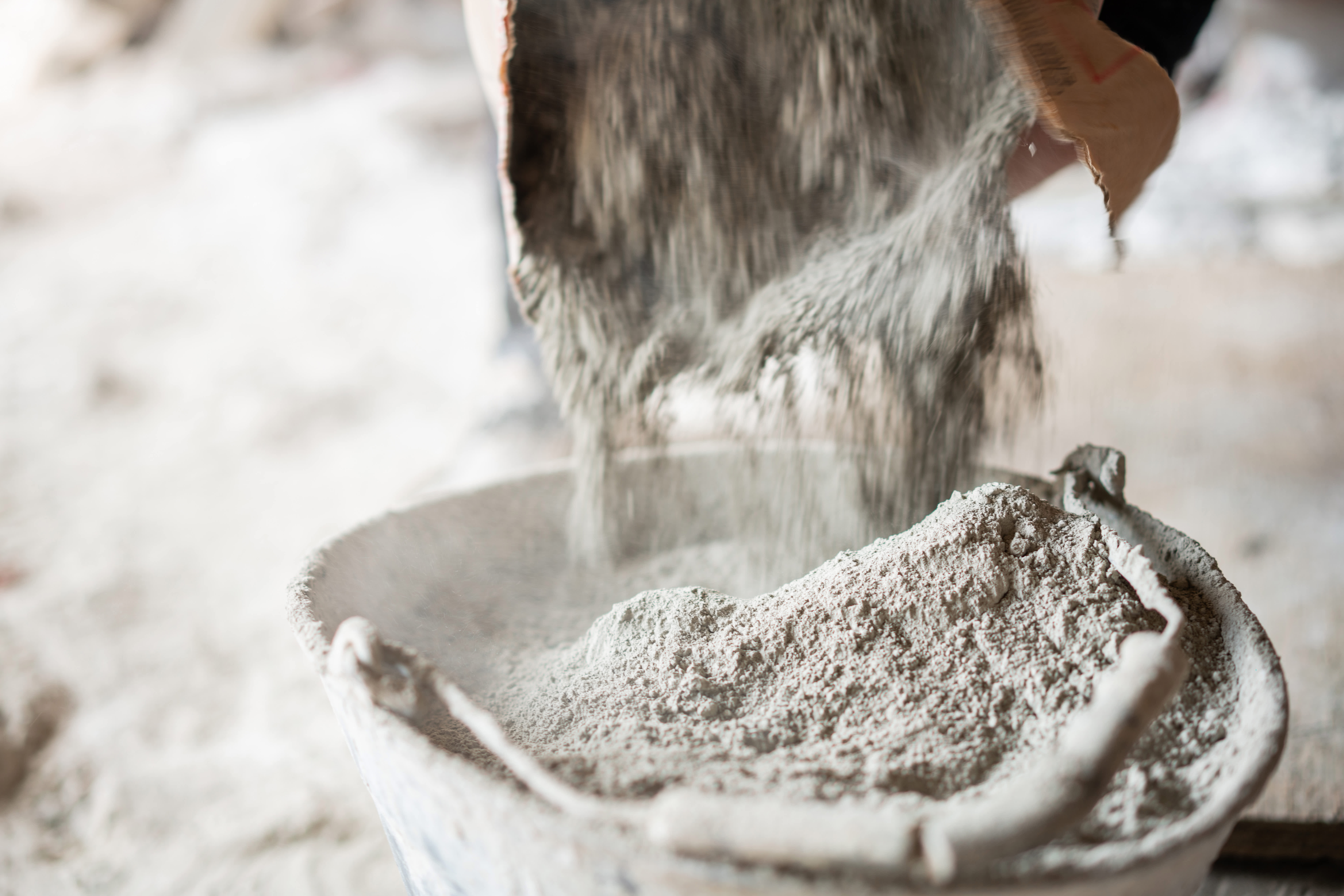
While mortar and concrete look like similar composites, they serve very different roles around the house. Here’s how they differ in application, cost, and more.
Deciding on a material for your next masonry project? Concrete blocks and bricks share some advantages but have key differences. This guide breaks it down.
Discover the wide variety of masonry materials for your next home upgrade project. Our guide covers the different types of materials to choose from and more.
Comparing concrete pavers versus brick pavers for your next project? See how the cost, appearance, maintenance, ROI, and more can impact your decision.