"I hired Dalinghaus Construction to install two push Piers for a freestanding column/wall (bad clay soil causing movement). I meet with Kevin to go over the scope of work and he explained everything in detail. The price was the best I can find. Took one extra day to finish the work, but they did not charge me any additional fees. 3 month later, I had a feeling that the column/wall is moving again and call Kevin. He show up in a few days and show me there is no way that wall is still moving and he was right. They are very good at what they do and customer service is the best. Thank you very much."
"It went exactly as planned. Adan Montoya was very communicative, helpful and patient throughout the project. He is friendly, fair, conscientious and hard working."
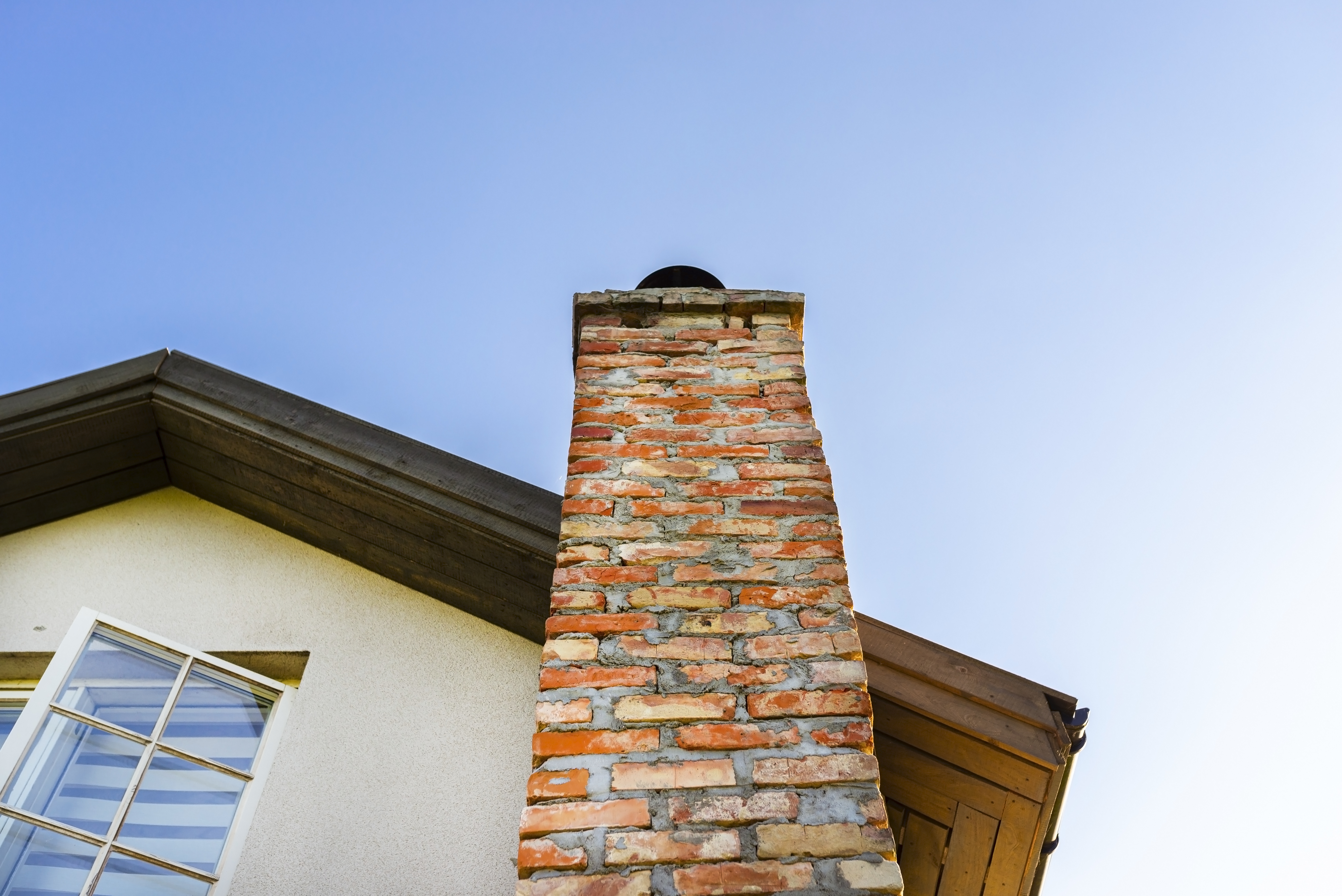
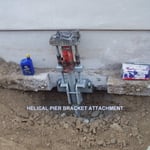
"A -PAC was not too eager to do the job. They never called back after I discussed my chimney problem with Bob. Another company did the repair and did a wonderful job using 4 helical piers stabilizing and jacking the chimney up to it's original position. I would strongly recommend that you include this company in your list of foundation contractors."
Here at Garcias Constructors we work hard every day to meet and exceed any Excavation,Grading,Asphalt prep, Drainage/Pipe, Gravel, Pads, projects you need done. Any type of Concrete.
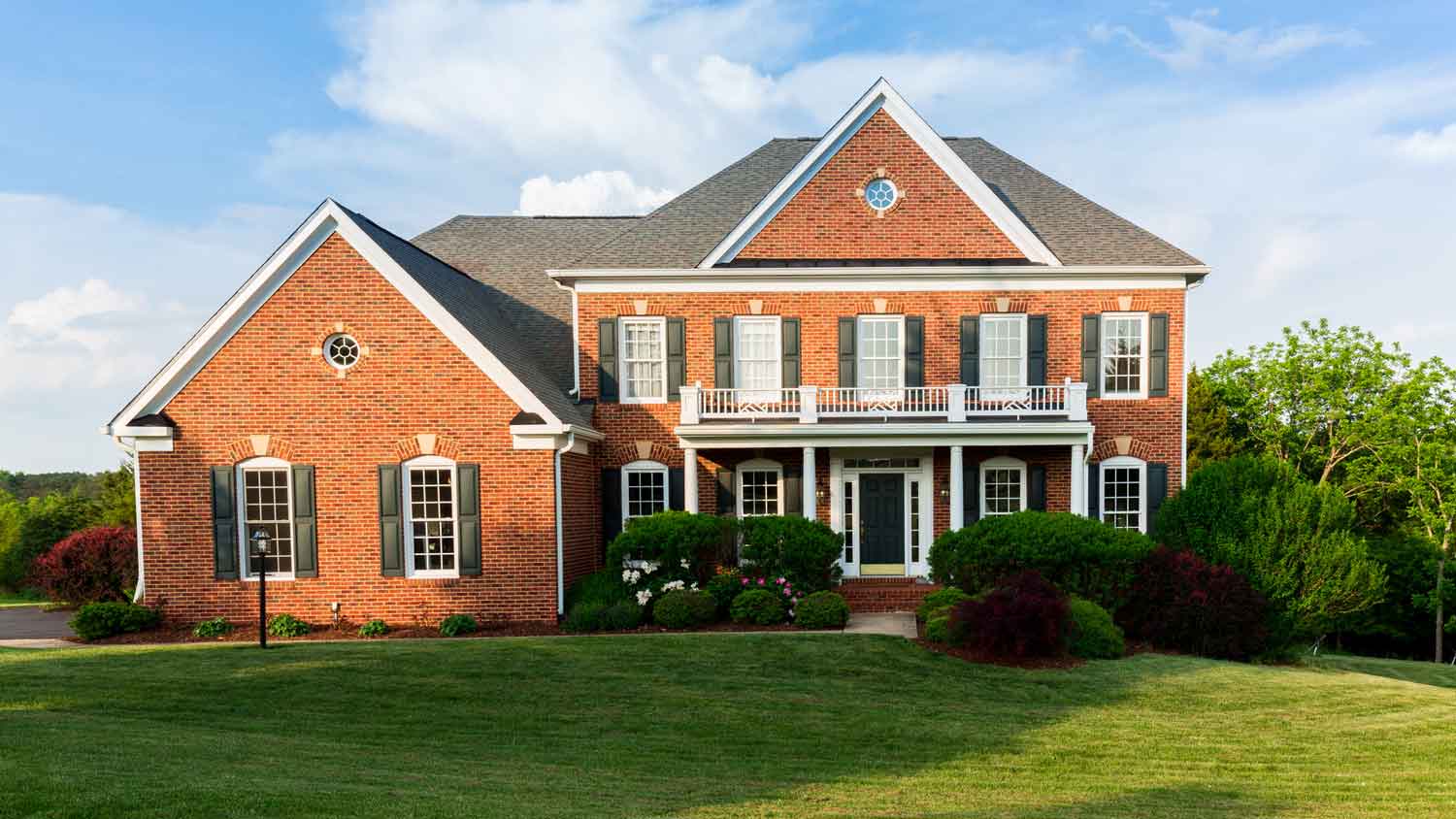
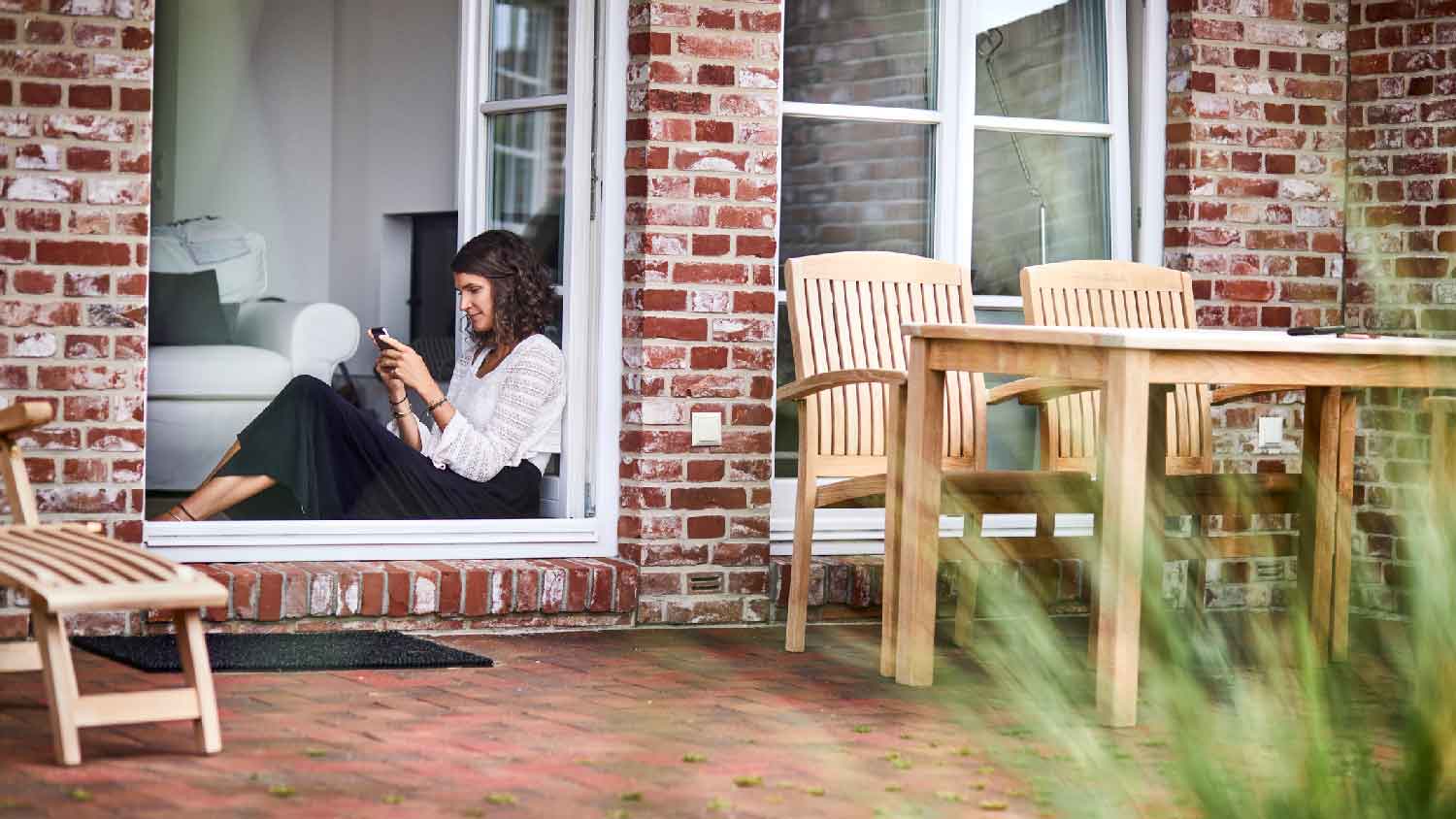
Modern brick homes have a brick facade over standard framing and sheathing, so the brick offers minimal added structural stability. A home with traditional brick construction is more durable than a stick-built home, as the double-layer brick walls and rebar resist higher lateral wind loads and support heavier loads up top, as well.
When painting brick, each application method has distinct advantages and disadvantages. Spraying is significantly faster but may not penetrate deeply beyond the surface layer. Rolling is effective for working paint into the brick's texture but can be less effective on mortar joints. If you opt for a roller, choose a thick nap of at least a half-inch to ensure paint gets into all the crevices for even coverage. Using a brush is generally not recommended as it is very time-consuming and provides poor surface penetration. Ultimately, a combination of spraying followed by back-rolling is often the best strategy for a durable and even finish.
The best tool for drilling into brick or mortar is a rotary hammer drill which is a large hammer drill with low rotation speed and high torque. Regular drills with a hammer function are also excellent tools for drilling into brick when the diameter of the hole is 1/2 inch or less. It might be possible to drill into brick with a standard drill if you’re only drilling a very small hole, but note that masonry work will put a lot of wear on a standard drill, and the tool may not be strong enough to get through brick.
You will repoint over a fraction of the old mortar, but you should scrape away 1/2 to 1 inch of mortar from the joints before repointing. Otherwise, the repointing is only masking the weakened mortar instead of actually replacing it, which could put your chimney at risk of bigger, more expensive damages later on.
Costs depend on material type, labor, chimney requirements, and structural reinforcements.
The Low Mountain, AZ homeowners’ guide to masonry services
From average costs to expert advice, get all the answers you need to get your job done.
Door or window lintel replacement costs $400 on average, but there are ways you can save. On the other hand, complicated work will increase costs considerably.
Need to repoint brick in your home to make your home look fresh and new? Use this guide to repointing brick cost to price out your project before starting.
This guide features information on the costs to repair a brick wall, whether or not you need a brick mason to complete spalling, tuckpointing, or a full restoration.
Discover the wide variety of masonry materials for your next home upgrade project. Our guide covers the different types of materials to choose from and more.
When it comes to masonry versus concrete, it can be easy to confuse the two. Use this guide to learn about the differences in appearance, strength, and more.