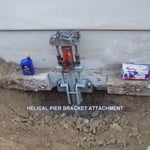
"I hired Dalinghaus Construction to install two push Piers for a freestanding column/wall (bad clay soil causing movement). I meet with Kevin to go over the scope of work and he explained everything in detail. The price was the best I can find. Took one extra day to finish the work, but they did not charge me any additional fees. 3 month later, I had a feeling that the column/wall is moving again and call Kevin. He show up in a few days and show me there is no way that wall is still moving and he was right. They are very good at what they do and customer service is the best. Thank you very much."
"It went exactly as planned. Adan Montoya was very communicative, helpful and patient throughout the project. He is friendly, fair, conscientious and hard working."
"A -PAC was not too eager to do the job. They never called back after I discussed my chimney problem with Bob. Another company did the repair and did a wonderful job using 4 helical piers stabilizing and jacking the chimney up to it's original position. I would strongly recommend that you include this company in your list of foundation contractors."
Chimney mortar typically lasts 20 to 30 years, depending on its quality, local weather conditions, and maintenance. Over time, exposure to moisture, freezing, and thawing cycles can cause mortar to deteriorate, leading to cracks and gaps. Regular inspections and timely repairs, such as repointing or tuckpointing, can extend the lifespan of chimney mortar by ensuring the structure's integrity.
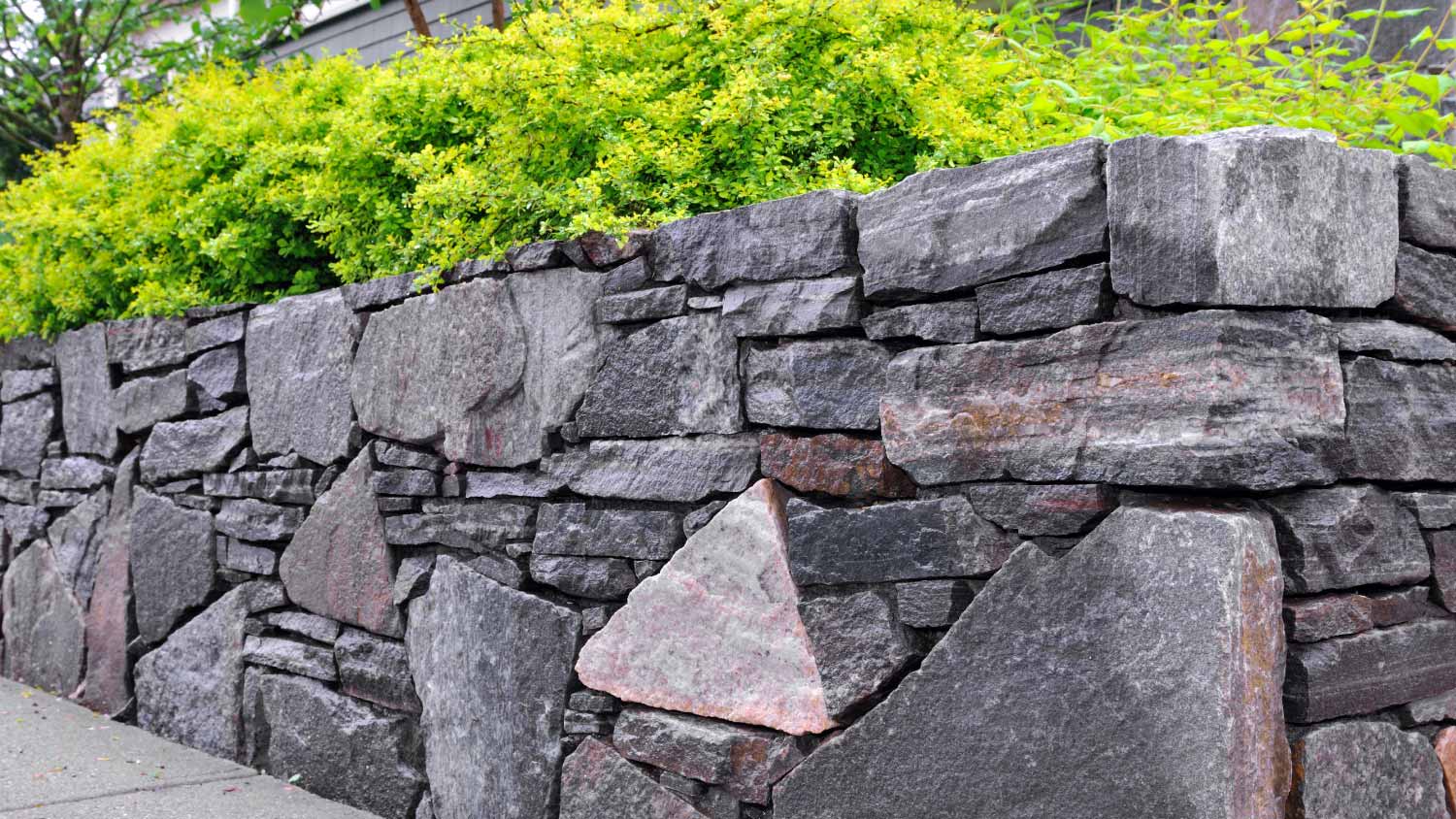
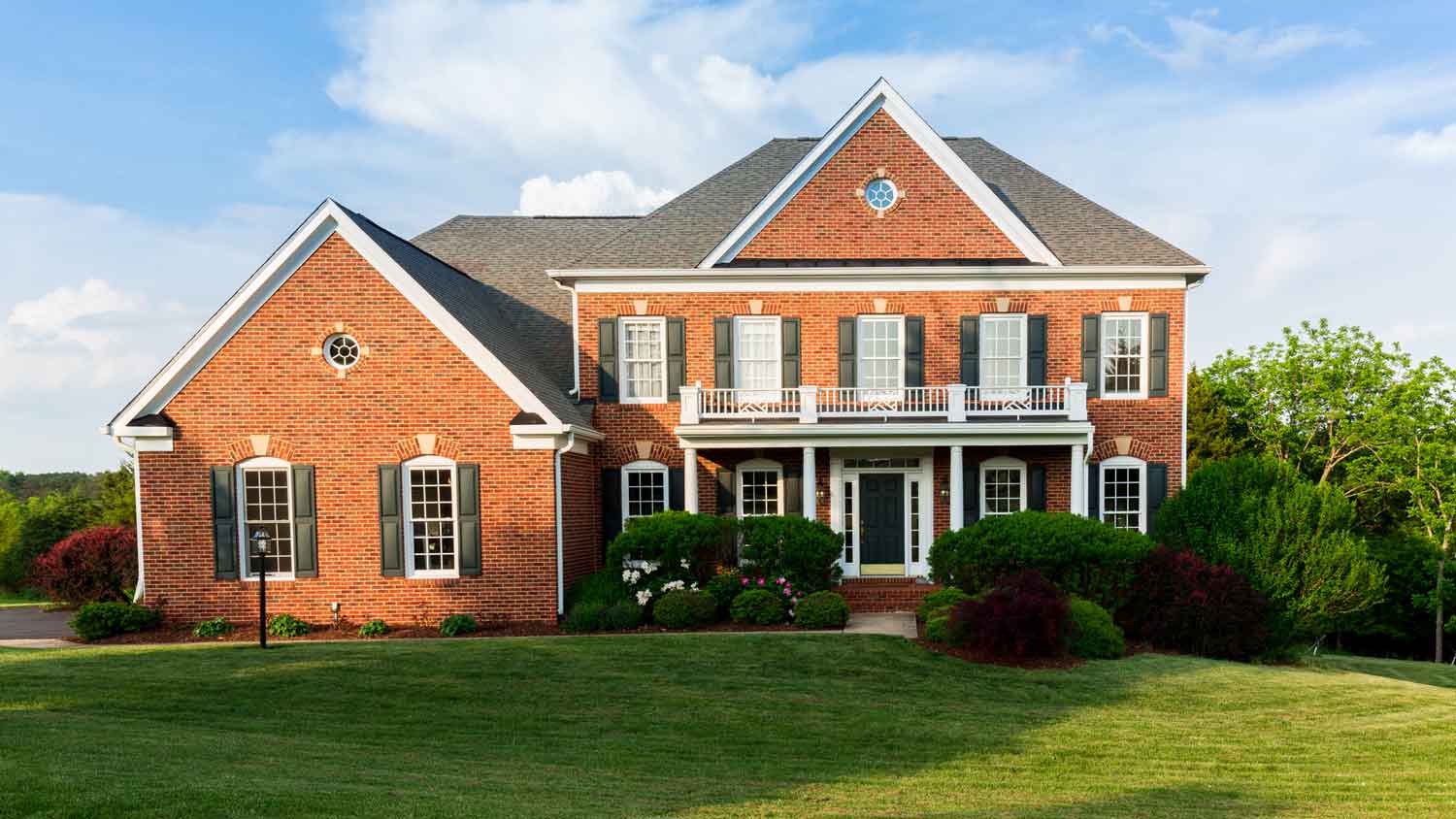
Brick is the closest choice when seeking to capture the timeless look of stone with a more practical and budget-friendly option. When comparing stone versus brick siding, the price range of $200,000 to $400,000 for average brick home construction is dramatically lower compared to the cost of building a stone home. If you'd like to keep the stone aesthetic without the cost, stone veneer and manufactured stone are both less expensive than real stone.
Professionally done brick repointing can last 20 to 30 years, sometimes longer. However, the exact lifespan depends on several factors, including the quality of the mortar, the skill of the mason, and exposure to weather. If you live in an area with harsh weather or frequent freeze-thaw cycles, you may need to repoint more often. Repointing that is done as a DIY project may only last 10 to 15 years. It's time to repoint when you notice signs of mortar failure, such as crumbling or missing mortar, holes, or vines growing between the bricks. Regular inspections can help you catch these issues early.
You may not need a hammer drill if you’re planning on drilling one or two very small diameter holes in brick. For holes with a diameter of 3/16-inch or less, a regular drill with a masonry bit can do the job. However, the bit will heat up quickly, and the process will take significantly longer than with a hammer drill. Prepare to cool your drill bit down in a bucket of water more often.
In some cases, black stains on brick are caused by organic substances like algae and mold. However, it's more likely that the black spots you're noticing on your bricks come from carbon from vehicle exhaust or soot. Black stains can usually be removed by scrubbing the brick with a brush and masonry cleaner or power washing.
The Chilchinbito, AZ homeowners’ guide to masonry services
From average costs to expert advice, get all the answers you need to get your job done.
Door or window lintel replacement costs $400 on average, but there are ways you can save. On the other hand, complicated work will increase costs considerably.
Need to repoint brick in your home to make your home look fresh and new? Use this guide to repointing brick cost to price out your project before starting.
This guide features information on the costs to repair a brick wall, whether or not you need a brick mason to complete spalling, tuckpointing, or a full restoration.
Discover the wide variety of masonry materials for your next home upgrade project. Our guide covers the different types of materials to choose from and more.
When it comes to masonry versus concrete, it can be easy to confuse the two. Use this guide to learn about the differences in appearance, strength, and more.