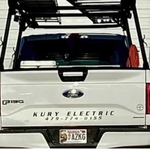
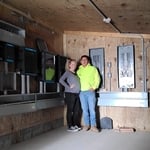
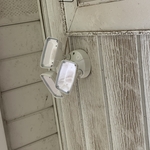
Kury Electric proudly serves its customers with pride, integrity and attention to the details that matter most to you. This is one of the many things that sets us apart from the rest. We are locally owned and operated. Give us a call today!\nFully licensed and insured!
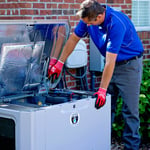
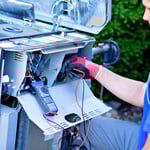
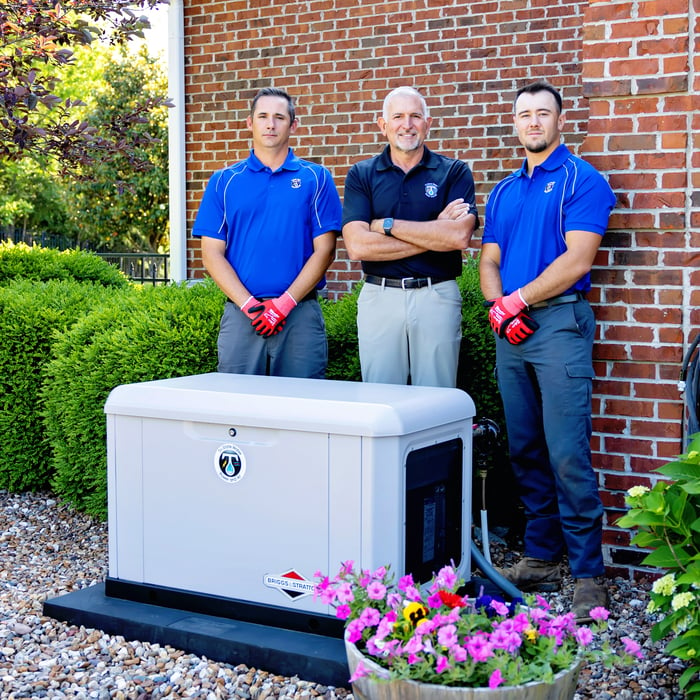
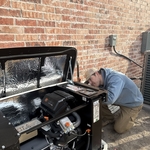
We are the experts in the field of Whole Home Generator Sales and Installation, with over 20 years of experience in the game. We provide turn-key installation by licensed professionals - 24 hour emergency service - Remote Monitoring - Long term maintenance and service by factory trained technicians.
"Kury Electric did an awesome job, lighting, outlets,fans all done and work great! Will definitely be calling them again and recommend for all your electrical needs."
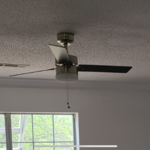
"Very good! I’m very impressed by how professional she was when she came to my home. My ceiling fan works wonderful now! I would hire her again for any other electrical needs I might have"
"Brian was excellent in placing our Tesla charger! The charger is working great and looks exceptional! We couldn’t be more happy with the service he provided! I would recommend him for your electrical needs any day!"
"Williams electric is a phenomenal company to hire! They show up on time, they do exactly what they say they will do, and they go above and beyond. Will definitely hire again."
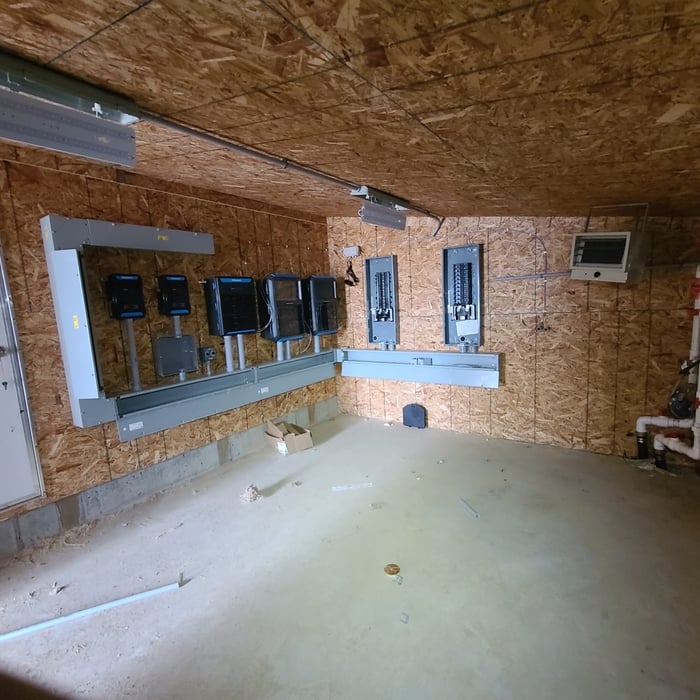
If you’re wondering whether an electrical panel in the bathroom needs to be moved, the answer is yes. Due to the risks of shocks and electrical fires, electrical panels cannot be located in bathrooms per National Electric Code Volume 70. Additionally, gasses, vapors, liquids, and temperature fluctuations can all compromise the functionality of your electrical panel, so it’s important to install it in a dry, cool, safe, and easily accessible location.
A bigger breaker alone probably won’t fix your problem of frequent tripping. But if you upgrade an electrical circuit to a higher amp rating, or upgrade your breaker box to handle more amps, it could solve your tripping problems. Consult a qualified electrician about the best course of action.
The most common type of electrical outlet is a 3-prong outlet, which has two flat blades (one is wider than the other) and a round grounding pin. Older homes typically have 2-prong outlets that aren’t as safe as more modern options and are generally not up to current electrical codes. Other outlets you can find in your home include 20A, 125 volt varieties for larger appliances like refrigerators or washing machines.
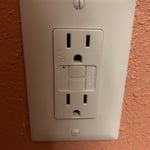
There are also GFCI outlets, which protect against electrical shock in wet areas, such as bathrooms and kitchens, and arc fault circuit interrupter (AFCI) outlets, which protect against electrical fires caused by arcing.
Automatic gates don’t use too much electricity, and you should see a minimal effect on your utility bill. In fact, certain gate systems are entirely self-sufficient and rely on solar panels attached to or near the gate to power the motor. While a gate is large and there is a powerful motor moving it, it’s not something that sees constant use throughout the day. For most automatic gates, expect to see a utility bill increase of only around $10 per month.
No. Do not use a 14-gauge wire on a 20-amp outlet. A certified licensed electrician would know that the National Electrical Code (as per Section 240.4(D) subsection 3) requires 14-gauge wires to be used with a maximum amplitude of 15. Therefore, you should only use 12-gauge wires on 20-amp outlets.
The Booneville, AR homeowners’ guide to electrical services
From average costs to expert advice, get all the answers you need to get your job done.
Before you hire a licensed electrical contractor, you should learn the cost to run electric from the road to your house so you can budget for the project.
Whether you’re shopping for a new home or simply doing a safety check on your current place, learn what factors influence an electrical inspection cost.
Is it time to upgrade your electrical panel? For the sake of safety, find out sooner than later by exploring our top signs that it’s time for an upgrade.