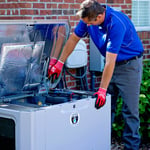
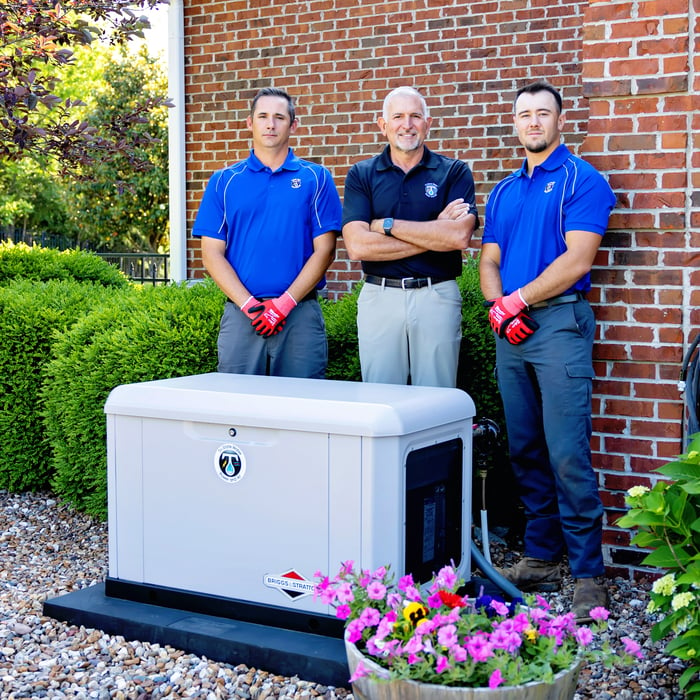
Kury Electric proudly serves its customers with pride, integrity and attention to the details that matter most to you. This is one of the many things that sets us apart from the rest. We are locally owned and operated. Give us a call today!\nFully licensed and insured!
"Called company they showed up at the time they stated they would be here, actually they were early (awesome). Installed a total of 4 ceiling fans with lights in about 2 hours time. He was very friendly and answered all questions that I had. Once installed he made sure everything was working great. He left his card and said if I had any problems to please call him and he would come and check it out. He was extremely professional and considerate of our property. "
I am a licensed electrician with 10 plus years in the field. I have taught at the Arkansas College of Electricity for the last 6 years so I am up to date on all the new rules and regulations.
"Kury Electric did an awesome job, lighting, outlets,fans all done and work great! Will definitely be calling them again and recommend for all your electrical needs."
"Very good! I’m very impressed by how professional she was when she came to my home. My ceiling fan works wonderful now! I would hire her again for any other electrical needs I might have"
Provided you leave the switch in the off position, your broken bulb shouldn’t be drawing any power. However, there’s always the risk that the switch is turned on by accident, potentially causing electrical damage or even a fire. Plus, broken glass in the home is never ideal. For safety, it’s a good idea to remove broken bulbs as soon as possible. If you’re in doubt, a local lighting professional can help you remove the bulb safely and quickly.
As a safety measure, you should always turn off the main breaker while operating your generator’s backup breaker. In addition, you should also switch off all appliance breakers so you don't have a power surge when the main breaker turns back on. And finally, turning off the main breaker prevents back-feeding, which endangers utility workers with the risk of electrocution. Back-feeding could also destroy the electrical circuits of your neighbors if they use the same power network.
A small sump pump running infrequently uses an average of 10 kilowatt-hours (kWh) of electricity per month. The average cost for electricity is $0.171 per kWh. The size and use frequency affect how much electricity it uses. Sump pumps average one-third to one horsepower (hp) motors. One hp is equal to 745.7 watts. Watts multiplied by the time your pump is running divided by 1,000 equals your average kWh. Multiply kWh by your average cost of electricity. In areas with high rain or a marsh basin, the average cost can be as high as $15-$25 a month.
Hiring a professional electrician to wire a house costs anywhere from $1,500 to $10,000 or more depending on the size and complexity of the project. Most professional electricians charge $50 to $100 per hour. While the extra expense is significant, it’s worth it to ensure the safety of your home’s electrical system.
Hawaii is currently rated as the most expensive state for utilities. How much are utilities for a house in Hawaii? With electricity costs in Hawaii totaling nearly 42 cents per kilowatt-hour, residents are paying more to run their households than any other residents. Electricity costs in Hawaii are so high, mostly due to the fact that most of the electricity available to residents is produced using oil that must be shipped in from other places.
The Coal Hill, AR homeowners’ guide to electrical services
From average costs to expert advice, get all the answers you need to get your job done.
Before you hire a licensed electrical contractor, you should learn the cost to run electric from the road to your house so you can budget for the project.
Whether you’re shopping for a new home or simply doing a safety check on your current place, learn what factors influence an electrical inspection cost.
Is it time to upgrade your electrical panel? For the sake of safety, find out sooner than later by exploring our top signs that it’s time for an upgrade.