"The problem turned out to be a burned out small electric door switch. I believe the price was way too expensive for the service performed and the price of the door switch. What more can I say? It got done."
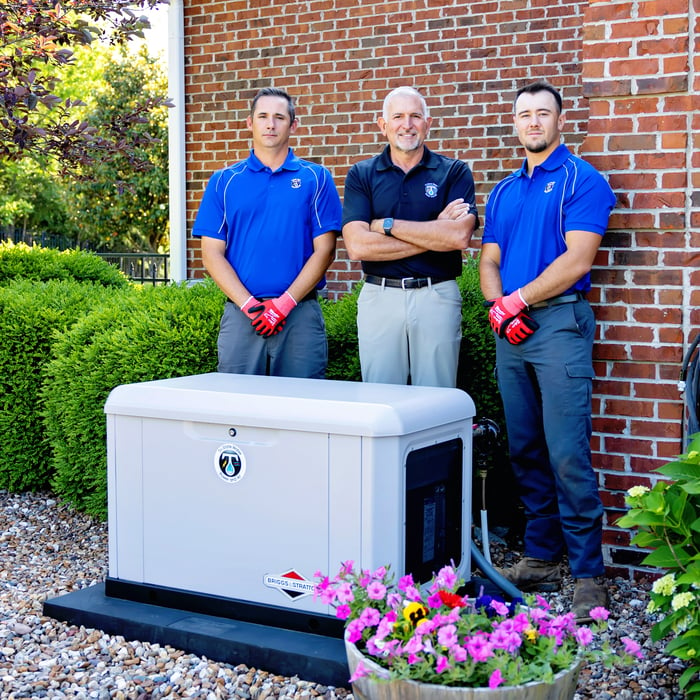
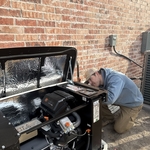
We are the experts in the field of Whole Home Generator Sales and Installation, with over 20 years of experience in the game. We provide turn-key installation by licensed professionals - 24 hour emergency service - Remote Monitoring - Long term maintenance and service by factory trained technicians.
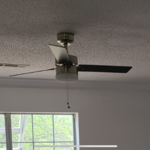
"Very good! I’m very impressed by how professional she was when she came to my home. My ceiling fan works wonderful now! I would hire her again for any other electrical needs I might have"
"Brian was excellent in placing our Tesla charger! The charger is working great and looks exceptional! We couldn’t be more happy with the service he provided! I would recommend him for your electrical needs any day!"
"Williams electric is a phenomenal company to hire! They show up on time, they do exactly what they say they will do, and they go above and beyond. Will definitely hire again."
Quick Fix Electric, LLC is committed to excellence in every aspect of our business. We uphold a standard of integrity bound by fairness, honesty, and personal responsibility. Our distinction is the quality of service we bring to our customers. Accurate knowledge of our trade combined with ability is what makes us true professionals. Serving Greenwood and its surrounding towns, be sure to give us a call today!
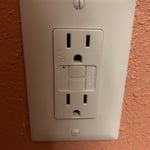
A GFCI outlet is a type of electrical outlet that monitors the electricity flowing through the circuit and shuts off power immediately when it detects a loss or acceleration of current. They are particularly important in areas that may come in contact with water, which is why they're most common in kitchens, bathrooms, laundry rooms, and garages.
Yes, but our analogy with the water hose doesn’t really work here. You see, electrical flow isn’t constant: It ebbs and flows like waves, coming in pulses of power. Hertz measures the rate of change in the flow of electricity, or how often it ebbs and flows. For example, 60Hz means that the electrons pulse through wiring 60 times per second. When they are pulsing, they’re in a brief retreat. Almost all United States equipment is rated for 60Hz.
Tankless water heaters won’t increase your electric bill. Since tankless water heaters are more efficient than tank water heaters, installing one in your home will actually allow you to save money on your electric bill. The Department of Energy estimates you can save $100 or more each year with a high-efficiency tankless water heater.
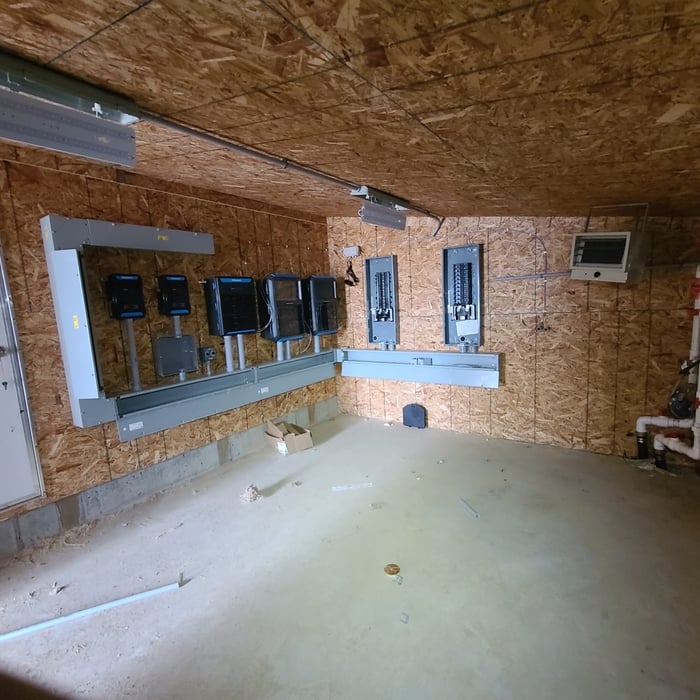
The cost to upgrade an electrical panel ranges from $1,200 to $2,000, depending on the type of electrical panel you need and the size of your home. Amperage plays a central role in determining the cost, so calculate your home’s electrical load before purchasing. For example, a 100-amp and 400-amp panel vary widely in cost.
A small sump pump running infrequently uses an average of 10 kilowatt-hours (kWh) of electricity per month. The average cost for electricity is $0.171 per kWh. The size and use frequency affect how much electricity it uses. Sump pumps average one-third to one horsepower (hp) motors. One hp is equal to 745.7 watts. Watts multiplied by the time your pump is running divided by 1,000 equals your average kWh. Multiply kWh by your average cost of electricity. In areas with high rain or a marsh basin, the average cost can be as high as $15-$25 a month.
The Magazine, AR homeowners’ guide to electrical services
From average costs to expert advice, get all the answers you need to get your job done.
Before you hire a licensed electrical contractor, you should learn the cost to run electric from the road to your house so you can budget for the project.
Whether you’re shopping for a new home or simply doing a safety check on your current place, learn what factors influence an electrical inspection cost.
Is it time to upgrade your electrical panel? For the sake of safety, find out sooner than later by exploring our top signs that it’s time for an upgrade.