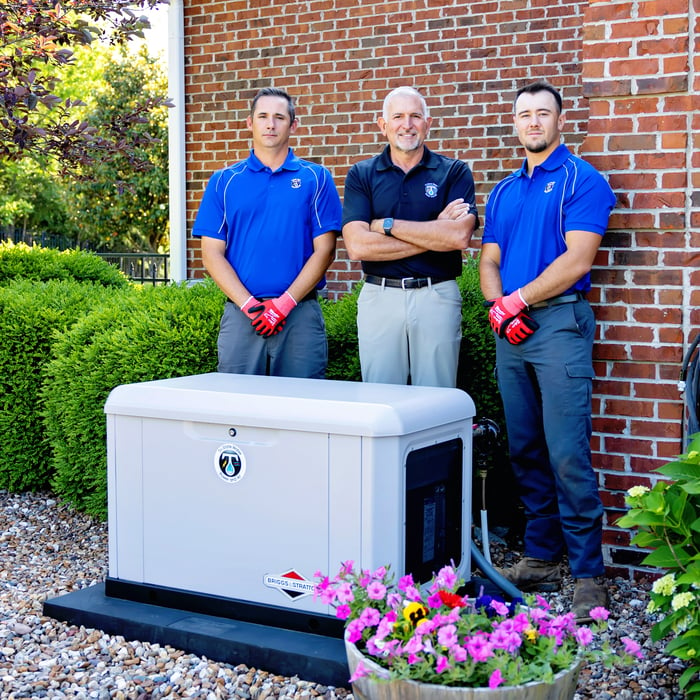
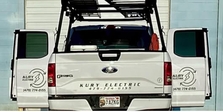
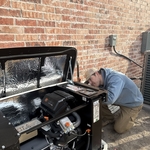
Kury Electric proudly serves its customers with pride, integrity and attention to the details that matter most to you. This is one of the many things that sets us apart from the rest. We are locally owned and operated. Give us a call today!\nFully licensed and insured!
"Called company they showed up at the time they stated they would be here, actually they were early (awesome). Installed a total of 4 ceiling fans with lights in about 2 hours time. He was very friendly and answered all questions that I had. Once installed he made sure everything was working great. He left his card and said if I had any problems to please call him and he would come and check it out. He was extremely professional and considerate of our property. "
I am a licensed electrician with 10 plus years in the field. I have taught at the Arkansas College of Electricity for the last 6 years so I am up to date on all the new rules and regulations.
"Kury Electric did an awesome job, lighting, outlets,fans all done and work great! Will definitely be calling them again and recommend for all your electrical needs."
"Brian was excellent in placing our Tesla charger! The charger is working great and looks exceptional! We couldn’t be more happy with the service he provided! I would recommend him for your electrical needs any day!"
Volts and watts aren’t directly convertible units—they measure different aspects of electricity. Volts measure electrical potential, while watts quantify the power. The relationship between the two is defined by the equation: Power (watts)= Voltage (volts) x Current (amperes). In other words, the product of volts and amps results in watts, but there is no fixed conversion of volts into watts.
Aluminum wiring can pose a significant fire risk because it tends to expand, contract, and overheat, leading to failing connections and splices. If your home has aluminum wiring, it doesn't always require a complete replacement, but you must take safety precautions. The first step is to hire a licensed electrician to conduct a thorough inspection. Based on their findings, you have several options:
Full Replacement: The safest but most expensive solution is to replace all aluminum wiring with copper.
Copper Pigtailing: A more budget-friendly option, suitable for certain homes, involves adding a short section of copper wire to the end of each aluminum wire at connection points.
Other Safety Upgrades: Your electrician may also recommend installing aluminum-compatible outlets and applying an anti-oxidant paste to connections to prevent corrosion.
Consulting a professional will help you determine the best course of action to ensure your home's wiring meets current safety standards.
A GFCI outlet can be 15A or 20A. The average American home power outlet is 15A.
If a 240V appliance is connected to a 120V outlet, the lower voltage will cause that appliance to receive insufficient power. This may result in reduced performance, malfunctions, or even damage to the appliance's components. Depending on the size of your electrical circuit, you’ll likely need to reset a tripped circuit breaker at the very least.
Yes, you can daisy chain outlets, which involves connecting multiple outlets in series. However, ensuring the circuit can handle the additional load is important to avoid overloading and tripping the breaker. The total number of outlets on a single circuit should not exceed the recommended limit, typically eight on a 15-amp circuit. Hiring a licensed electrician is always advisable for complex installations or if you're unsure of what to do.
The Hartman, AR homeowners’ guide to electrical services
From average costs to expert advice, get all the answers you need to get your job done.
Is it time to upgrade your electrical panel? For the sake of safety, find out sooner than later by exploring our top signs that it’s time for an upgrade.