
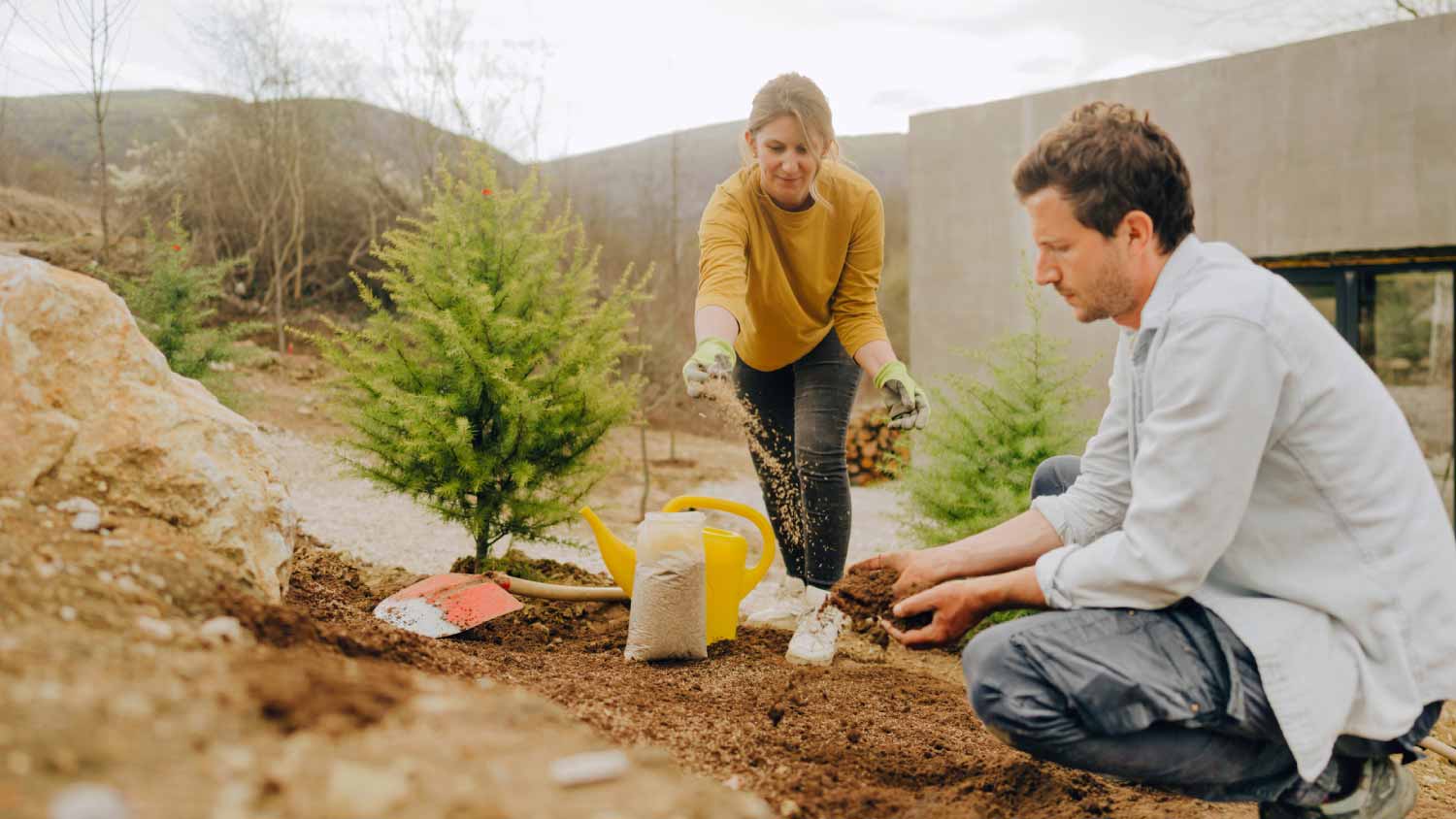
The best time to plant grass seed depends on the type of grass and your area’s local climate. Find out the ideal planting time for new grass seed.
Give your seeds the best possible start with well-timed planting

The best time to start planting seeds is 4 to 6 weeks before your area's last frost, though some crops need earlier indoor starts.
Heated indoor environments let you start seeds 1 to 3 weeks earlier than unheated spaces, giving longer-season plants like peppers and pumpkins a stronger start.
Your seed packet provides planting dates, depth, spacing, and germination time, so keep it handy or record the details in a gardening journal for future reference.
Hiring a local gardening professional takes the guesswork out of planting schedules and hardening off, helping your seedlings thrive through transplanting and beyond.
As a general rule, the best time to start seeds for spring planting is 4 to 6 weeks before the last frost in your area. However, there are many variables, including the region you live in, what you're planning to grow, and whether you're sowing indoors or direct sowing outside. The packets your seeds come in usually have suggested planting dates or at least the length of time you should start the seeds before the last frost. Follow those suggestions and these seeding tips and watch your seeds take off.
For the earliest crops, using a lightly heated indoor space, like a heated greenhouse, where you can tightly control the temperature, is a good choice. While more costly than other options, a heated greenhouse ensures your plants get a bit of a head start. It allows you to plant between 1 and 3 weeks earlier than unheated indoor plantings.
Plants that require a longer growing season, such as pumpkins, peppers, and brassicas particularly benefit from a heated, earlier start as they'll be bigger, more robust, and further along in their road to maturity by the time the last frost has passed and the plants are ready to be transplanted to their final location.
One crucial point when starting seeds in a heated environment: you must carefully control temperature reduction and hardening off. If you skip this step, your plants will die. Hardening off involves slowly acclimating the plants to outdoor conditions. You do this by gradually reducing the greenhouse's temperature by a few degrees over a week or two.
Then, once the plants can tolerate an unheated greenhouse, you slowly start exposing them to outdoor conditions by moving them outdoors for a few hours at a time, slowly increasing the number of daylight hours they spend outdoors. You can also start simulating outdoor conditions early by using a fan to mimic the natural movement of air, which helps to strengthen stems and roots.
After a couple of weeks, the plants are ready to move to their final outdoor location.
In an unheated but protected environment, you still get to plant around a week or two earlier than if you were direct sowing, but it depends on what you're growing. Some plants, such as peppers and tomatoes, can only be started indoors in most areas because they need a longer growing season, and they're particularly tender, unable to withstand even the slightest frost.
You'll also need to follow the hardening off process once your seedlings are ready to transplant, but the process is faster because the starting temperature is lower.

You can easily sow certain crops outdoors, just make sure your seed is still viable, as not all grass seeds last very long. Roto crops like carrots, beets, potatoes, and radishes should only be sown directly into their final location, as they don't tolerate transplantation.
Let seed packet's planting conditions and recommended dates for direct sowing guide you; you can potentially plant up to two weeks earlier than recommended if you use cloches or fleece blankets to cover the area you plant in.
Mulching can also help warm the soil's temperature and kickstart seed growth earlier.
One of the biggest determining factors in when to plant seeds is where you live. Sure, hardiness zones give you a good general indicator of when to plant seeds, but within each zone there are many differences that can impact successful sowing times by a couple of weeks.
Using a planting calendar, such as this one from the Old Farmer's Almanac, gives you detailed planting recommendations for many different crops based on your ZIP code.
The seed packet should contain everything you need to know to get your seeds off to the best start. You'll see information about planting indoors vs. outdoors, the depth at which you should plant, spacing, the time it takes to germinate, the time to maturity, and either planting dates by hardiness zone, or planting times by time before last frosts.
Either keep your seed packet so you can refer back to it, or use a gardening journal and write down the cultivar, the recommended planting times, and the date you actually sowed them. Leave room to add in dates of successional sowing. Sowing multiple batches of the same plant, each a week or two apart, is a great way to extend the harvest period and prevent a glut of produce all at once.
Using a planting journal lets you take detailed notes about planting, soil type, things you tried, what worked and what didn't so you can refer back to it and do better the next year.
First of all, the gentleman I dealt with (Cam?) was very responsive to my many questions and concerns throughout the project, which is a huge plus to me. From the first time I met him for the estimate all the way til the completion of the job, he and his crew were professional and respectful....
 All Star Paving and Sealing
We had a 20+ year old landscape lighting system that needed replacement. Midwest Lightscapes worked with us to design a much improved lighting system, lighting the exterior of the house and the back yard. Installation of the 45 light system took one and one-half days, and went very smoothly....
 Midwest Lightscapes
Another great success for me on home advisor. This company did an awesome job on my landscaping and stayed within my budget. The best part, the work was complete within 2 days of my initial request. Professional and responsive. I highly recommend!
 Blue Ring Residential Services, LLC
Norman responded to the voicemail that I left describing the situation within an hour of having left it. He was already on a job in our area and offered to come over the same day to assess the situation and give an estimate. Once he saw what we needed we set up a time 3 days later for him and...
 Pitzer Landscaping
The company no showed on me twice. The 2nd time was no call no show. They were responsive to set up the first appointment to perform the "landscape cleanup". 3 hours after their initial scheduled appointment time they called me to let me know they had some "problem" with the truck and their...
 Ruby Home and Hauling Services
Received ideas for future landscape plans...quote to do the work seemed a bit high but I did not have any other quotes to compare it to, so perhaps that is the going rates. <br />
 Landscapes By Terra, Inc
All around they have done a really great job. <br /> I have used JL Landscapes for the past 8 years. I own and operate my own commercial/residential real estate company where we own, operate, and maintain our own properties. JL Landscapes has been our exclusive landscaper for both our...
 J.L. Landscapes
I left a message on Sunday requesting to schedule a time to obtain an estimate/walk-through and received a return call in the morning of the following Monday. Mark worked with me and agreed to schedule the estimate/walk-through for the following Saturday. When Mark arrived for the...
Herb Techmer did not finish what was agreed in the invoice. The work actually completed was done well, however, the entire agreement in the invoice was not honored. The following Saturday, Mr. Techmer stated he would return to finish the work. However, Herb Techmer never arrived and...
Feazel Roofing discussed the job in detail prior to beginning. The day before the work commenced they delivered the materials to the site and put them where we had agreed upon. At the time of the commencement of work, they brought numerous tarps that were blue in color. They covered the...
 Feazel Inc
From average costs to expert advice, get all the answers you need to get your job done.
The best time to plant grass seed depends on the type of grass and your area’s local climate. Find out the ideal planting time for new grass seed.
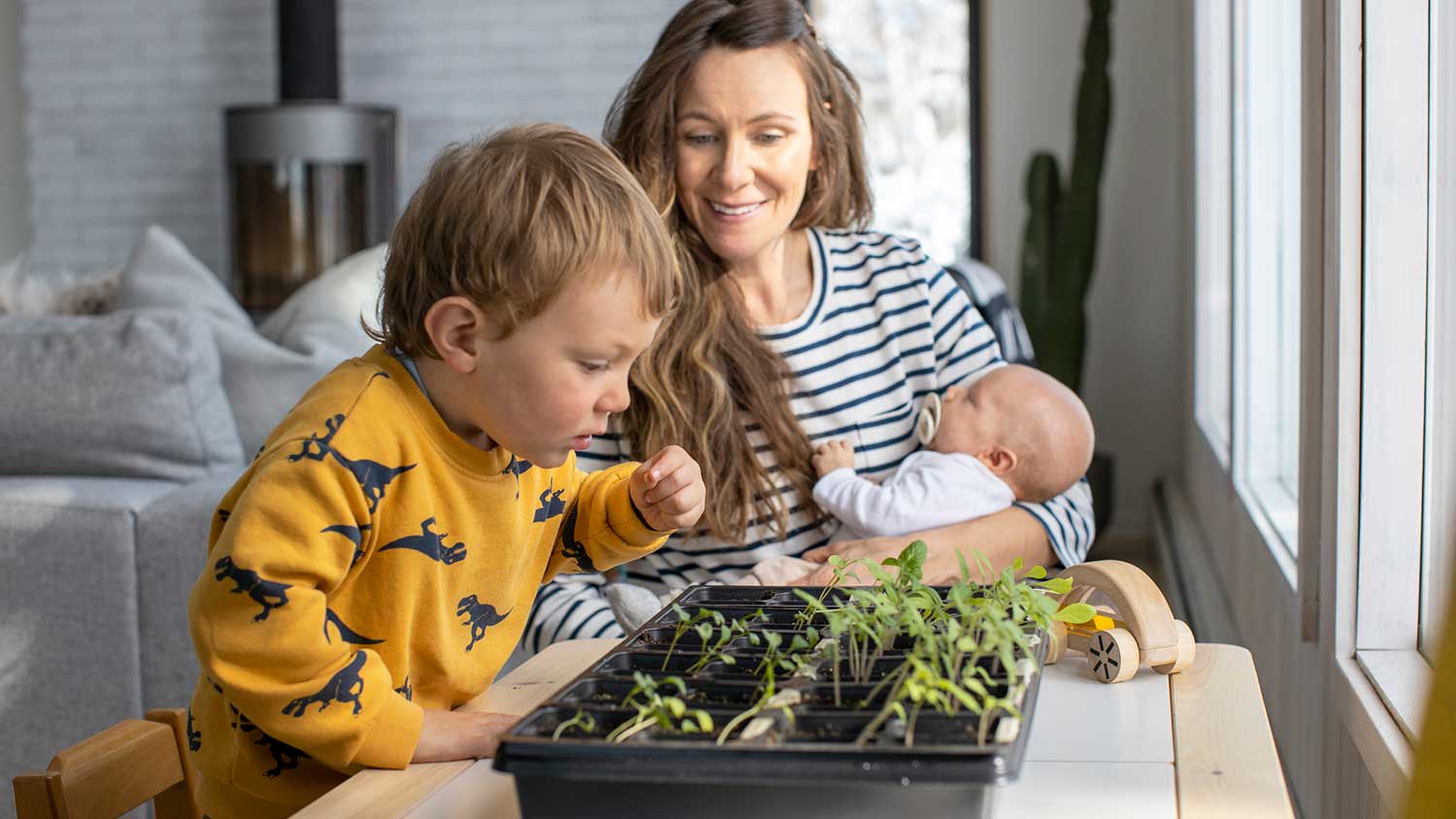
Can’t wait for the growing season? This guide will show you when to start seeds indoors and how to successfully grow seedlings from your living room.
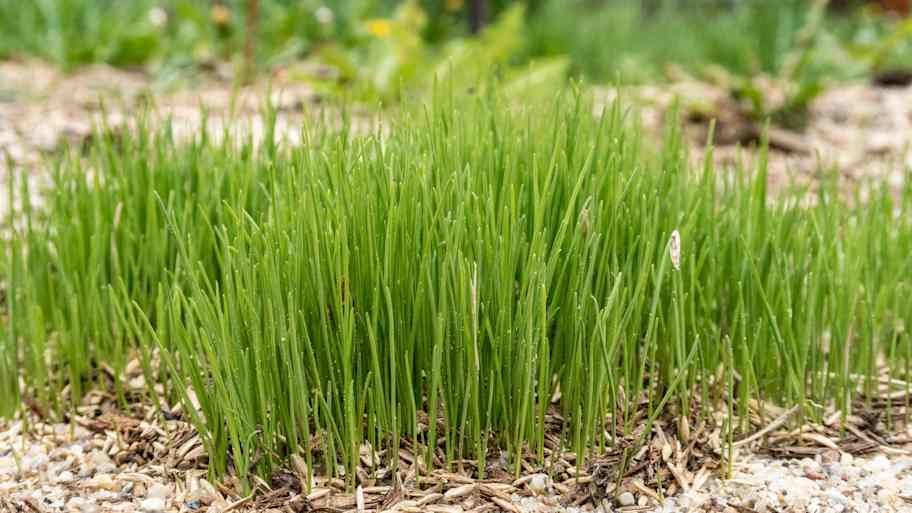
Ready to give your yard a fresh start? With these tips for grass seed planting, your lush lawn dreams are one step closer to becoming a reality.
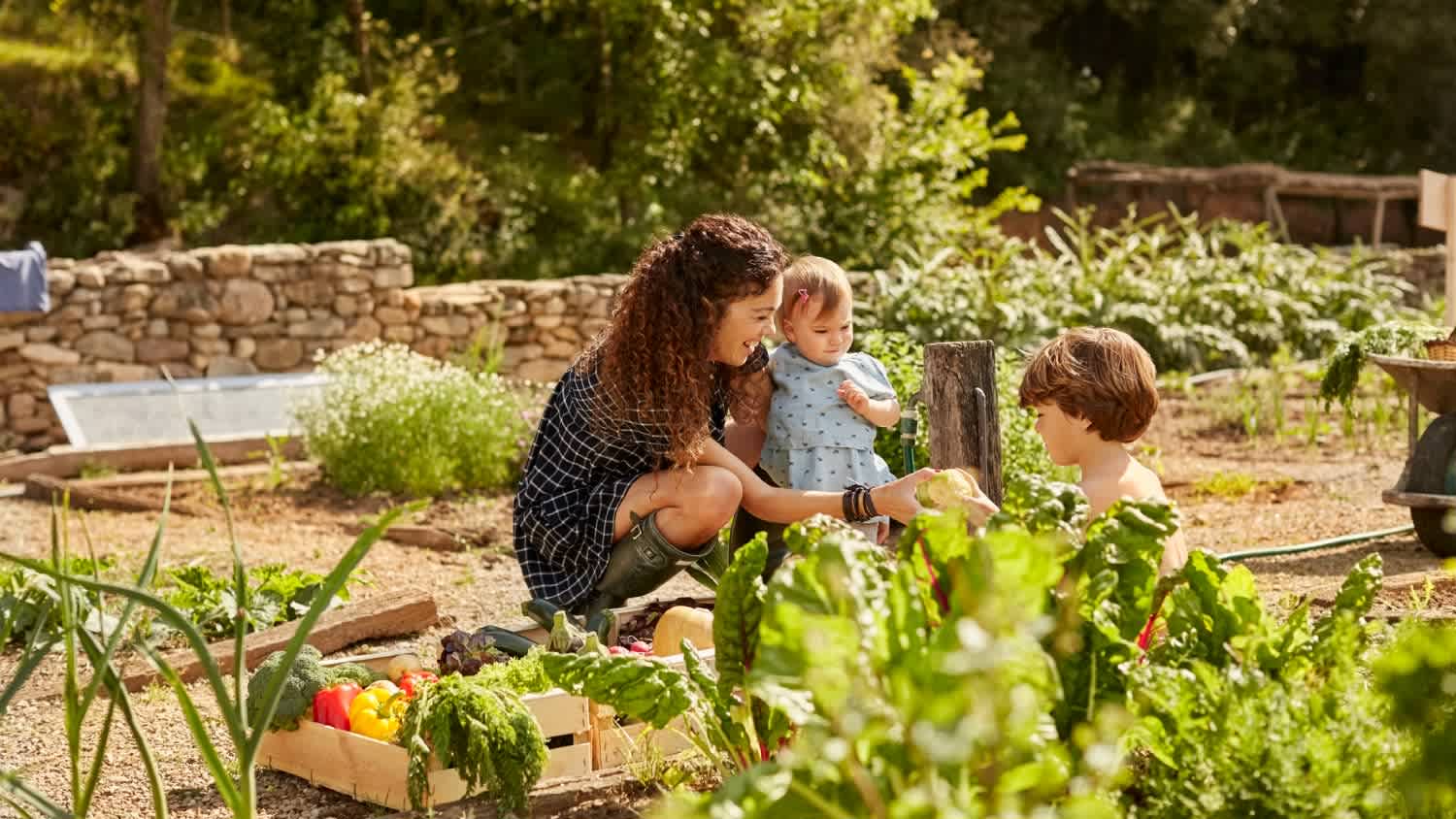
Wondering when to plant vegetables in your garden? Learn the best times to plant cool- and warm-season veggies and get tips for starting seeds indoors too.
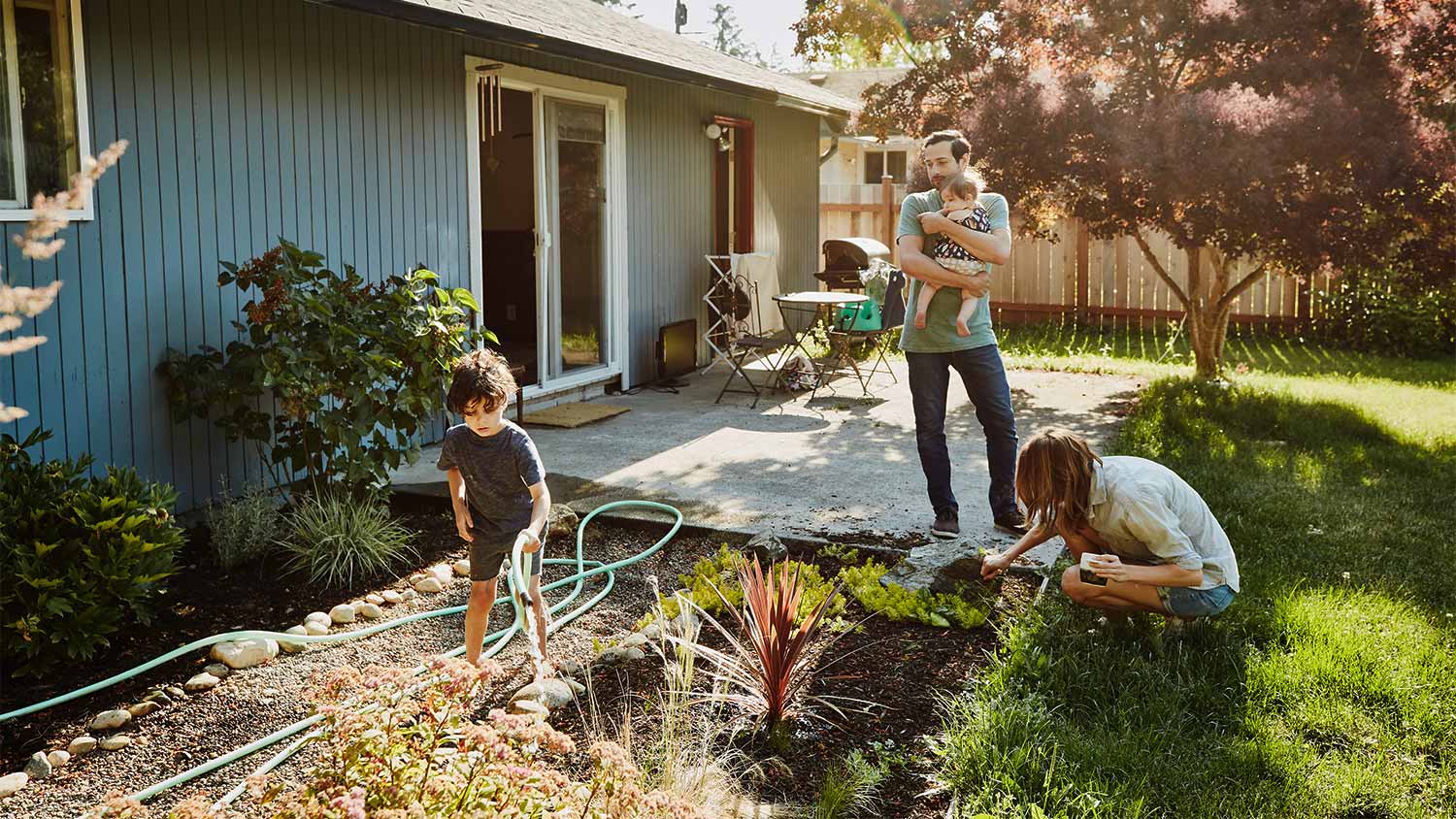
Between planting zones, the fall harvest, and spring frost dates: knowing when to plant your garden can be tricky. Pick the right moment with this guide.
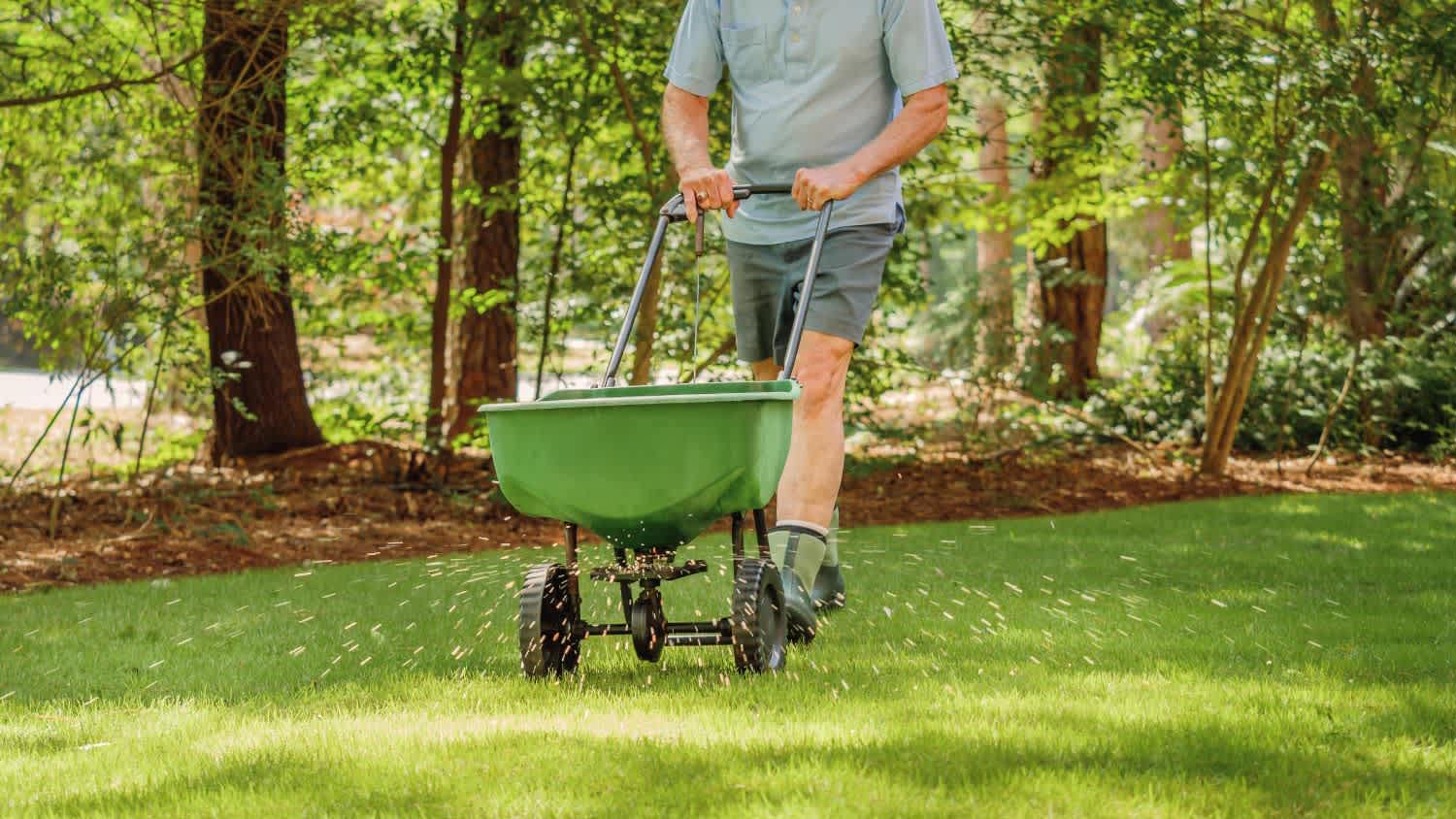
Does grass seed go bad? If you’ve got a box in your basement, you’re probably wondering if you can still plant it. Here’s what you need to know.