
•
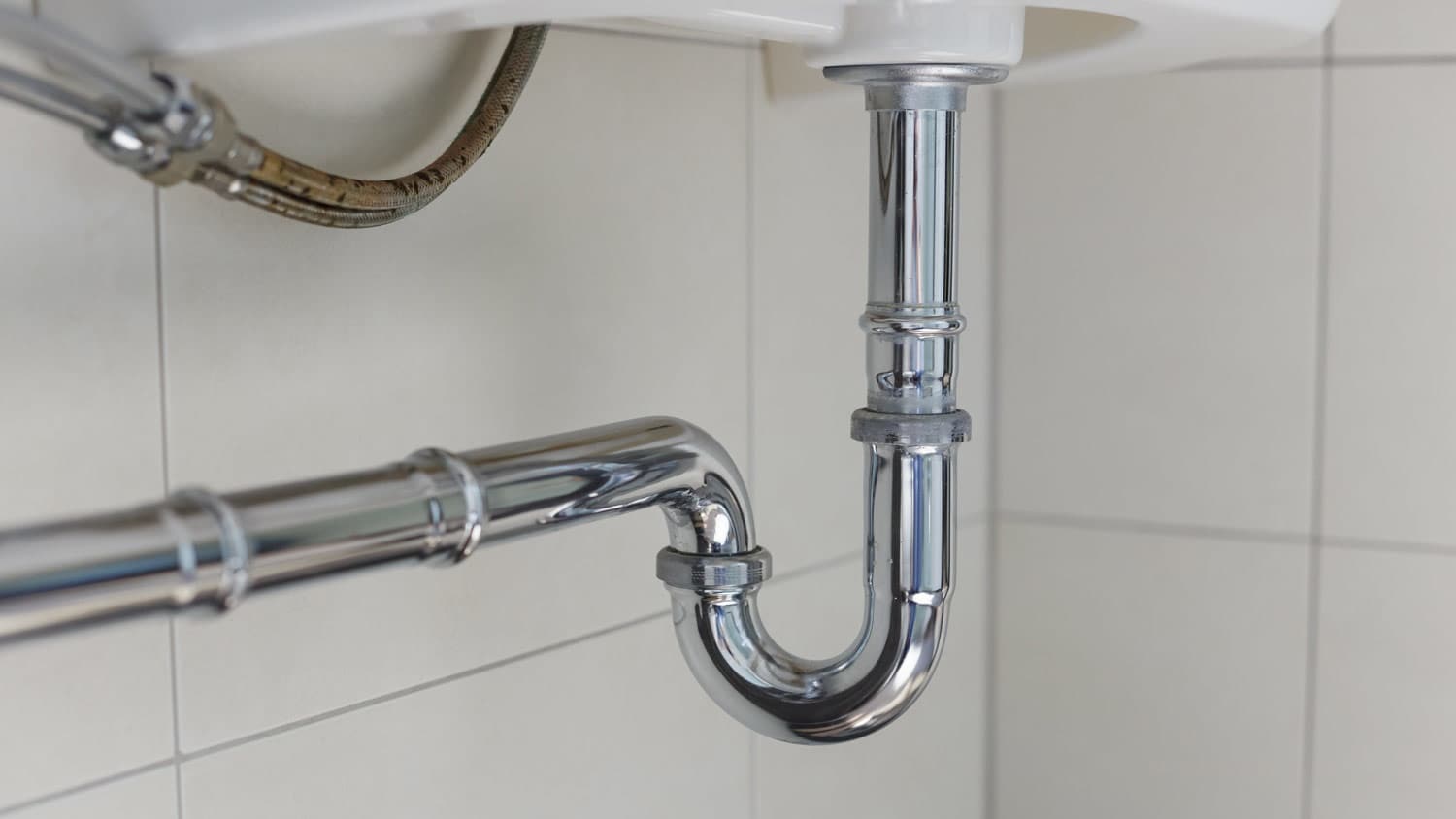
Discover the cost to replace drain pipes in a house, including average prices, key factors, and tips to save on your plumbing project.
Let your flooding concerns drain away with these pipe options

Your drainage piping choice depends on climate, soil conditions, water debris levels, and budget, with PVC being the most popular for its durability and flexibility.
Single-wall and dual-wall corrugated pipes are the most affordable underground drainage options, while galvanized metal piping costs more but offers exceptional rust-resistant durability.
PVC drainage pipes resist corrosion and chemicals, hold up to high water pressure, and come in various sizes to fit your specific drainage system needs.
Hiring a local drainage company removes the guesswork from selecting pipe materials and designing proper drainage layouts, keeping your yard protected from flooding and erosion.
There are several types of piping used for drainage systems, including plastic, concrete, or metal as well as different styles, such as smooth wall, single-wall corrugated, or dual-wall corrugated. Most drainage systems incorporate plastic-based piping, with PVC being the most popular, but your climate, soil, water conditions, and drainage system design can all influence what type of piping will work best for your project.
| Type of Piping | Lifespan in Years |
|---|---|
| PVC | 70–100 |
| PVCu | 50–100 |
| Polyethylene | 50–100 |
| ABS | 50–100 |
| Concrete | 70–100 |
| Galvanized metal | 20–50 |
| Smooth wall | 20–100 |
| Single-wall corrugated | 50–100 |
| Dual-wall corrugated | 50–100 |

PVC, or polyvinyl chloride, is one of the most common piping materials, especially for a drainage system that prevents yard erosion. This material is smooth and malleable, meaning manufacturers can make many different sizes of PVC and create curved fittings so that the pipes can turn corners in a home or yard.
The plastic material is resistant to water and chemicals and won’t corrode over time, making it a good choice for drainage systems. Plus, the smooth material is less likely to clog than other materials.
| Pros | Cons |
|---|---|
| Variety of sizes | Can crack in extreme cold |
| Holds up to high pressure | Bulky fittings needed for turns |
| Recyclable | May warp in extreme heat |
Best for: Debris-heavy waters

Rigid PVC or unplasticized PVC (PVCu/uPVC) is made with the same material as polyvinyl chloride but without added plasticizers that make PVC more malleable. Without plasticizer, PVCu is highly rigid and more brittle, making it durable enough to handle higher water pressure while also being resistant to UV radiation, rust, and chemicals.
Like PVC, PVCu is still vulnerable to extreme temperatures, and the higher rigidity makes it more sensitive to very heavy loads above the piping. Make sure to consult a local drainage pro to ensure whether PVCu is right for your yard.
| Pros | Cons |
|---|---|
| Resistant to UV radiation | Sensitive to pressure from above |
| Rust-resistant | Vulnerable to extreme temperatures |
| Recyclable | Harder to install than PVC |
Best for: High water pressure

Both lightweight and flexible, polyethylene is another popular type of piping used for drainage systems. Like PVC, it is chemical- and corrosion-resistant. Its flexibility makes polyethylene easier to install in areas with many turns.
However, this material isn’t as strong as materials like PVC or concrete, so it works best if there isn’t a heavy load of soil, snow, or ice above the pipes. For outdoor drainage, use high-density polyethylene (HDPE) or low-density polyethylene (LDPE). Only use cross-linked polyethylene pipes (PEX) indoors.
| Pros | Cons |
|---|---|
| Highly flexible | Lower strength |
| Easy to install | Not ideal for larger projects |
| Corrosion-resistant | Vulnerable to extreme temperatures |
Best for: Drainage systems with several turns

An ABS pipe, or acrylonitrile butadiene styrene pipe, is commonly used for drainage and ventilation. This plastic-based pipe is more tolerant of extreme temperatures than PVC, making it a good option for regions that get both freezing winter temps and scorching summer weather. Like PVC, ABS is corrosion- and chemical-resistant, which also makes for good drainage piping.
This material is vulnerable to UV radiation, so if the drainage pipes won’t be buried, make sure to use ABS with a protective UV coating.
| Pros | Cons |
|---|---|
| High impact resistance | Higher cost than other plastics |
| Less vulnerable to extreme temperatures | Vulnerable to UV radiation |
| Chemical- and corrosion-resistant | Noisy |
Best for: Areas with extreme temperatures

If you don’t want plastic-based pipes in your yard or you’re looking for a highly durable piping material for your drainage system, consider concrete. This long-lasting material may be rigid, but it’s still quick and easy to install. The smooth interior allows for high water flow efficiency, making this a good option for drainage.
However, unlike plastic, concrete is more vulnerable to chemicals, salt, and alkaline water, which can limit its applications.
| Pros | Cons |
|---|---|
| High durability | Not flexible |
| Quick installation | Higher cost |
| High flow efficiency | Vulnerable to cracking |
Best for: Yards with low risk of saline water, chemical runoff, or alkaline water
Choosing which type of piping to use for a complex drainage system isn’t a decision for a DIYer. Call a local pro to discuss piping options and draw up a proper layout for your drainage system.


Galvanized metal, made from steel or iron, features a zinc-based coating that makes the metal resistant to rust and corrosion. The metal is thin but strong and durable, which is why this can be a good choice for drainage, especially for visible piping in a trench drain.
However, the coating process means this type of pipe can come at a higher cost than plastic-based pipes. It’s also important to handle galvanized metal pipes with care since any scratches or chips to the coating can cause the pipe to rust.
| Pros | Cons |
|---|---|
| Rust-resistant coating | Higher cost |
| Strong | More difficult installation |
| Durable | May rust if coating is damaged |
Best for: Large projects that require extremely high durability and strength

Smooth wall is a style of piping that can be made from plastic, metal, or concrete. No matter the material, this type of piping is made for handling high volumes of water with minimal risk of clogging or corrosion. Smooth wall pipes are strong, durable, and rigid, making them ideal for burying underground, even with heavy soil loads.
However, the rigidity means you’ll need extra fittings to make turns with the pipes.
| Pros | Cons |
|---|---|
| Not corrosive | Extra parts required for turns |
| Resistant to chemicals | More difficult to install |
| Durable | Rigid |
Best for: Heavy soil loads, high water flow

Commonly used for French drain systems, single-wall corrugated pipes are made from flexible and lightweight HDPE. This piping can turn corners with ease and is easy and affordable to install.
However, because of the corrugated interior, debris can get caught in the ridges, leading to buildup over time. With a proper French drain system, there are other layers of stone and landscaping fabric to help minimize debris runoff into these pipes.
| Pros | Cons |
|---|---|
| Flexible | Steeper incline required |
| Lightweight | Risk of clogs |
| Lower cost | Less durable |
Best for: Sites with several turns or uneven terrain

Dual-wall corrugated pipes are made from HDPE and combine the benefits of both smooth wall and single-wall corrugated pipes. This pipe features a smooth inner pipe and a corrugated outer layer for added durability that still offers some flexibility.
The inner smooth wall pipe makes it slightly more rigid than a single-wall corrugated pipe, but the flexible exterior means this piping requires some incline to improve its flow rate. Thanks to the smooth interior, this pipe is less prone to clogs than single-wall corrugated pipes.
| Pros | Cons |
|---|---|
| Flexible | Lower flow than single-wall |
| Lower cost | More rigid than single-wall |
| Durable | More difficult to install than single-wall |
Best for: Areas that require flexible piping but will have debris in the drainage water
Custom Paint Jobs LLC made our home feel like a piece of art. Thank you for your creativity!
 Custom Paint Jobs, LLC
Window Depot did an amazing job on my deck. I wasnt sure what I wanted to do, but their composite decking was affordable and will last a long time. I am excited to have family over, and I am no longer embarrassed by my backyard. Jeff and the ground crew were polite, respectful, and caring for...
 Window Depot USA of Central Ohio
First of all, the gentleman I dealt with (Cam?) was very responsive to my many questions and concerns throughout the project, which is a huge plus to me. From the first time I met him for the estimate all the way til the completion of the job, he and his crew were professional and respectful....
 All Star Paving and Sealing
We had a 20+ year old landscape lighting system that needed replacement. Midwest Lightscapes worked with us to design a much improved lighting system, lighting the exterior of the house and the back yard. Installation of the 45 light system took one and one-half days, and went very smoothly....
 Midwest Lightscapes
Another great success for me on home advisor. This company did an awesome job on my landscaping and stayed within my budget. The best part, the work was complete within 2 days of my initial request. Professional and responsive. I highly recommend!
 Blue Ring Residential Services, LLC
The company no showed on me twice. The 2nd time was no call no show. They were responsive to set up the first appointment to perform the "landscape cleanup". 3 hours after their initial scheduled appointment time they called me to let me know they had some "problem" with the truck and their...
 Ruby Home and Hauling Services
Received ideas for future landscape plans...quote to do the work seemed a bit high but I did not have any other quotes to compare it to, so perhaps that is the going rates. <br />
 Landscapes By Terra, Inc
All around they have done a really great job. <br /> I have used JL Landscapes for the past 8 years. I own and operate my own commercial/residential real estate company where we own, operate, and maintain our own properties. JL Landscapes has been our exclusive landscaper for both our...
 J.L. Landscapes
Bought a half a cord of firewood from Pitzer with stacking last month. I waited to report so I could see how the wood burned. <br /> <br /> I have three pet peeves regarding landscapers, but Pitzer scored "A"s regarding all three. First, rather than having customers "leave a message" and...
 Pitzer Landscaping
I left a message on Sunday requesting to schedule a time to obtain an estimate/walk-through and received a return call in the morning of the following Monday. Mark worked with me and agreed to schedule the estimate/walk-through for the following Saturday. When Mark arrived for the...
From average costs to expert advice, get all the answers you need to get your job done.
Discover the cost to replace drain pipes in a house, including average prices, key factors, and tips to save on your plumbing project.
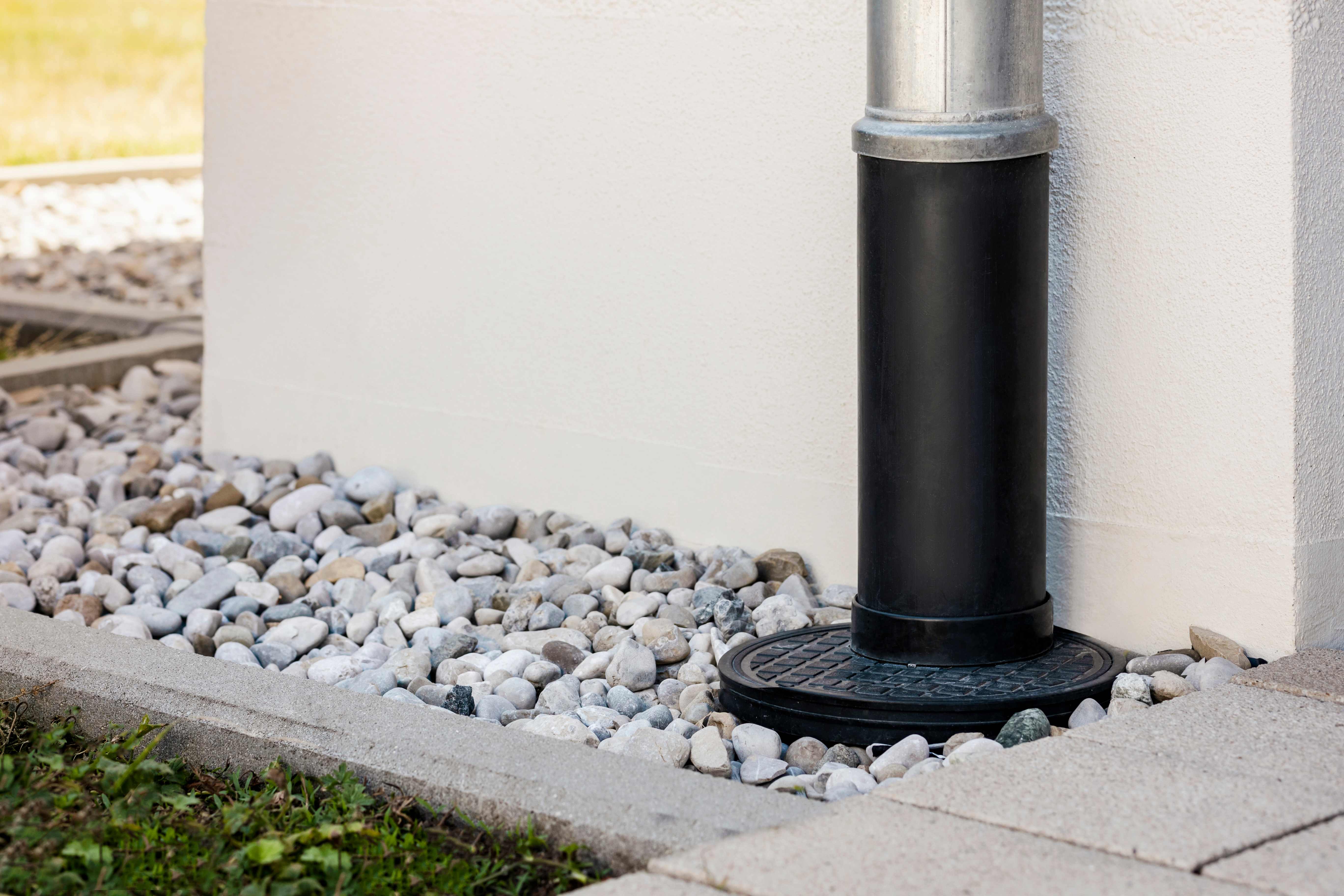
Discover basement drain installation cost, key price factors, and ways to save. Get expert tips to plan your basement drain project with confidence.
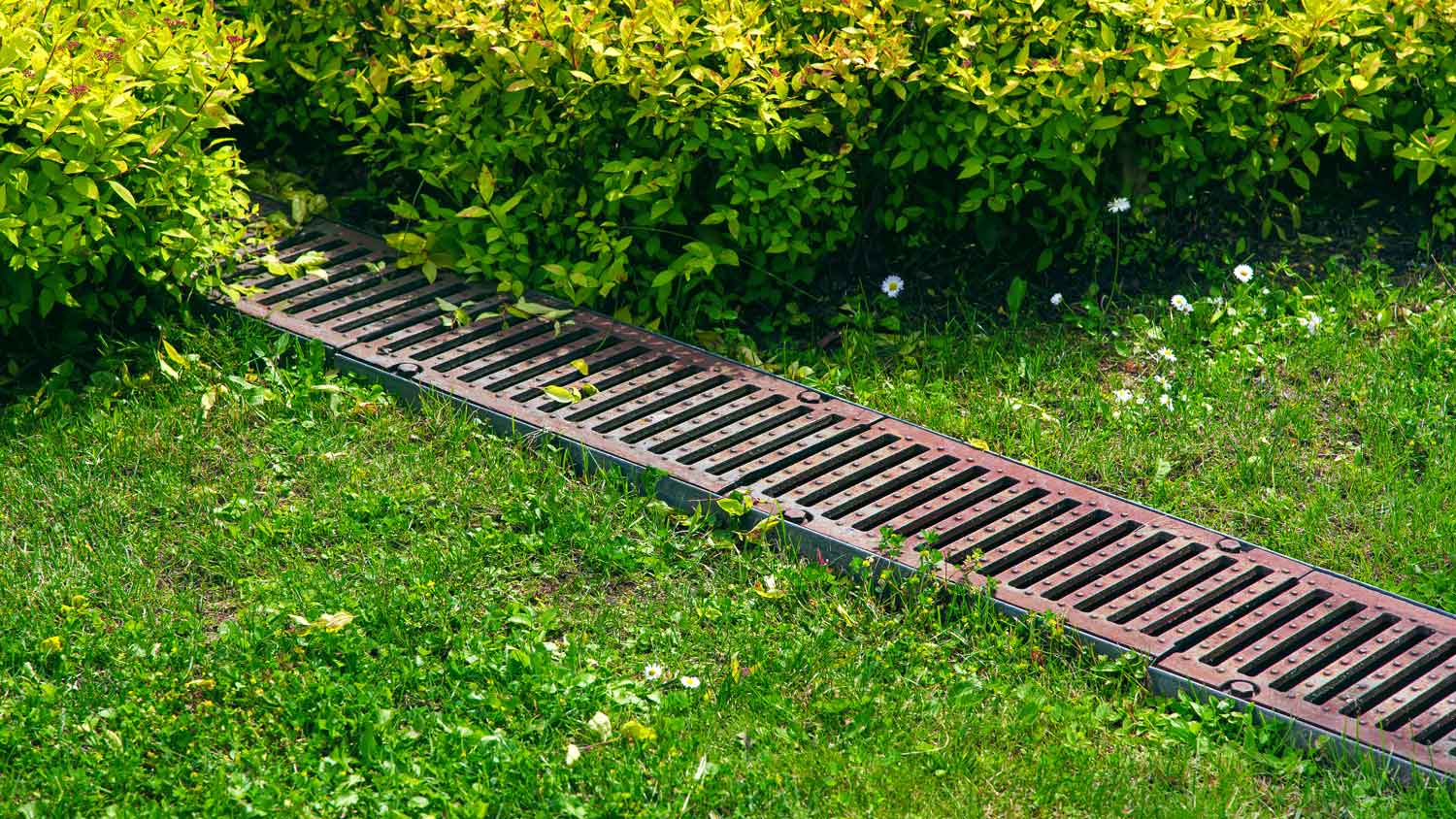
Learn about the pros and cons of the most common types of stormwater drainage systems so you can navigate through the storm season safely.
Learn what type of pipe is used for sewer lines, such as PVC, ABS, and cast iron, and find out how to choose the best sewage pipe type for your needs.
When comparing leach fields versus drain fields, the two terms are often used interchangeably to describe part of a septic system. Learn more about them.

Septic systems are an essential waste management feature of many homes. Find out how a septic system works to turn wastewater into treated groundwater.