
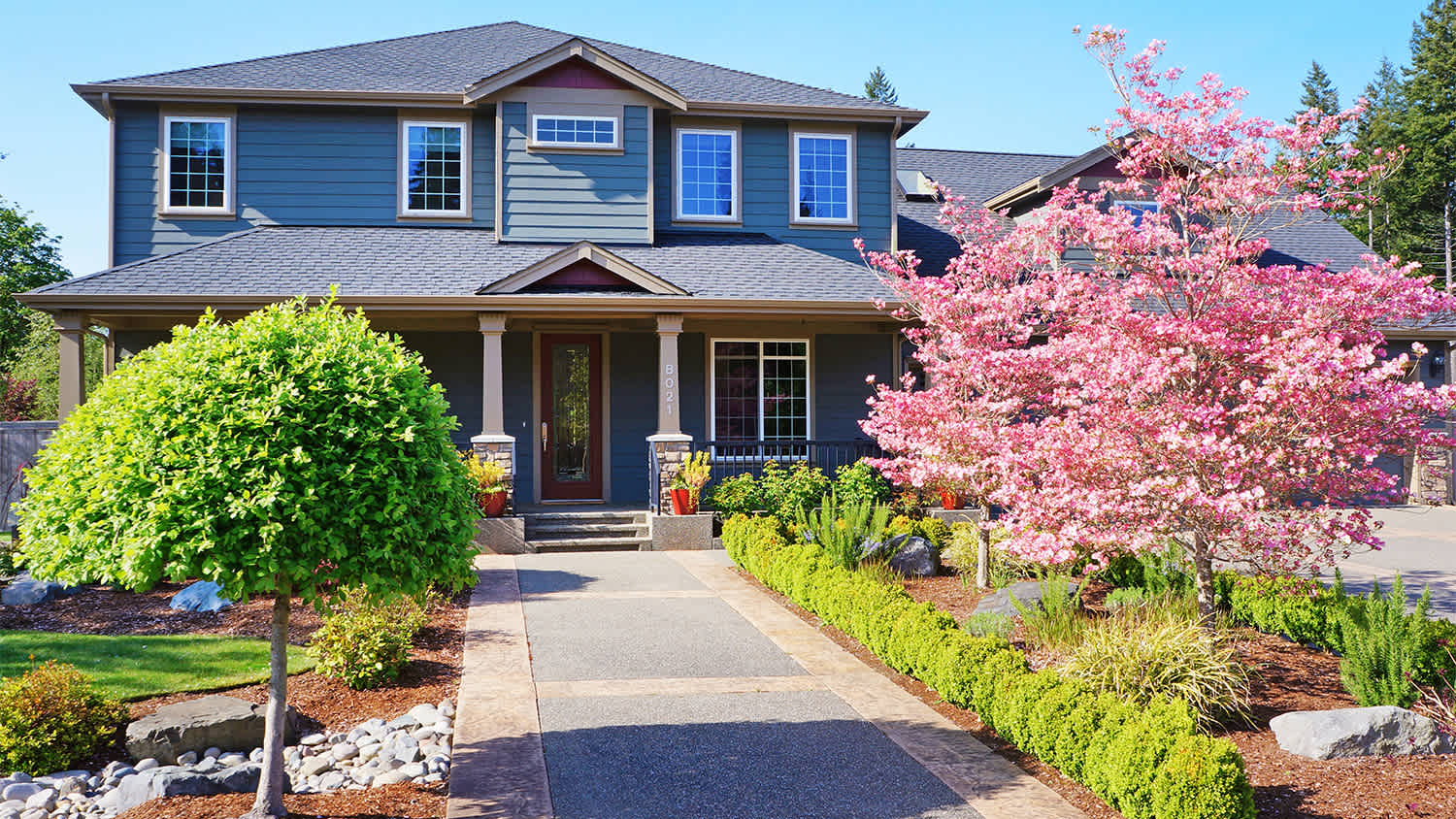
A landscape designer can elevate your outdoor space and bring your vision to life. Use this landscape design cost guide to budget for your next project.
Cultivate a dual-purpose yard that's both beautiful and functional

An edible landscape combines fruits, vegetables, and herbs with ornamental plants, allowing you to harvest fresh ingredients while maintaining a beautiful yard.
Mulch for your edible landscape costs around $30 to $150 per cubic yard, helping you create healthy soil conditions for your plants.
You need at least six hours of sunlight and good drainage for most edible plants, though blueberries and artichokes thrive in shadier spots.
Hiring a local landscaping professional helps you design the perfect layout and choose plants suited to your region, ensuring your garden thrives.
How convenient would it be to harvest cooking ingredients and healthy snacks right from your yard? Luckily, with edible landscaping, you can do just that, all while cultivating a lush and vibrant garden to surround your home. Read on for our list of the best plants by hardiness zone and planting season and some design pointers for your tasty garden project.
Before discussing the best plants for an edible landscape, let’s cover what that means. Edible landscaping is a garden full of fruits, vegetables, and herbs that is stylish and consumable. This type of landscaping lets you get the most out of your lawn. It also saves you money and makes food readily available to you.
Edible plants like leafy greens, corn, and peas tend to attract hungry animals easily, so they are best suited for covered or sectioned-off garden beds. The plants below are either somewhat resistant to wildlife or fare better when planted with ornamentals out in the open.
One thing to note is that if you plan to harvest and eat these fruits and vegetables, ensure not to treat them with harmful pesticides. Many pesticides and herbicides are not intended to be ingested by people. Research organic, safe products for edible plants and feed them with organic compost instead of fertilizer. You can also practice companion planting or pairing plants that enhance each other’s growth to keep your garden lush without harsh chemicals.

Who said midnight snacks had to be unhealthy? When creating an edible landscape, fruits are the first plants homeowners consider when deciding what to add. Let’s look at some of the more common types below.
Juicy and delicious, strawberries are the perfect summer fruit to please just about everyone. Strawberry plants are perennials that make excellent ground covers. Their runners spread quickly and may need frequent trimming, but those bright red berries that make great salad additions or smoothie ingredients are well worth your while.
Hardiness zones: 4–9
Season: Plant in spring in cool climates or fall in warmer climates
Perennial
A handful of fresh blueberries makes for a delicious, healthy snack. So, why not plant them right in your yard? Perfect for breakfast smoothies and fruit salads, blueberries sprout lantern-like white flowers on their bushes in the spring and turn a deep red-purple in the fall.
Hardiness zones: 3–9
Season: Plant blueberries in spring or late fall
Perennial
Who wouldn’t want to pluck delicious fruit from a tree in their own yard? Planting and nurturing fruit trees is incredibly rewarding. This type of edible landscaping allows you to enjoy different fruits without purchasing them at the grocery store.
Hardiness zones:
Pear: 4–8
Fig: 8–10
Plum: 3–8
Cherry: 5–7
Lemon: 9–11
Peach: 4–9
Orange: 9–11
Season: Plant in fall
Perennial

While fruits are known for their sweet appeal and pops of color, herbs, and veggies are hearty and give your landscape more texture and greenery. This balances it out and adds visual interest. Below are some common herbs and vegetables worth adding to your garden.
Herbs are an obvious choice for edible landscaping, but make sure to go with perennials like oregano, lavender, rosemary, sage, and thyme. Annuals like basil and cilantro tend to attract animals with their strong aromas. For those herbs, stick to planting them in an enclosed garden or kitchen herb garden.
Hardiness zones:
Sage: 5–9
Rosemary: 7–10
Oregano: 5–12
Lavender: 5–9
Thyme: 5–9
Season: Plant in early spring
There are many hot and sweet peppers, and they all have excellent uses in salsas and salads. Bell peppers and cayenne peppers bring an interesting pop of color to the garden. However, their leaves tend to attract hungry animals, so wait until they’ve grown taller and harder before planting them in the open.
Hardiness zones: 9–11
Season: Plant seeds in late winter or early spring
Perennials, often grown as annuals
Baked, grilled, or steamed, artichokes are delicious additions to meals. Also, artichoke plants will introduce one of the most interesting shapes to your landscape. Their spiky, thick foliage makes a statement, but their purple flowers bring vibrancy to the whole yard when in bloom. An artichoke’s prickly leaves are unappealing to hungry wildlife, making this edible a safe bet for an open landscape.
Hardiness zones: 7–11
Season: When grown as annuals, plant in spring; in warmer regions, plant in fall
Annuals in cooler regions; short-lived perennials in warm regions
Eggplants can offer some texture variety among a bed of flowers. While the shiny, purple varieties we all know and love are beautiful, there are also other types to choose from, some round and some white. Eggplants mature quickly and have scratchy leaves that can keep wildlife at bay. Their star-shaped flowers add even more beauty to your edible landscaping project. Not to mention that the roasted vegetable is a satisfying addition to meals.
Hardiness zones: 5–12
Season: Start seeds indoors, plant outside in late spring
Perennials, often grown as annuals
Pole beans can grow tall on a trellis, which adds height variety to your garden. They also make healthy and tasty vegetable side dish additions. Just make sure to put chicken wire around the bottom of the plants so wildlife can’t get to them first.
Hardiness zones: 3–10
Season: Plant in spring after danger of frost has passed or in fall 10 weeks before expected frost
Annuals
Alliums such as onions, garlic, and chives are perfect for edible landscaping because not only will wildlife not target them, but they also make desirable ingredients. You can plant them among other veggies to try to keep animals away from them, too. Chives bloom in cute purple tufts that will look right at home in the garden.
Hardiness zones: 3–9
Season: Plant in early fall
Perennials
Kale is one of the healthiest vegetables out there, and it’s a beautiful addition to a landscape, too. This vegetable comes in various colors, from green to red, and grows frilly, ornate leaves. Its diverse coloring will make the whole garden look even lusher than before.
Hardiness zones: 7–9
Season: Plant in spring
Biennial
Tomatoes are a garden favorite, so why not work them into the landscape? This sun-loving plant will add height to your garden wherever you decide to place a trellis or stake for it to climb. Before long, you’ll have plenty of this essential ingredient for homemade salsa, salad, sauces, and stews.
Hardiness zones: 5–8
Season: Plant in late spring or early summer
Perennials, often grown as annuals
Don’t overlook edible flowers in your landscape. Daisies, dandelions, hibiscus, honeysuckle, pansies, roses, lavender, lilac, and sunflowers add exuberant colors to your yard. They also make lovely garnish options for salads or cocktails.
Hardiness zones: Varies by flower
Season: Varies by flower

Edible plants can also be attractive. For best results, start small and choose just a few fruits or vegetables you actually like to eat. Mix these edible plants with ornamental plants, and you can expand your selection of edible plants over time.
You don’t have to have a massive budget to make your garden look beautiful. All you need is time, patience, and a willingness to play around with your layout to see what you like best. To help you get started, we’ve compiled a few design tips below.
Study your outdoor space to find out which areas get the most sunshine. It’s a good idea to pick a spot with at least six hours of sunlight and access to water, where most vegetables and fruits will thrive.
For other areas of the yard, consider these edible plants that thrive in the shade:
Currants
Blueberries
Alliums
Artichokes
Cherry tomatoes
Make sure to test your soil's nutrients before getting started. You can add mulch and topsoil to your edible landscape, but it’s important to know if you have a good foundation and to identify the most healthy areas of the yard. If you need some, mulch costs around $30 to $150 per cubic yard.
A soil test can tell you specific nutrients your soil needs in order to grow plants and grass. For example, a clay or marshy soil could mean your plants take longer take root and grow, which is important information to have when starting your project.

For unity, group similar plant types together. For example, use a tall row of berry bushes as a backdrop for low-growing greens. You can also create an eye-catching focal point with fruit trees or large, vibrant bushes.
Because there are so many colorful options, mixing edibles with ornamental plants allows you to play around with the color schemes of your landscape. If you have a small space, stick to just two to three colors and repeat them throughout the space.
Here are some edible plant pairing suggestions:
Purple and pink: chive, red kale, eggplant, sage, lavender
Yellow: bell pepper, yellow cherry tomato
Red: tomato, cayenne pepper
White: oregano, plum tree, honeysuckle

To create clear lines that separate the edible landscape from walkways, consider rock borders to differentiate your edible landscape from a stone or gravel path. A stone and gravel company can help you plan this out.
Also, make sure all areas of your edible landscape are accessible for watering. You don’t want to trample your plants just to get to the ones in the back.
It’s a nice touch to plant fragrant herbs and flowers, such as lavender and mint, along a walkway so that passersby will get a whiff of their sweet scents.
Wish everyone didn’t have a drive-in theater view of your home and yard, but not interested in traditional fencing? Fruit trees, rows of tall-growing shrubs, and tall edibles like asparagus can form a natural privacy screen for your yard. Plant these along the edge of your yard or against a wall of your house.
For even more visual variety, include several plants in containers throughout the landscape. Plus, containers help prevent pests in the soil from eating your plants. Common container ideas include stone pots, horse troughs, and raised beds.
It can be extremely rewarding to grow your own food and have it look great at the same time. Hire a local landscaping professional to make the most of your edible garden aspirations in your specific region. A landscaper costs about $50 to $100 per hour.
Caroline Gilbert contributed to this piece.
Custom Paint Jobs LLC made our home feel like a piece of art. Thank you for your creativity!
 Custom Paint Jobs, LLC
Window Depot did an amazing job on my deck. I wasnt sure what I wanted to do, but their composite decking was affordable and will last a long time. I am excited to have family over, and I am no longer embarrassed by my backyard. Jeff and the ground crew were polite, respectful, and caring for...
 Window Depot USA of Central Ohio
First of all, the gentleman I dealt with (Cam?) was very responsive to my many questions and concerns throughout the project, which is a huge plus to me. From the first time I met him for the estimate all the way til the completion of the job, he and his crew were professional and respectful....
 All Star Paving and Sealing
We had a 20+ year old landscape lighting system that needed replacement. Midwest Lightscapes worked with us to design a much improved lighting system, lighting the exterior of the house and the back yard. Installation of the 45 light system took one and one-half days, and went very smoothly....
 Midwest Lightscapes
Another great success for me on home advisor. This company did an awesome job on my landscaping and stayed within my budget. The best part, the work was complete within 2 days of my initial request. Professional and responsive. I highly recommend!
 Blue Ring Residential Services, LLC
The company no showed on me twice. The 2nd time was no call no show. They were responsive to set up the first appointment to perform the "landscape cleanup". 3 hours after their initial scheduled appointment time they called me to let me know they had some "problem" with the truck and their...
 Ruby Home and Hauling Services
Received ideas for future landscape plans...quote to do the work seemed a bit high but I did not have any other quotes to compare it to, so perhaps that is the going rates. <br />
 Landscapes By Terra, Inc
All around they have done a really great job. <br /> I have used JL Landscapes for the past 8 years. I own and operate my own commercial/residential real estate company where we own, operate, and maintain our own properties. JL Landscapes has been our exclusive landscaper for both our...
 J.L. Landscapes
Bought a half a cord of firewood from Pitzer with stacking last month. I waited to report so I could see how the wood burned. <br /> <br /> I have three pet peeves regarding landscapers, but Pitzer scored "A"s regarding all three. First, rather than having customers "leave a message" and...
 Pitzer Landscaping
I left a message on Sunday requesting to schedule a time to obtain an estimate/walk-through and received a return call in the morning of the following Monday. Mark worked with me and agreed to schedule the estimate/walk-through for the following Saturday. When Mark arrived for the...
From average costs to expert advice, get all the answers you need to get your job done.
A landscape designer can elevate your outdoor space and bring your vision to life. Use this landscape design cost guide to budget for your next project.
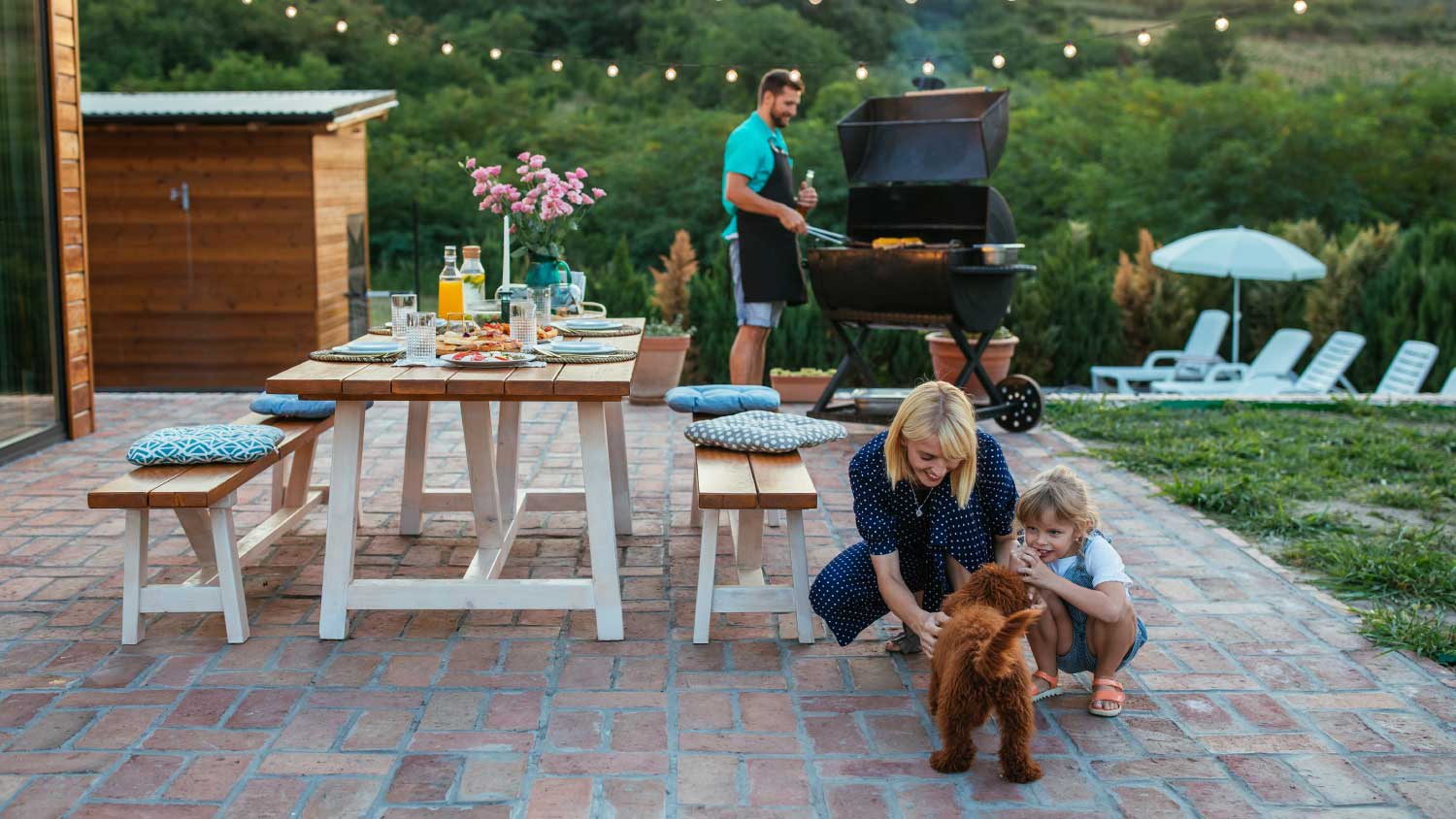
Looking to take your patio or backyard to the next level this year? Read to explore 20 outdoor living trends and decor ideas to get creative with in 2026.
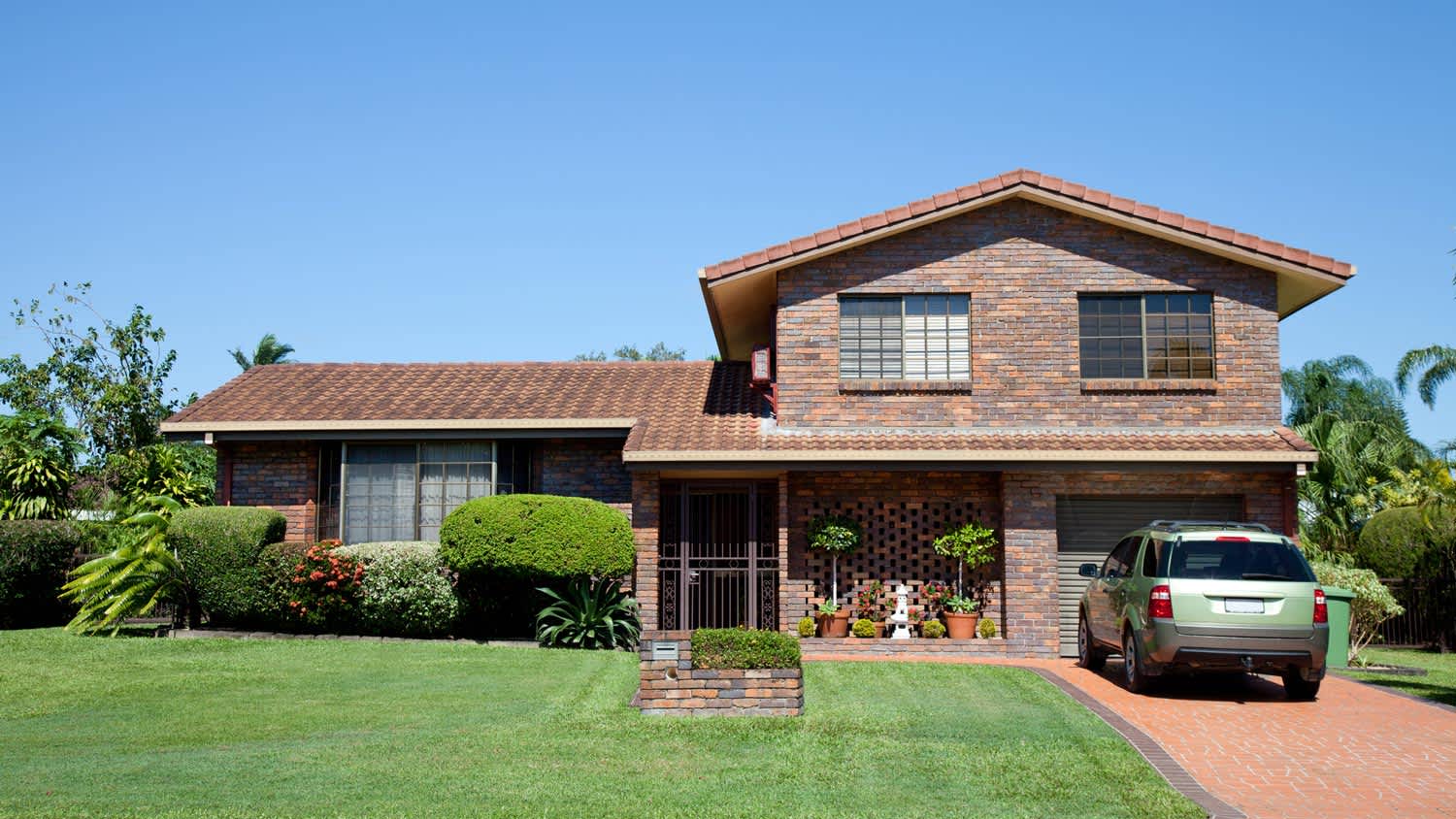
Design the garden of your dreams, from an English country garden to a Japanese-inspired meditative space with our expert landscape design tips.
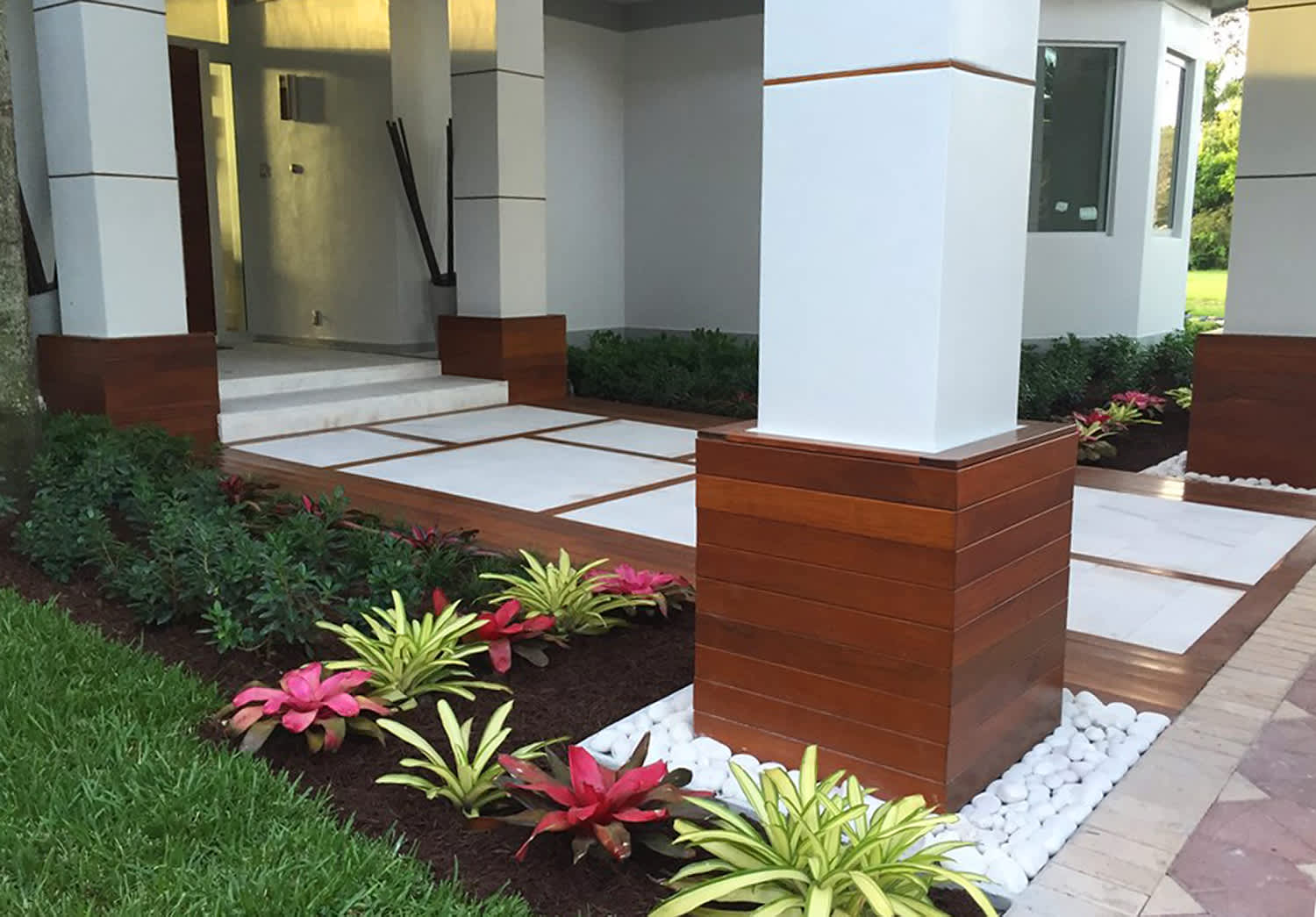
Is it time for a landscape glow-up? Check out these 47 landscaping ideas that show off your one-of-a-kind lawn and gardening style.
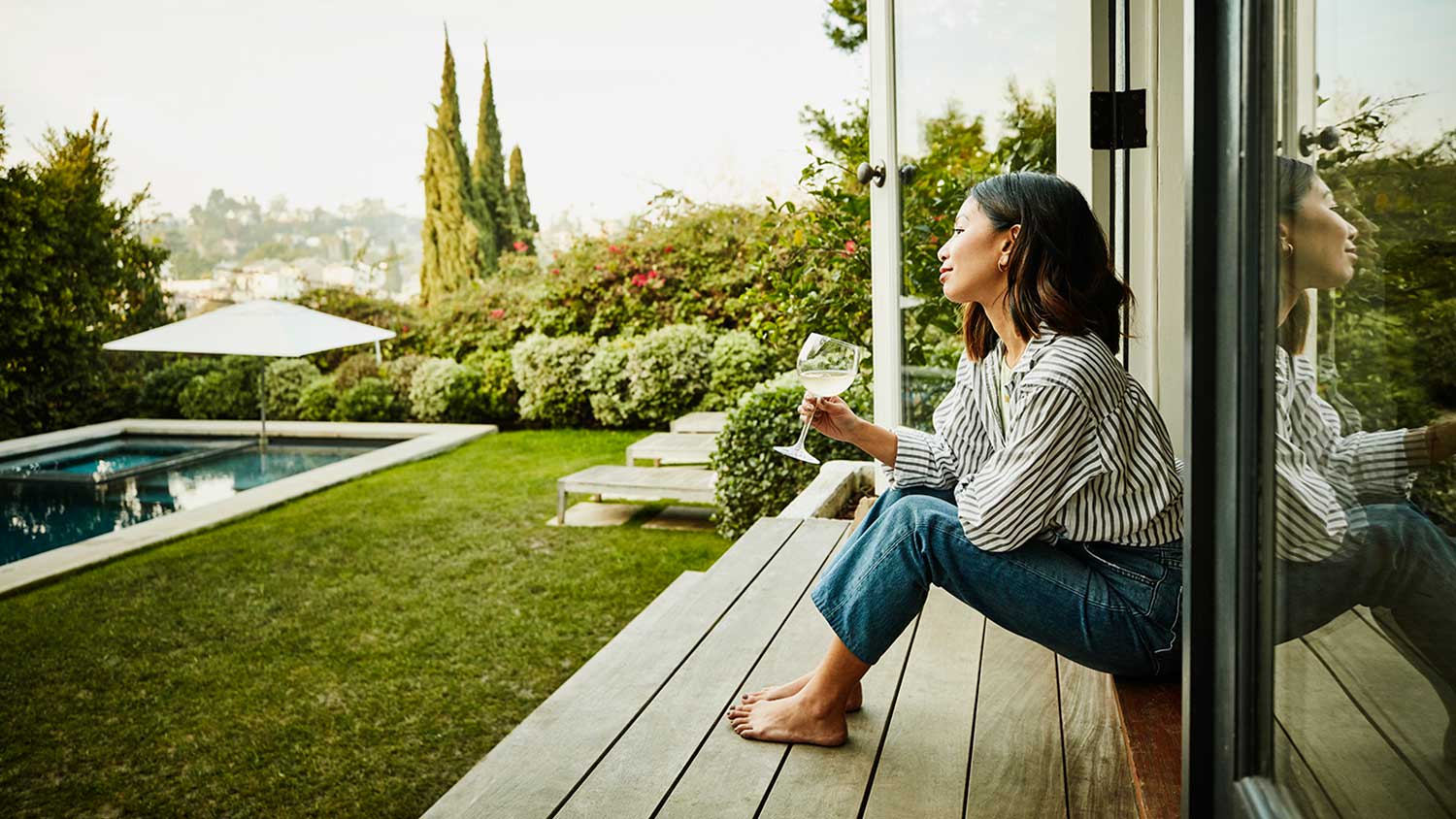
Your yard can be a functional, appealing extension of your home. Learn how to design a landscape that brings out the beauty of your property.
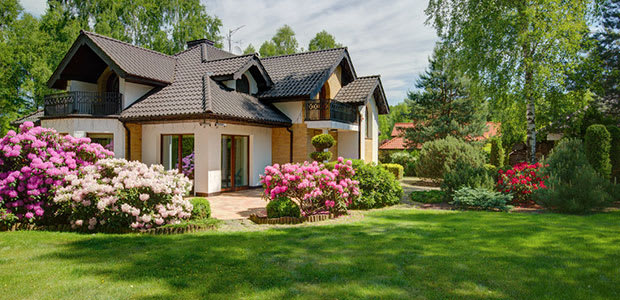
Try these 10 backyard improvements to turn your backyard into your own personal oasis.