

Harvesting your own rainwater is surprisingly simple. A rain barrel costs very little compared to how much you’ll save—and Mother Earth will thank you, too.
Watching the rain spill out of the gutter is that much better with a rain barrel

Rain barrel benefits include conserving water by capturing free rainwater for your garden and lawn, helping you save around 1,300 gallons during the summer.
Rain barrels cost $120 to $160 on average, and using captured rainwater instead of tap water saves you $5 to $10 per year on water bills.
You can reduce water runoff and prevent erosion by collecting rainwater in barrels, keeping pollutants out of streams and protecting shorelines from flood damage.
Hiring a local gutter installation professional ensures your rain barrel connects properly to downspouts, helping you capture rainwater efficiently and avoid installation mistakes.
If you’ve ever sat by the window to watch the rain cascading down and then checked your rain gauge afterward, you’ll love just how exciting it can be to capture larger quantities of water and use it in your yard. Using a rain barrel to collect fresh, free rainwater can save money and energy and protect the environment. Here are seven benefits to using residential rain barrels.
Ditch the tap water and take advantage of the water savings you get when you install a rain barrel on your property. Rain barrels store gallons of water that can water your plants. WaterSense, a program run by the United States Environmental Protection Agency (EPA), estimates that a typical U.S. family uses around 320 gallons of water a day, and 30% of that water is used on the great outdoors, with over 50% of outdoor water use going to watering the yard.
Yard irrigation makes up around 9 billion gallons of water a day across the country, which is almost 1/3 of water used by residents. That’s a lot of water! By capturing rainwater to water your garden and lawn, you can save approximately 1,300 gallons of water in the summer.
Speaking of lowering your use of tap water, tapping into rainfall is free. Rain barrels cost between $120 and $160 on average, and once the expenses are over, all you have to do is dispense the water from the barrel and water your garden.
Since you can save around 1,300 gallons in just the summer, and the average cost of tap water is $2 per 1,000 gallons, you can potentially save $5 to $10 per year, depending on rainfall and yard usage.

Rain barrels don’t require any major installations. Simply connect a hose to the spigot, and use it just like a regular hose while gravity provides pressure to empty the water. Barrels are suitable for most outdoor uses, including watering flowers or the lawn, washing the car, or even giving your pet a bath. The water can also top off a swimming pool, though it might be more acidic and may require you to check your pool more frequently.
Note that you’ll want to avoid rainwater harvesting from wood shingles, cement, and terra cotta tiles for your pool, as these can leach pollutants like lead, copper, arsenic, and more into your pool. If you’re open to a downspout alternative, installing a rain chain is a great way to incorporate rain barrels into your yard.
Every gallon that goes into a rain barrel is a gallon that doesn’t go racing down the asphalt into storm sewers, streams, or rivers. This effectively decreases river flooding, property runoff, and sewer overflows, helping to prevent pollutants like fertilizer, animal waste, and other debris from entering waterways and harming the plants and animals that live there.
Reduced water runoff also means that less water is pelting the soil, eroding susceptible erosion zones. Coastal and freshwater shorelines play a major role in the ecosystem. When erosion occurs, it causes many shoreline erosion problems; plants get washed away, animals lose their habitat, and houses can even crumble. Preventing flooding through the use of rain barrels can help stave off flood damage to shorelines.
If you’ve noticed that your garden looks extra vibrant after rain, even when you adamantly water your garden with tap water, there’s a reason for that. The extra rainwater for gardens and lawns is useful during periods of restricted water usage, and it’s better for plants than chlorinated city water.
In fact, rainwater contains a nutrient called nitrate, which is an easy form of nitrogen for plants to absorb. Nitrogen is a key macro-nutrient for plants, and tap water has minimal quantities of nitrates.
Some communities offer rainwater barrels at reduced rates. Check with places that you might not think of, such as a car wash company, animal supply company, dairy farm, or food processing plant to see if they have any barrels they’re willing to give away or at a discount. You can also purchase a ready-made rain barrel or a do-it-yourself kit online or at a local home improvement store.
Since rainwater barrels are so versatile and easy to obtain, rainwater tanks come in all kinds of shapes and sizes to suit your needs. If you live in a location that has little space for rainwater collection, consider investing in a small, 50-gallon stormwater tank. If you have a lot of land, you might want a larger, 100-gallon rain harvesting tank.
Corey Carr was great. I had damage from a recent storm and needed to have my mast and other components replaced. The project entailed coordinating with AEP, and Corey helped make a stressful situation a lot less stressful. I really appreciated his dedication to service and the job very well done.
 Mr. Electric of Columbus
Positive experience. As previously stated, the replacement/repair could not be completed (no fault of the plumbing tech) b/c misinformation was rec?d by property management maintenance. Thanks to the plumbing tech for your efforts. Appreciate you!
 The Waterworks
Carpet repair done well. Scheduling was easy. Showed up on time.
 BR Flooring Installation
Cole has been handling plumbing and general contracting for our four properties over the past three years, and he’s always done a great job. Most recently, he installed a sink and countertop in our retail store where none existed before, and it turned out exactly how we needed. He’s...
 ANB Renovations LLC
I am highly satisfied with the window replacement service I received; the professionals from Savvy Exteriors were punctual and did an amazing job that exceeded my expectations.
 Savvy Exteriors
I would recommend this company to anyone! He showed up on time, was friendly, completed a very difficult repair on our dryer vent cover, was responsive, and pricing was extremely fair and competitive. I would have him back to do any of our repairs or cleanings without hesitation!
 U.S.A. Dryer Vent, LLC
Everything from initial contact to completion was absolutely top notch. We contacted the business during off hours to leave a message, and the owner still reached out to feel out the issue within minutes. We were scheduled and repaired within 48 hours. I cannot say enough about the...
 Supreme brick & chimney
Ace Fireplace Services came to the rescue for my chimney repair. They were quick to pinpoint the issue and worked their magic to fix it. My chimney is now in excellent shape, and I'm a satisfied customer.
 Ace Fireplace Services
On Sunday 2/26 I requested quotes via Angi from 4 refrigerator repair businesses. Northwest Appliance responded to me Monday morning (2/27) and my refrigerator was repaired by noon the same day. Great communication, they did everything they said they would. The technician had the parts on...
When we had the winter freeze, I called Quantum Waterworks Waterline & Drain Cleaning Services and within 1 hour I received an e-mail and he sent someone out the next day and he was on time, he was nice and did the job quickly and cleaned up after himself. We had a leak in our kitchen from...
 Quantum Waterworks Waterline & Drain Cleaning Services, LLC
From average costs to expert advice, get all the answers you need to get your job done.
Harvesting your own rainwater is surprisingly simple. A rain barrel costs very little compared to how much you’ll save—and Mother Earth will thank you, too.

Cisterns can save you money and help the environment. So what’s the cost of a cistern and how does it compare to other rainwater collection systems?

Learn about the different types of rain barrels and how to choose the best gutter rain barrel to collect rainwater at your home.

Poor drainage is a surprisingly common problem in home gardens, and, with storms on the rise, considering backyard flooding solutions is a sensible precaution.
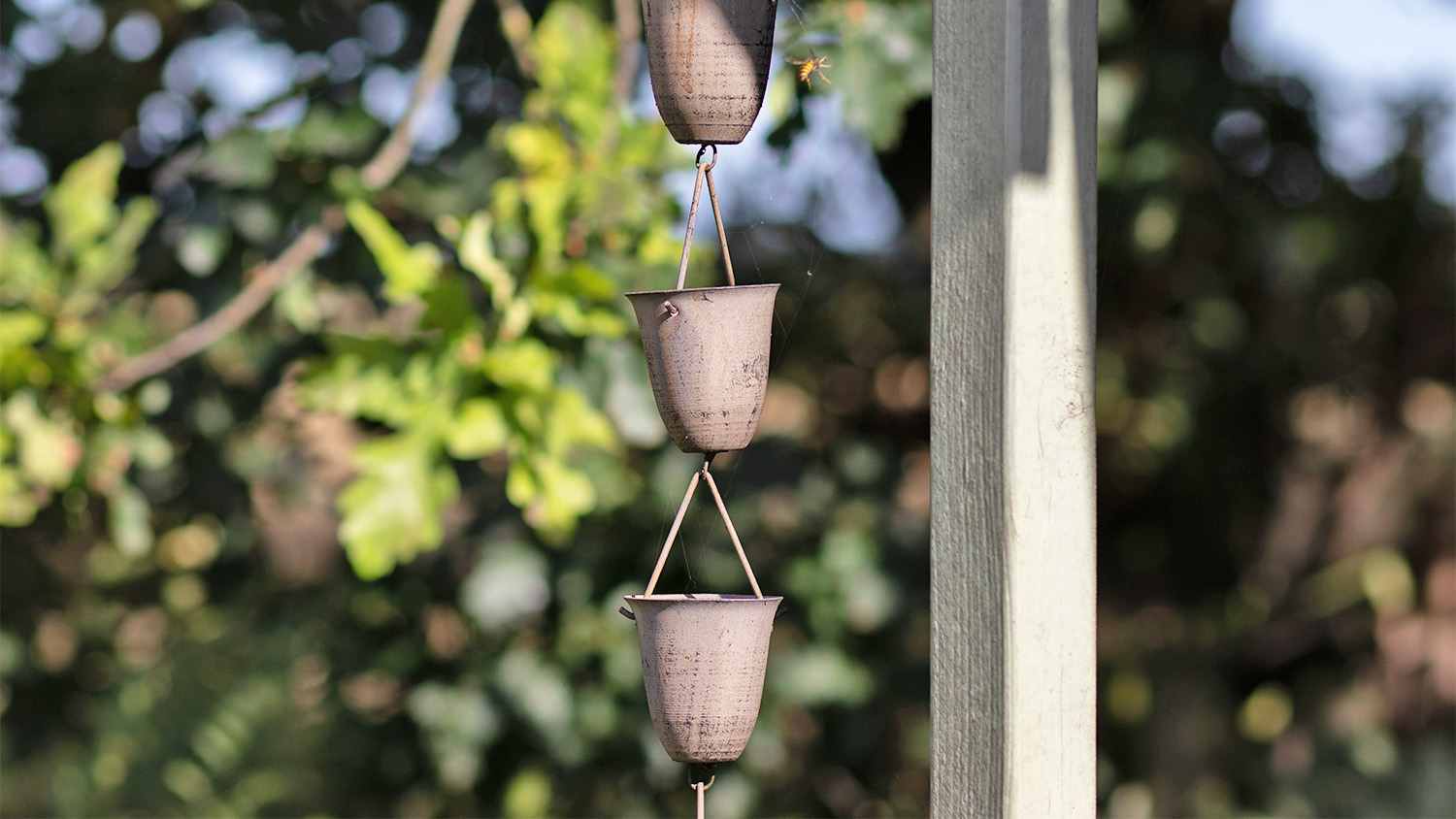
This guide on installing a rain chain covers all the steps to adding this gutter alternative to your home.

Whether you’re updating your yard or moving into a new home, these tips will help you make sure your landscaping tactics around your house prevent water.