
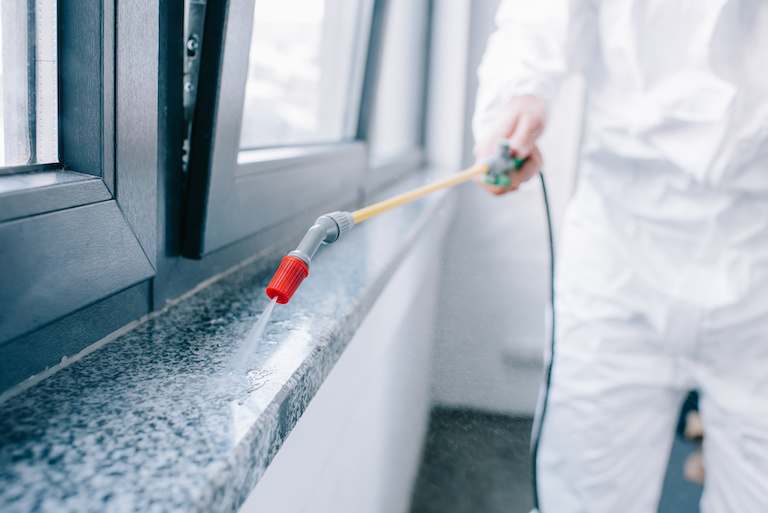
Whether you have bugs, bats, or rodents invading your home, you’ll want to contact an exterminator quickly. Find out how much pest control costs.
Pest control tips that are anything but garden variety

Home remedies for bugs on plants include soap spray, garlic spray, and chili spray, which you can make with simple household ingredients.
Companion planting with garlic or onion bulbs around your vegetables deters aphids and borers, while chrysanthemum flowers repel cabbage worms and other garden pests.
Floating row covers keep insects away from your seedlings while allowing rain and light through, protecting plants without blocking beneficial pollinators when needed.
Hiring a local gardening professional provides reliable guidance on identifying pest problems and choosing the right natural treatments to keep your garden healthy.
Gophers are digging holes in your garden beds, while squirrels are eating your vegetables. If you need to control these unwelcome guests but don’t want to deal with side effects from pesticides or repel beneficial insects and wildlife that help your garden flourish, read on for 14 effective natural remedies for garden pests, whether they're insects or mammals.
These traps, baited with the chemicals insects use to attract mates, aren’t that effective at repelling pests. However, they can provide you or your local gardener with information on which ones (like tomato pinworms or moths) are descending on your area so you can fight back accordingly.

Plant garlic or onion bulbs around susceptible plants to deter aphids and borers, while chrysanthemum pyrethrum flowers can repel aphids, cabbage worms, and other insects. Plant these bushes around your home, then dry and crush their blooms, mixing with water to create a pest control spray.
Reusable clear polyester floating row covers keep out insects and heat but let in rain and light. Opt for lightweight varieties to deter pests in the summer, and choose heavier types in the cooler months. This strategy is ideal for seedlings but not for plants requiring insect pollination.

Maintain a birdbath with fresh water and put up a bird feeder you keep stocked with seeds. By making your garden hospitable to bug-eating birds, they’ll help decimate your pest population.
Choose from several different types, then spritz infested plants. The simplest method is to mix water with a small amount of liquid dish soap or cayenne pepper in a spray bottle.
Or buy an oil spray, but test it first since it could harm beneficial insects and burn plant leaves. Spray a few leaves, then wait two days and check for damage, like spotting or discoloration. If you don’t see damage, spray the whole plant, ensuring the mixture comes in direct contact with pests. In general, apply in the early morning on cooler days and avoid blooms.
If you decide to DIY, there are a few simple recipes to follow. Some, such as garlic or chili spray, are more effective for repelling insects, while others, such as soap or oil sprays, can eliminate soft-bodied pests such as aphids.
Soap spray: Combine 1 1/2 teaspoons of a gentle soap, such as castile soap, with 1 quart of water in a spray bottle. Spritz on plants wherever you see unwanted pests.
Oil spray: Mix 1 cup of vegetable oil, such as canola or sunflower oil, with 1 tablespoon of castile or another gentle soap. Dilute with 1 quart of water, then pour into a spray bottle and spritz on plants.
Chili spray: Some bugs just can't take the heat. Add 1 tablespoon of chili powder to 1 quart of water plus a few drops of a gentle liquid soap. Spray on the leaves of affected plants to keep the bugs away.
Garlic spray: Add two whole bulbs of garlic and some water to a blender or food processor and puree to make a paste. Let the garlic paste rest overnight, then add to a spray bottle with 1 teaspoon of gentle soap. Top off with water, then spray on the affected plants.
With any DIY insecticide, always test on a small area of the garden first to make sure the spray doesn't harm the plants. Wait a day after the test spray, then proceed if the plants are fine.
The potassium salts in these soaps dissolve insect exoskeletons when they contact bugs. As with oil sprays, run a spot test and avoid treating plants on hot days.
Sprinkle this off-white powder on plant leaves and beneath fruits and vegetables growing on the ground to deter bugs with exoskeletons.
This soil bacterium infects and kills insects. However, since specific types are only effective at obliterating particular pests, purchase the variety you need. For instance, opt for BT var. kurstaki (or BT var. berliner) for caterpillars and BT var. tenebrionis for Colorado potato beetles.
Also, treat pest larvae since the bacterium is only effective against bugs in the non-adult stage. Spray on cooler days, wear goggles and a mask, and reapply one or two days after the first application if your garden is heavily infested.
Send away for dormant nematodes, microscopic roundworms that kill insects within a couple of days. Then during the evening or on an overcast day, mix them with water and immediately apply to moist, warm soil. Finish by watering.
Buy or make traps, which feature rigid materials in specific colors covered in a sticky substance. Since certain hues attract specific types of insects, it’s critical you choose the right color to target the right pests. For instance, go with yellow for fruit flies, fungus gnats, and midges; white for flea and cucumber beetles; and light blue for flower thrips.
Put garden lime around the perimeter of your garden to repel raccoons, skunks, and snakes. Once these critters lick off the lime, they’ll experience a burning sensation and hopefully avoid returning to your garden.
To rout out gophers, arrange stainless steel mesh around root balls of plants or lay underneath a layer of sod. Fencing in general is a great solution to keep animals like deer out of your garden.
Place chopsticks or plastic forks in the ground to discourage dogs and cats from entering beds and digging up plants.
Find this organic material at top-rated local nurseries. Every week to 10 days, scatter between rows of vegetables to turn off deer, rabbits, and groundhogs. Since this material attracts dogs, cover it with garden lime to avoid drawing them to your garden.
Keeping unwanted pests out of your garden in the first place is often preferable to fighting them off once they've set up shop. Pests love an easy mark and are drawn to weak or sick plants. Remove any plants past their prime or showing signs of infection, such as brown spots, yellowed leaves, or soft and moldy stems.
Healthy garden soil can also deter pests by allowing plants to grow strong and reducing the spread of infectious material. Use compost to add nutrients and beneficial microbes to your soil rather than synthetic fertilizers. Rotating the plants in the garden, such as planting tomatoes one year and beans the next, is another way to boost soil health and deter pests.
Not all bugs are the same. Some "pests" actually benefit your garden by eating other insects. Lacewings and ladybugs are two examples of friendly bugs who love eating aphids and other pests. You can purchase them at a garden store or plant parsley, Queen Anne's lace, or carrots to attract them to your garden.
Whether or not you should hire a pro for your pest control issue or handle it yourself all comes down to the level of infestation. Homeowners can easily handle minor infestations of small, non-destructive pests like ants or spiders with a few home remedies. But, if the problem is a large-scale one, you’re dealing with a more destructive or harmful pest for your garden, or larger pests like gophers, rabbits, or deer, it’s probably best to leave it up to the professionals and hire a certified pest control company to deal with the problem effectively and humanely.
Using a homemade or at-home pest control remedy typically costs much less than hiring a local exterminator to do the job. On average, pest control costs $170, but the size of the infestation and the type of pest you're dealing with can impact the price considerably.
A reliable team for moves across state. My switch to a new place needed careful lifting through tight hallways. The movers checked the doorway first, then carried heavier pieces with slow, controlled movements. Their patience helped prevent damage, and I?d choose them again.
This company does it right. Firstly, I want to say that Landan was a joy to work with. He was so kind, transparent, and had everything under control. His entire team showed up ready to work and they were all very respectful of the fact that we were in an office space. A little backstory – we...
 Krumlauf Floors
I had FabClean 614 clean my apartment, and she did an outstanding job. She was so professional and efficient. My apartment looks absolutely spotless every surface, every corner, all cleaned to perfection. Definitely highly recommend FabClean 614 if you're looking for top-notch cleaning...
 Fab Clean 614
Raven and crew does absolutely fantastic job. They are very professional if any concerns were to occur with any of her work she always took responsibility and finished out with a great job. I have worked with her business for a year and have always been satisfied. Very trusted business and...
 Creations of Transformation LLC
I would recommend this company to anyone! He showed up on time, was friendly, completed a very difficult repair on our dryer vent cover, was responsive, and pricing was extremely fair and competitive. I would have him back to do any of our repairs or cleanings without hesitation!
 U.S.A. Dryer Vent, LLC
Best cleaning I've had at my property
Ace Fireplace Services' chimney sweep service is truly exceptional. They used advanced technology to ensure a thorough cleaning process, and my chimney has never looked better. I highly recommend their services.
 Ace Fireplace Services
This company went above and beyond with their work, chimney sweeps are usually pretty messy, but the clean up was spot on.!! Josh explained every thing that he was doing, and the things that he was checking to make sure the chimney was safe for me and my family. He was very professional,...
 Supreme brick & chimney
Good workers and they do a good job.
 Mira Construction
Mary Cleaning Service is fantastic! The entire team is professional and pay a great deal of attention to detail. They do such a thorough job of cleaning my house. I would definitely recommend!
From average costs to expert advice, get all the answers you need to get your job done.
Whether you have bugs, bats, or rodents invading your home, you’ll want to contact an exterminator quickly. Find out how much pest control costs.

Integrated Pest Management, or IPM, is an environmentally-conscious approach to pest control. Find out how to use this concept for the pests around your crops.
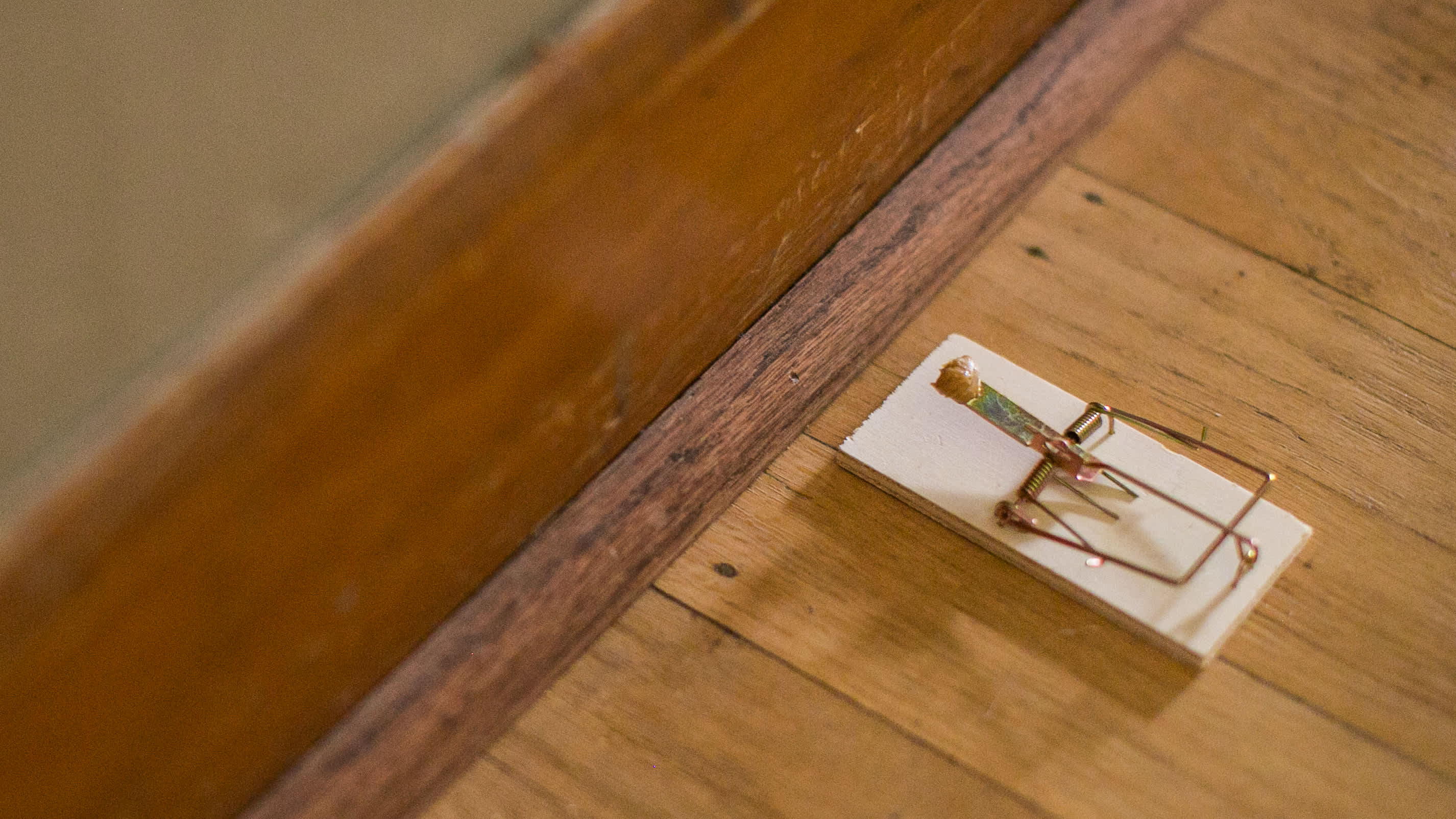
Unsure who to hire for rodent pest control? Get answers and see who to call for rats and mice, what pest control pros do, and how to choose.

What is diatomaceous earth (DE)? If you're on the hunt for safer pesticides, DE is a popular option. Learn how to apply it and what safety measures to take.
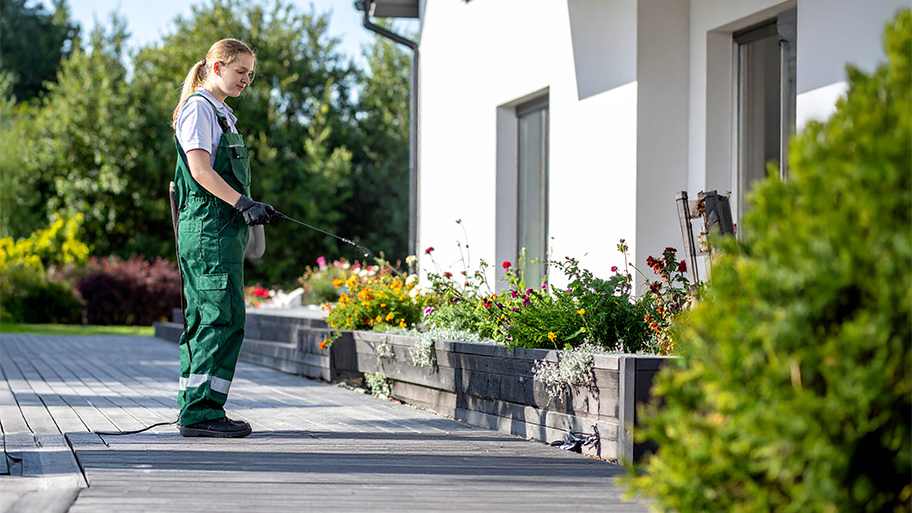
Pest control scams can cost you a lot of money. Get our tips for avoiding these scams and making sure you work with reputable exterminators.

Considering do-it-yourself pest control? Find out the best DIY pest control methods for various pests and when to call in a pro instead.