

If you are struggling to get rid of white mold on plants, keep reading to learn what this mold is, how to avoid it forming, and how to send it packing.
Here’s how to overpower that powder


Powdery mildew shows up as white or gray spots on your leaves that spread quickly, eventually coating foliage and preventing buds from opening properly.
Leftover spores from infected plants can survive winter in leaf piles, so removing and discarding diseased plant material helps prevent spring outbreaks in your garden.
You can treat powdery mildew by spraying affected plants weekly with milk mixtures, baking soda solutions, neem oil, or sulfur-based fungicides for three to four weeks.
Hiring a local landscaping professional provides reliable support for removing infected plants and applying preventative treatments to keep your garden healthy.
Some of your plants look like they’ve been sprinkled with baby powder. Or maybe their leaves have browned, yellowed, or dropped to the ground. The culprit for these pesky symptoms is most likely powdery mildew, an extremely common fungal disease. Although it’s rarely fatal, it can stunt plant growth, reduce flowering, and decrease crop yields. Read on to learn the causes of this condition, plus tips on prevention and treatment.
If powdery mold has infiltrated your garden, look on the bright side: it’s a pretty easy disease to spot and diagnose. This is a good thing because the sooner you treat it, the easier it is to get rid of.
Typically, the disease begins with a few small white or gray spots (spores) on leaves. These then spread, eventually coating leaves and sometimes stems and buds. Infected buds won’t open. Instead, they’ll dry out on the plant and sometimes fall off.
While all plants can get sick, some (including the varieties listed below) are more susceptible than others. Here are a few plants that most commonly suffer from powdery mildew infection:
Fruit: Apples, grapes, melons, strawberries
Vegetables and legumes: Beans, cucumbers, lettuce, parsley, peas, peppers, potatoes, tomatoes, squash
Flowers: Begonias, roses, zinnias, sunflowers, dahlias, hydrangeas, chrysanthemum, peonies, and garden phlox
When shopping for a type of plant (like cucumbers), seek out more resistant varieties. Also consider pulling out plants that repeatedly succumb to the disease.
Certain factors up the odds your plants will come down with the disease. Consider how you set up and maintain your garden when looking for ways to prevent powdery mildew.
Powdery mildew mold spores can last over the winter in leaf piles and on plants, spreading the condition come spring. So, ask your local landscaper to remove and discard (not compost) any infected leaves, stems, buds, fruits, or vegetables (trim some perennials with particularly bad cases down to the ground).
Also, disinfect any gardening tools that touched diseased plants and try rotating annuals and vegetables. By switching around your plants from year to year, you’ll disrupt the parasite’s life cycle.
If you plant sun-loving varieties in the shade, they’re more likely to come down with powdery mildew. If you can, move them to a sunnier spot.
To keep plants healthier, apply slow-release fertilizer regularly. Don’t use fast-acting synthetic fertilizers, which can lead to lots of new growth at once (new growth is particularly prone to the disease).
Poor air circulation around plants can lead to powdery mildew. To boost airflow, space plants apart from each other and far from walls and fences. Cultivate beans, cucumbers, and vining squash plants on trellises, to keep them off the ground. Thin out plants, especially varieties more susceptible to the disease.
Late spring and early summer, with their warmer days and cooler nights, can be prime times for this disease to hit. Temperatures between 60 and 80 degrees Fahrenheit also increase plants' chances of coming down with a case. To best navigate these weather conditions, inspect plants regularly and spray foliage daily with a hose in the morning. This way, they can dry before cooler evenings hit.

While no treatments are guaranteed cures, many are quite effective. To pick the best one, bring an infected leaf or a photo of the damage to your local garden center. Ask an expert which one they recommend.
No matter the solution, spray on all plant surfaces, including stems, buds, tops, and bottoms of leaves. Apply once a week for three or four weeks, wait, then reapply if you still see symptoms.
Milk: To prevent and treat plants, combine one part milk with three parts water in a spray bottle.
Powdery mildew fungicide: To prevent and treat plants, try a sulfur-based product. Don’t use more than the directions advise, since too much can harm plants.
Neem oil: More of a preventative, mix this commercially available natural fungicide into a spray. Water plants, then apply. Wait at least two weeks to use if you sprayed with sulfur-based fungicide recently.
Baking soda mixture: For another preventative, combine 1 tablespoon baking soda (or potassium bicarbonate), ½ teaspoon liquid soap (not detergent), and one gallon of water in a spray bottle.
This service was great. My air conditioner went out during the heat spell that we had. My husband has health issues and they came out that night and at 9:30pm the air conditioner was fixed and running. We are sooo very thankful, this is the company I will be using from now on and would...
 Mr. Mechanical Ohio
I would recommend this company to anyone! He showed up on time, was friendly, completed a very difficult repair on our dryer vent cover, was responsive, and pricing was extremely fair and competitive. I would have him back to do any of our repairs or cleanings without hesitation!
 U.S.A. Dryer Vent, LLC
The technician was very professional and friendly. He answered all my questions and was very thorough. He left the fireplace area very clean . He inspected from the roof and advised me as to other work that might need to be done. There was no pressure there. I was very satisfied with the...
 Supreme brick & chimney
Ace Fireplace Services came to the rescue for my chimney repair. They were quick to pinpoint the issue and worked their magic to fix it. My chimney is now in excellent shape, and I'm a satisfied customer.
 Ace Fireplace Services
Professionalism, quality, and affordability - Custom Paint Jobs LLC checks all the boxes.
 Custom Paint Jobs, LLC
On time, clean and finished fast. Windows seem sturdy and the finish is good. Caulking was done with no smudges. Would recommend.
 Window Depot USA of Central Ohio
Great job...edging and pre clean up went well with a great job with seal coat. Friendly, efficient and professional.
 All Star Paving and Sealing
Scott did not get appropriate access to the property prior to the scheduled inspection which required us to come back later in the day to complete it. He also, unprofessionally, knocked on a neighbor?s door in his attempts to reach someone with access. His overall report was fine though the...
 Security First Home Inspections
Did a great job replacing the ice maker and water regulator on my refrigerator. He was quick and thorough, very friendly and professional. If I needed a heart transplant I'd want him to do it!!!
Scott checked our large crawl space for mold and water infiltration and recommended a viable solution. The crew was efficient and they cleaned up well after the job. The job was expensive but I am confident that I won't have to deal with the problem again. Highly recommend.
 AdvantaClean of Dublin
From average costs to expert advice, get all the answers you need to get your job done.
If you are struggling to get rid of white mold on plants, keep reading to learn what this mold is, how to avoid it forming, and how to send it packing.
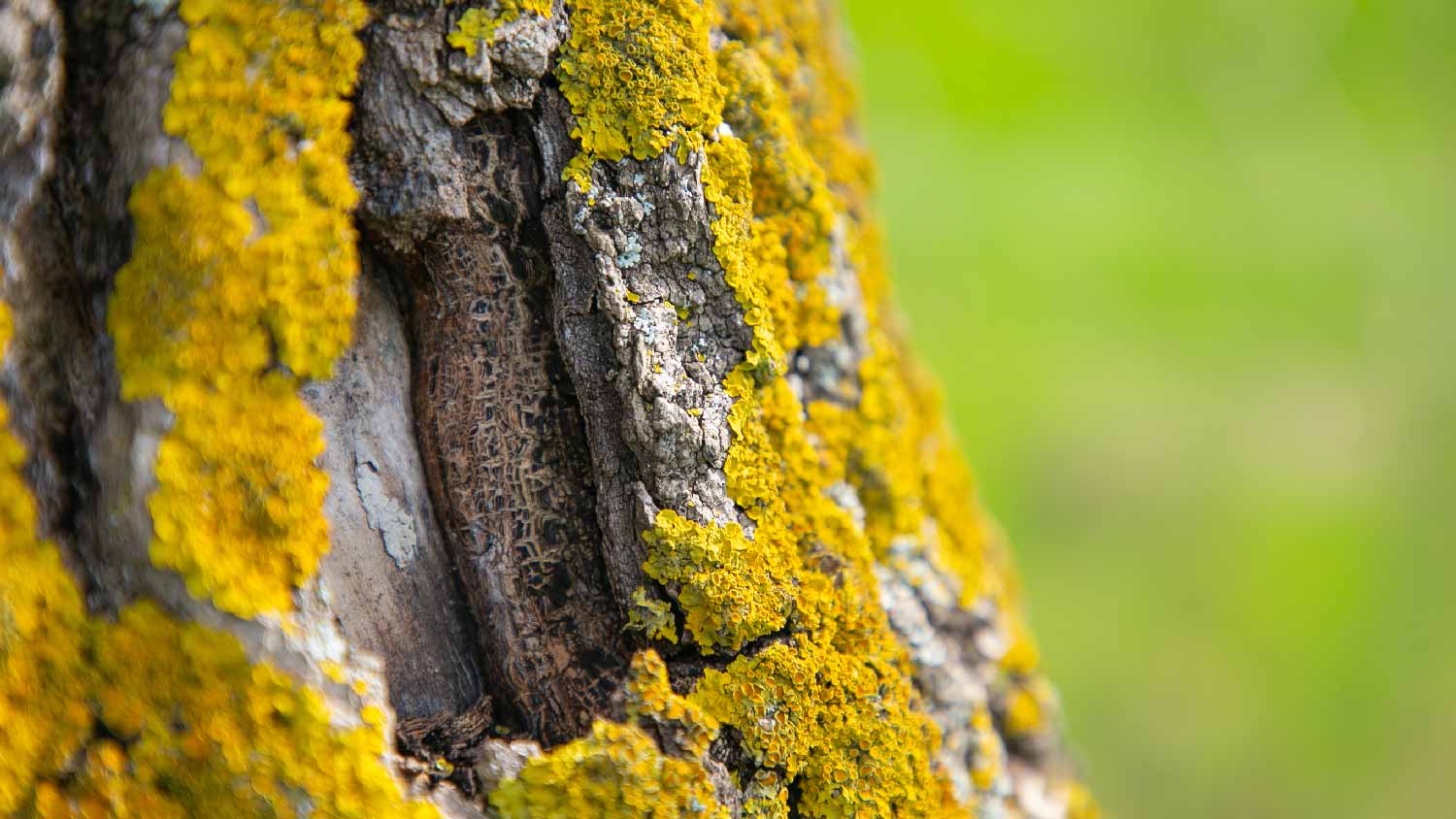
Is there something new sprouting on your favorite oak tree? Tree bark fungus identification can help you save your tree from a sneaky enemy.

Warmth and moisture are the main factors that cause mildew to spread in your home. Use this guide to learn how to get rid of mildew yourself, quickly and easily.
Want to keep the pests out of your garden? You don't have to call an exterminator. Read on for natural remedies for garden pests!
There are a few reasons your grass is turning white, but don’t worry, we’ve got you covered. Here’s why your grass is turning white.

When you see some sort of growth in a damp area of your home, you want to know the differences between mildew and mold. Learn more about these two types of fungi.