
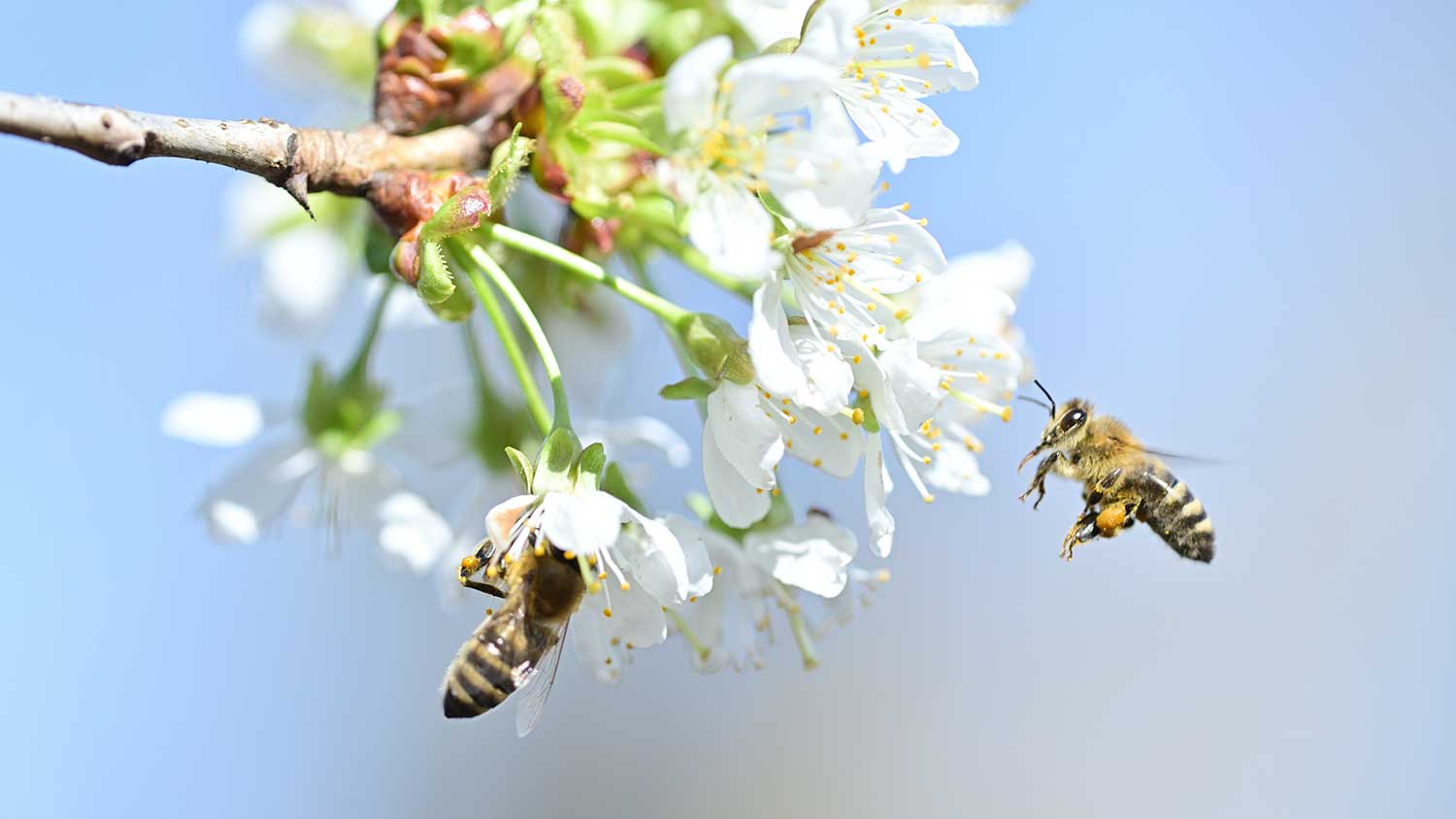
Honeybees and yellow jackets are often mistaken for one another, but they are not the same. Learn all the differences between bees vs. yellow jackets.
Take the sting out of your garden

Yellow jackets as pollinators help your garden by controlling harmful insects like aphids and grubs, but large colonies near your home need attention.
Professional wasp removal costs around $375, making early action important when you notice aggressive behavior or nests within 10 feet of your home.
Yellow jackets release pheromones that attract more wasps when threatened, and they sting multiple times, creating serious risks for you and your family.
Hiring a local exterminating professional provides safe nest removal and effective treatment, especially when colonies contain thousands of wasps near your living spaces.
Your garden should be abuzz with plants, butterflies, birds, and insects. But if you find your garden is buzzing a bit too much, don’t worry. There are ways to get rid of yellow jackets and discourage them from returning.
While this can be a dangerous DIY, if you have the proper safety gear and experience, you can tackle this project on your own. However, since yellow jackets can inflict painful stings when they feel threatened, it’s best to hire a professional to ensure everything goes smoothly with the removal.

The yellow jacket, a kind of wasp, enjoys spending time in home gardens, as it often eats many insects that could otherwise harm your budding swiss chard and tomato plants.
Because of this, these wasps can be beneficial in small numbers, though too many of them too close to your home—which usually means a nest is present—can spell trouble.
Yellow jackets are found in virtually every country in the world, and like all other insects and other urban critters, they’ve come to your yard in search of shelter and food. They are particularly drawn to garbage bins and pet food, as well as sugary liquids from items such as soda cans and hummingbird feeders.
In addition, they seek protein from other pests that are harmful to your garden, such as aphids and grubs. In this way, they can be beneficial, restoring equilibrium to your garden space. They can also be useful pollinators, and will prey on annoying mosquitos.
To that end, a few yellow jackets in your garden are nothing to worry about, especially if your yard is large enough that they won’t constantly be near areas where pets or children play.
But if there are many wasps present, or you spot a nest within 10 feet of your home, it might be necessary to take action to remove the wasps and their nest. If aggravated, yellow jackets can become aggressive very quickly and sting multiple times (unlike bees, which only sting once).
In addition, if yellow jackets believe they are being threatened, they may release pheromones that attract more yellow jackets to the area.
On average, the cost to have wasps professionally removed is $375. To ensure a safe and effective removal, hiring a professional exterminator is a smart move, especially if a nest is present (colonies can contain thousands of yellow jackets) or the wasps are becoming aggressive toward you and your family.

With so many bugs out there, it’s hard to know how to identify these aggressive, winged insects. Often mistaken for bees, yellow jackets are similarly black and yellow, but the yellow jacket has a smooth body compared to a bee’s furry one.
They range from 12 to 18 millimeters in size and have three distinct body parts: head, thorax, and abdomen.

If you’ve noticed an increasing number of these wasps around your home or—ouch!—you’ve been stung, it’s time to get rid of them and their nest.
Warning: Yellow jackets can inflict painful stings when provoked. If you notice a significant number of yellow jackets around your home, it’s best to call a local pest exterminator. If you do wish to exterminate them and their nesting site, work after the sun has set, when the wasps are less active.
Yellow jackets are visiting or making a home in your yard because they can regularly find food there. Cut off their source of food and see if they look for a new hangout spot.
Keep trash containers closed.
Store pet food in sealed containers, ideally in the home, the garage, or a shed.
Clean up after outdoor meals, removing soda cans, juice glasses, and other sugary liquids.
Wash your hummingbird feeder regularly to prevent sugary buildup on its exterior.
If you grow fruit, make sure to pick up any that has fallen on the ground.
Lure traps can be used to kill off a few localized yellow jackets, but won’t be effective in destroying an entire nest if one is present. A trap is most useful to keep the wasps away from a small area—such as an outdoor dining room table—but not eliminate the problem entirely unless you are employing other methods listed here.
Set the trap in early spring: You’ll be more likely to capture a queen wasp; if you never trap the queen, the wasp colony will continue to grow.
Check if your trap has chemical attractants: If not, use meat in the spring and summer and something sugary (like fruit juice) in later summer and autumn. Be mindful that traps with food can also attract beneficial insects (and other harmful ones).
Keep the trap at a safe distance: Hang the trap away from where people and pets hang out and congregate.
Safely keep an eye on the traps: Check the traps and replace the bait every few days.
Removing yellow jackets yourself is a dangerous DIY that is best left to the professionals. But if you’re forging ahead, you should first—carefully—locate the nest, whether in the ground or up on an eave, in the daytime. (But wait until evening to attempt removal.)
Wear long sleeves and pants, as well as face and eye protection to reduce the risk of a sting.
Listen for buzzing sounds: Watch where active yellow jackets are flying; the nests are usually in the ground, but can, depending on the species, also be found in eaves, doorways, and other high-up spots.
Locate the nest: Determine the entry and exit point by watching the wasps from a safe distance.
Return at night to use a spray treatment: Yellow jackets will have a difficult time locating you once the sun has begun to set, and they are less active in the evening.
Use an aerosol spray: Look for active ingredients such as carbaryl, acephate, tetramethrin, or diazinon.
Spray the nest: Using a long-range jet spray, focus on the entrance and exit points of the nest for one minute.
Cover the entire area: Spray around the nest in increasingly wide circles to ensure you have covered the entire area.
Retreat to safety: If any wasps fly out during this process, spray them as well. Leave the area immediately, as soon as you have finished spraying, as any remaining alive and active yellow jackets might become agitated.
Check the area after 24 hours: Multiple treatments may be needed—it usually takes at least two or three sprays.
Don’t seal the nest: This will cause the wasps to look for a new exit, which might become a spot closer to your home.

Without a reliable food source, yellow jackets are unlikely to make your home their home. Eliminate their food sources and you should be able to prevent the wasps from building a nest nearby.
You can also take some other proactive measures by placing items in your yard that repel yellow jackets. Any sites where previous nests were should be sprayed with a mixture of soap and water once per month. These flying pests also hate the smell of peppermint, so it could be time to plant a few mint plants in your garden.
Finally, make sure to keep your yard clean. Yellow jackets will often build nests in rotting wood or around other yard debris for camouflage.
We recommend hiring a professional for this task, as yellow jackets can become aggravated very quickly. That said, if you know for certain you are not allergic to yellow jackets and are willing to take the risk of being stung, you can try to eliminate these wasps on your own. It’s best to attempt this in the colder months of the year when the insects are less active.
That said, the sting from a yellow jacket is very painful, and they will become aggressive fast when bothered. If you know there is a nest in your yard, call a local pest control company to take care of the problem before it gets even bigger.
A reliable team for moves across state. My switch to a new place needed careful lifting through tight hallways. The movers checked the doorway first, then carried heavier pieces with slow, controlled movements. Their patience helped prevent damage, and I?d choose them again.
This company does it right. Firstly, I want to say that Landan was a joy to work with. He was so kind, transparent, and had everything under control. His entire team showed up ready to work and they were all very respectful of the fact that we were in an office space. A little backstory – we...
 Krumlauf Floors
I had FabClean 614 clean my apartment, and she did an outstanding job. She was so professional and efficient. My apartment looks absolutely spotless every surface, every corner, all cleaned to perfection. Definitely highly recommend FabClean 614 if you're looking for top-notch cleaning...
 Fab Clean 614
Raven and crew does absolutely fantastic job. They are very professional if any concerns were to occur with any of her work she always took responsibility and finished out with a great job. I have worked with her business for a year and have always been satisfied. Very trusted business and...
 Creations of Transformation LLC
I would recommend this company to anyone! He showed up on time, was friendly, completed a very difficult repair on our dryer vent cover, was responsive, and pricing was extremely fair and competitive. I would have him back to do any of our repairs or cleanings without hesitation!
 U.S.A. Dryer Vent, LLC
Best cleaning I've had at my property
Ace Fireplace Services' chimney sweep service is truly exceptional. They used advanced technology to ensure a thorough cleaning process, and my chimney has never looked better. I highly recommend their services.
 Ace Fireplace Services
This company went above and beyond with their work, chimney sweeps are usually pretty messy, but the clean up was spot on.!! Josh explained every thing that he was doing, and the things that he was checking to make sure the chimney was safe for me and my family. He was very professional,...
 Supreme brick & chimney
Good workers and they do a good job.
 Mira Construction
Mary Cleaning Service is fantastic! The entire team is professional and pay a great deal of attention to detail. They do such a thorough job of cleaning my house. I would definitely recommend!
From average costs to expert advice, get all the answers you need to get your job done.
Honeybees and yellow jackets are often mistaken for one another, but they are not the same. Learn all the differences between bees vs. yellow jackets.
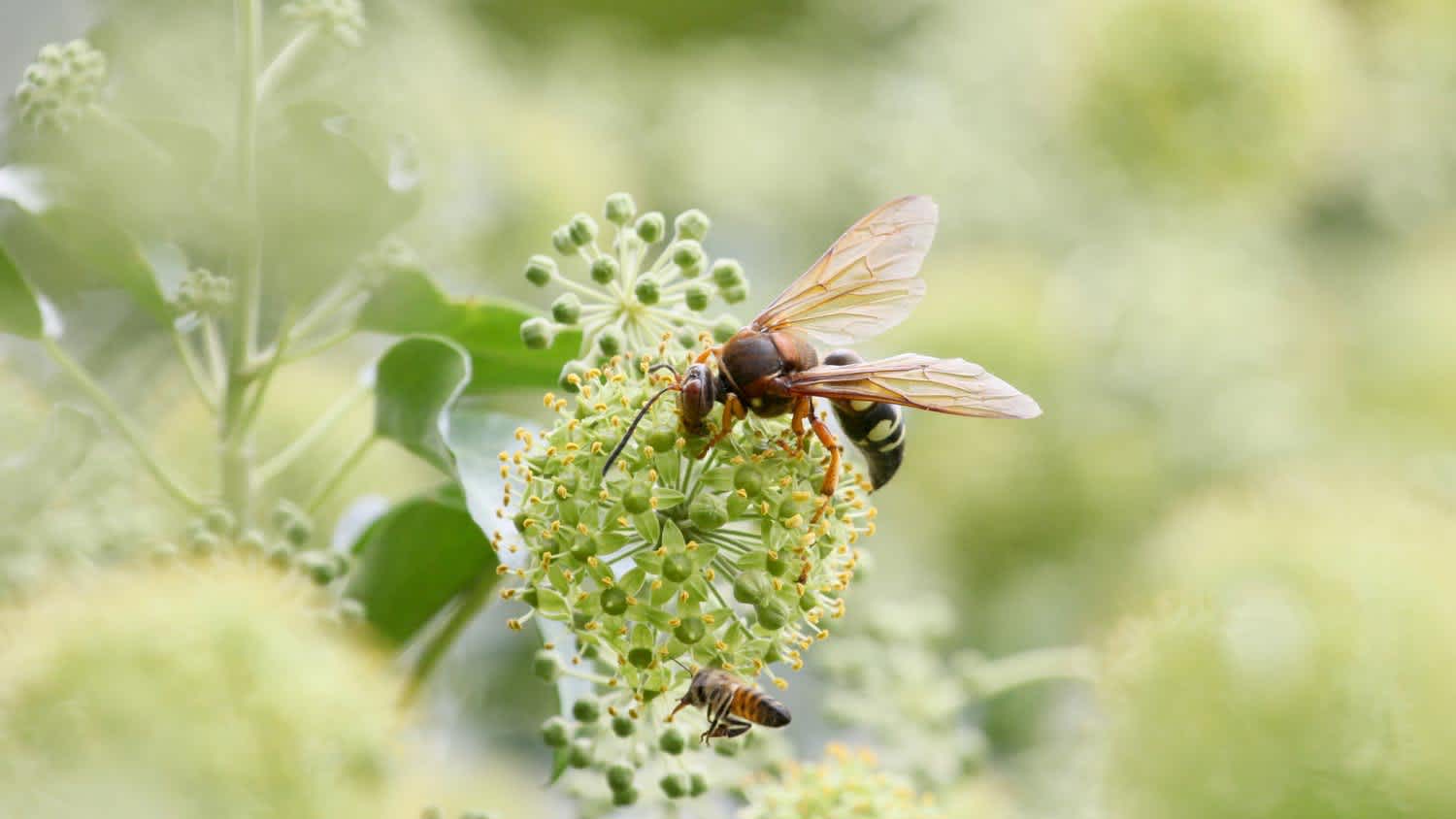
Wasps are considered scary pests. But how do you tell a dangerous wasp from a helpful one? Here’s how to identify common types of wasps.
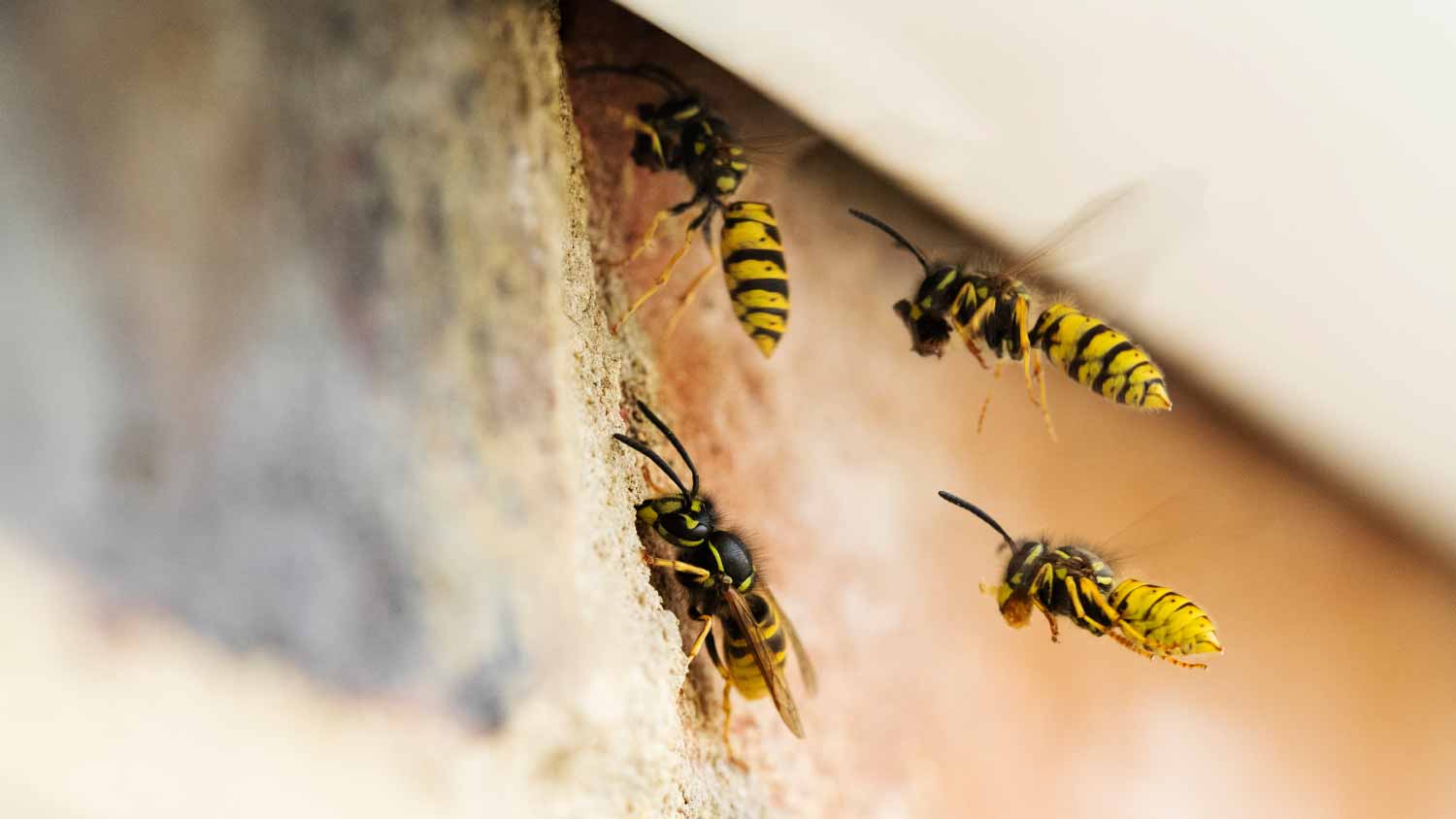
Wasps are often considered pests, but they have some benefits. So what are wasps, and how can they be beneficial? Learn all about wasps with this guide.

Left unchecked, indoor or outdoor cricket problems can become a nuisance. Here's how to get rid of crickets in the house with five different effective methods.

Pantry moths multiply fast, so time is of the essence. Find out how to get rid of pantry moths and eradicate the pests taking over your kitchen.
Learn how to get rid of silverfish in your home. From repellent to bait, here are the best ways to kill silverfish and prevent them from coming back.