

Countertop repair costs may be the deciding factor between replacing or repairing your counter. Let’s break down the cost to repair, resurface, or relaminate.
Countertop and backsplash service costs depend on your project and location. Check with a local pro for your specific job.

Professional laminate countertop installation ranges from $841 to $1,748, and your finish, edge style, and base layer drive cost.
Custom countertops add at least 25% to your labor, and decorative curved edge profiles raise your total more.
Budget for backsplash installation at $600 to $1,300, plus sink cutouts and plumbing disconnections during your install.
Hiring a local countertop professional ensures your installation is done well and prevents costly uneven seams or misaligned edges.
In 2026, the national average cost for laminate countertop installation is $1,251, based on 1,643 verified projects from Angi Pros. Most homeowners pay between $841 and $1,748, with your finish, edge style, and base layer being the primary drivers of that spread. If you're planning to add a backsplash, budget an additional $600 to $1,300, plus any sink cutouts or plumbing disconnections your project may require.
The biggest cost factors for laminate countertops are size and type. The finish grade you choose—standard, antimicrobial, or high-durability—sets your per-square-foot material cost, while edge style and substrate add to the total. Labor runs $30 to $40 per hour, and custom work adds at least 25% to that. Understanding each of these factors before you shop helps you build a realistic budget from the start.
If you're exploring kitchen countertop ideas, laminate delivers hundreds of designs, patterns, and colors—including styles that mimic granite or wood—at a range of price points. Standard solid-color or matte finishes are the most affordable entry point, while premium edges, specialty patterns, and higher-end brands cost more. Formica countertops (the brand name so common it's used as a catch-all term for laminate) average $40 to $80 per square foot. If budget is a priority, comparing Formica with other laminate brands can reveal meaningful savings per square foot.
Expect to add at least 25% to your labor costs when choosing custom over prefabricated. Custom laminate countertops are made to order for your specific kitchen rather than cut to standard dimensions, which means higher labor costs. If you go the custom route, countertops are typically delivered as sheets that your installer cuts and fits on-site. Prefabricated sections designed for common counter lengths are the more budget-friendly option and can be a smart choice if your kitchen has standard measurements.
The finish grade you choose determines your per-square-foot material cost before any installation charges are added. Standard-grade laminate is the most affordable option, starting at $10 per square foot, while antimicrobial and high-durability finishes carry a higher price tag for added performance benefits. Here's a breakdown of laminate countertop material costs by finish grade:
| Countertop Finish | Cost Range in 2026 per Square Foot |
|---|---|
| Standard or horizontal grade | $10–$18 |
| Antimicrobial | $15–$35 |
| High-durability | $20–$55 |
Standard- and horizontal-grade laminate countertops cost $10 to $18 per square foot for the material alone, making them the most budget-friendly finish option available. Standard-grade comes in a wide variety of styles that can mimic granite, quartz, and marble, while horizontal-grade uses more specialized materials like special-order recycled glass for a more refined look. Both grades resist scratches, chips, and staining, though standard-grade countertops are more vulnerable to denting and water damage over time. Horizontal-grade is the better long-term choice if aesthetics and durability are priorities.
Antimicrobial laminate countertops are a premium finish option, ranging from $15 to $35 per square foot. The antimicrobial coating inhibits the growth of bacteria, mold, and other microorganisms, making these countertops a strong choice for homeowners who prioritize a clean, safe kitchen surface. Many antimicrobial options also offer scratch resistance and moisture protection, which extends their lifespan beyond standard-grade alternatives. If hygiene is a top concern in your household, this finish delivers meaningful added value for the price.
High-durability laminate countertops are the luxury tier of the laminate category, costing between $20 to $55 per square foot. These countertops use materials selected specifically for sturdiness, such as granite composites or Formica, giving them a longer useful life under heavy kitchen use. The tradeoff is that they can be more difficult to clean and maintain their appearance over time. If longevity is your priority and you're willing to put in the upkeep, high-durability laminate is worth the investment.
Fabricators will charge slightly different costs for countertop edging options based on the complexity of the design. Here's how much you can expect to pay for each edging option when buying new laminate countertops:
| Style | Description | Cost Range in 2026 (per Linear Ft) |
|---|---|---|
| Square | The standard option | No extra charge |
| No-drip | Slightly raised edge that helps stop minor spills and sliding | $5–$9 |
| Eased | Square finish with a slightly softened top portion | $5–$9 |
| Full-bullnose | Curved top and bottom | $9–$11 |
| Half-bullnose | Rounded top with a square bottom. | $8–$10 |
| Ogee | Sharp top that extends downward into an elongated curve | $11–$25 |
| Dupont | Sharp top with a short curve at the bottom for a subtle decorative touch | $10–$20 |
Laminate countertop material averages $35 per square foot, with edging priced separately at an additional $5 to $55 per linear foot, depending on the style you choose. Larger kitchens require more laminate sheets and substrate, so every additional square foot adds to your total—a large kitchen island can nearly double the overall cost. Edging is billed by the linear foot and serves both a functional and decorative purpose, keeping items on the counter and spills contained. If you stick with the default square edge, you won't pay any extra for edging.
The substrate (the underlying layer beneath your laminate surface) significantly affects both durability and cost, with common options including plywood, particleboard, and medium-density fiberboard (MDF). Plywood is the most cost-effective and easiest to work with, though it’s prone to warping over time. MDF offers superior strength through its highly compressed, resin-bonded fibers, but it comes at a higher price than plywood. Here's what a single 4-by-8-foot sheet of each substrate material costs when installing laminate countertops:
| Substrate Material | Cost Range in 2026 |
|---|---|
| Plywood | $6–$20 |
| MDF | $15–$45 |
Professional laminate countertop installation runs $30 to $40 per hour, with a typical job taking between three and seven hours to complete. Some contractors bill hourly, while others charge a flat rate of $400 to $800 for the full installation. When you bundle the removal and disposal of your existing countertops with the new installation, expect to pay $700 to $1,300 in total labor costs. Getting quotes from multiple contractors helps you determine which billing structure offers the best value for your specific project.

Laminate countertop installation involves more than just the material and labor—several additional costs can affect your final total. From backsplash installation to plumbing disconnections and sink cutouts, the extras add up quickly. Knowing what to budget for before your project starts helps you avoid surprises on installation day. Here's a breakdown of the most common additional costs to plan for:
| Add-On | Cost Range in 2026 |
|---|---|
| Removal and disposal of existing countertops | $30–$40 per hour |
| Backsplash installation | $600–$1,300 |
| Sink installation | $350–$3,600 |
| Permits | $50–$100 |
| Plumbing disconnections | $45–$200 per hour |
| Oven range or similar cooktop cutout | $20–$100 each |
Removing and disposing of existing countertops costs $30 to $40 per hour when billed hourly, and the job takes about an hour for an average-sized kitchen. Contractors who charge per piece often bill $20 to $34 per countertop instead. Most contractors bundle removal into a flat installation estimate, so it's worth asking how your quote is structured. Natural stone removal takes longer than laminate, which is held in place by screws and adhesive, so factor that in if you're replacing a heavier material.
Adding a backsplash to complement your new laminate countertops costs $15 to $40 per square foot for materials, with the average cost of a professionally installed backsplash landing between $600 to $1,300. Installation day is the ideal time to tackle this project, since the countertop surface is already exposed and accessible. Choosing a simpler tile pattern or a smaller backsplash area is the most straightforward way to keep this cost toward the lower end of the range.
Countertop installation day is the ideal—and in the case of undermount sinks, the only—opportunity to install a new sink. Sink installation averages $215 to $626 in labor costs. The sink itself ranges from $150 on the low end to $3,000 on the high end, depending on the style and material you choose. If you've been eyeing an undermount sink, plan for it now rather than later, since retrofitting one after the countertop is secured is not an option.
If your laminate countertop installation is part of a larger remodel, you may need building permits for the work, which cost $50 to $100. Standalone countertop replacements usually don't require a permit, but the scope of your project determines whether one is needed. Your installation professional is the best resource for confirming permit requirements based on your specific project details.
Plumbing costs can factor into your laminate countertop project even if you're not installing a new sink, since larger installations often require temporary plumbing disconnections during the work. This typically shows up as a separate line item on your bill, usually around $100 or more. Ask your contractor upfront whether plumbing disconnection is included in their estimate or billed separately, so there are no surprises.
Specialized cutouts for faucets, electrical outlets, or backsplash openings add to your overall project cost, typically running $20 to $25 per cutout. A larger cutout for an oven range or cooktop can cost as much as $100. If your kitchen layout requires multiple cutouts, those costs add up quickly, so account for each one when building your budget.
According to responses from 2,000 Angi customers, 23.7% of homeowners added laminate countertops as part of a larger remodel, while the majority elect to do so as a standalone job. This demonstrates that laminate is a popular choice for homeowners who want a cost-effective refresh without committing to an entire kitchen overhaul.
The cost difference between installing new laminate countertops and replacing existing ones is minimal, but the condition of the cabinets can change that equation. If your cabinets are cracked, buckled, or warped, you'll need repairs before the new countertops can be secured, and cabinet repairs range from $150 to $350 per cabinet. The main cost variable between the two scenarios is removal of the existing countertop, which you can handle yourself to save money. Keep in mind that even a DIY removal may come with a disposal fee at your local dump.
We've discussed how tackling a laminate countertop project yourself can help you save money — as long as the installation goes well. But even if you're relying on professional labor for your laminate work, there are still ways to save.
Purchase prefabricated counters: Sometimes, laminate is available in prefabricated sections designed to fit common kitchen counter lengths, including cutouts for sinks and similar spaces. If you have a standard kitchen counter with common measurements, you may be able to save money by looking for pre-cut sections, which are typically less expensive than custom cuts.
Remove your old countertop: You can ditch the extra fees by removing your old countertop yourself instead of having an installer do it. Homeowners can remove simple counters themselves and take care of debris with a quick trip to a disposal site. However, it's important to work slowly and avoid damaging your cabinets or other parts of the kitchen as you work.
Choose a less expensive brand: While Formica is nice, don't underestimate other brands. Sometimes, by switching to a different type of laminate, you can save money by the square foot. Compare costs with brands like Arborite and Wilsonart to see if your preferred style costs less. Shop around and take full advantage of your installer's catalog to see where you can save.
Stick with simple edges: The edges we cited above can give laminate a fancier look, but they aren't necessary in every kitchen. If you don't have any qualms about a simple design, stick to basic, flattened edges and save money with your minimalism.
| Pros | Cons |
|---|---|
| Inexpensive | Not heat resistant |
| Easy to clean | Doesn’t add to home value |
| DIY-friendly | Cannot repair |
Learning all the pros and cons of laminate countertops will help you make a more informed decision as to whether or not they're right for you. Let's break it down.
One major asset is the cost of laminate. You might think the low price point of laminate countertops speaks to their quality, but that's not necessarily true. Laminate countertops can last you a long time if you take care of them properly—up to 20 to 30 years .
Cleaning laminate counters is fairly straightforward compared to other materials like marble, only requiring dish soap and water or standard cleaning solutions—as nonabrasive cleaners will help you avoid scratching the seal. Not that you'll need to clean often, as laminate countertops are stain-resistant. They're also lightweight, making them more DIY-friendly to install.
Laminate countertops are prone to damage, such as scratches, dents, and nicks. They are also incredibly difficult, if not impossible, to repair. These counters are also not heat-resistant, which could mean you'll have a kitchen nightmare even Gordon Ramsey can't help you with.
Because of their lack of repairability, damage susceptibility, and inexpensive nature, laminate countertops don't add value to your home.
A homeowner with solid DIY skills can install laminate countertops for around $24 per square foot, but mistakes like uneven seams or misaligned edges can end up costing significantly more to fix. Hiring a professional countertop installer eliminates that risk and ensures the job is done correctly the first time. Professionals bring the specialized tools and expertise needed for precise cutting, alignment, and finishing that DIY installs often lack.
Installing laminate countertops is a complex job that requires proper tools and expertise. Here's why it's best to hire a pro for the project:
Professionals know how to avoid mistakes such as uneven seams, warping, or damage to the surrounding cabinets.
They bring specialized tools for cutting, alignment, and finishing.
DIY mistakes can result in gaps, bubbling, misaligned edges, and other costly mistakes.
Experienced installers understand the importance of proper adhesion, alignment, and finishing to ensure a secure and long-lasting project.
Professionally installed countertops can enhance the aesthetic appeal and increase the resale value of your home.
If you want to help out with the countertop installation process, consider taking on these smaller tasks:
Clear the workspace, removing clutter and obstacles.
Have your countertop materials unpacked, organized, and ready for installation.
Lay down drop cloths to protect the surrounding area.
Clean surfaces before and after installation.
Keep small tools, screws, and materials organized and easily accessible.
Be prepared to discuss your desired countertop material, design, and hardware with your pro.
Have your exact measurements ready and a clear idea of the countertop layout you want.
Consider whether you want to incorporate any add-ons, such as edge treatments, backsplashes, or cutting boards, before you begin.
Leave room in your budget for unexpected labor fees or material price increases.
Home is the most important place on earth, which is why Angi has helped more than 150 million homeowners transform their houses into homes they adore. To help homeowners with their next project, Angi provides readers with the most accurate cost data and upholds strict editorial standards. We’ve surveyed thousands of real Angi customers about their project costs to develop the pricing data you see, so you can make the best decisions for you and your home. We pair this data with research from reputable sources, including the U.S. Bureau of Labor Statistics, academic journals, market studies, and interviews with industry experts—all to ensure our prices reflect real-world projects.
Want to help us improve our cost data? Send us a recent project quote to [email protected]. Quotes and personal information will not be shared publicly.
I had FabClean 614 clean my apartment, and she did an outstanding job. She was so professional and efficient. My apartment looks absolutely spotless every surface, every corner, all cleaned to perfection. Definitely highly recommend FabClean 614 if you're looking for top-notch cleaning...
 Fab Clean 614
Cole has been handling plumbing and general contracting for our four properties over the past three years, and he’s always done a great job. Most recently, he installed a sink and countertop in our retail store where none existed before, and it turned out exactly how we needed. He’s...
 ANB Renovations LLC
D1 Roofing delivers outstanding service from beginning to end, backed by a strong warranty and expert teams. I highly recommend them for their excellence in meeting and surpassing expectations with unmatched communication. Choosing D1 Roofing was flawless decision
 Division 1 Roofing LLC
This company is my go to resource for all my post renovation clean ups. They get the place spotless! All we have to do after is stage the place and sell, sell, sell! They are super professional and have some amazing scent that is left in every property. I highly recommend!
 The Royal Sanitation Group
I had Ace Fireplace Services install custom chimney caps for my home, and the results are stunning. They fit like a glove and have added a touch of sophistication to my chimney. I can't recommend their services enough.
 Ace Fireplace Services
Supreme Brick & Chimney did an excellent job restoring the brick and mortar joints on my home. Their team was professional, knowledgeable, and completed the work on time. I highly recommend them and will hire them again in the future! Thanks!
 Supreme brick & chimney
I recently hired Custom Paint Jobs LLC to repaint my home, and I couldnt be happier with the results. Their attention to detail and professionalism were outstanding. Highly recommended
 Custom Paint Jobs, LLC
Window Depot did an amazing job on my deck. I wasnt sure what I wanted to do, but their composite decking was affordable and will last a long time. I am excited to have family over, and I am no longer embarrassed by my backyard. Jeff and the ground crew were polite, respectful, and caring for...
 Window Depot USA of Central Ohio
If I could give 10 stars for Kitchen Tune Up, I would. I cannot say enough good things about my experience with Kitchen Tune Up and the entire team involved in the process of my kitchen project. They went above and beyond as far as service and quality with my cabinets, paint, countertops, and...
Great job...edging and pre clean up went well with a great job with seal coat. Friendly, efficient and professional.
 All Star Paving and Sealing
From average costs to expert advice, get all the answers you need to get your job done.
Countertop repair costs may be the deciding factor between replacing or repairing your counter. Let’s break down the cost to repair, resurface, or relaminate.
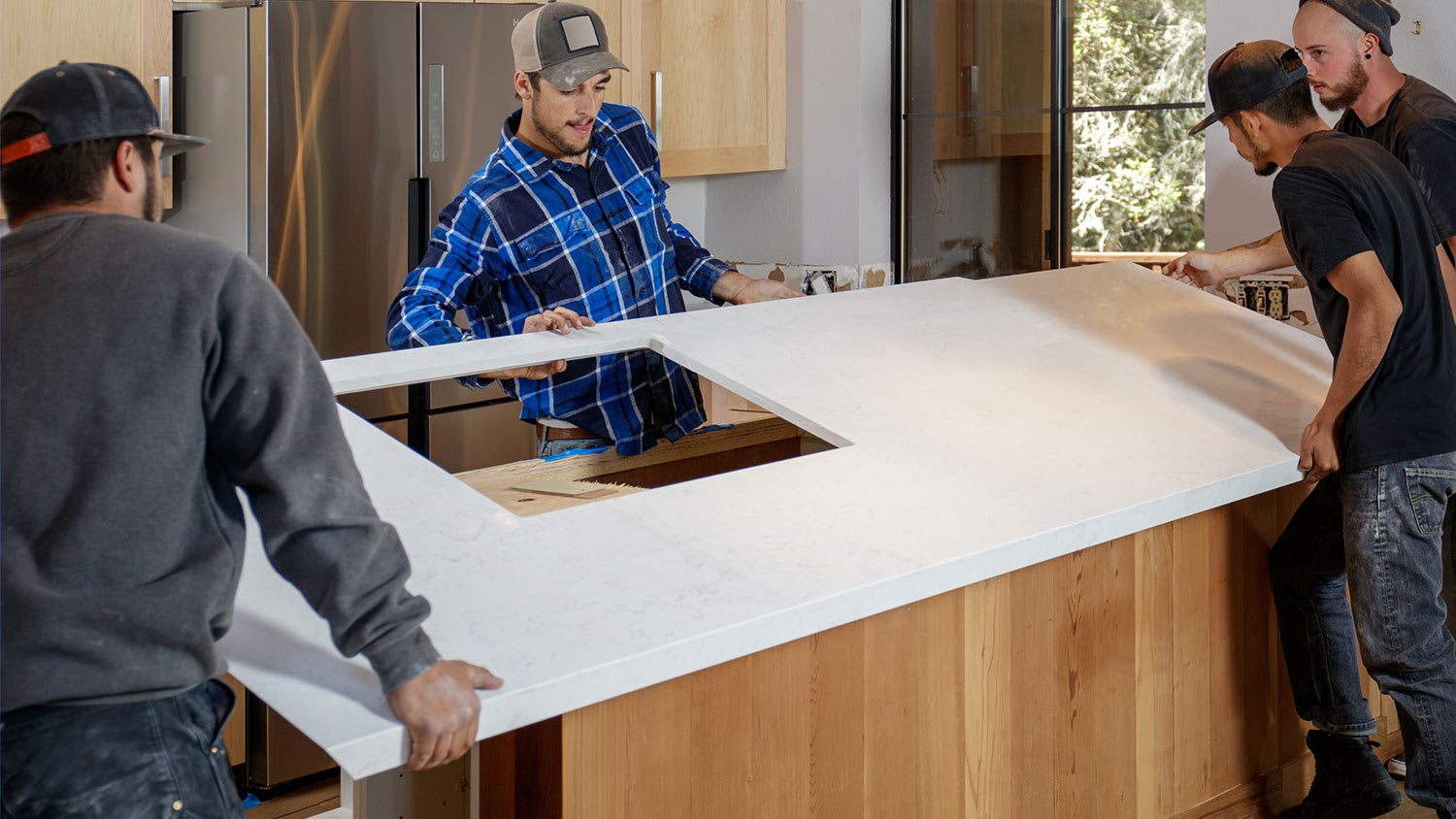
Discover countertop installation cost estimates, including material, labor, and additional factors. Learn how to budget and save on your new countertops.

Laminate is a solid choice for many homes because it's durable and budget-friendly. Check out this guide to learn about laminate flooring installation costs.
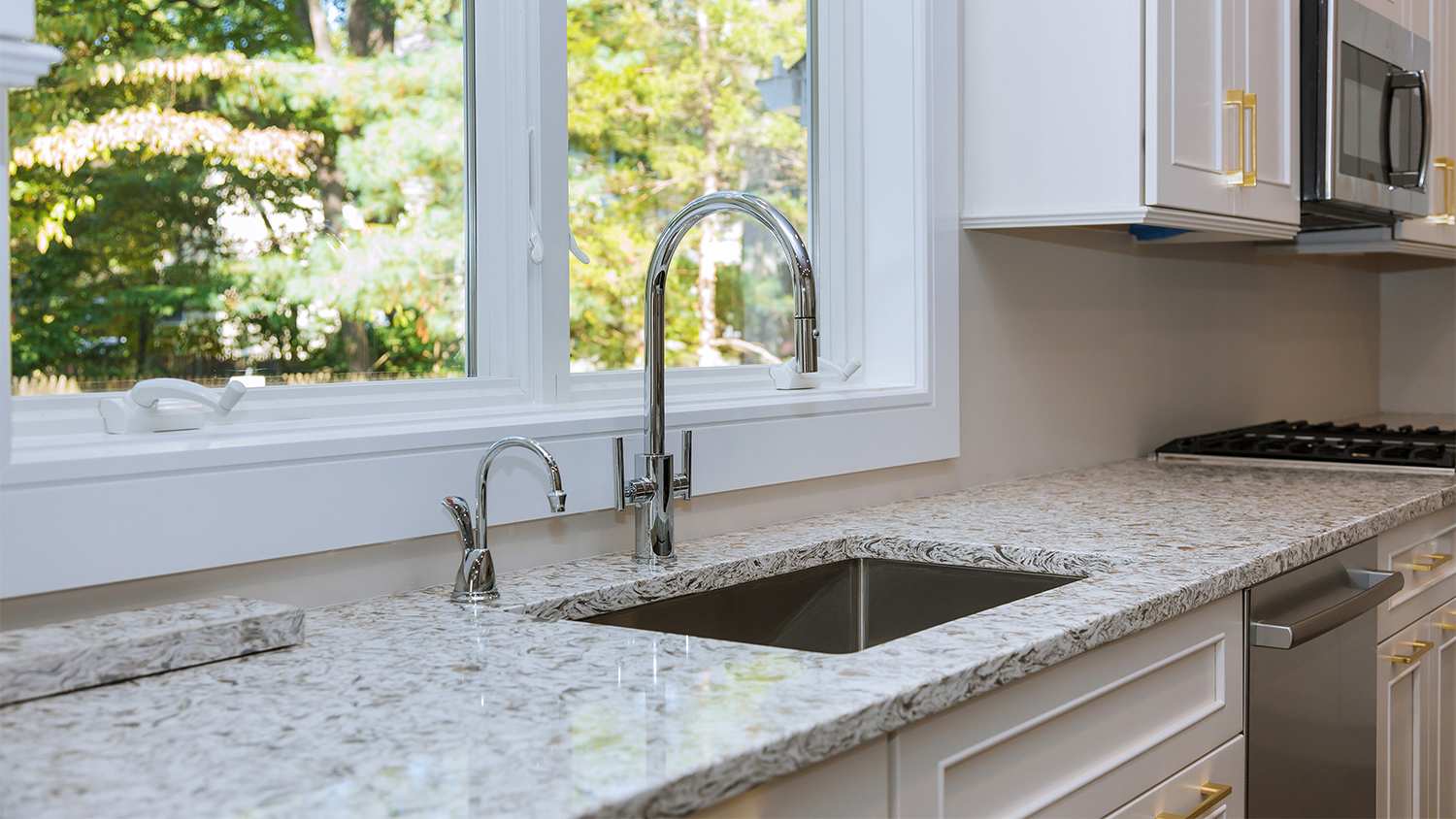
Thinking about upgrading your kitchen? Learn about laminate countertop installation costs, design options, and how to hire the right local pro for the job.
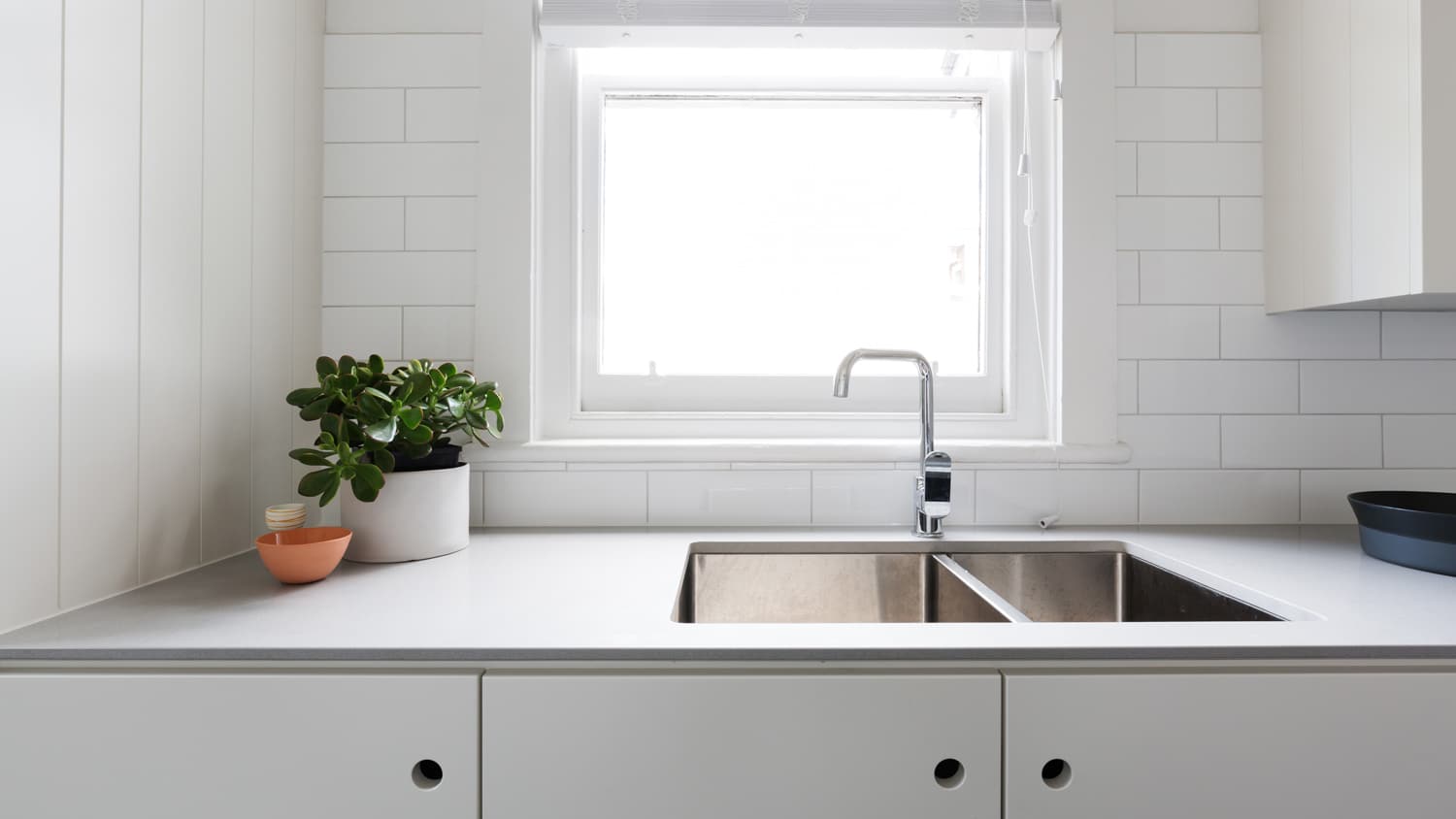
The right countertop material can make or break your kitchen. Learn more about laminate countertops to decide if they suit your budget and style preferences.
Learn how to find and hire the best countertop installer for your laminate project. Get expert tips on qualifications, questions to ask, and what to expect.