

•
Discover stamped concrete wall cost estimates, including average prices, key cost factors, and tips to help you budget your project with confidence.
Concrete repair costs depend on your project and location. Check with a local pro for your specific job.

Professional concrete wall installation costs $3,068 to $14,757 depending on your wall type, with precast walls costing less than poured walls.
Your wall thickness, height, and material choices determine the labor required and the complexity of your concrete wall installation project.
Building permits range from $150 to $2,000, and you should account for excavation work, rebar reinforcement, and concrete delivery fees in your budget.
Hiring a local concrete wall professional prevents structural failure from improper grading and keeps your home safe during construction.
In 2026, the national average cost for poured and precast concrete wall installation is $8,497, based on data from 211 verified projects by Angi Pros. Most homeowners pay between $3,068 and $14,757, with the spread driven by wall type, thickness, and height, and material choices. Building permits add $150 to $2,000 to your budget, and costs can shift further depending on excavation needs, rebar reinforcement, and concrete delivery fees.
Concrete walls serve many purposes on a property, from decorative stamped fences to load-bearing retaining and structural walls, and each type carries its own cost requirements. Decorative options tend to be more straightforward to price, while structural walls involve additional variables like reinforcement, drainage, and permitting. Understanding which factors apply to your specific project will help you budget accurately before reaching out to a contractor.
Concrete walls cost $10 to $100 per square foot, though most projects fall in the $15 to $60 per square foot range, with wall type being the primary driver of that spread. Precast walls sit at the lower end of the range because they require less on-site labor, while poured concrete walls trend higher.
Material thickness and local availability also influence where your project lands within that range. Here is a breakdown of poured and precast concrete wall costs by common wall sizes:
| Square Footage of Wall | Cost Range in 2026 |
|---|---|
| 32 ft. | $480–$1,920 |
| 48 ft. | $720–$3,600 |
| 80 ft. | $1,200–$4,800 |
| 100 ft. | $1,500–$6,000 |
| 160 ft. | $2,400–$1,920 |
| 200 ft. | $3,000–$12,000 |
Materials account for between 50% and 75% of the total cost of a concrete wall, making them the single largest line item in most budgets. A standard material list includes the concrete itself, framing tools, and installation equipment. Brick, stone, and stone veneer are popular finishing choices applied over poured concrete, and prices for these vary widely based on site size and style preferences.
Labor typically accounts for at least half of the total cost of a concrete wall, running $8 to $18 per square foot or $35 to $40 an hour on average. Precast walls reduce on-site labor because panels are built off-site, though delivery costs can offset some of those savings. Specialized designs, structural reinforcement, and complex land preparation all push labor costs toward the higher end of the range.
Most concrete wall projects—whether inside the home or on the landscape—require a building permit, with Permit costs ranging from $150 to $2,000. Requirements vary by municipality, so check with your local building department before breaking ground to avoid delays or fines.
Where you live affects concrete wall costs through two key variables: local material availability and regional labor rates. Projects in major metropolitan areas consistently run higher than comparable work in smaller markets. Here are some common concrete wall prices around the country:
| City | Cost Range in 2026 |
|---|---|
| New York | $3,200–$17,000 |
| Los Angeles | $2,700–$16,800 |
| Miami | $5,500–$9,900 |
| Seattle | $3,900–$16,100 |
| Denver | $3,500–$14,000 |
Site accessibility is a meaningful cost factor for concrete wall projects. Accessing tight interior spaces, removing load-bearing walls, or working on steep slopes all increase labor time and complexity. Easy access to both the job site and concrete delivery routes helps keep overall costs in check.
Excavation work is typically built into the cost of a foundation but can add $2 to $10 per square foot to your overall budget. Below-grade concrete walls—such as those used in foundations and basements—require land clearing and excavation before any construction begins.
Exterior concrete walls often require drainage systems to control how water moves around or beneath them, adding $10 to $100 per linear foot to your project cost. French drains are the more affordable option at $10 to $50 per linear foot, while trench and channel drains can reach $100 per linear foot. The wide range reflects the variety of landscape drainage designs available and the complexity of each system.
Most concrete walls require wire mesh or rebar for structural reinforcement, and contractors often include these costs in the overall project estimate. Rebar specifically runs $1.40 to $2.55 per linear foot, so factor that into your budget when reviewing quotes.
Concrete delivery costs $110 to $150 per cubic yard for poured walls, while precast wall delivery runs higher at $150 to $320 per cubic yard. That higher delivery cost for precast is worth noting because it can offset some of the labor savings you gain from choosing precast over poured concrete.

The type of concrete wall you choose is one of the biggest factors in your total project cost, since each wall type carries its own manufacturing, delivery, and installation expenses. Precast and block walls tend to cost less up front, while poured, board-formed, and retaining walls involve more on-site labor and materials.
Here’s a summary of costs for different types of poured and precast concrete walls:
| Type of Concrete Wall | Cost Range in 2026 |
|---|---|
| Precast concrete walls | $20–$40 per sq. ft. |
| Poured concrete walls | $10–$25 per sq. ft. |
| Board-formed concrete walls | $30–$50 per sq. ft. |
| Stamped concrete walls | $8–$28 per sq. ft. |
| Block concrete walls | $10–$15 per sq. ft. |
| Retaining walls | $30–$50 per sq. ft. |
Precast concrete walls cost 23% less than poured concrete walls, with total project costs ranging from $1,600 to $8,000 and an average of $4,800. Materials run $20 to $40 per square foot or $150 to $320 per linear foot, depending on panel size and specifications. Because panels are manufactured off-site in molds and set into place by specialists, on-site labor is also reduced compared to poured alternatives.
Poured concrete walls are the most common and versatile option, capable of fitting any custom shape or project configuration, with costs ranging from $10 to $25 per square foot. Foundation wall projects typically run $2,900 to $10,400 on average, while a full basement can reach up to $30,000. That flexibility in design is the primary reason poured walls cost more than precast alternatives.
Board-formed concrete walls are a modern design choice in which wooden boards are pressed into wet concrete to create distinctive textured patterns. The additional engineering and materials required push costs to $30 to $50 per square foot or $60 to $280 per linear foot.
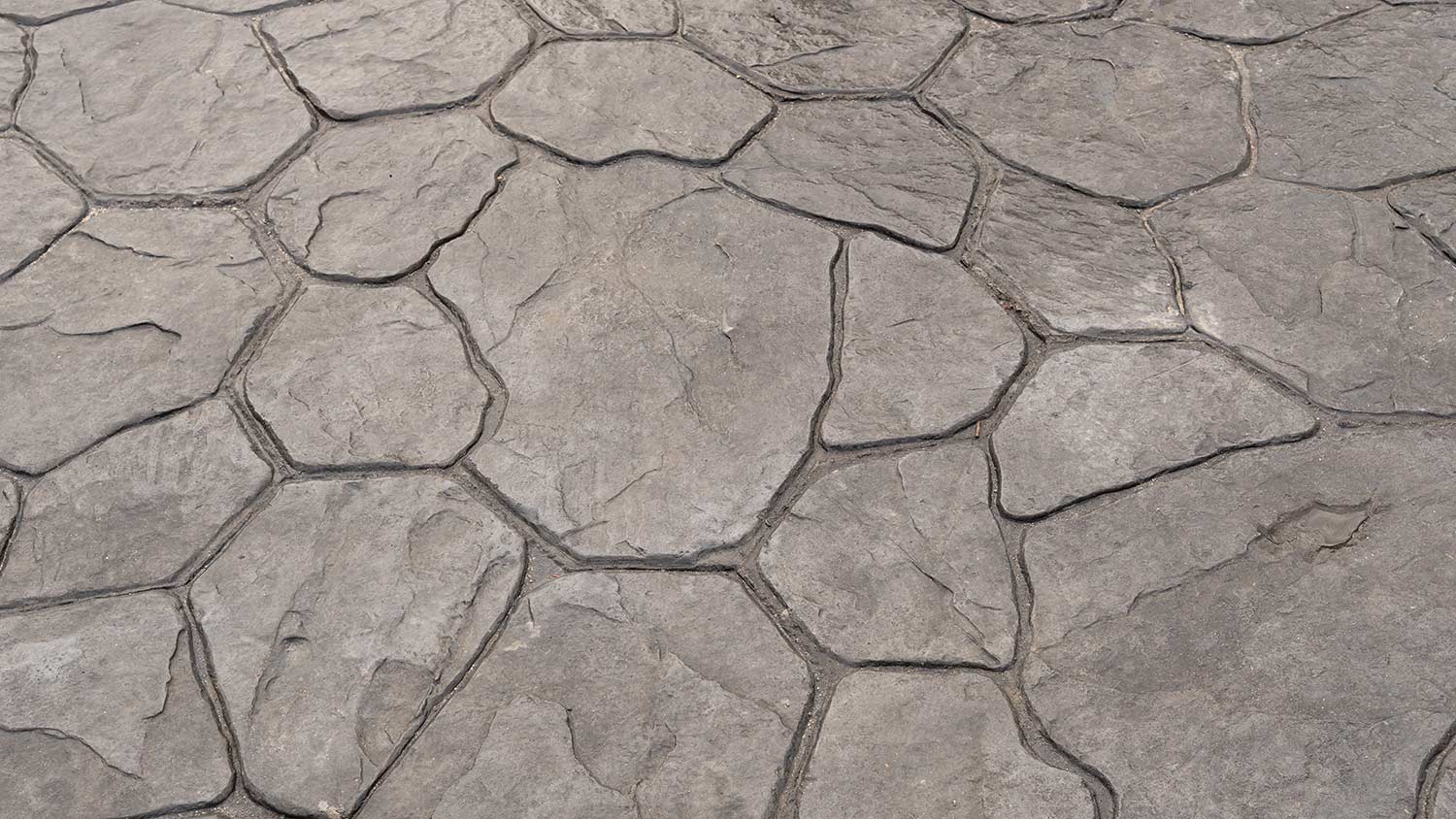
Stamped concrete walls add decorative texture to an otherwise plain surface, with patterns that can mimic the look of brick or natural stone. Costs run $8 to $28 per square foot, with design complexity being the primary factor that moves the price within that range.
Block concrete walls—also known as cinder block walls—are a sturdy and versatile option that costs $10 to $15 per square foot, or an average of $1,300 for a complete wall. This wall type is one of the more DIY-friendly choices and works well as a practical solution for landscaping walls when time is a factor.
The cost of a retaining wall runs higher than most other concrete wall types because these structures must hold back soil on slopes and uneven terrain, with prices ranging from $30 to $50 per square foot including installation. Reinforcement and landscape alterations are almost always required, which adds to both material and labor costs.
Concrete walls require minimal ongoing maintenance, but budgeting for occasional upkeep and repairs will help extend their lifespan. Waterproofing, resealing, and crack repairs are the most common costs homeowners encounter over time. Addressing small issues early is far less expensive than dealing with structural problems down the road.
Concrete walls in crawl spaces and basements typically require waterproofing, with Basement waterproofing costs averaging $5,000 or $5 to $10 per square foot. Resealing basement walls every 10 years is also recommended to maintain moisture protection, costing $1 to $8 per square foot.
Concrete walls can develop cracks, crumbling, and discoloration over time, and repair costs vary widely depending on the severity of the issue. A general inspection runs $150 to $300, while fixing medium-sized cracks costs around $200. More serious structural problems, such as adding supports for a bowing basement wall costs an average of $4,500.
Concrete walls are highly customizable, and add-ons like paint, doors, gates, and lighting can meaningfully affect your total project cost. These features are worth planning for upfront so they can be incorporated into the contractor's scope of work rather than added later at a higher cost.
Painting a concrete wall with specialized paint costs $1 to $3.50 per square foot and works well on foundation wall exteriors, fences, and retaining walls. It is a cost-effective way to add a finished look without a major investment.
Adding a door to an exterior concrete wall or fence is a popular upgrade, and cutting concrete to add a door costs an average of $3,000, which includes the door and its hardware. Plan for this addition during the initial build if possible, since cutting into an existing wall after the fact adds labor complexity.
The cost to install a gate in a concrete wall ranges from $200 to $7,900, with size, material, and design complexity determining where your project falls within that range. Custom or automated gate systems sit at the higher end, while simple manual gates are the most affordable option.
Installing landscape lighting on a concrete wall costs $100 to $400 per fixture and can be a manageable DIY project for handy homeowners. That said, most installations require you to know how to drill into concrete, so assess your skill level honestly before skipping the pro.
As you consider who to hire to install a concrete wall , talk with each prospective contractor about your budgeting options. In addition to choosing the right team for the job, there are some surefire ways to cut costs.
Consider precast concrete over poured concrete whenever possible.
Book your project well in advance and outside of the busy spring DIY season.
Handle preparation and cleanup by yourself, particularly landscaping.
Consider block walls for exterior projects when possible.
Keep the wall design simple and avoid specialty add-ons.
While DIYing a concrete wall can help you save on labor, you'll need a design plan, a solid understanding of the land grading, knowledge of structural reinforcement, and more. Not to mention, concrete is heavy, so trying to do this without help can be dangerous. For these reasons, we recommend that you find a professional concrete installer near you to do the job.
Installing a concrete wall is a complex project. Here's why it's best to hire a pro:
Pros know how to prevent common mistakes like cracking, bowing, and structural failure.
Hiring a reputable pro ensures your wall will be up to code and comply with local zoning requirements.
Experienced pros have the tools, training, and equipment to safely and securely install a concrete wall.
DIY installation can lead to problems like uneven foundations, water intrusion, and collapse.
Experts can complete the job faster and more safely, providing high-quality results.
If you still want to get your hands dirty, consider helping out with the project by:
Cleaning up the project area before and after the installation
Moving materials and organizing tools for easy access.
Completing light landscaping around the wall after structural work is complete
Painting or staining the wall after installation
Have a clear idea of the type, size, and design of the concrete wall you want to install.
Provide the contractor with general structural requirements, like the size, height, and location of your wall.
Consider whether you want to incorporate add-ons such as stone facing, stamped textures, and integrated lighting.
Leave room in your budget for unexpected labor fees, material price increases, or permits.
Home is the most important place on earth, which is why Angi has helped more than 150 million homeowners transform their houses into homes they adore. To help homeowners with their next project, Angi provides readers with the most accurate cost data and upholds strict editorial standards. We survey real Angi customers about their project costs to develop the pricing data you see, so you can make the best decisions for you and your home. We pair this data with research from reputable sources, including the U.S. Bureau of Labor Statistics, academic journals, market studies, and interviews with industry experts—all to ensure our prices reflect real-world projects.
Want to help us improve our cost data? Send us a recent project quote to [email protected]. Quotes and personal information will not be shared publicly.
Positive experience. As previously stated, the replacement/repair could not be completed (no fault of the plumbing tech) b/c misinformation was rec?d by property management maintenance. Thanks to the plumbing tech for your efforts. Appreciate you!
 The Waterworks
Carpet repair done well. Scheduling was easy. Showed up on time.
 BR Flooring Installation
I would recommend this company to anyone! He showed up on time, was friendly, completed a very difficult repair on our dryer vent cover, was responsive, and pricing was extremely fair and competitive. I would have him back to do any of our repairs or cleanings without hesitation!
 U.S.A. Dryer Vent, LLC
Everything from initial contact to completion was absolutely top notch. We contacted the business during off hours to leave a message, and the owner still reached out to feel out the issue within minutes. We were scheduled and repaired within 48 hours. I cannot say enough about the...
 Supreme brick & chimney
Great experience all together. Dog friendly, courteous, great results and honest with recommendations. Will certainly be using Cardinal in the future for any carpet repairs
 Cardinal Carpet Care & Repair
Working with Peter and his crew was a breeze. They were exceptionally polite and did a neat job to repair and seal our driveway. I will definitely talk to them first for additional work.
 Central Paving
Description says they handle window repair including rotten hardwood - they called me back right away but didnâ t leave a voicemail. I followed up 3 days later and they said they donâ t do that kind of work.
 Window-Gurus
They did an excellent job with the repair, took care of all communication with the insurance company and had car rental service also with a very reliable, quality care
 Three C Body Shop
We recently had our office sidewalk repaired and CT Concrete did an "Outstanding" job. They were quick, friendly and the job is "flawless". I would highly recommend CT Concrete for any of your concrete/sidewalk needs.
Mr. Bunting repaired one broken brace (the "sticks" that connect the legs of a chair to make it stronger), and replaced another on two high end antique replica Windsor chairs I own. The one that was replaced required him to turn a new brace on a lathe to be the same as the missing brace would...
From average costs to expert advice, get all the answers you need to get your job done.
Discover stamped concrete wall cost estimates, including average prices, key cost factors, and tips to help you budget your project with confidence.
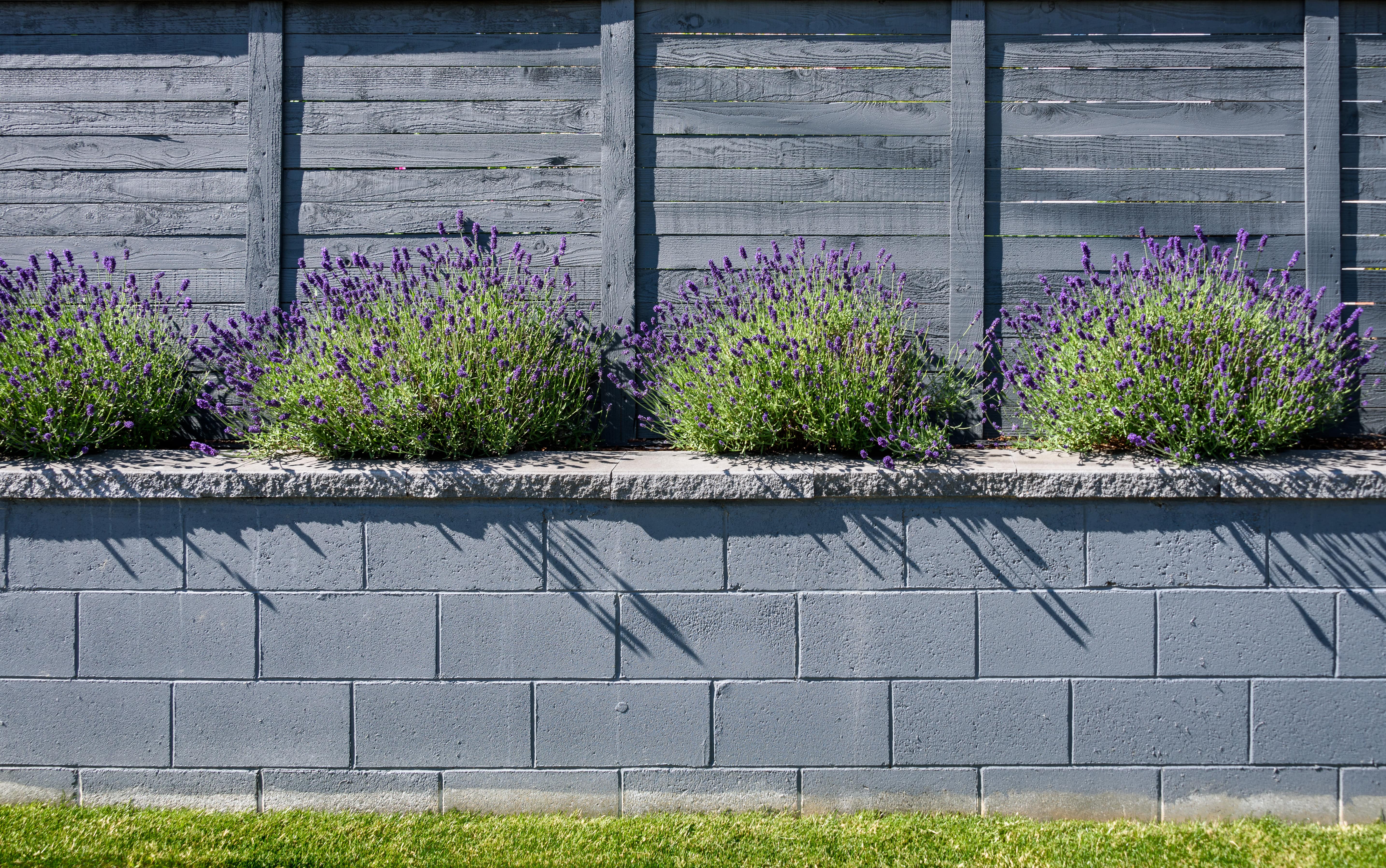
Find out how much a concrete retaining wall costs. Get average prices, cost factors, and expert tips to budget and save on your installation.
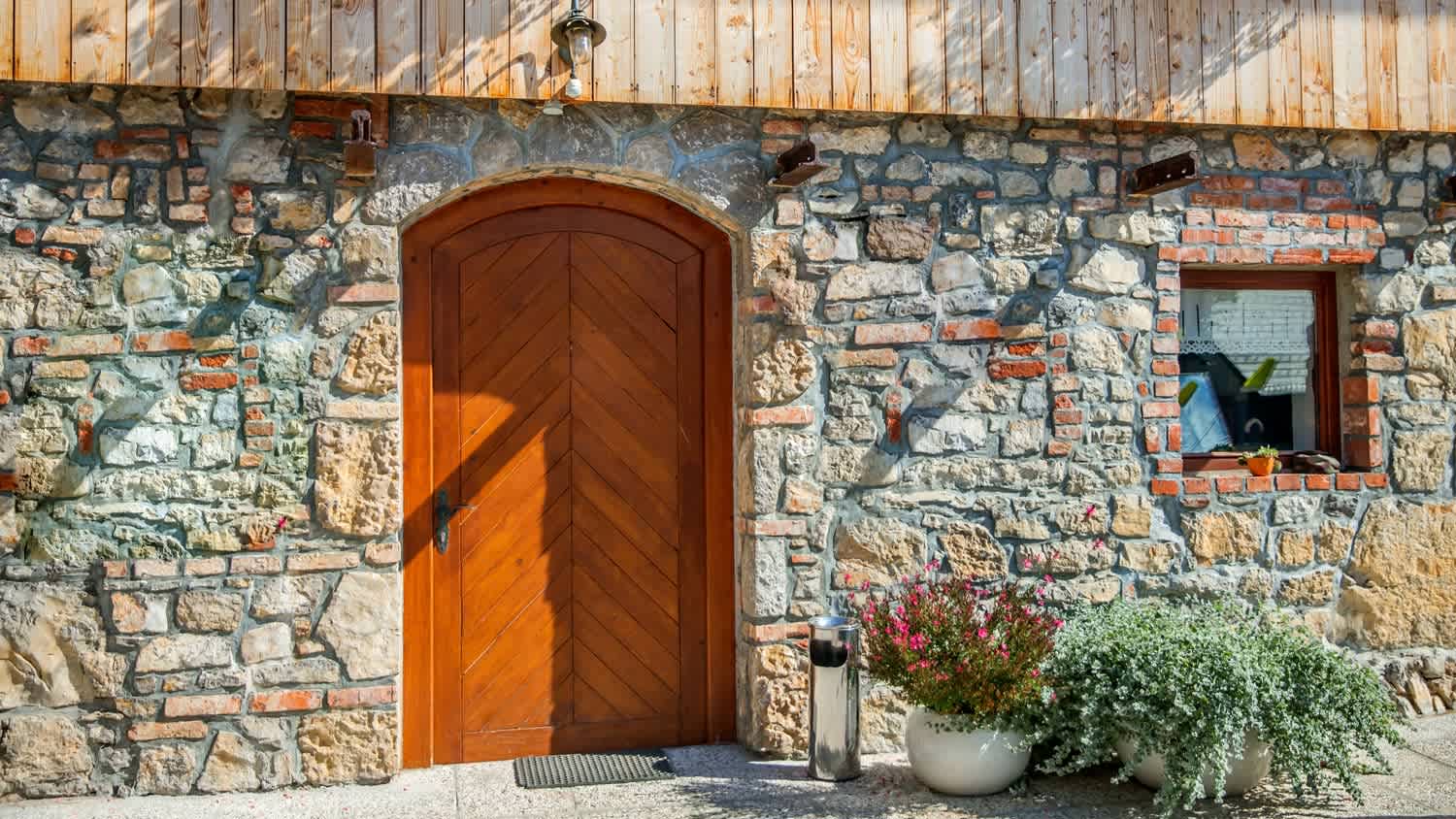
Looking to add utility and easier access to your basement? Use this guide on the cost to cut a concrete wall to add a door to your basement.
Unsure who to hire to install a concrete wall? Learn when to call a concrete contractor or mason, and see how pros get it done.
Thinking about building a concrete retaining wall? Learn about design options, costs to expect, and how to hire the right local pro for your yard.
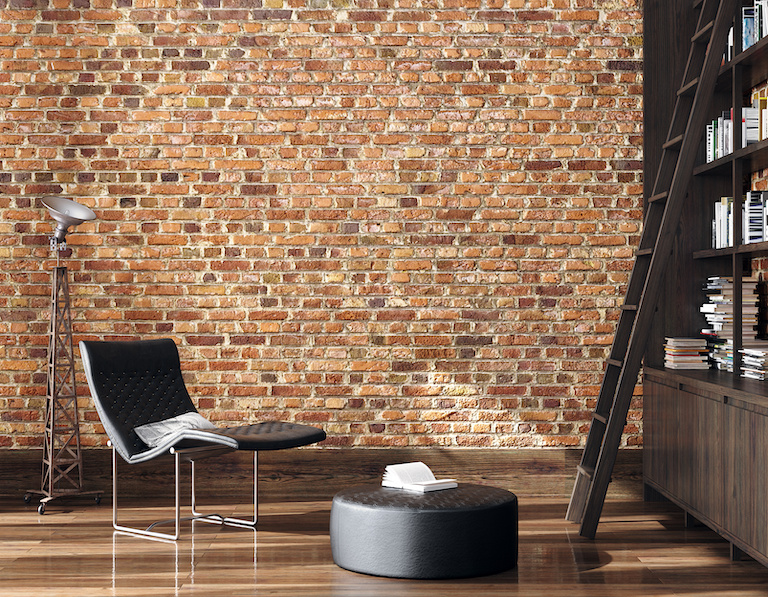
Brick walls can add character and elegance to interior and exterior spaces. Use this brick wall cost guide to see the price range for adding one to your home.