
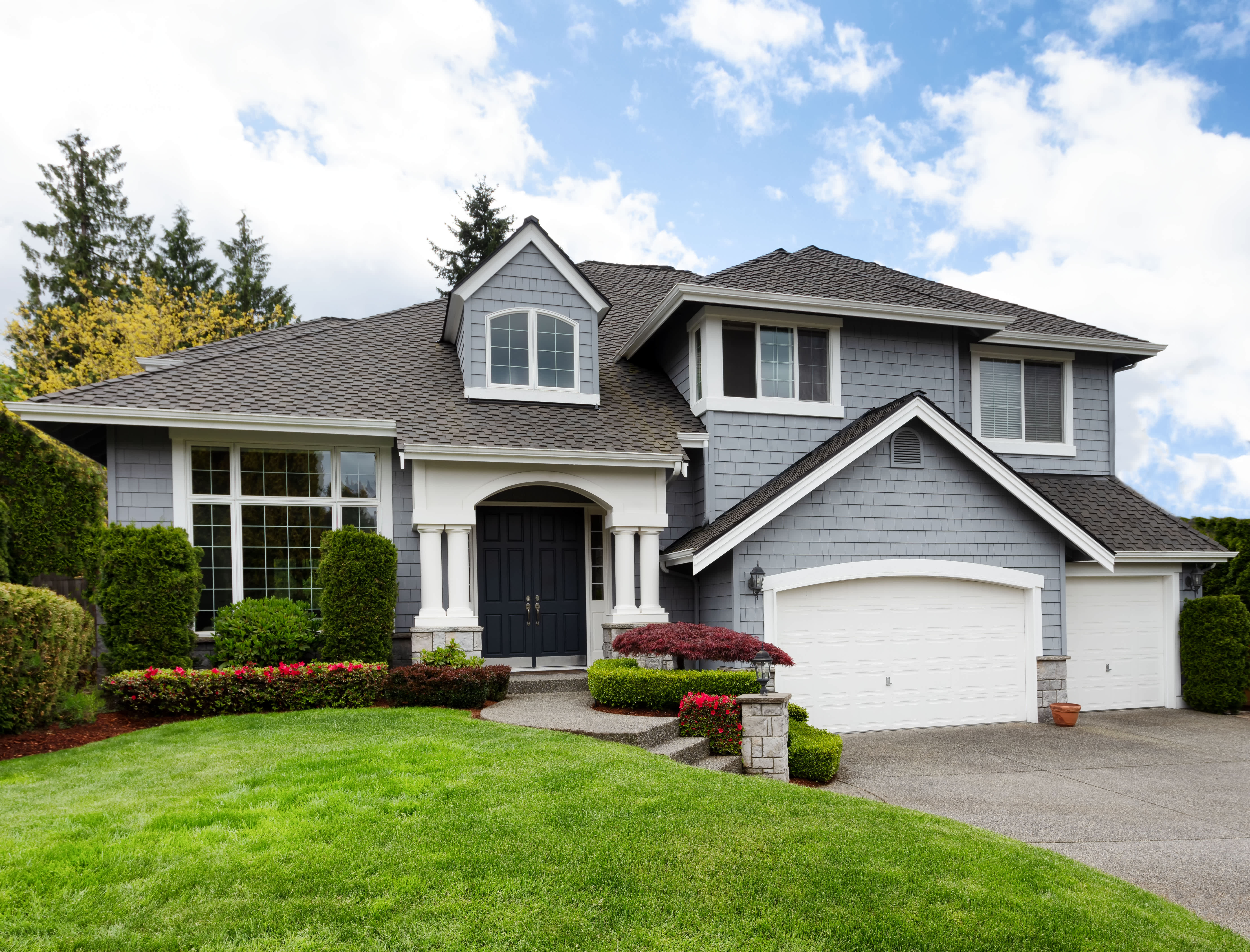
Landscape curbing can really improve the look of a yard, but at what cost? Find out how much it costs and the different ways you can do it
Lawn irrigation costs depend on your project and location. Check with a local pro for your specific job.


Yard drainage installation costs $2,146 to $7,173 on average, with most systems ranging from $10 to $50 per linear foot for your property.
Your drainage system choice and yard size are the biggest factors, with French drains needing more digging and materials than swales.
Account for site prep costs of $300 to $1,000, plus permits, yard restoration, and removing your old drainage system when budgeting.
Hiring a local drainage company ensures your system is sized correctly and protects your foundation from water damage long-term.
This article was created using automation technology and thoroughly fact-checked and edited by an Angi Editor in accordance with our AI policy.
In 2026, yard drainage costs a national average of $4,633, based on 2,203 verified projects from Angi Pros. Most homeowners pay between $2,146 and $7,173, with prices driven by the type of drainage system, yard size, and materials used. For simpler fixes, costs can run as low as $800, while complex solutions may reach $15,000—and most systems fall in the $10 to $50 per linear foot range.
Several key factors determine what you'll pay for yard drainage, including system type, yard size, materials, and labor. Understanding each factor helps you plan a realistic budget and avoid surprises. Talking through these variables with a contractor early gives you the clearest picture of your total cost.
The type of drainage system you install is the biggest cost factor, with options ranging from French drains and trench drains to dry wells, catch basins, swales, and surface drains. Each system solves a different drainage problem and fits a different yard layout. Choosing the right system for your specific water issue — rather than the most complex option — is the best way to keep costs in check:
French drains are popular for redirecting groundwater away from foundations, while trench drains handle surface water along driveways or patios. Dry wells collect excess water underground, and catch basins intercept runoff at low spots. Swales use gentle slopes to channel water naturally, and surface drains remove water from flat areas.
System type impacts both materials and labor. For example, French drains require digging and layers of gravel and pipe, while swales may only need regrading. Choose a system that matches your yard's needs and water issues. For example, French drains are best for soggy lawns, while swales work well for gentle slopes.
| System Type | Average Cost per Linear Foot in 2026 | Average Cost in 2026 |
|---|---|---|
| French drain | $20–$50 | $2,000–$7,000 |
| Trench drain | $30–$70 | $2,500–$8,000 |
| Dry well | $300–$1,000 (per unit) | $1,000–$4,000 |
| Catch basin | $50–$200 (per unit) | $600–$2,000 |
| Swale | $5–$15 | $800–$3,000 |
| Surface drain | $10–$40 | $1,200–$5,000 |
The size of your yard and the total drainage length directly determine how much you'll spend, since larger yards and multiple problem areas require more materials and labor. Small yards with a single drainage issue cost the least, while medium and large properties with several problem spots require longer runs or multiple systems. Each additional drainage zone adds to the total, so the number of drainage points matters just as much as overall yard size:
| Yard Size (Sq. Ft.) | Average Cost in 2026 |
|---|---|
| Small (under 500) | $800–$2,000 |
| Medium (500–2,000) | $2,000–$5,000 |
| Large (over 2,000) | $5,000–$12,000 |
Materials are a major driver of yard drainage cost, with common components including perforated pipe, gravel, geotextile fabric, catch basins, sump pumps, and connectors. Choosing between standard and premium versions of these materials affects both performance and price. High-quality geotextile fabric, for example, costs more upfront but lasts longer and resists clogs more effectively than standard options:
| Material Type | Cost per Unit in 2026 | Notes |
|---|---|---|
| Perforated pipe | $1–$5 per foot | Higher for longer runs |
| Gravel | $30–$60 per ton | Influences drainage effectiveness |
| Geotextile fabric | $0.15–$0.60 per sq. ft. | Premium fabrics cost more |
| Catch basin | $50–$500 each | Needed for low spots |
| Sump pump | $150–$600 each | Adds cost for powered drainage |
| Connectors/fittings | $2–$10 each | Required for complex systems |
Labor makes up a significant portion of your yard drainage cost, with most homeowners hiring landscapers, drainage specialists, or general contractors at hourly rates of $50 to $150 per hour. Per-foot estimates often include labor, but some contractors bill separately, so always confirm what your quote covers. Complex projects involving tricky access, rocky soil, or steep slopes require more time and skill, and labor costs also run higher in regions with a greater cost of living.
Landscaper: $50–$150/hour
Drainage specialist: $50–$150/hour
General contractor: $50–$150/hour
Site preparation is an essential part of any yard drainage project, typically costing $300 to $1,000 for tasks like grading, removing debris, and marking underground utilities. Difficult sites with dense tree roots, rocky soil, or steep grades may require extra work or soil testing. In rare cases — particularly near foundations or retaining walls — an engineering consultation is required, which raises prep costs further.
| Prep Task | Average Cost in 2026 |
|---|---|
| Site prep | $300–$1,000 |
Tipping yard drainage installation crews is not mandatory, but it is an appreciated gesture for excellent work. If you choose to tip, $20 to $50 per worker is common. Providing refreshments, snacks, or a meal is a thoughtful alternative, especially for larger crews or longer jobs.
Several additional factors can push your yard drainage cost higher, and it's worth accounting for them before finalizing your budget. These extras can add hundreds to thousands of dollars, so discuss each one with your contractor during the planning phase:
Removing old drainage systems: removing old or failed drainage systems before installation.
Restoring your yard: restoring your yard after construction, including reseeding or sod.
Permit and inspection fees: if required by local codes.
Foundation or structural issues: addressing foundation or structural issues near your home.
System integration: integrating the drainage system with landscaping, hardscaping, or irrigation.
Decorative elements: adding decorative grates, covers, or privacy hedges.
Unexpected obstacles: dealing with unexpected obstacles, such as buried utilities or large rocks.

Yard drainage systems require ongoing care and occasional repairs beyond the initial installation cost. Budgeting for maintenance, operating costs, and potential repairs helps you protect your investment over the long term. Knowing what to expect after installation puts you in a better position to avoid costly surprises.
Routine maintenance keeps your yard drainage system working efficiently, with DIY upkeep — including clearing debris, flushing pipes, and inspecting for clogs — costing an average of $50 to $200 per year in tools and supplies. If you prefer to hire a professional for annual maintenance, expect to pay $100 to $400 per visit, depending on system size and complexity. Regular upkeep prevents costly repairs and extends your system's lifespan.
| Maintenance Type | Average Cost in 2026 |
|---|---|
| DIY maintenance | $50–$200 per year |
| DIY maintenance | $100–$400 per visit |
Some yard drainage systems carry ongoing operating costs, particularly those with sump pumps, which add $30 to $100 per year to your utility bills. If your system uses water for flushing or disposal, check with your municipality about any additional fees. Smart monitoring or automated drainage systems may also require subscription fees, though these are uncommon in most residential yards.
| Operating Cost | Average Cost in 2026 |
|---|---|
| Sump pump electricity | $30–$100 per year |
Even well-installed yard drainage systems need repairs from time to time, with common fixes including clearing blockages, repairing collapsed pipes, and addressing erosion around outlets. Minor repairs cost $200 to $700, while major issues — such as replacing long sections of pipe or rebuilding outlets — can cost $1,000 to $3,000. Watch for slow drainage, standing water, or visible damage as early warning signs, and budget for occasional repairs as part of your long-term ownership costs.
| Repair Type | Average Cost in 2026 |
|---|---|
| Minor repairs | $200–$700 |
| Major issues | $1,000–$3,000 |
Homeowners' insurance sometimes covers yard drainage system repairs, but coverage depends on your specific policy and the cause of the damage. Some insurers offer premium discounts for improved drainage, particularly when it reduces the risk of flooding or water intrusion. If repairs are not covered, you'll pay out of pocket, so reviewing your policy and asking your agent about drainage-related coverage and discounts is a smart step before you need it.
Many homeowners wonder if they can save on yard drainage costs by doing the work themselves. Let’s compare DIY and professional approaches.
DIY projects save on labor but require you to buy or rent materials and tools. Professional installation costs more but includes labor, expertise, and warranties.
DIY yard drainage requires skills like digging, grading, and using power tools. You’ll need safety gear and enough time—simple jobs might take a weekend, while larger projects can take several days. Mistakes can be costly, leading to ineffective drainage or property damage.
Hiring a pro is recommended for complex projects, installations near your foundation, or if you’re unsure about local codes. Pros ensure the system is sized and installed correctly, which protects your investment.
Yard drainage add-ons can increase your total project cost but often deliver important functional benefits or aesthetic upgrades worth considering. Discuss these options with your contractor to find the right balance of function, cost, and curb appeal:
Sump pump installation: $500 to $2,000, including wiring and setup
Downspout extensions or gutter modifications: $100 to $800
Landscaping restoration or sod replacement: $300 to $3,000, depending on yard size
Decorative grates or covers: $50 to $300 each
Erosion control measures (retaining walls, riprap): $1,000 to $8,000
Integration with rain gardens or water harvesting systems: $800 to $5,000
Adding new drainage zones or expanding an existing system: $1,000 to $5,000
| Add-On | Average Cost in 2026 |
|---|---|
| Sump pump installation | $500–$2,000 |
| Downspout extensions or gutter modifications | $100–$800 |
| Landscaping restoration or sod replacement | $300–$3,000 |
| Decorative grates or covers | $50–$300 each |
| Erosion control measures | $1,000–$8,000 |
| Integration with rain gardens or water harvesting systems | $800–$5,000 |
| Adding new drainage zones or expanding an existing system | $1,000–$5,000 |
You can manage your yard drainage cost by making smart choices at every step. Here are effective ways to save:
Get multiple quotes from qualified local yard drainage pros to compare pricing and options.
Choose the right drainage system for your yard’s specific water issues—avoid over-engineering.
Use standard materials where possible; reserve premium options for critical areas.
Prepare the site yourself, such as clearing debris or marking utilities, to reduce labor charges.
Bundle yard drainage with other landscaping projects for possible discounts.
Schedule installation during off-peak seasons when contractors are less busy.
Maintain your system regularly to prevent expensive emergency repairs.
Consider phased installation for large yards to spread costs over time.
Home is the most important place on earth, which is why Angi has helped more than 150 million homeowners transform their houses into homes they adore. To help homeowners with their next project, Angi provides readers with the most accurate cost data and upholds strict editorial standards. We extensively research project costs to develop the pricing data you see, so you can make the best decisions for you and your home. We rely on reputable sources, including the U.S. Bureau of Labor Statistics, academic journals, market studies, and interviews with industry experts—all to ensure our prices reflect real-world projects.
Want to help us improve our cost data? Send us a recent project quote to [email protected]. Quotes and personal information will not be shared publicly.
Cody did a great job!
 Itzelpainting
Wonderful. I am going to have them remove and replace my driveway in the spring.
 All Star Paving and Sealing
We had a 20+ year old landscape lighting system that needed replacement. Midwest Lightscapes worked with us to design a much improved lighting system, lighting the exterior of the house and the back yard. Installation of the 45 light system took one and one-half days, and went very smoothly....
 Midwest Lightscapes
Did an amazing job transforming my yard. Also installed sod in places, would recommend to everyone.
 Cardinal Landscaping & Construction LLC
Always been satisfied with the service work and how they have taken care of my pool.
Bill Gerhardt sold the company to his employees at the end of 2019, apparently without a workable succession plan and without notifying prospective customers of this fact. Most aspects of the maintenance contract have not been fulfilled: no installation of anual plantings per contract, no...
They show up and they did take us on as a client which seems to be a problem with other lawn care providers. We have multiple properties and this one was located close to downtown and no one really wants to mess with it.
I was very happy with the service provided by AK Irrigation. They responded quickly to my email, and the woman I spoke with was polite and professional. I was able to get an appointment that same week. <br /> The technician (Tyler) arrived on time. He was very knowledgeable, and worked...
 AK Irrigation
The worker came out when he was supposed to come. He informed me he would honor the Angie's List deal, but would not do any more work for me since my son in law owns lawn care company as well, even though they do not do the same type of work. He said he did not feel comfortable giving me...
 Bello Giardino LLC
E & L Lawn Care was super. They were very responsive before and after service. They were efficient and were able to complete the job within 1 day. I have had concern about one section of sod - the owner was pro-active and did a visit to evaluate. I have no doubt they will stand behind...
 E&L lawn care
From average costs to expert advice, get all the answers you need to get your job done.
Landscape curbing can really improve the look of a yard, but at what cost? Find out how much it costs and the different ways you can do it
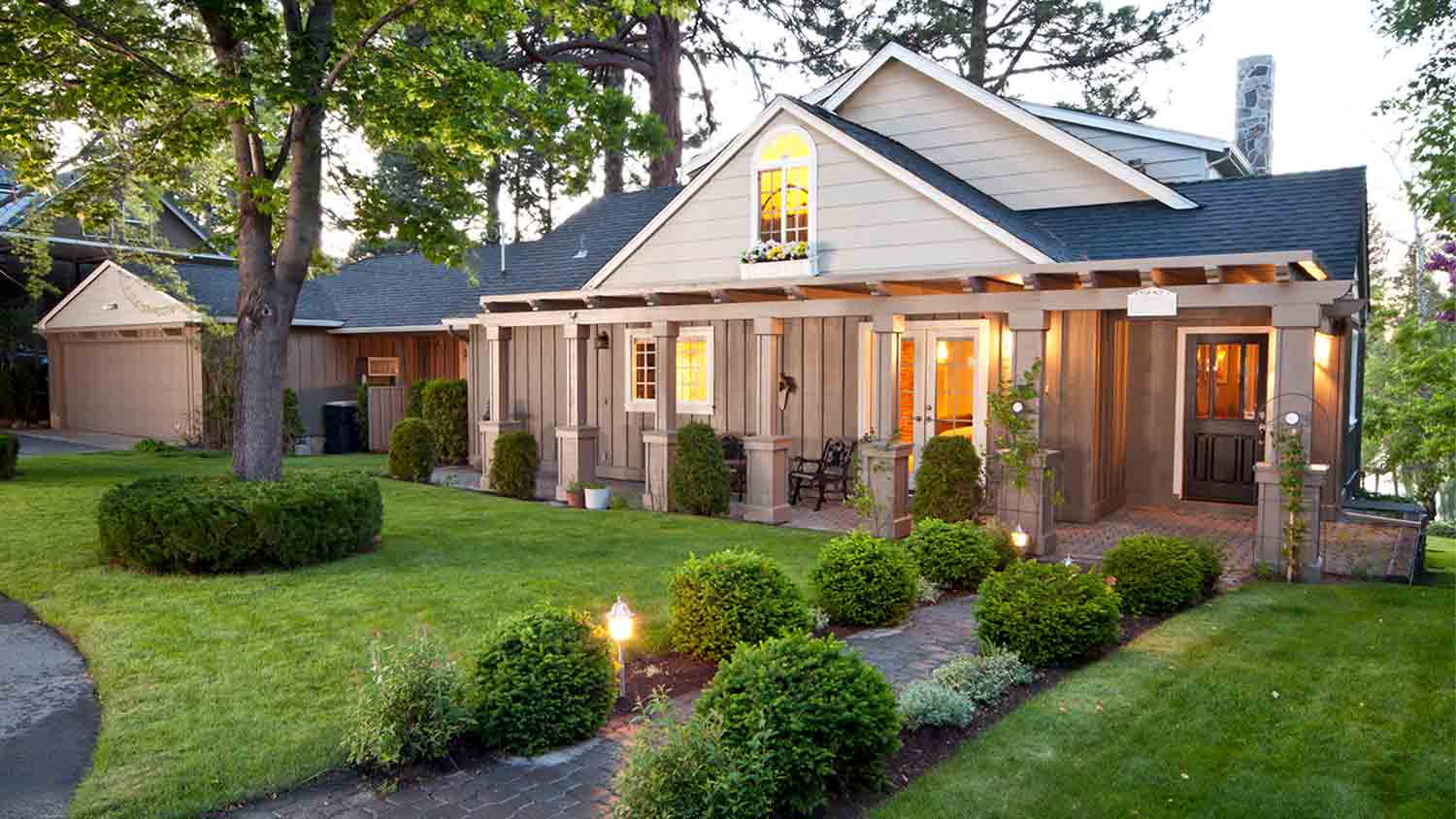
Discover the cost to install landscape lighting. Learn about average prices, key cost factors, and ways to save on your outdoor lighting project.
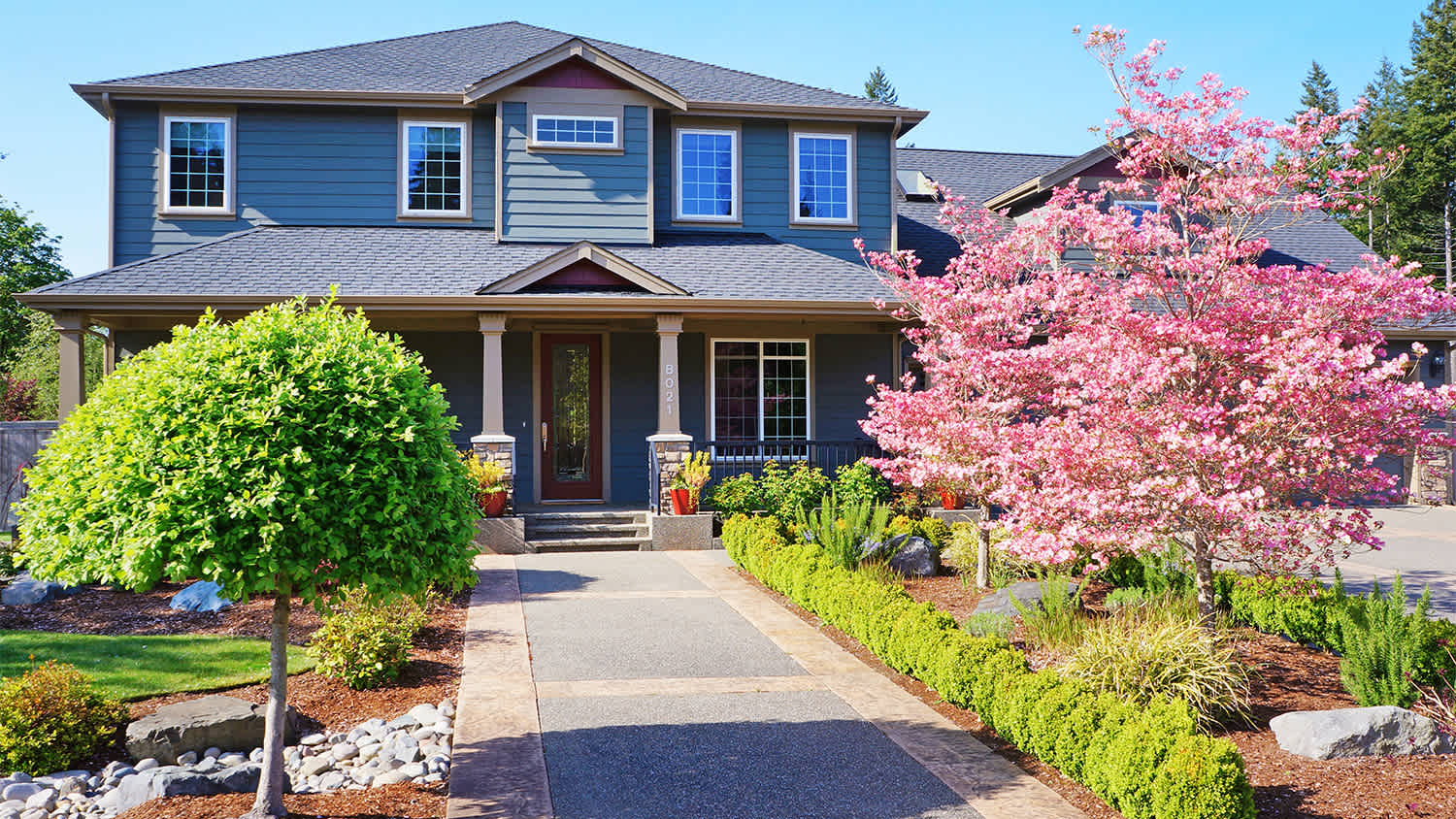
A landscape designer can elevate your outdoor space and bring your vision to life. Use this landscape design cost guide to budget for your next project.
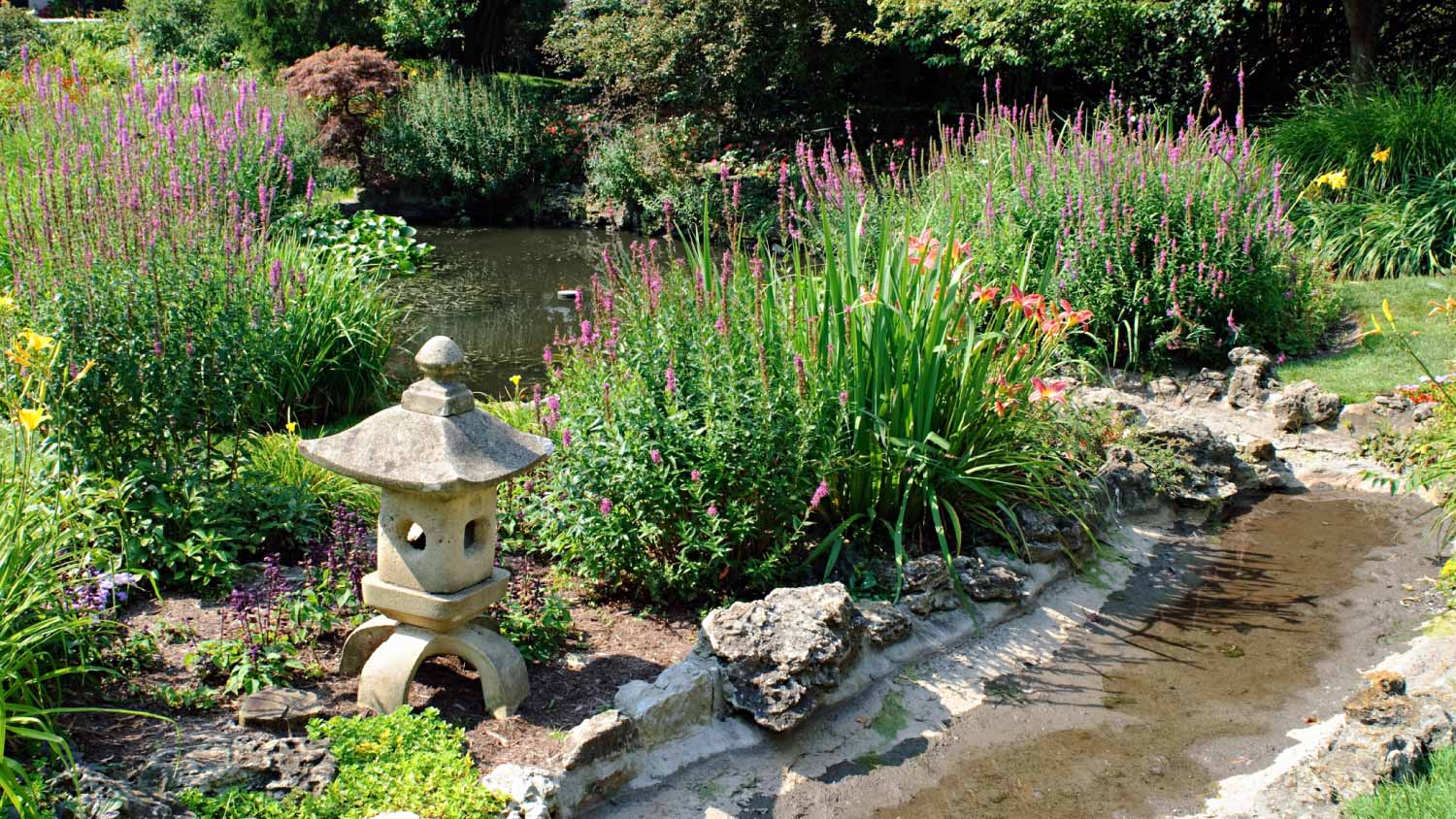
Proper drainage is key to avoiding flooding in your lawn and garden. Check out these 13 unique yard drainage ideas to keep your lawn healthy.
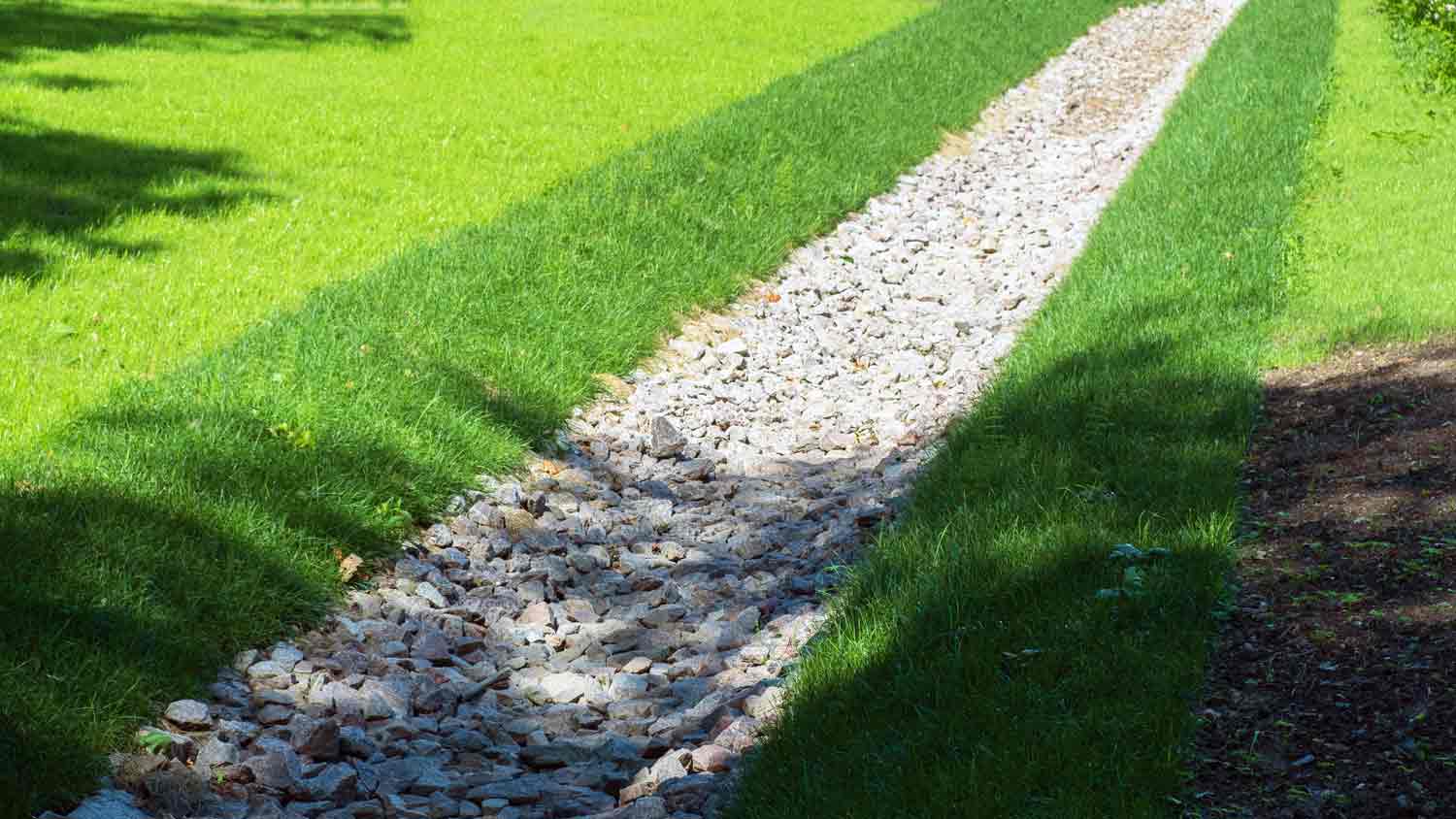
Learn how to hire a qualified yard drainage installation pro. Find the right contractor, ask essential questions, and protect your home.
Thinking about landscape curbing or edging installation? Learn about material options, average costs, and how to hire the right local landscaping pro.