

Concrete driveway costs in Dallas, TX, vary based on size and concrete type. This cost guide breaks down all the key factors to help you budget.
Keep your concrete together

Concrete segregation happens when larger aggregates like gravel separate from smaller particles in your concrete mix and settle at the bottom during curing.
Adding too much water to your concrete creates a watery mixture that allows heavier aggregates to sink while smaller particles float to the surface.
Segregated concrete weakens your structure and creates honeycomb patterns on the surface, which reduces durability and increases your long-term repair needs.
Hiring a local concrete company provides reliable support with proper mixing ratios and pouring techniques, helping your concrete cure strong and uniform.
Concrete is one of the strongest and most durable building materials we use in construction, but the segregation of concrete can significantly weaken the material, potentially causing structural damage. Whether you’re working with concrete yourself or relying on a professional for help, understanding the risk of concrete segregation can help avoid serious problems down the road. Below, you’ll learn what concrete segregation is, what causes it, the risks involved, and how to fix it.
Concrete is a mixture of cement, water, and aggregates ranging in size from sand to gravel. Concrete segregation is when the larger particles fall out of suspension and accumulate in one area in the concrete as it cures. Once the concrete cures, you might see a honeycomb-like pattern on the face of the concrete where the segregation occurred.

A few things can lead to concrete segregation, although they all have to do with larger aggregates like gravel settling at the bottom of the poured slab.
Making concrete involves adding water to a concrete mix to yield a thick consistency or “concrete slump,” but adding too much water can lead to concrete segregation as it cures. If there’s too much liquid, smaller aggregates can float to the top, which allows larger particles like gravel to sink to the bottom. This is especially an issue if the person pouring the concrete introduces excessive agitation.
Agitating newly-poured concrete is necessary to remove air pockets and create a stronger, more uniform piece of concrete. Too much agitation can be detrimental, though, as it will cause larger, denser particles to fall to the bottom of the mixture, especially if it’s too watery.
Any agitation of the concrete before it cures can lead to segregation, including while pouring. If you pour concrete from too high above the concrete form, the larger, heavier particles will drop to the bottom as the mixture settles.
Finally, you might discover segregation in your concrete if you don’t mix it thoroughly before pouring. As concrete sits, the smaller particles will naturally rise to the top, and heavier gravel pieces will sink to the bottom. If you don’t mix the concrete well before pouring, those larger pieces of aggregate may remain at the bottom and not be fully incorporated into the cured concrete.
Mixing the right concrete and water ratio is a crucial first step. A too wet or too dry concrete mixture will result in cracking and structural failures over time. A masonry contractor will know the proper ratio for your specific project.


Concrete segregation comes with some risks, so it’s important to hire a concrete company near you to tackle complicated concrete projects. This holds especially true if you don’t have experience working with concrete or if it will provide any structural support.
The biggest issue with segregated concrete is decreased strength. Concrete is extremely strong when the cement acts as an adhesive to “glue” together the small and large aggregates, but some of that strength gets lost if the mixture isn’t uniform.
Loss of strength can be a problem for any concrete structure, but it can be especially dangerous if the concrete slab serves as a foundation for a structure. For this reason, your local building code likely has guidelines for mixing and pouring concrete in a way that avoids the segregation of larger aggregates.
Segregation of concrete not only reduces the strength of the concrete as a whole but also increases the risk of surface damage, including cracks. You might see higher concrete repair costs or maintenance costs as a result.
Finally, concrete segregation doesn’t look very appealing and will leave patches of honeycomb-like patterns on the surface of your concrete. For decorative concrete pieces, like walkways, sidewalks, and patios, most homeowners will opt to pay for concrete repair to cover the affected areas. Even then, patches of different colors will likely be visible.
Before your concrete cures, there are a few things you can do to avoid segregation of the concrete:
Get the proportions right: If you’re mixing your own concrete, make sure you get the proportions of the mix to the water right. Too little water will reduce the bonding within the concrete, while too much can lead to segregation and decreased strength.
Use a concrete mixer: A mechanical mixer can mean the difference between properly mixed concrete and segregation. You can often rent mixers from hardware stores.
Pour from a low height: If you’re pouring concrete from a mixer, keep the spout as close to your form as possible to reduce the risk of the heavier particles settling to the bottom of the form.
Agitate just enough: Agitating the concrete after pouring it will remove air pockets, but too much agitation can cause the larger aggregates to settle at the bottom.
Once your concrete cures, there are two options you have to fix it:
Resurface the concrete: If the concrete slab isn’t bearing weight from any structure or vehicle, you might be able to get away with just paying for concrete resurfacing costs. Resurfacing involves removing any loose particles, cleaning the affected area, and pouring in a flowable, self-leveling mortar to fill in the gaps around the large aggregates.
Remove and re-pour: If your concrete will provide any kind of structural support or serve as vehicle storage, you’ll either need to remove the concrete and start over or cut the concrete out around the affected area and re-pour. You should speak with a structural engineer or a professional who repairs concrete to help you decide which is the right option for you.
Positive experience. As previously stated, the replacement/repair could not be completed (no fault of the plumbing tech) b/c misinformation was rec?d by property management maintenance. Thanks to the plumbing tech for your efforts. Appreciate you!
 The Waterworks
Carpet repair done well. Scheduling was easy. Showed up on time.
 BR Flooring Installation
I would recommend this company to anyone! He showed up on time, was friendly, completed a very difficult repair on our dryer vent cover, was responsive, and pricing was extremely fair and competitive. I would have him back to do any of our repairs or cleanings without hesitation!
 U.S.A. Dryer Vent, LLC
Everything from initial contact to completion was absolutely top notch. We contacted the business during off hours to leave a message, and the owner still reached out to feel out the issue within minutes. We were scheduled and repaired within 48 hours. I cannot say enough about the...
 Supreme brick & chimney
Great experience all together. Dog friendly, courteous, great results and honest with recommendations. Will certainly be using Cardinal in the future for any carpet repairs
 Cardinal Carpet Care & Repair
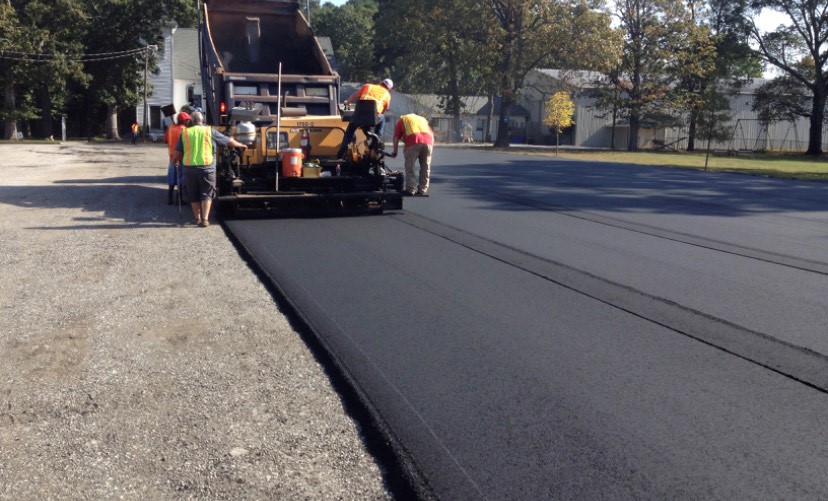
Working with Peter and his crew was a breeze. They were exceptionally polite and did a neat job to repair and seal our driveway. I will definitely talk to them first for additional work.
 Central Paving
Description says they handle window repair including rotten hardwood - they called me back right away but didnâ t leave a voicemail. I followed up 3 days later and they said they donâ t do that kind of work.
 Window-Gurus
They did an excellent job with the repair, took care of all communication with the insurance company and had car rental service also with a very reliable, quality care
 Three C Body Shop
We recently had our office sidewalk repaired and CT Concrete did an "Outstanding" job. They were quick, friendly and the job is "flawless". I would highly recommend CT Concrete for any of your concrete/sidewalk needs.
Mr. Bunting repaired one broken brace (the "sticks" that connect the legs of a chair to make it stronger), and replaced another on two high end antique replica Windsor chairs I own. The one that was replaced required him to turn a new brace on a lathe to be the same as the missing brace would...
From average costs to expert advice, get all the answers you need to get your job done.
Concrete driveway costs in Dallas, TX, vary based on size and concrete type. This cost guide breaks down all the key factors to help you budget.
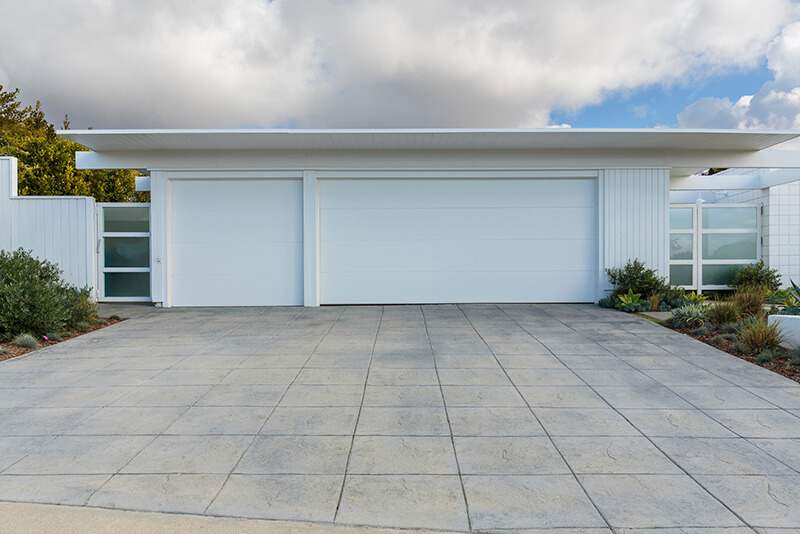
Concrete is a durable material but needs maintenance every few years. Use this concrete resurfacing cost guide to get an idea of ongoing maintenance costs.
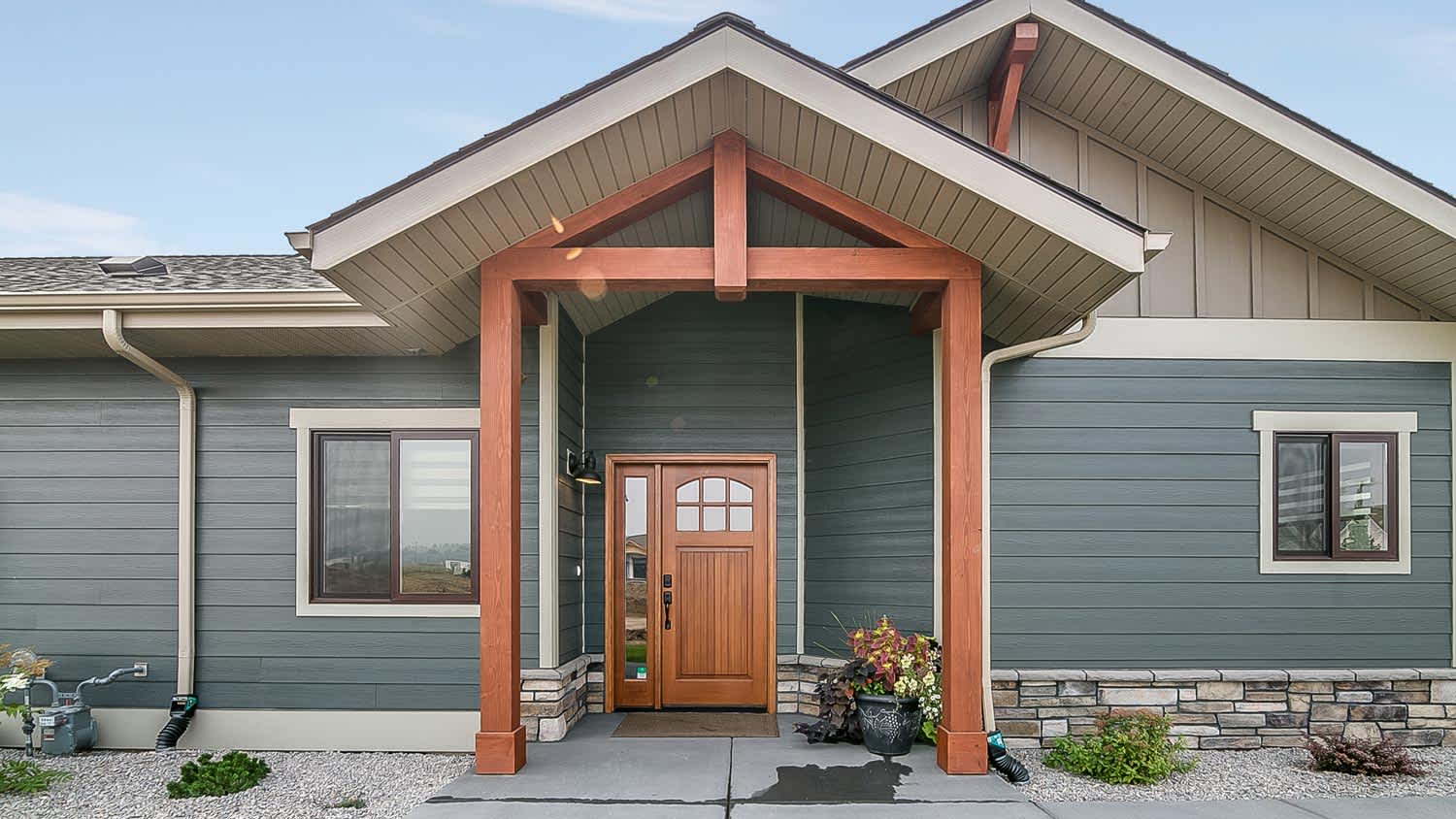
Concrete plays a role in more than just your foundation. No matter where you need the extra stability, here's how to determine your concrete slab cost.
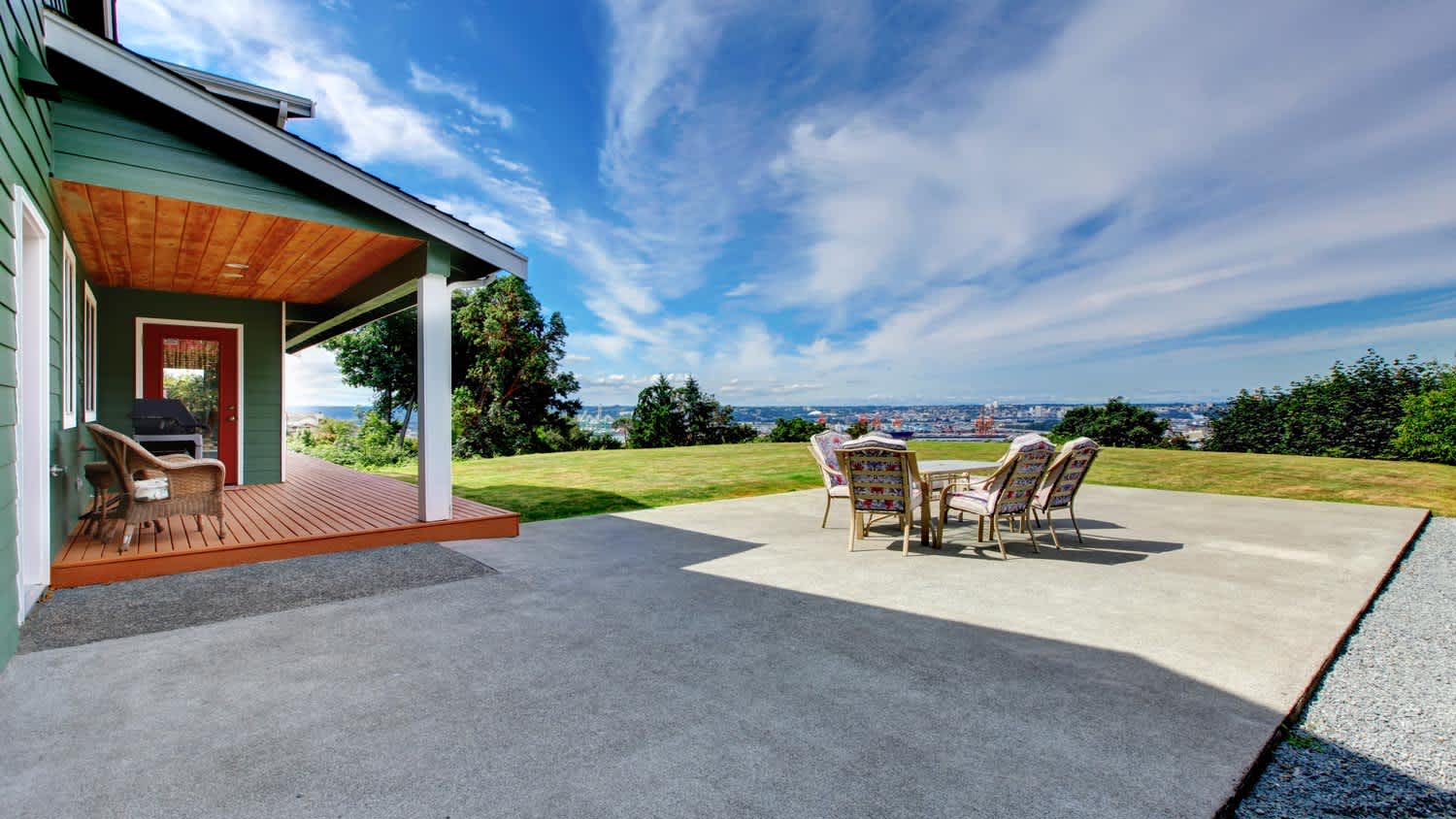
When cracks, scaling, and crumbing are plaguing your slab, get to know the most common concrete problems and what to do about them.
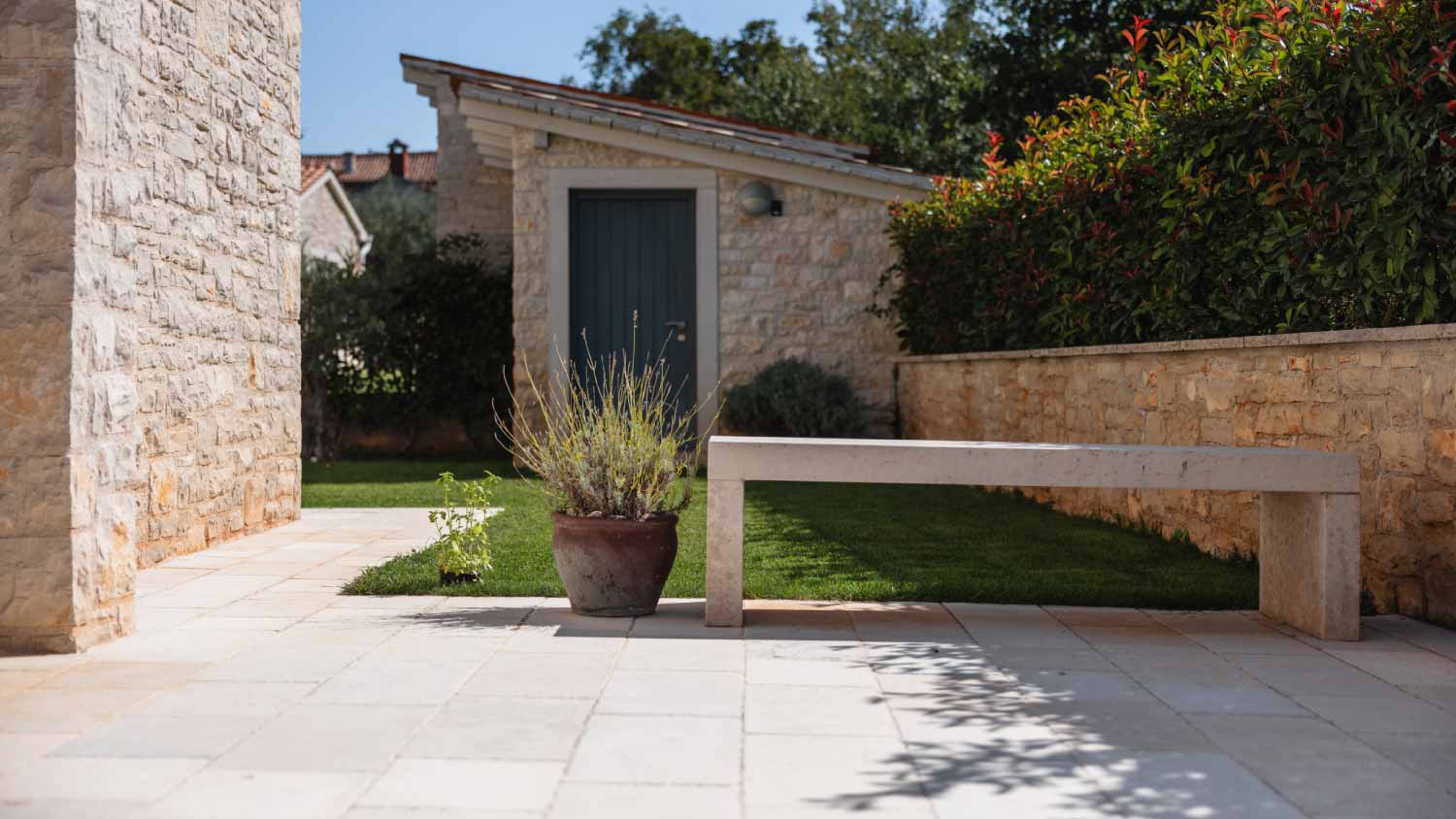
Keep your concrete in good condition for decades. Use these concrete maintenance tips to extend the life of your driveway, patio, or walkways.

Concrete forming is a key part of pouring concrete and nailing the look and strength you want. Learn what concrete forming is and how to do it.